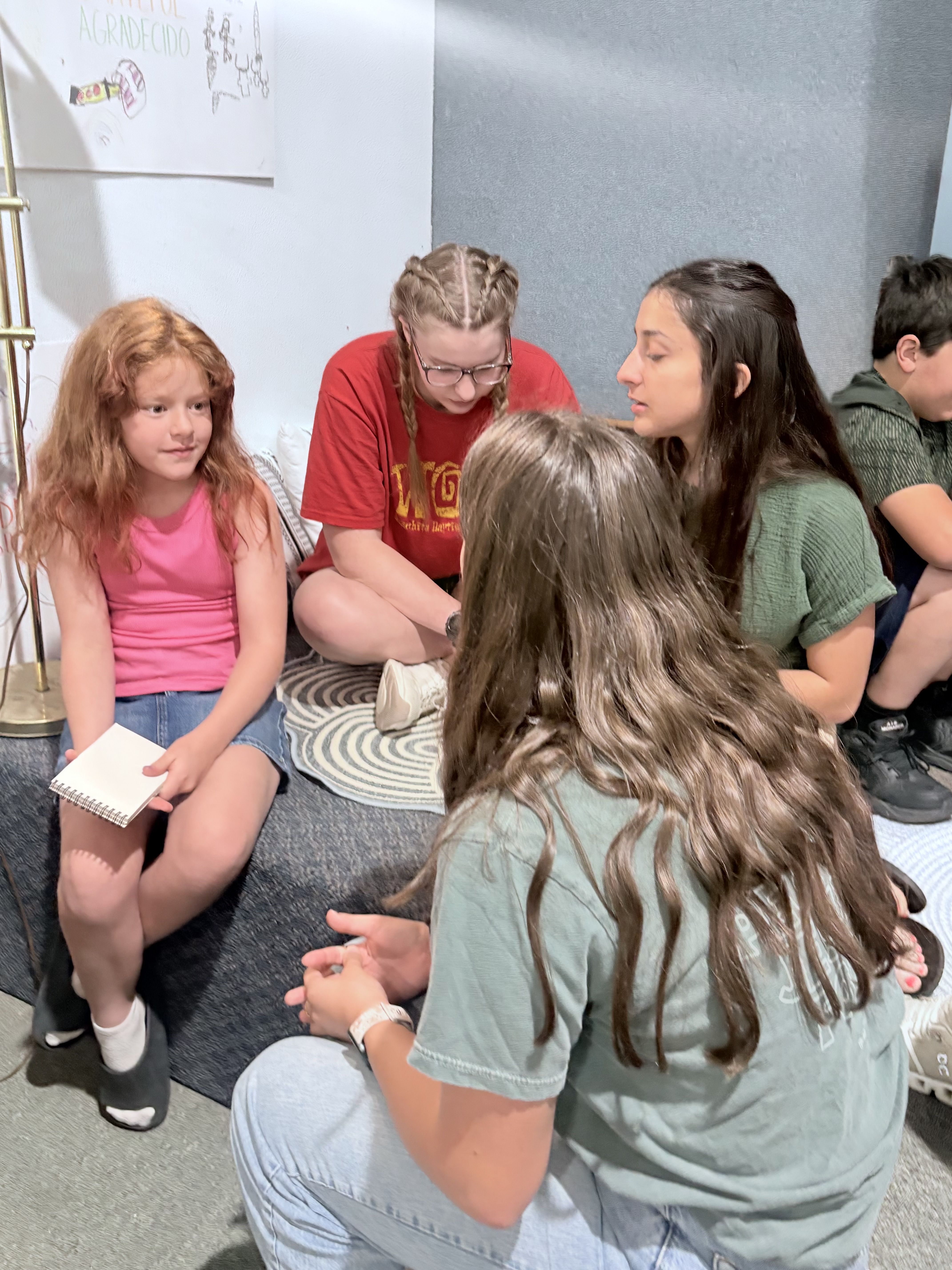
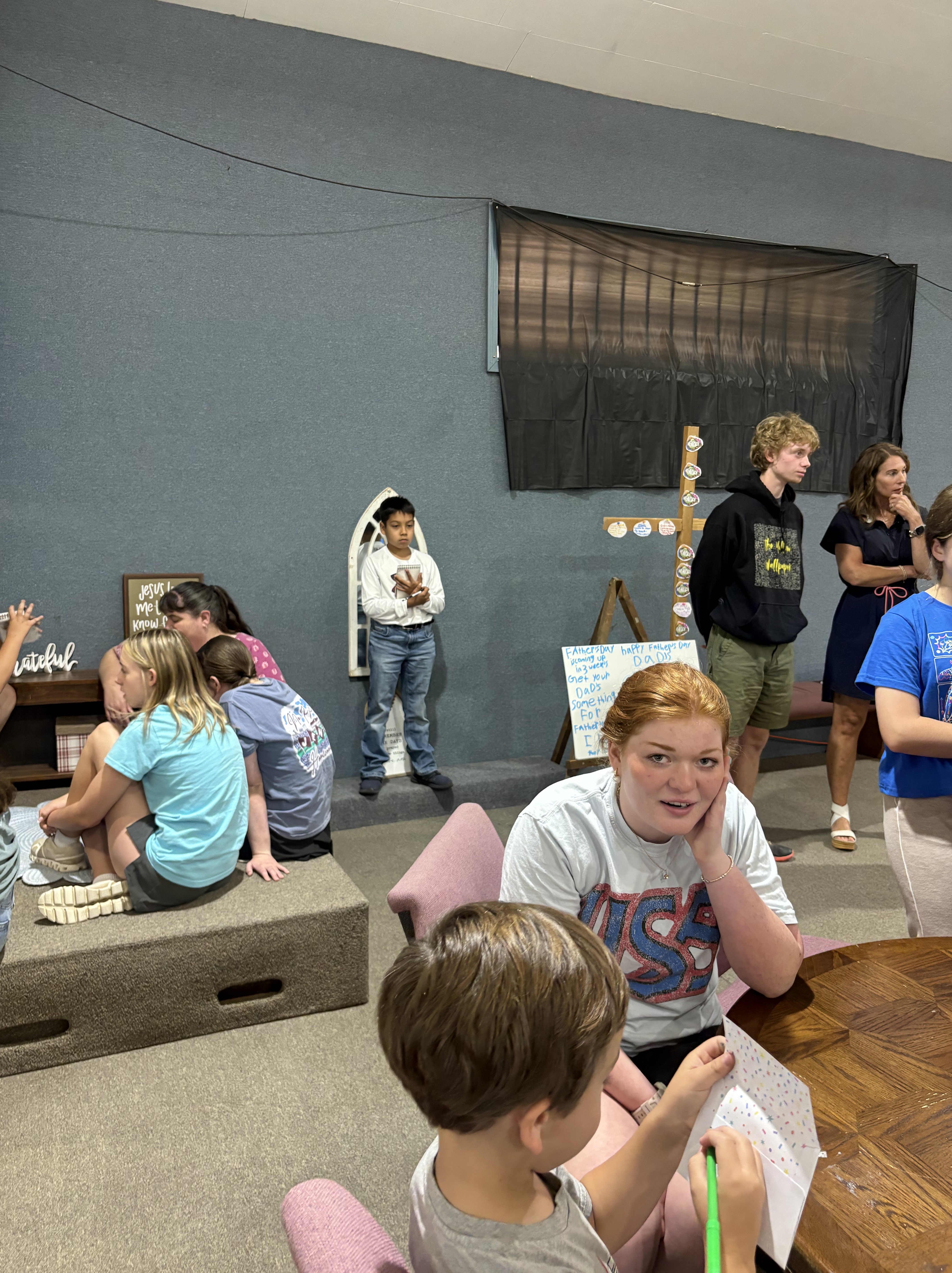
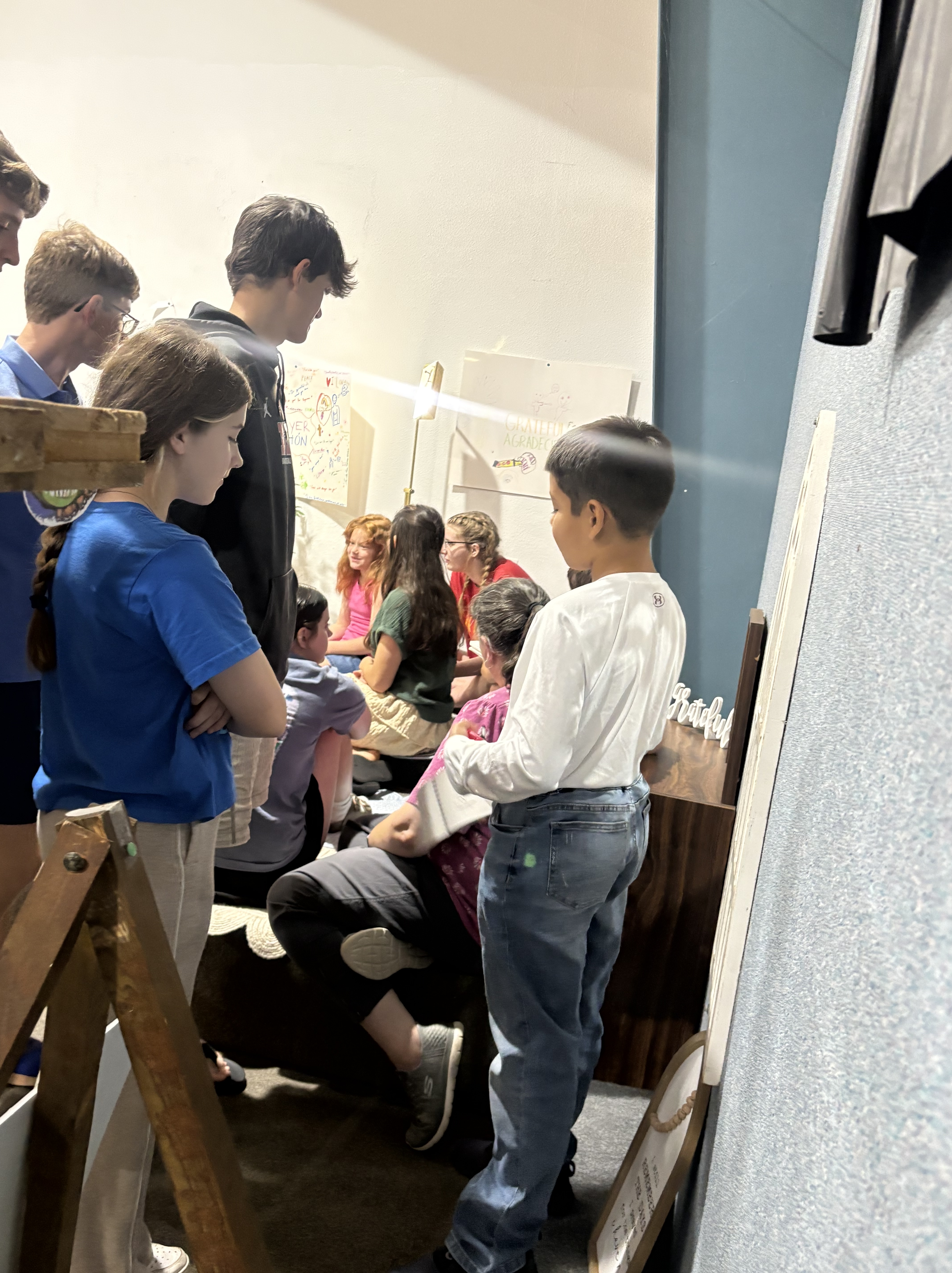
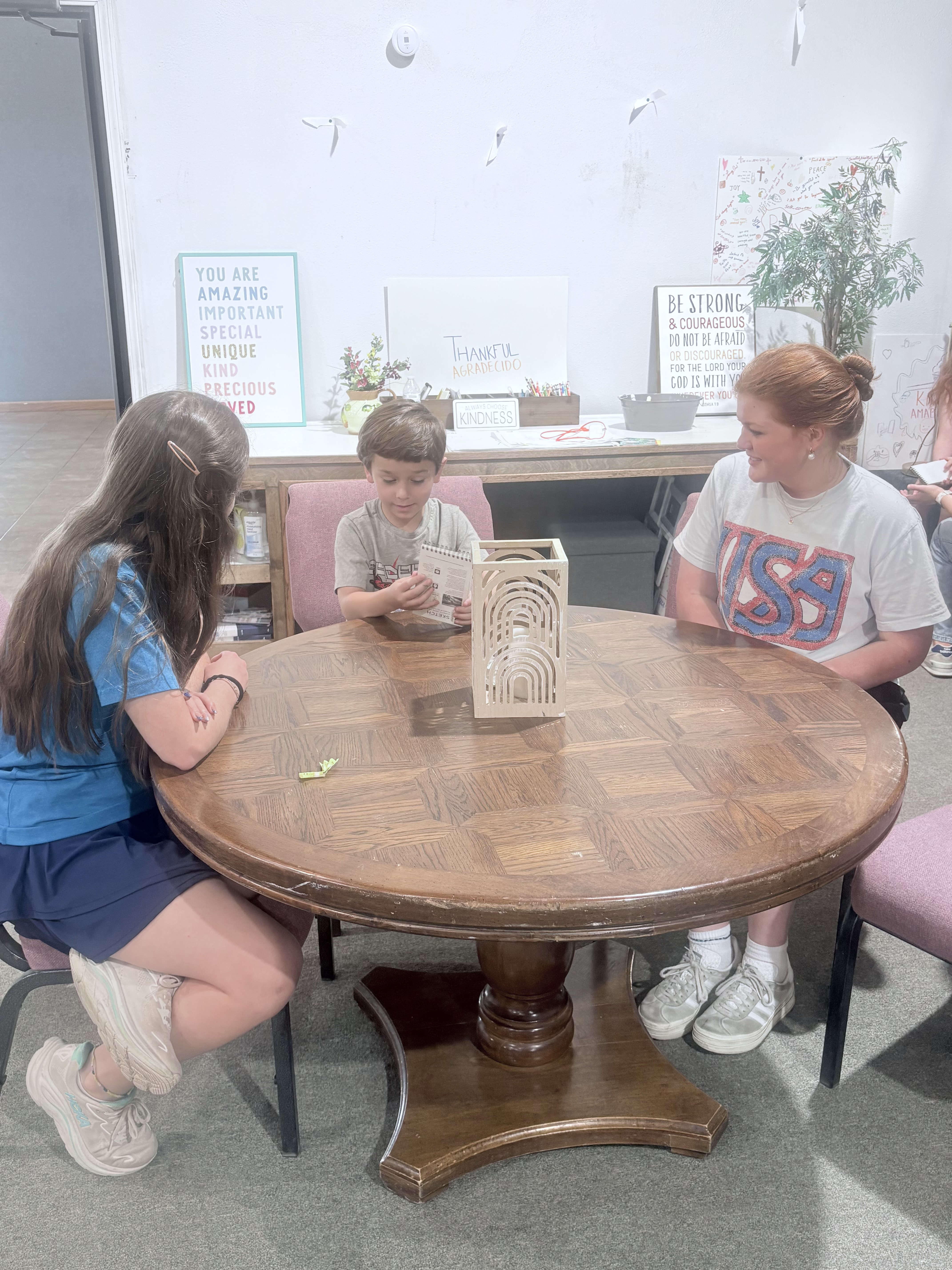
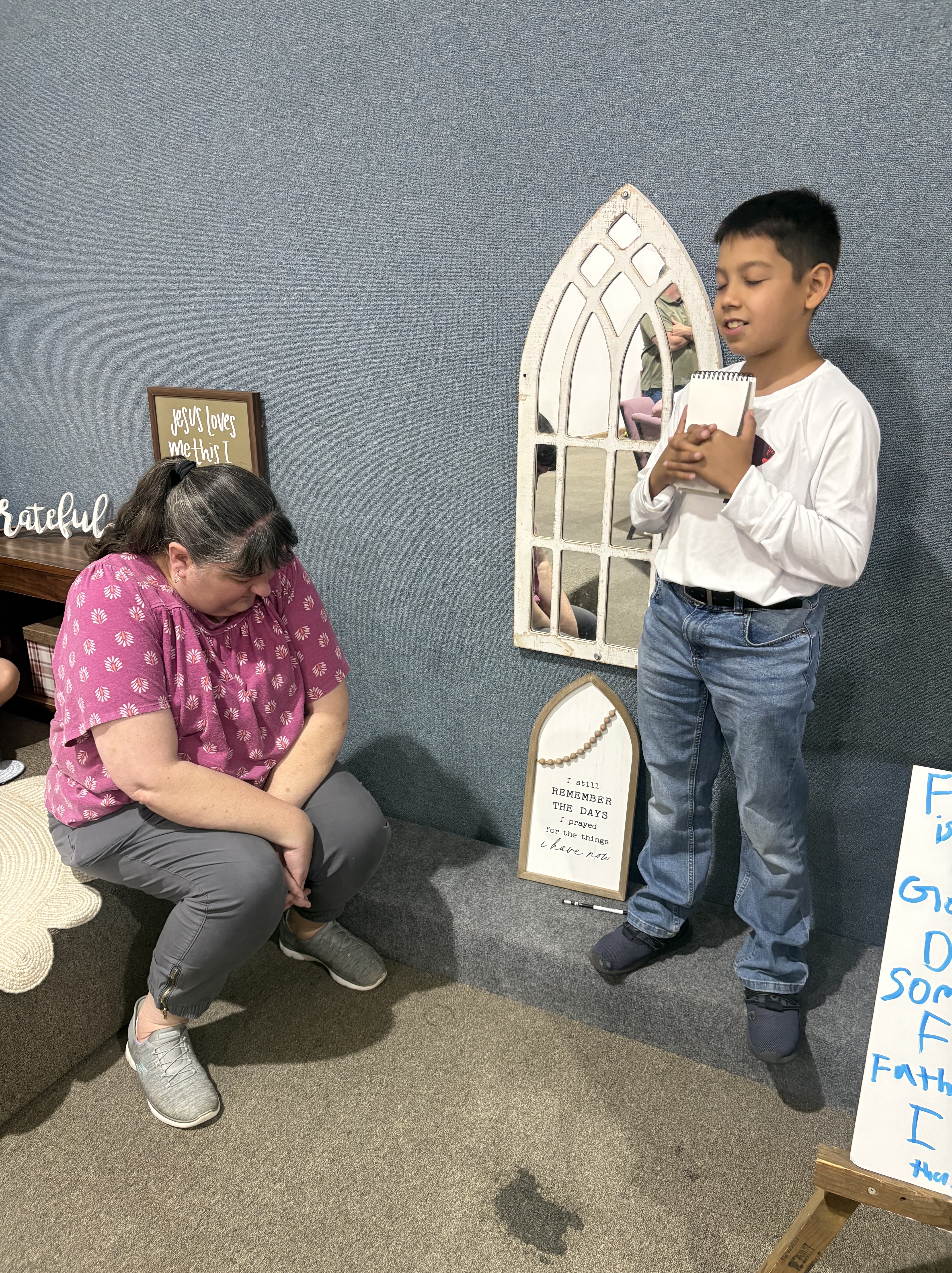
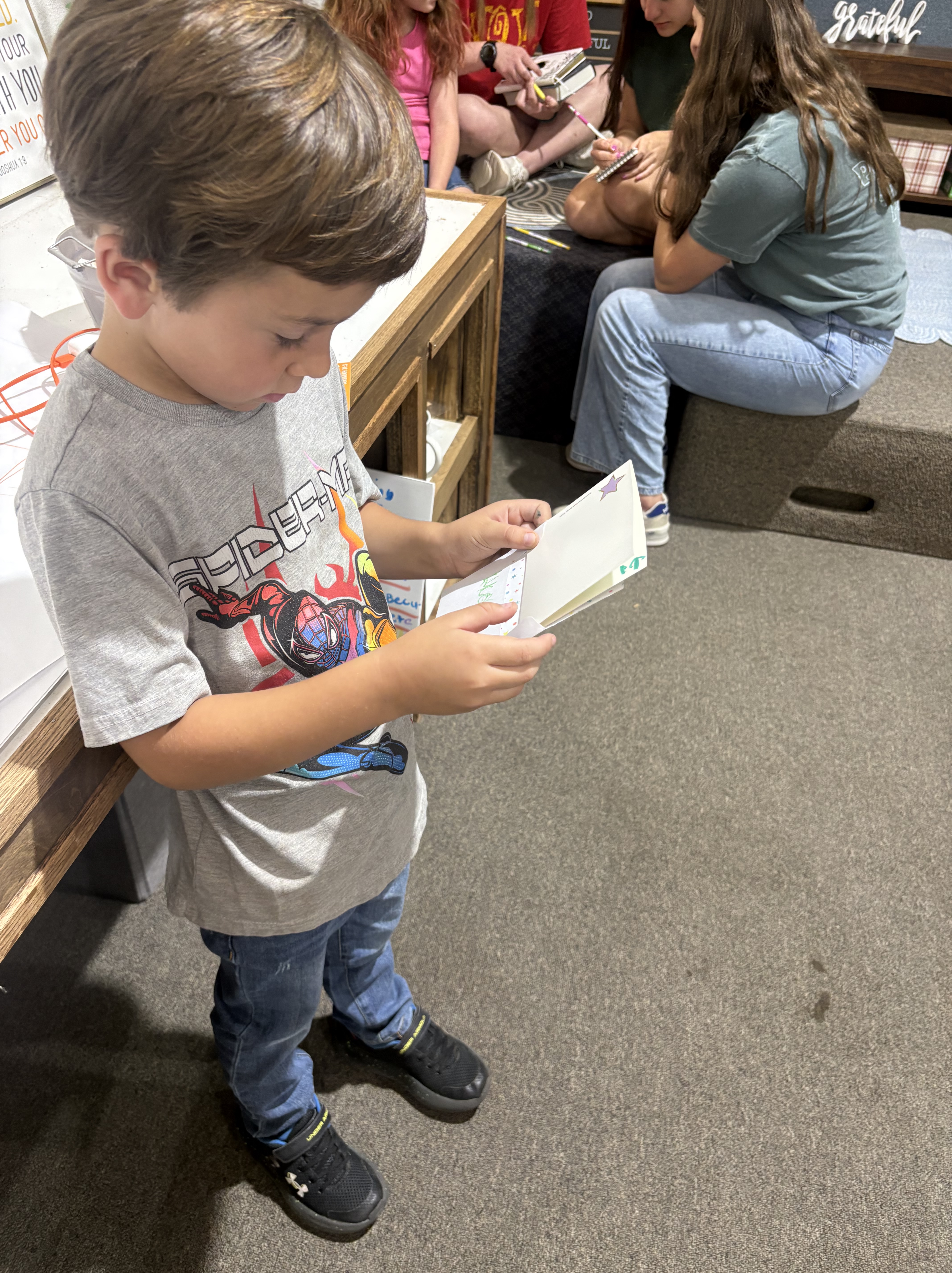
Patti Rivas shared a story with Nurturing Care about Sandia Valley Nazarene Church and their ability to create space through their God’s place, their prototype in Albuquerque.
Rivas reports: “Our children became missionaries to a group of teens visiting us for the week from Oklahoma actually, a Methodist congregation. The group will be doing mission work here in Albuquerque. Our kids gave a “tour” of God’s Place to include offering prayer, giving examples of how to write letters of gratitude and also shared their hearts with items from their sketchpads and their journals when they spent time with God. The kids also went as far as asking if the teens wanted to do any of those activities because that’s how they spoke to God and they were hoping that the teens could do the same.”
I overheard one of the adult leaders share with a group of how amazing that the kids had this space and the ministry provides something that they can duplicate at their church. However, what proved more important is the kids building their relationship with the Lord.
The young children were active in Discipling and Evangelizing!
Patti concludes: “thank you for your support and vision as we nurture this space for our children and beyond.” Actually Nurturing Care gives thanks to God for the creativity and hospitality at Sandia Valley.
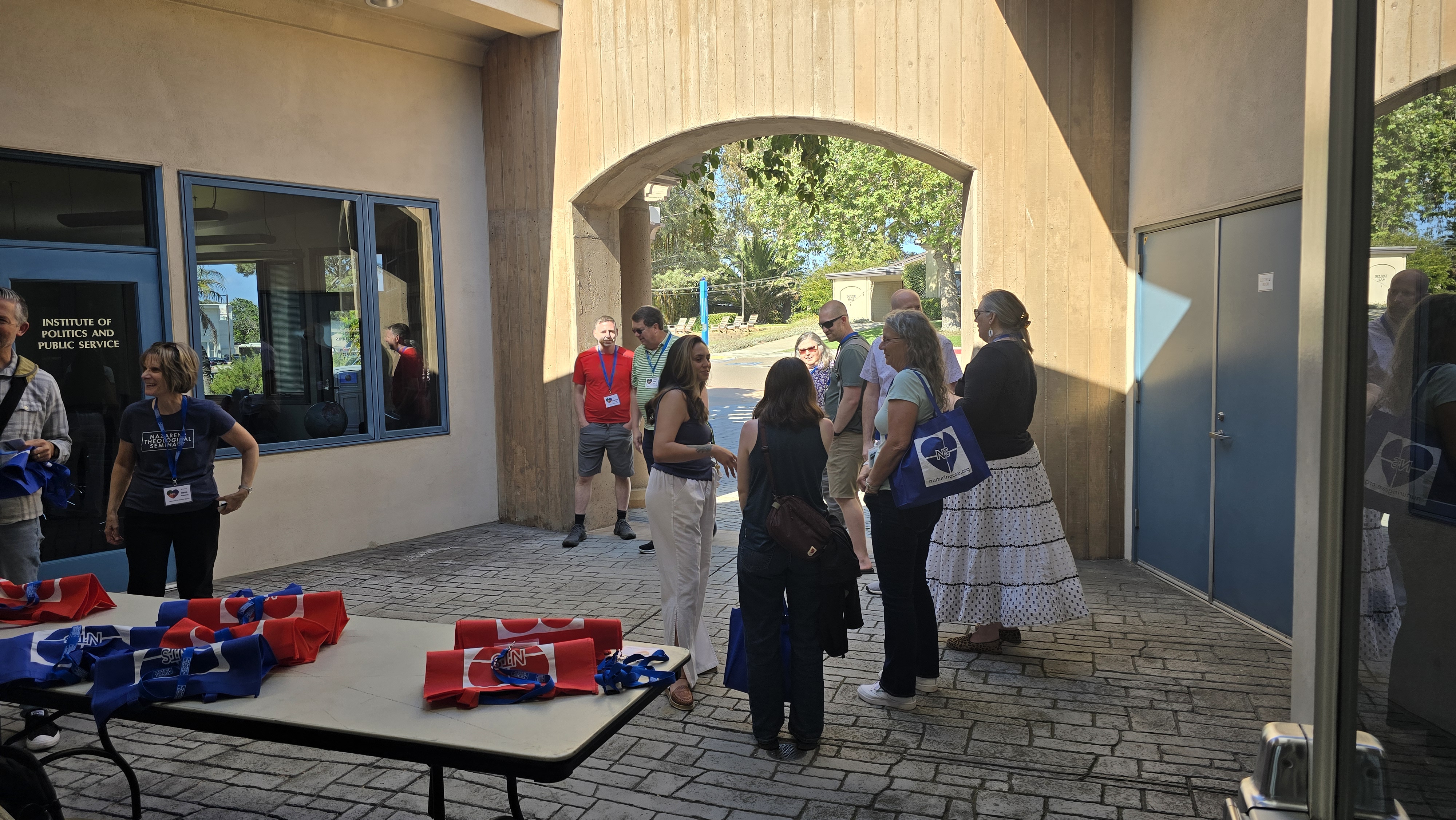
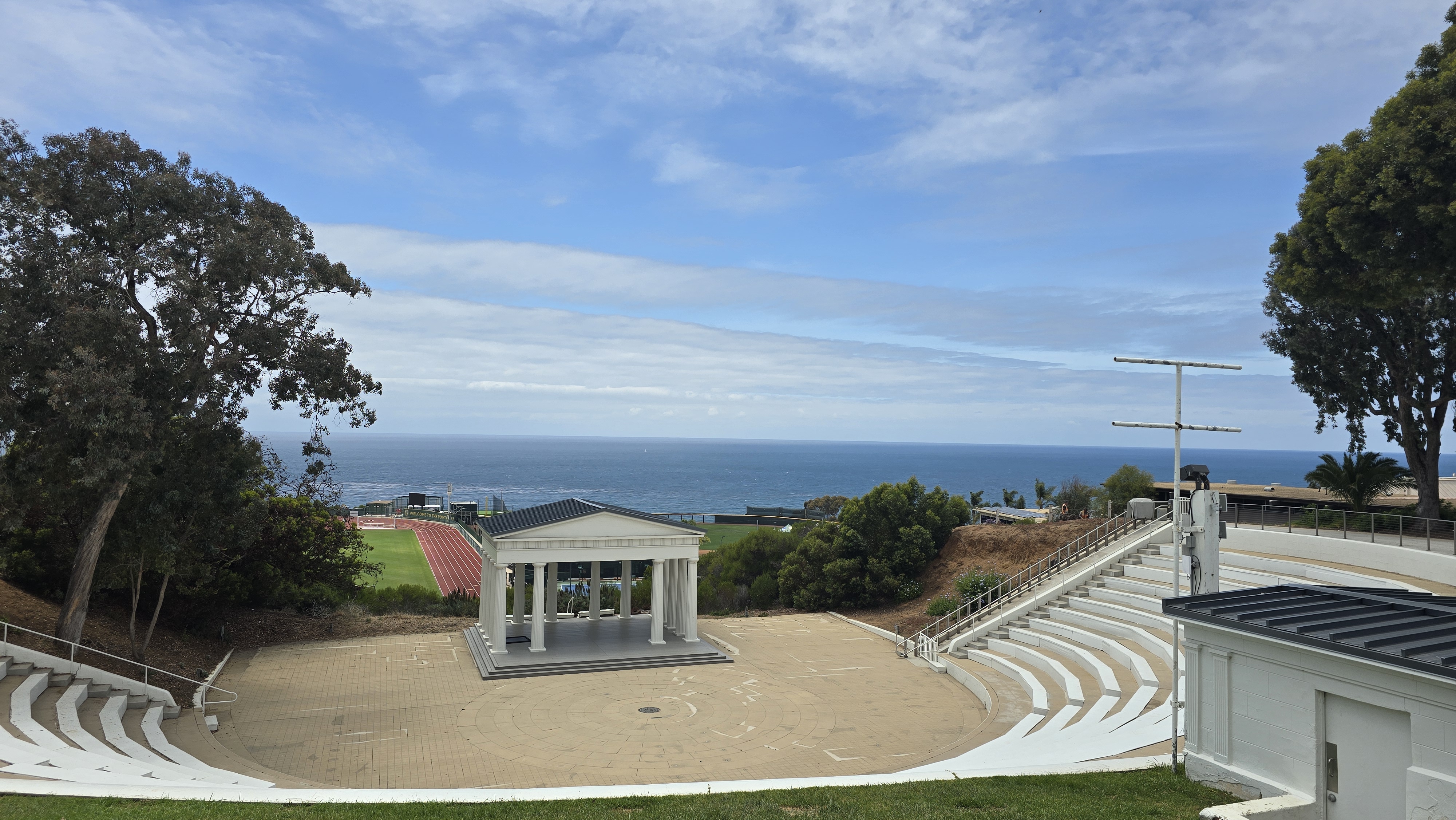
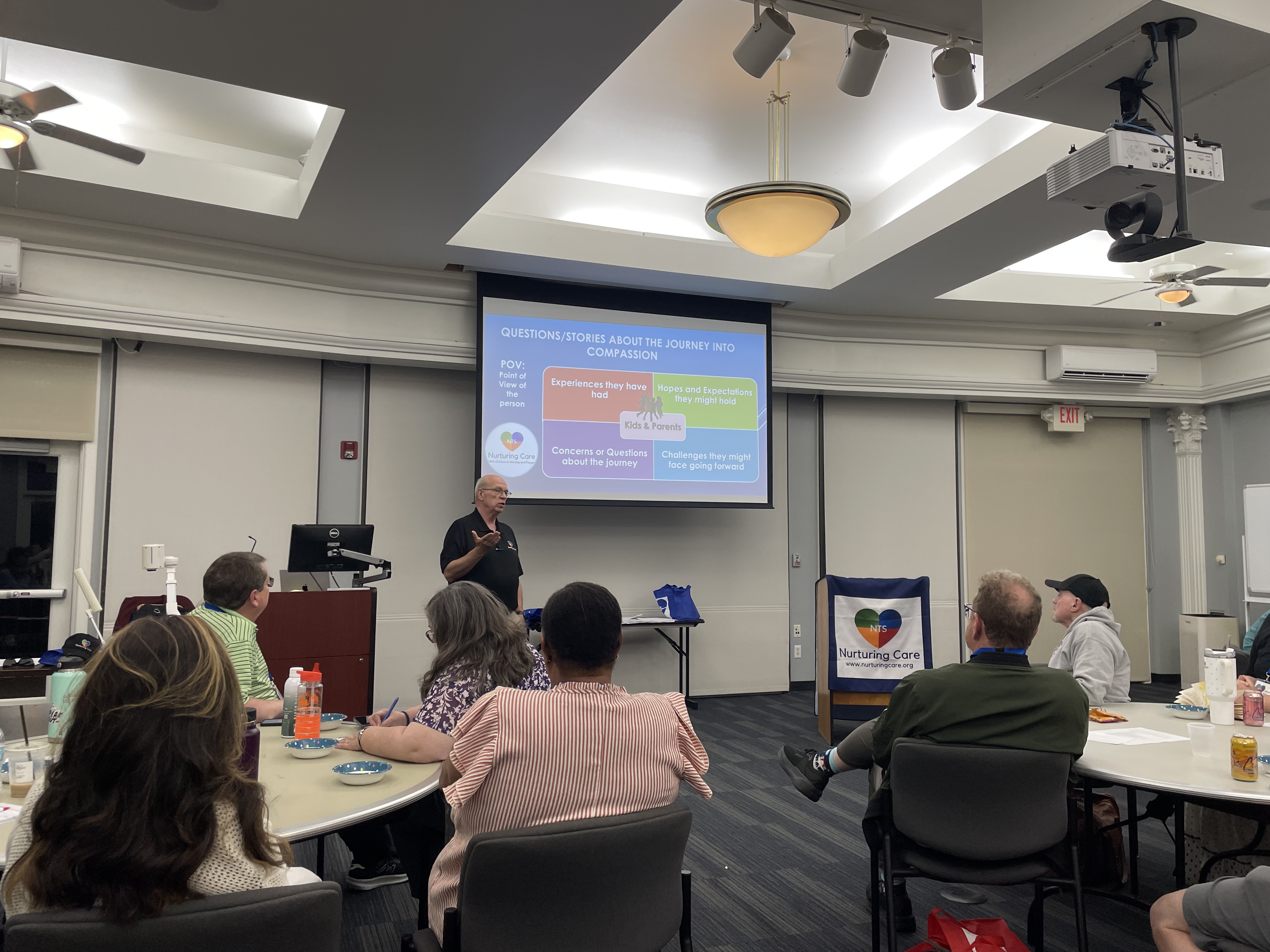
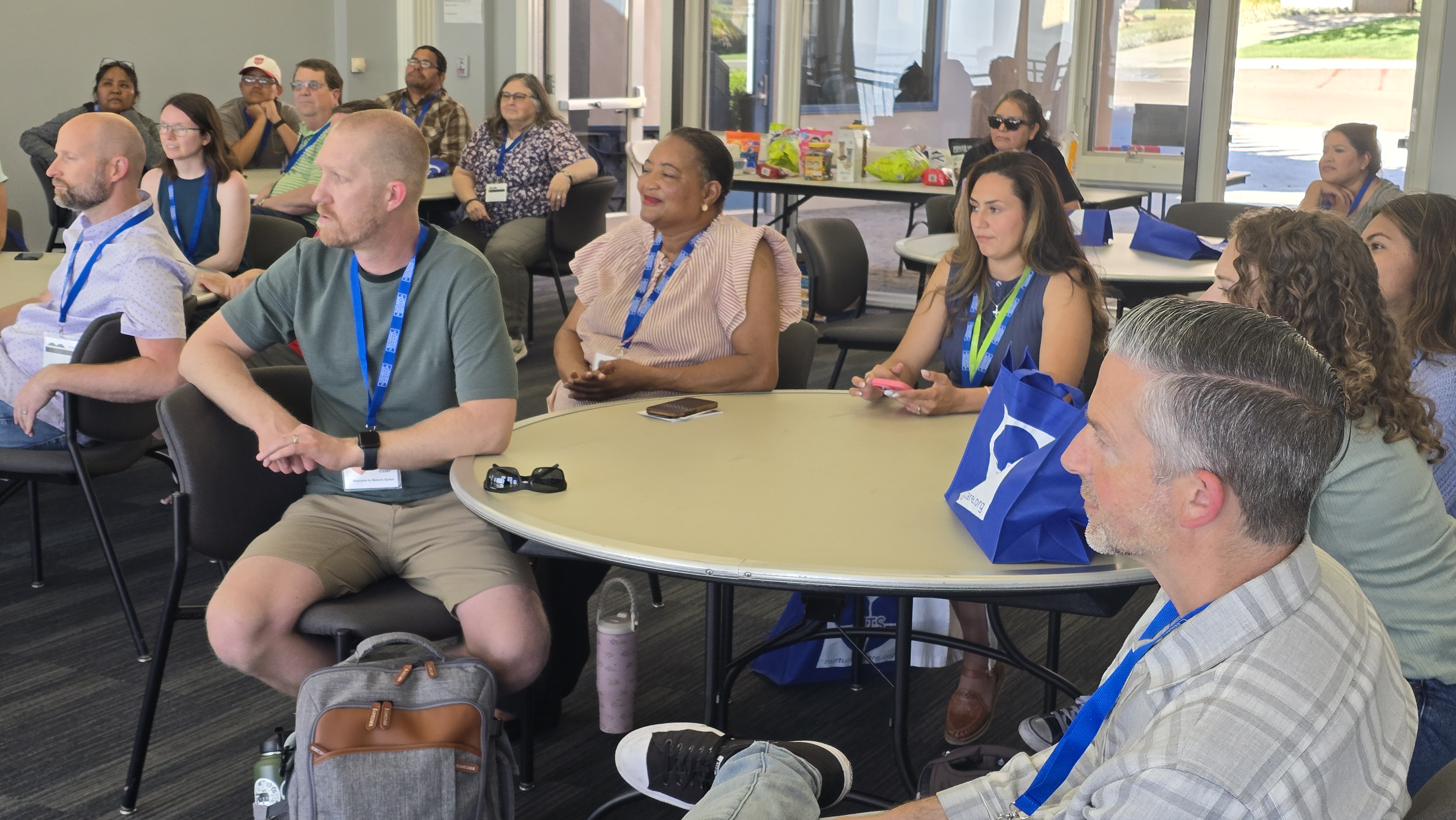
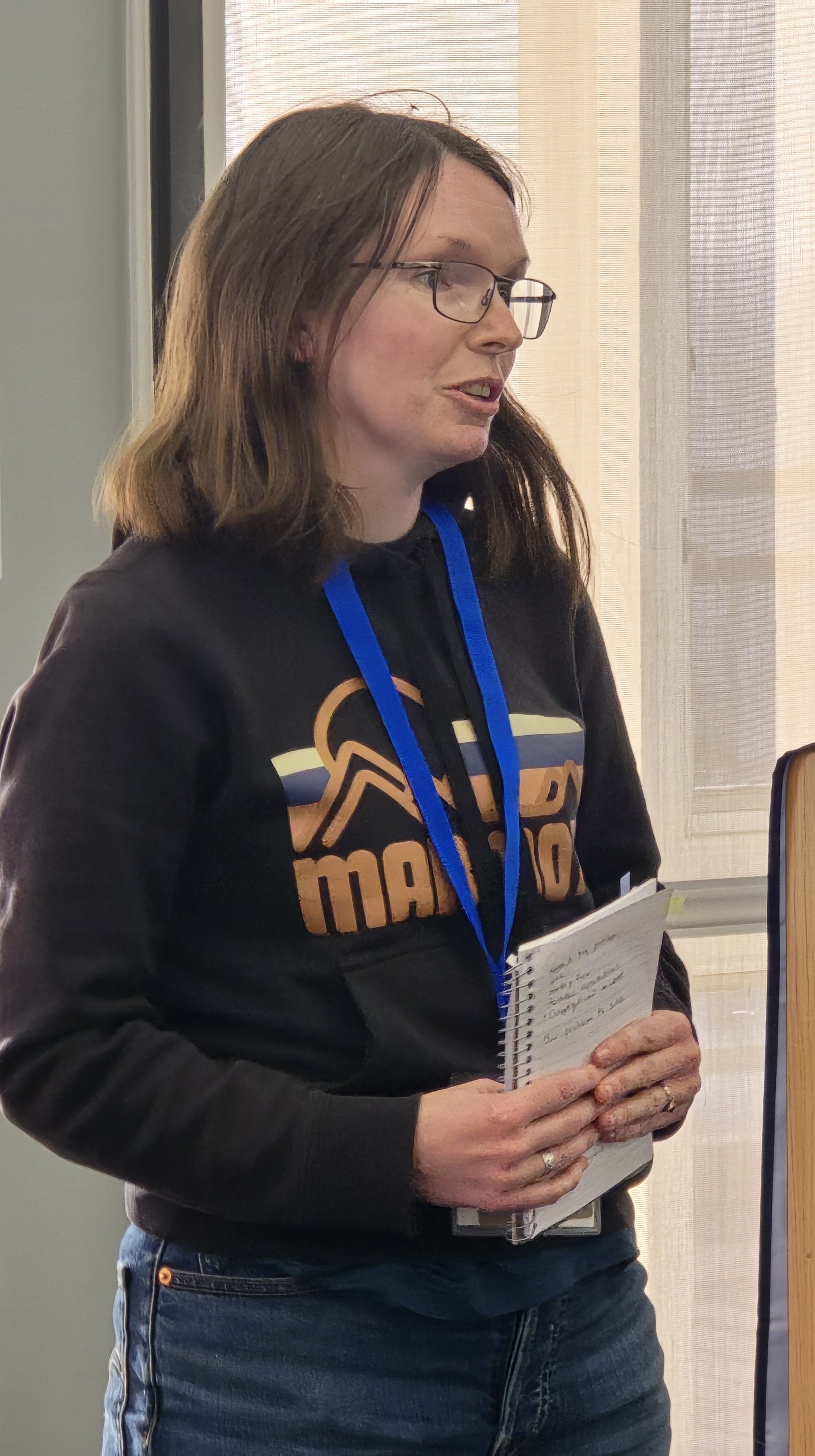
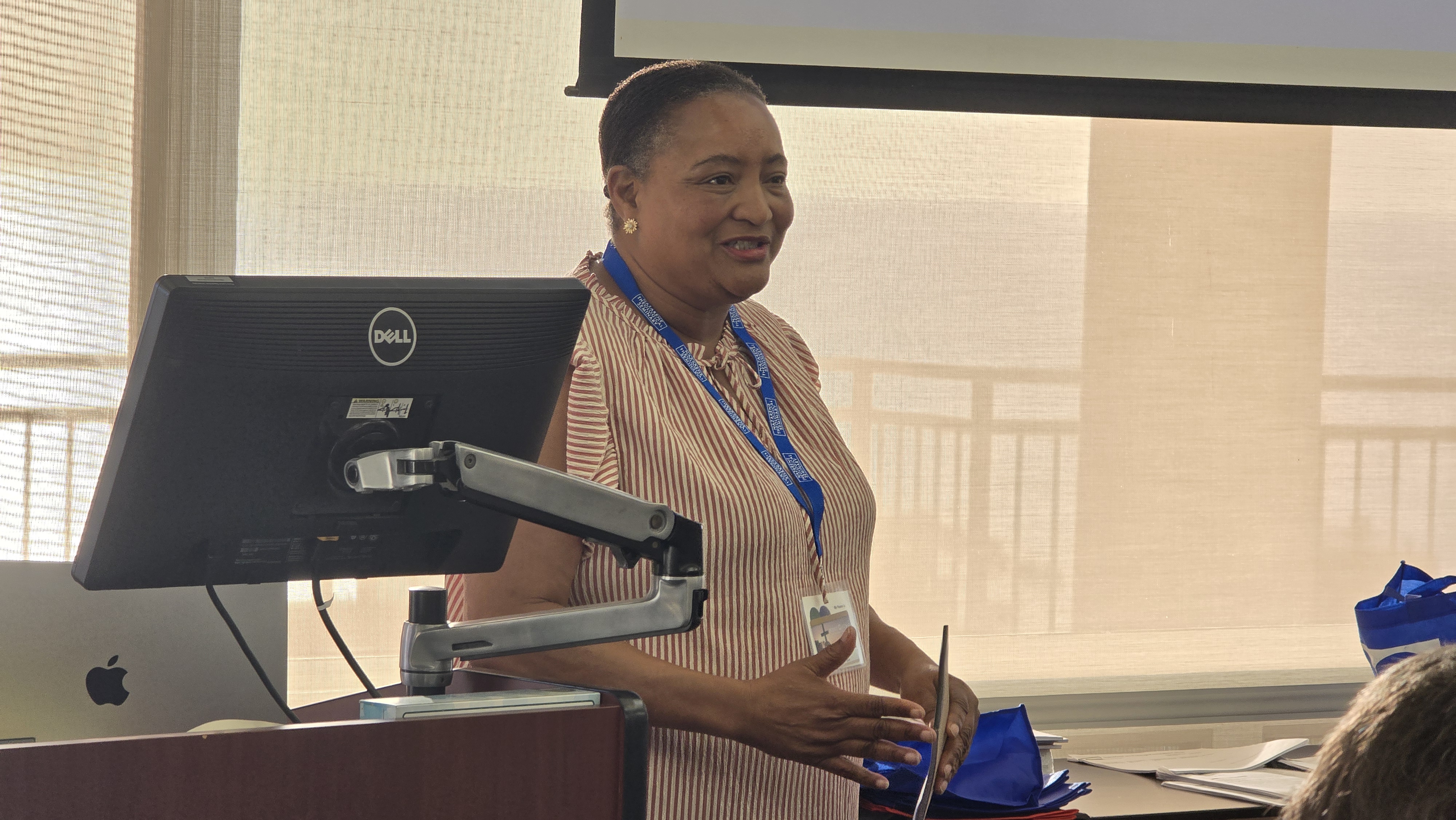
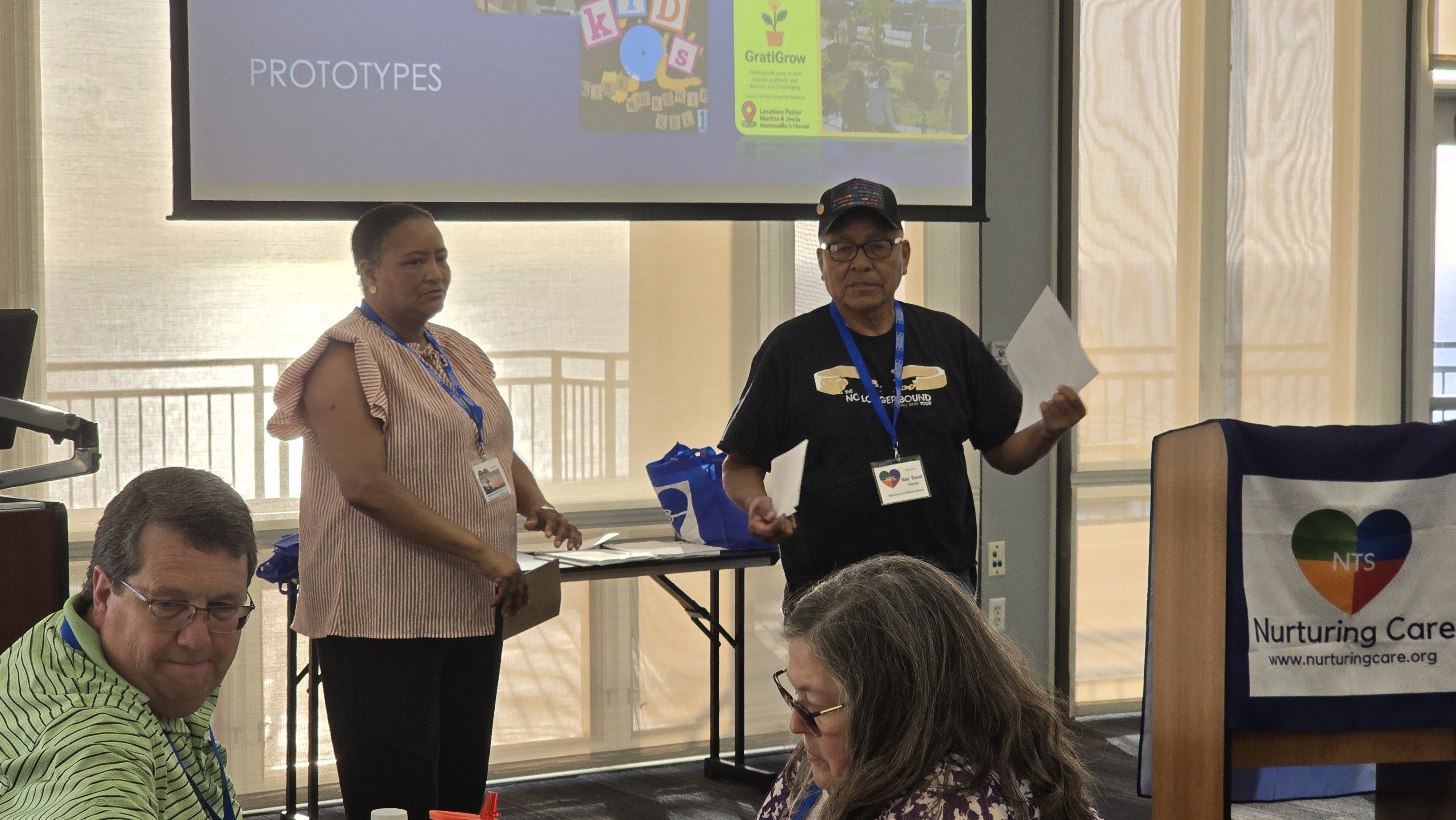
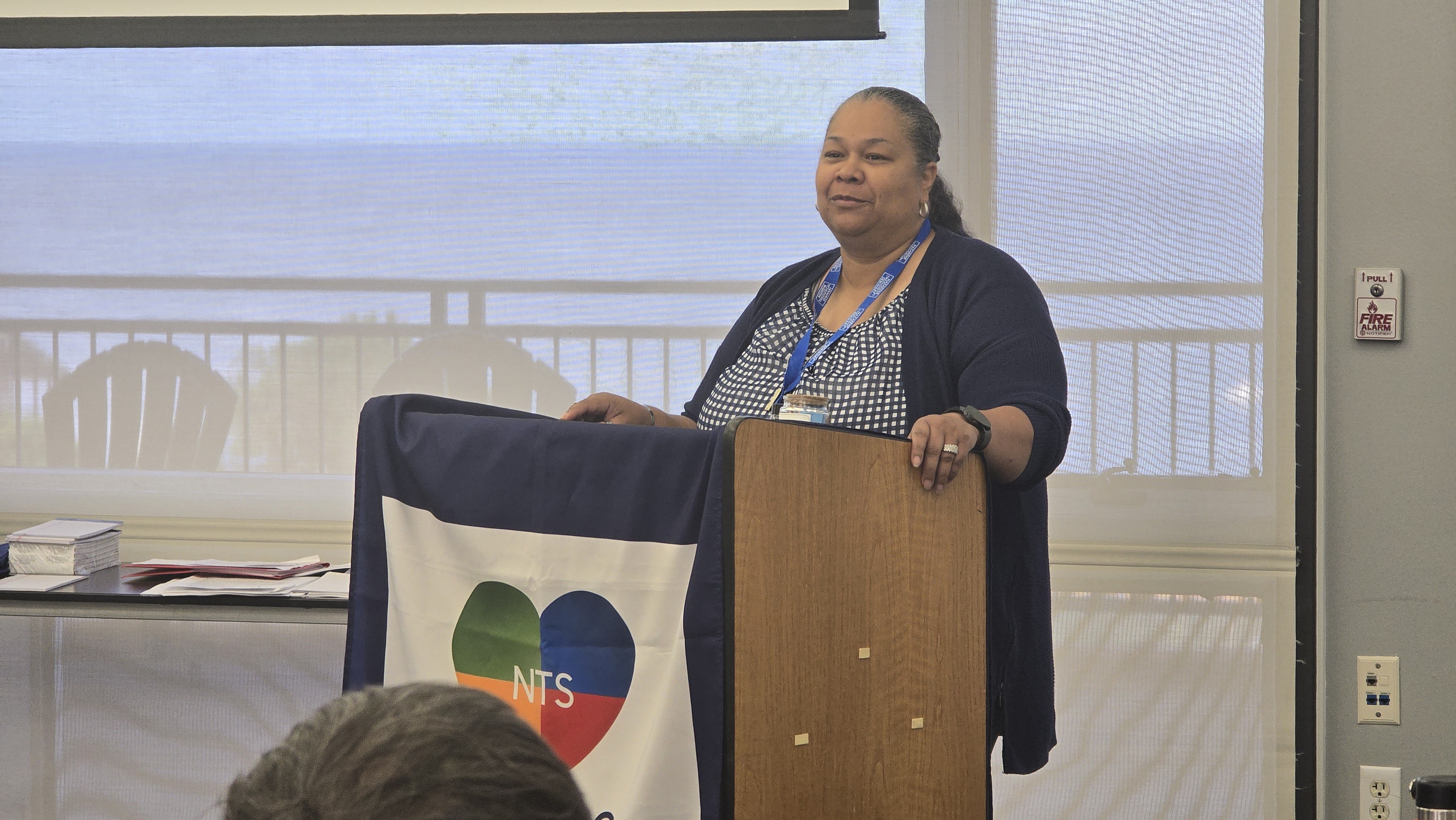
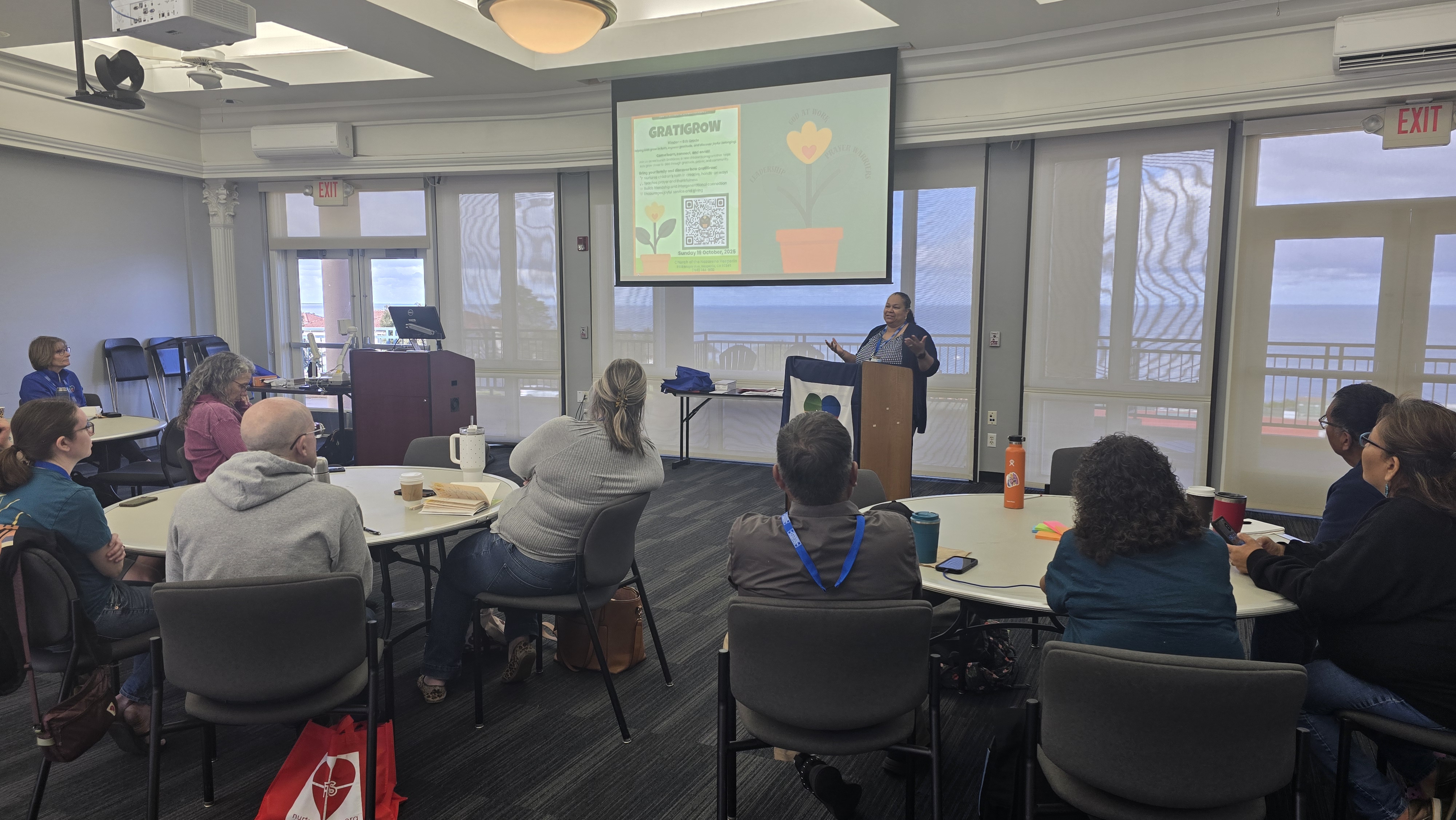
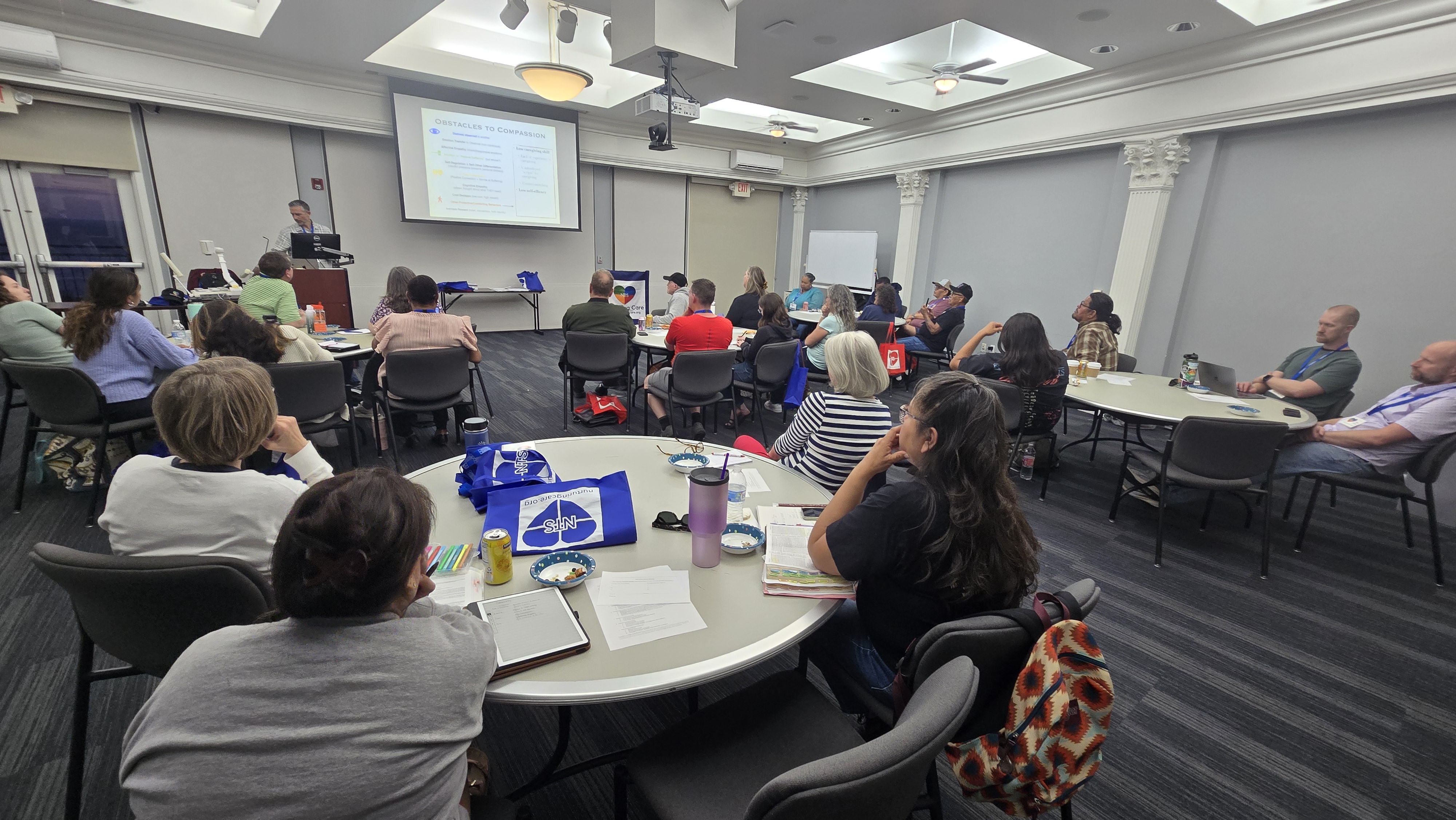
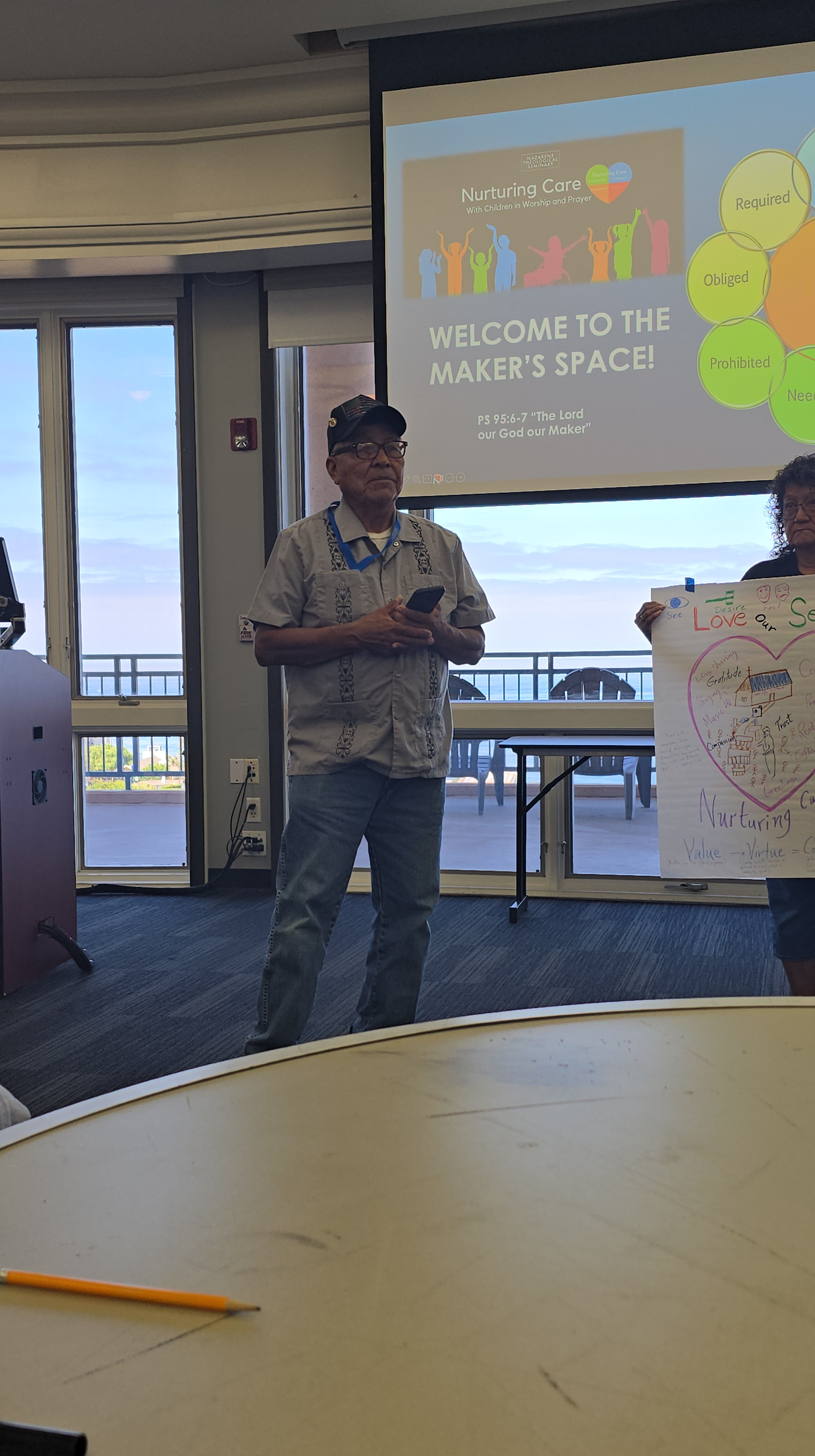
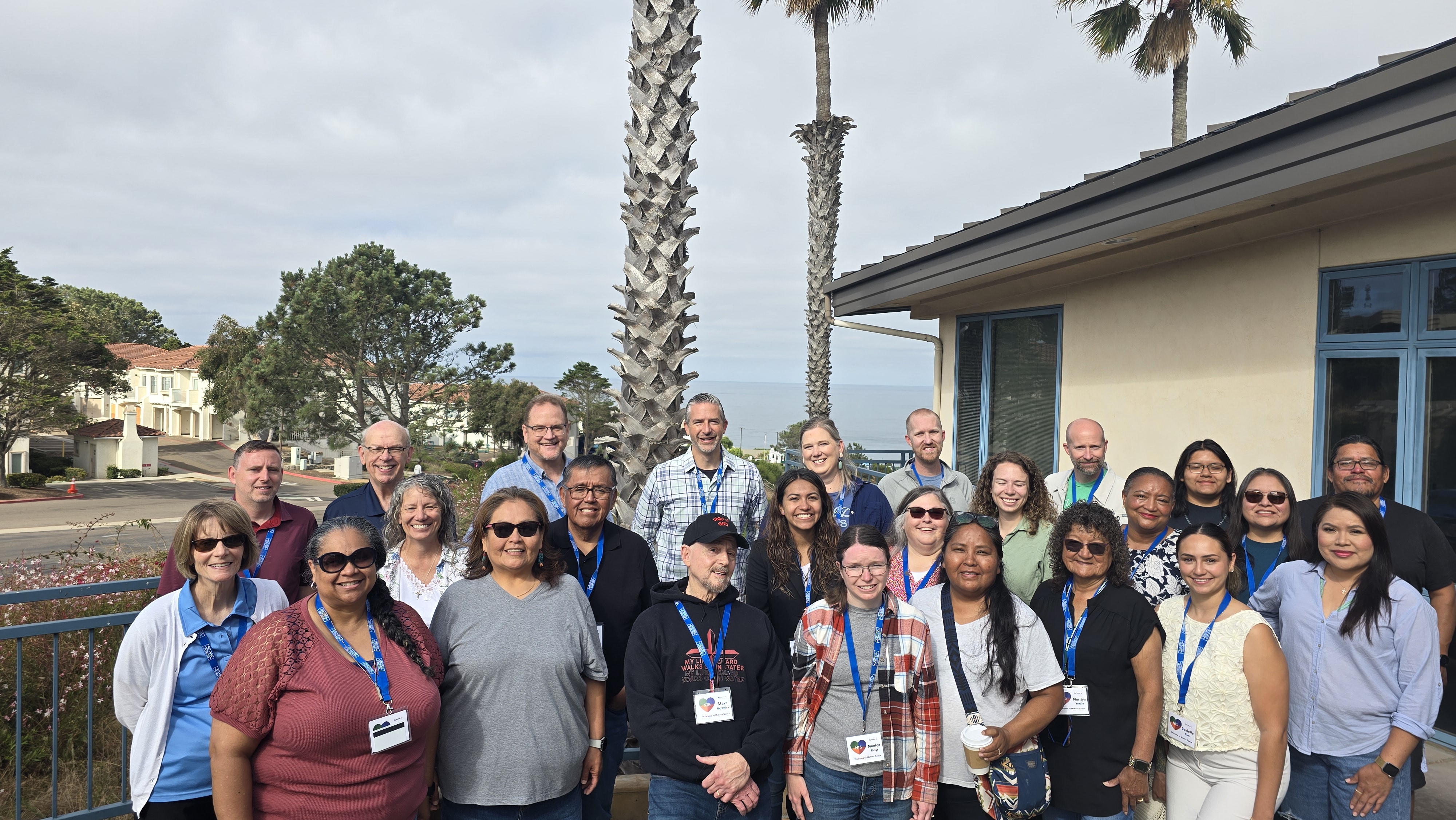
Ministry Leaders from across the western United States gathered this spring for the 2026 West Coast Maker’s Space Retreat, a collaborative initiative by Nurturing Care that brings churches together to develop innovative ministry prototypes centered on children, worship, spiritual formation, and congregational renewal. Hosted with Point Loma Nazarene University’s Center for Pastoral Leadership in San Diego, the retreat provided participants an opportunity to share progress, learn from one another, and explore this year’s central theme: compassion.
The Maker’s Space model encourages churches to move beyond traditional programming by creating experimental ministry prototypes that empower children as active participants in worship and prayer. Throughout the year, congregations have developed projects ranging from bilingual worship resources and prayer spaces to prayerful community service initiatives and intergenerational ministry. Their work reflects a growing conviction across the West Coast Nurturing Care network: children are not merely recipients of ministry but vital contributors to the spiritual life of the church.
Churches Report Growing Impact
Several congregations arrived at Maker’s Space with stories demonstrating how their prototypes are already shaping church culture.
At Palmer Family Church of the Nazarene, Monica and Johnathan Gaige reported that children’s participation in worship continues to transform congregational life. One particularly moving story involved a student facing difficult circumstances at home who chose to join the worship team and play trumpet during a congregational worship service. Church leaders observed that as children gain confidence and ownership in worship, their enthusiasm becomes contagious, influencing adults throughout the congregation.
The Tendershoot Trust Walk initiative, serving Native American communities, emphasized trust-building through worship and public participation. Children were encouraged to sing, recite scripture, serve as ushers, and pray publicly during district gatherings. Patti Rivas and KayGene Yazzi described moments when children confidently stepped into unexpected leadership opportunities including ministering to visiting children, demonstrating a growing sense of spiritual confidence while inspiring adults across multiple congregations.
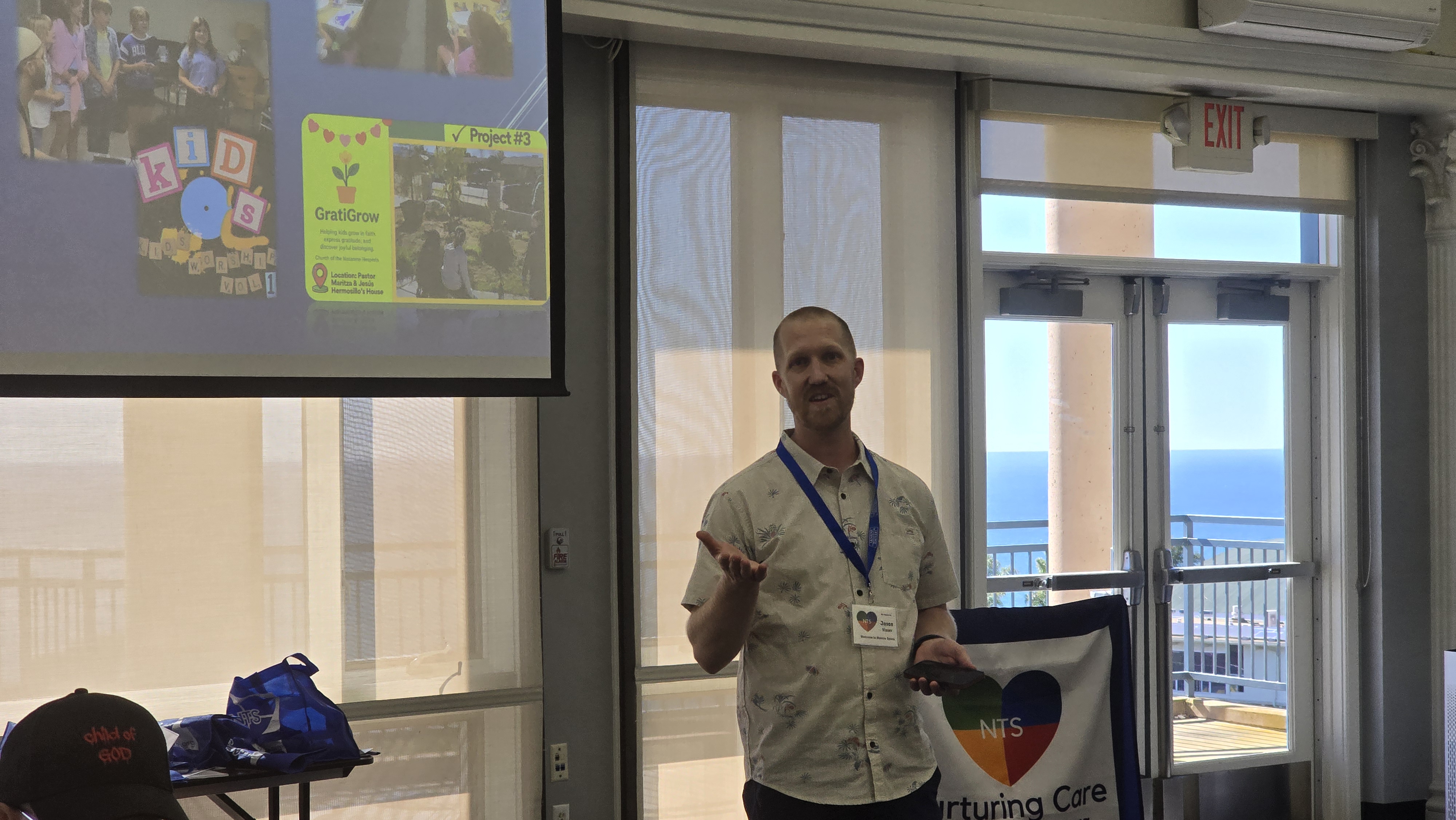
In Southern California, the GratiGrow Projectfocused on cultivating trust through service. Youth volunteers partnered with families to assist community members with practical needs, including helping a pastor with physical limitations. Lucia Babb noted the outreach drew participation from children who had never previously engaged in church activities and fostered meaningful conversations about serving others. Parents reported that their children returned home proud of their contributions and eager to participate again.
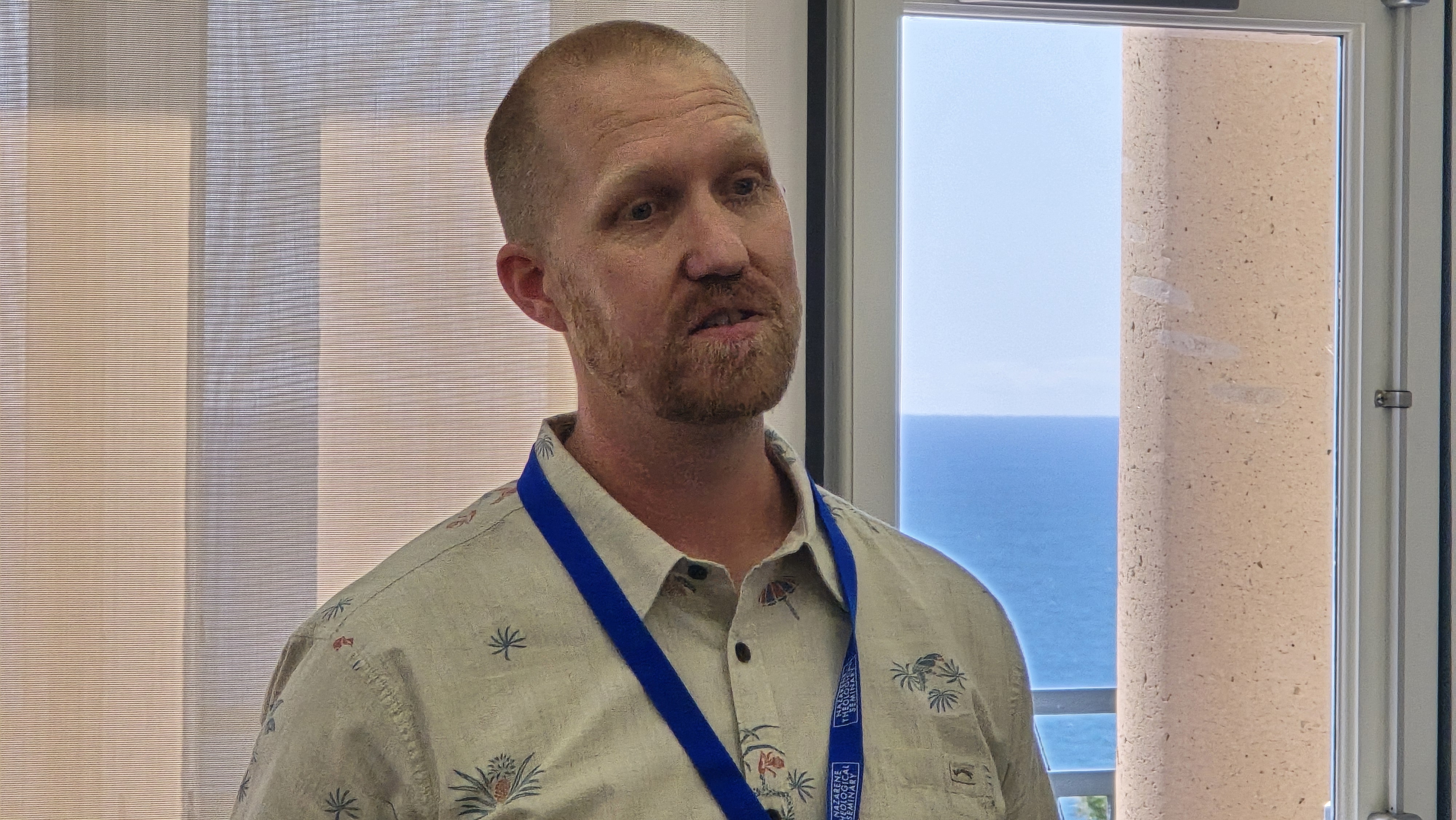
At Bend Church of the Nazarene, innovation took the form of music. The church released its first children’s worship album, Kids Worship, Vol. 1, while simultaneously preparing Spanish-language and bilingual versions. Jason Visser reported that the project has become a powerful symbol of belonging and inclusion, allowing children from English- and Spanish-speaking families to worship together. Bend also invested in emerging young leaders, including a college-aged videographer whose participation in the project affirmed his vocational calling to media and film production. Congregants reported emotional responses from bilingual children who felt seen and valued when worship resources reflected their language and culture.
Compassion Becomes the Common Thread
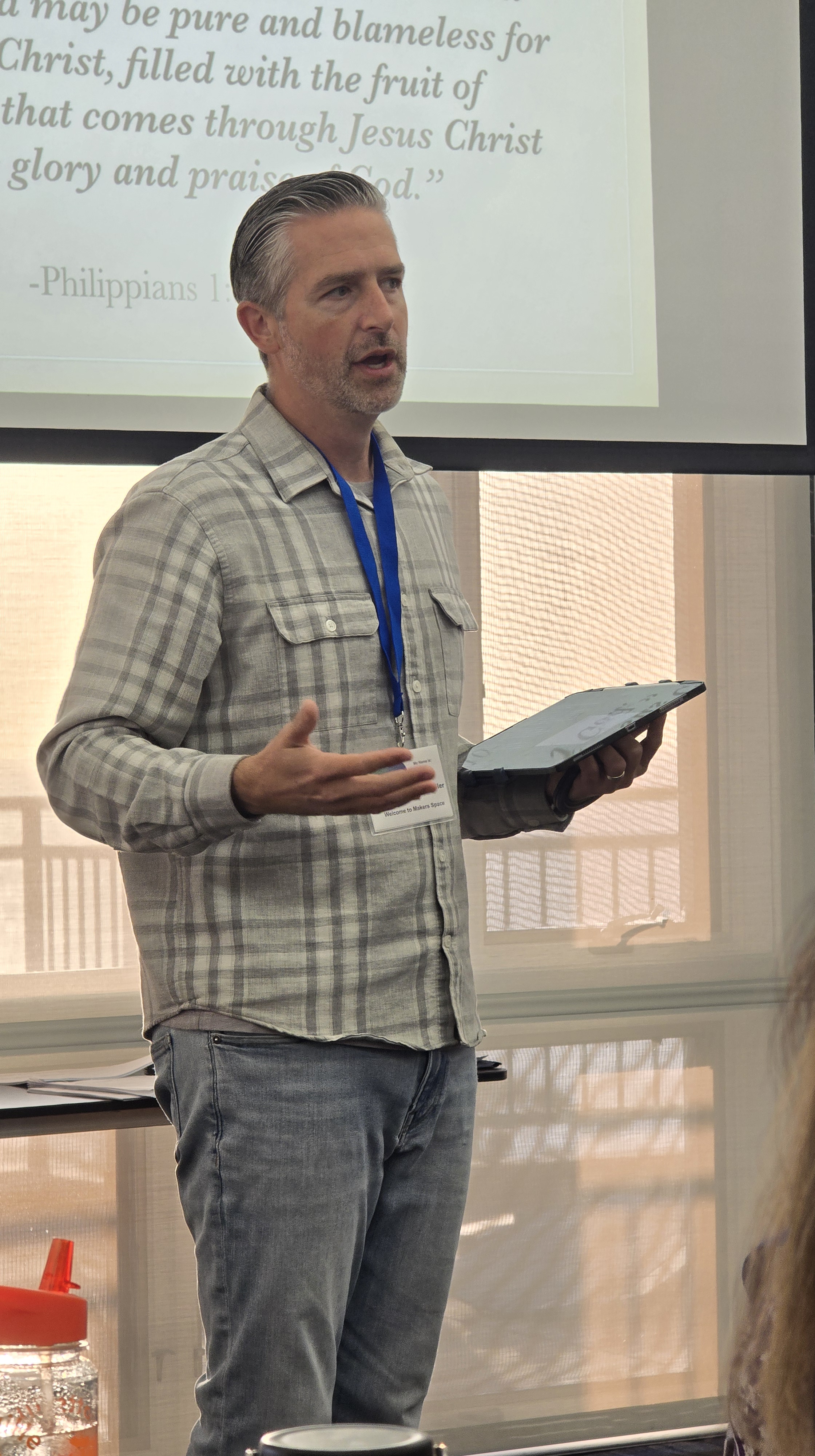
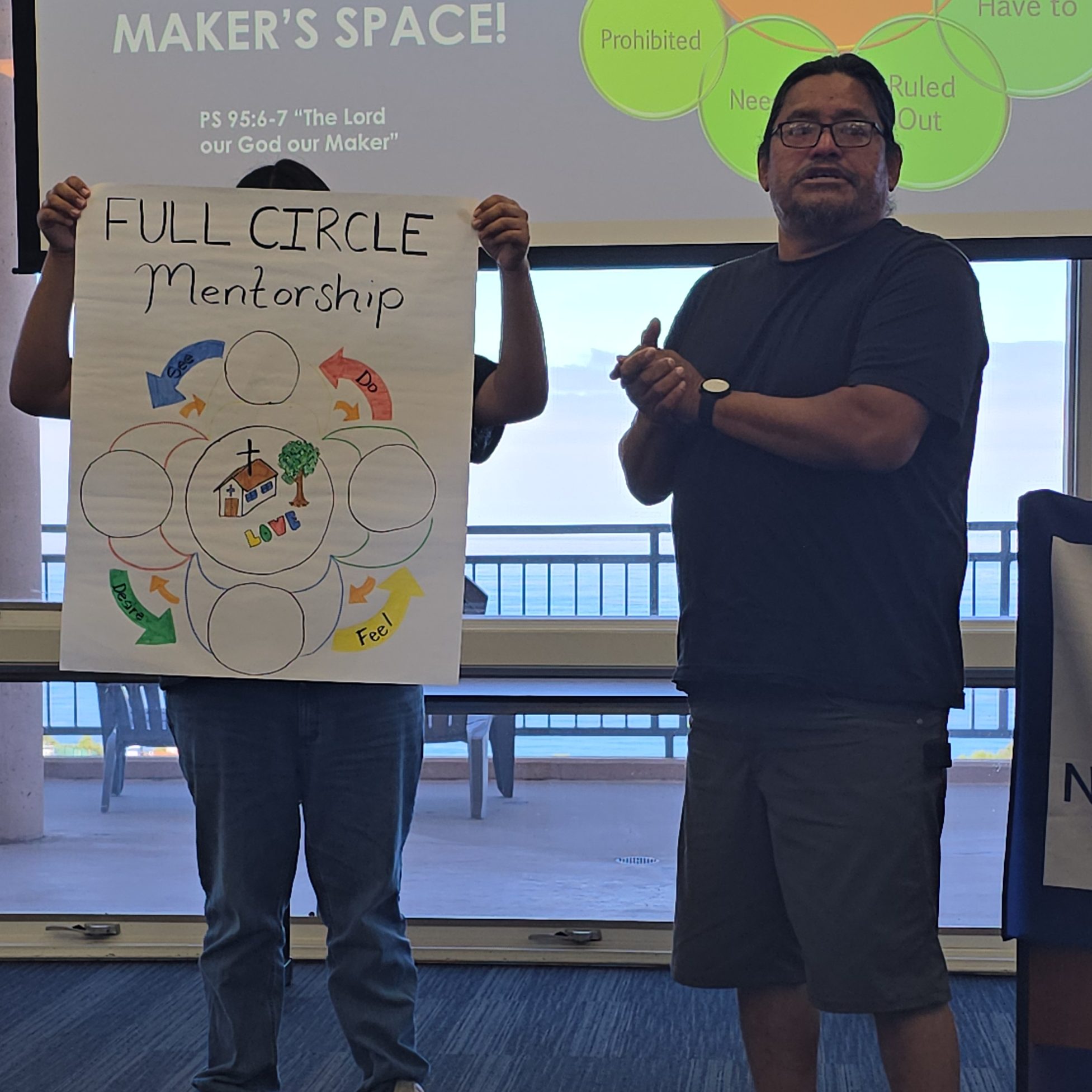
The retreat’s central theme of compassion emerged as more than a ministry topic—it became a framework for understanding how churches can nurture spiritual growth. During presentations, Dr. Ross Oakes Mueller of Point Loma Nazarene University explored compassion through the lens of virtue science, describing it as a movement from seeing, to desiring, to feeling, and ultimately to action. Participants examined practical strategies for cultivating compassion, including storytelling, gratitude practices, perspective-taking, mentorship, reducing fear-related barriers, and creating opportunities for meaningful service. The emphasis challenged churches to move beyond compassion as a feeling and toward compassion as a practiced virtue embedded in congregational life.
New Proposals Point Toward the Future
Building on lessons learned during the first phase of Maker’s Space experimentation, participating churches unveiled a new collection of proposals aimed at deepening compassion throughout their communities. While the projects varied widely in approach and context, each proposal shared a common conviction: children possess unique gifts that can help congregations embody the compassion of Christ in tangible ways.
Seeds of Compassion
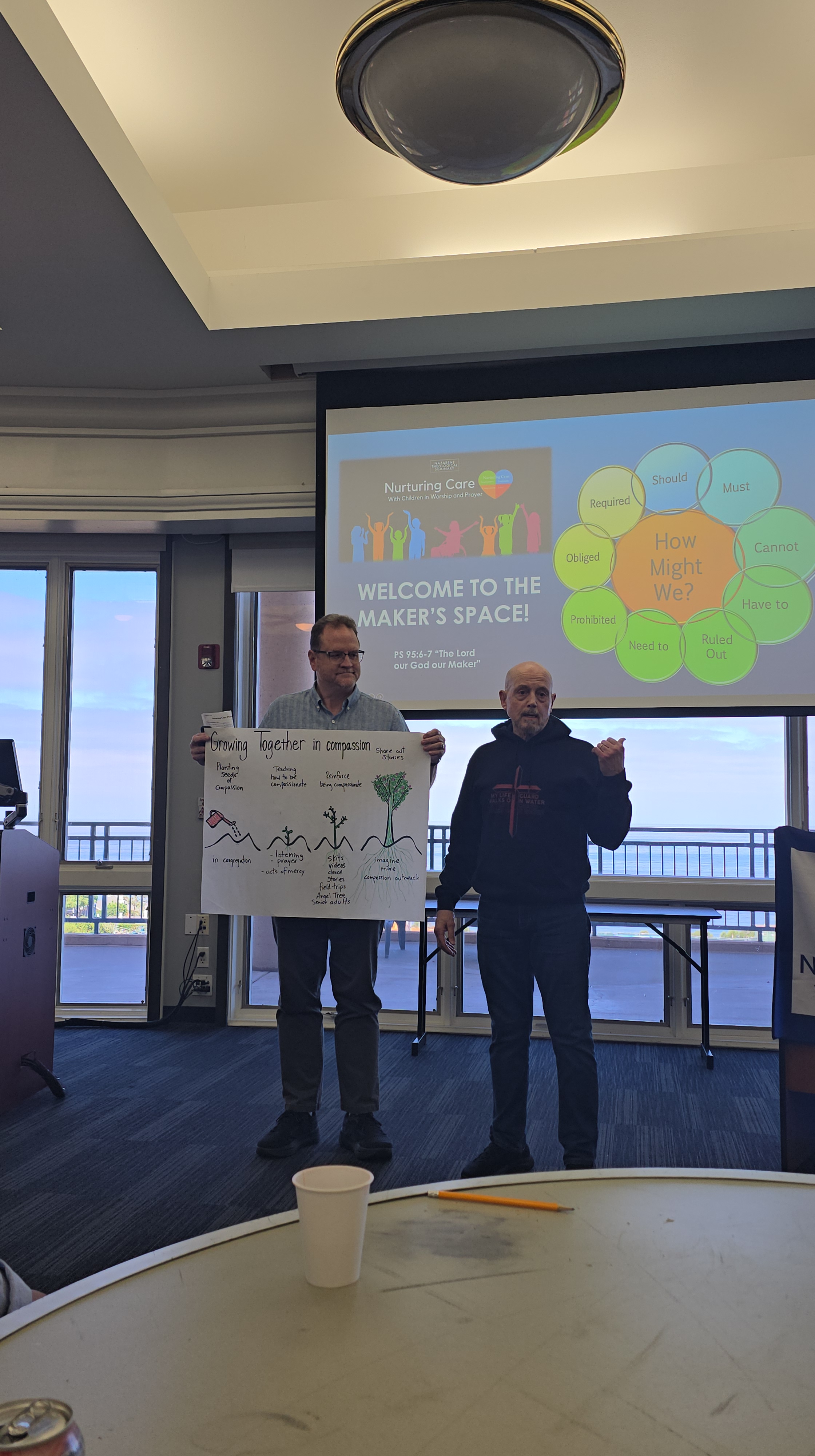
Salinas New Life Church proposed a church-wide effort to elevate compassion as a core Christian practice. Inspired by stories of children demonstrating spontaneous empathy, Tim King and Steve Hermann plan to develop sermon series, service opportunities, mentoring relationships, and family prayer practices planting seeds of compassion along the way. Children will be encouraged to lead compassion-focused initiatives while helping adults rediscover the virtue through their example.
Compassion Trail
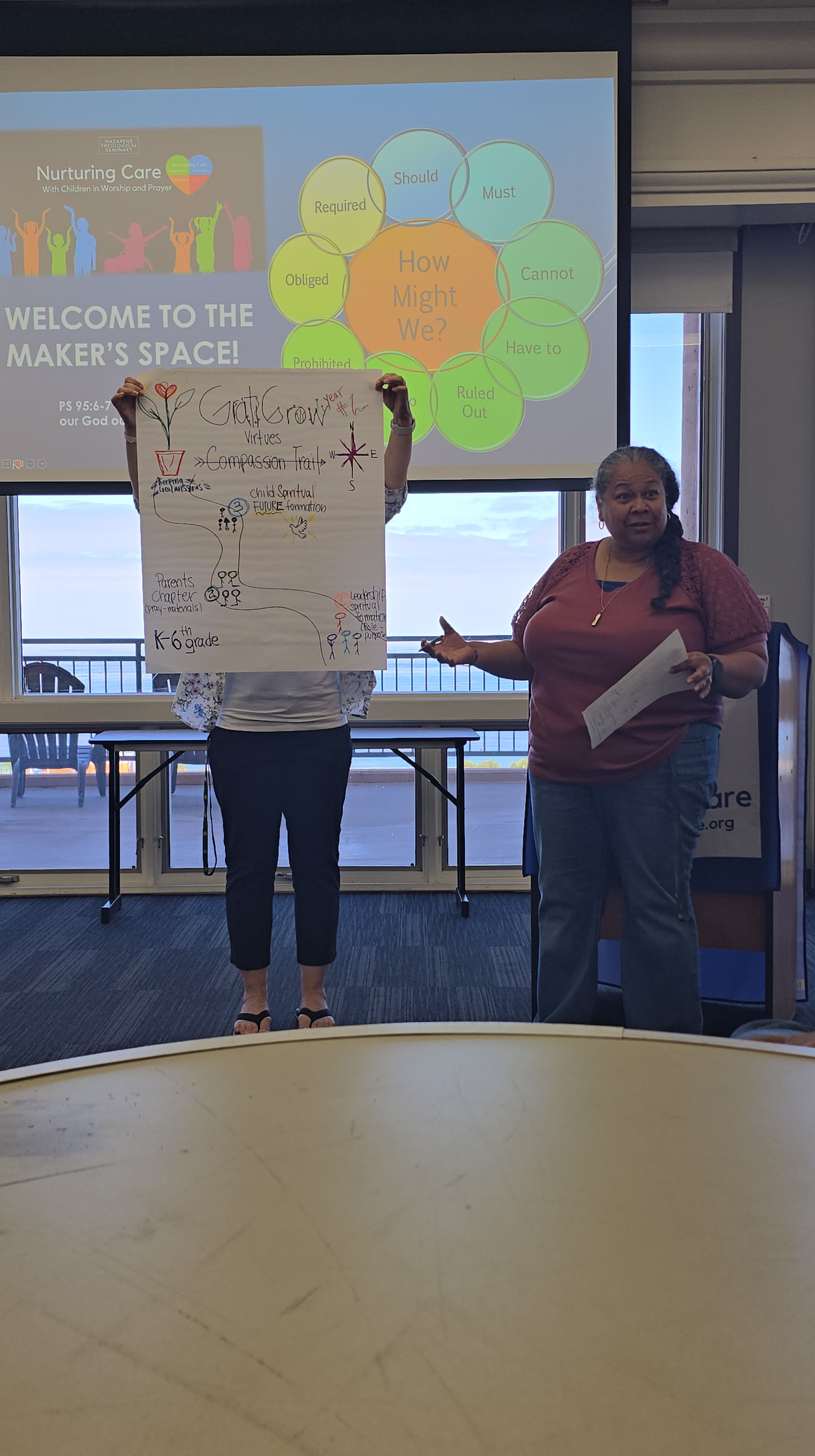
Lucia Babb’s Compassion Trail initiative seeks to create a virtual discipleship experience centered on leadership development, spiritual formation, and compassionate action. The program will include youth leadership opportunities, family participation resources, local mission projects, and practical lessons designed to help children understand who they are in Christ and how to demonstrate compassion in daily life.
Love Our Seniors
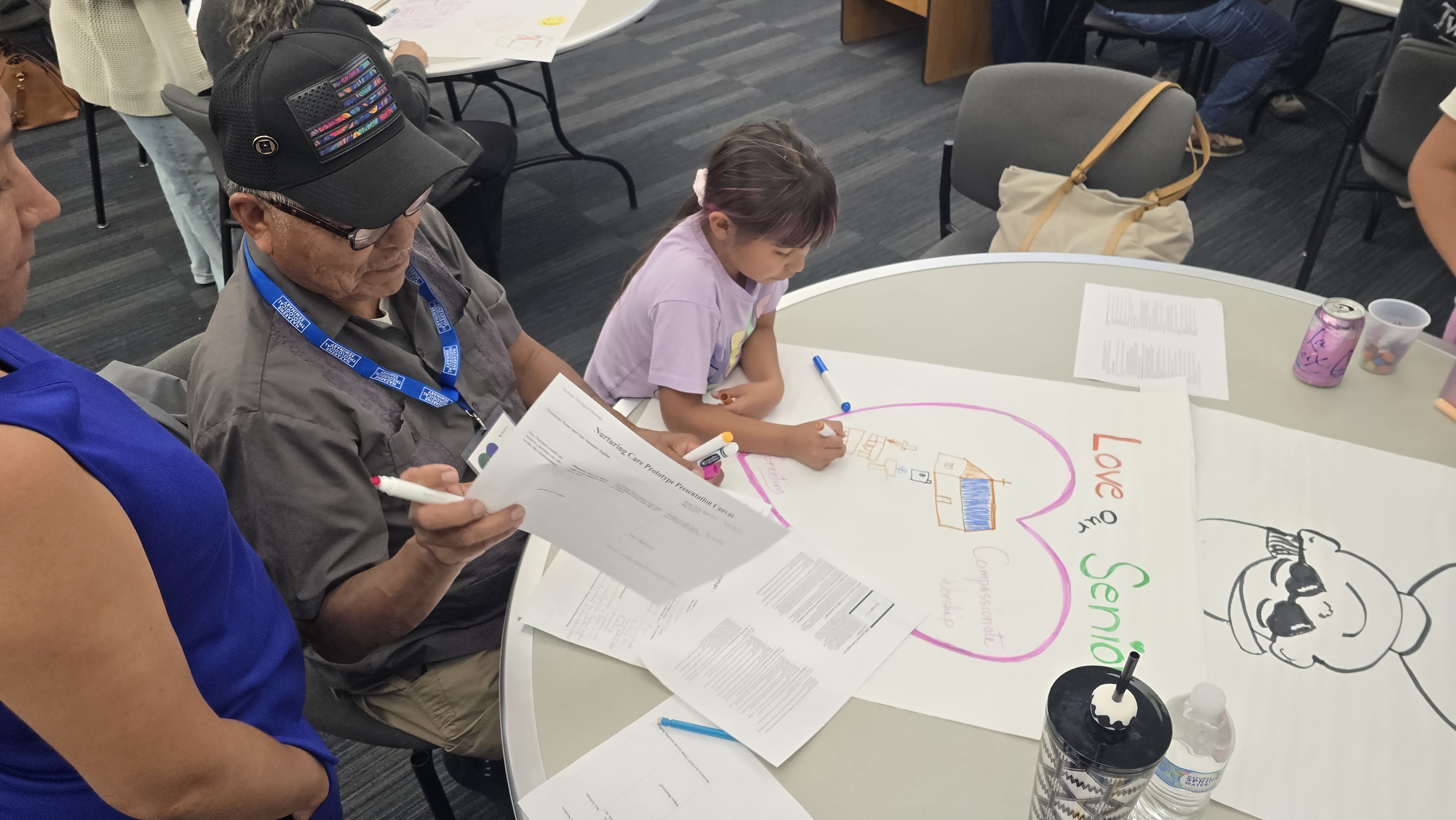
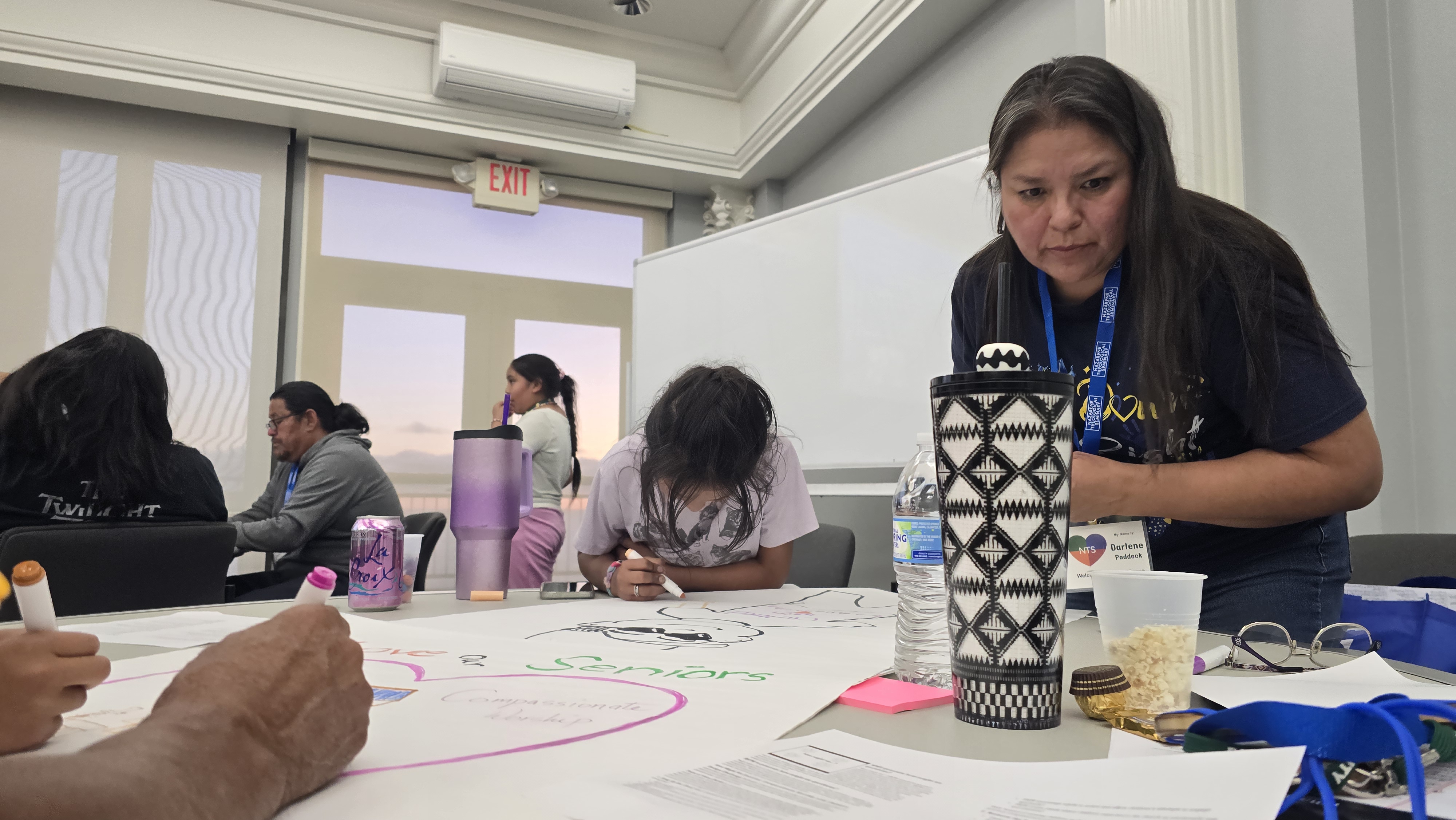
Reverend Kay Gene and Marilyn Yazzi’s New Life Church proposal focuses on bridging generational divides by connecting children with elderly church members. Through card-making, prayer, visits, and relationship-building activities, children will learn compassion while addressing loneliness among seniors. The initiative seeks to create mutual encouragement and spiritual support between generations.
Pine Hill Mentoring Compassion
Pastor Samuel Alonzo, Joshua Alonzo and Brooke Garcia from Pine Hill Church outlined a mentoring strategy designed to bridge cultural, generational, and relational barriers within their community. By pairing older youth with younger children and emphasizing prayerful and compassionate engagement, the church hopes to strengthen belonging while fostering deeper connections throughout the congregation.
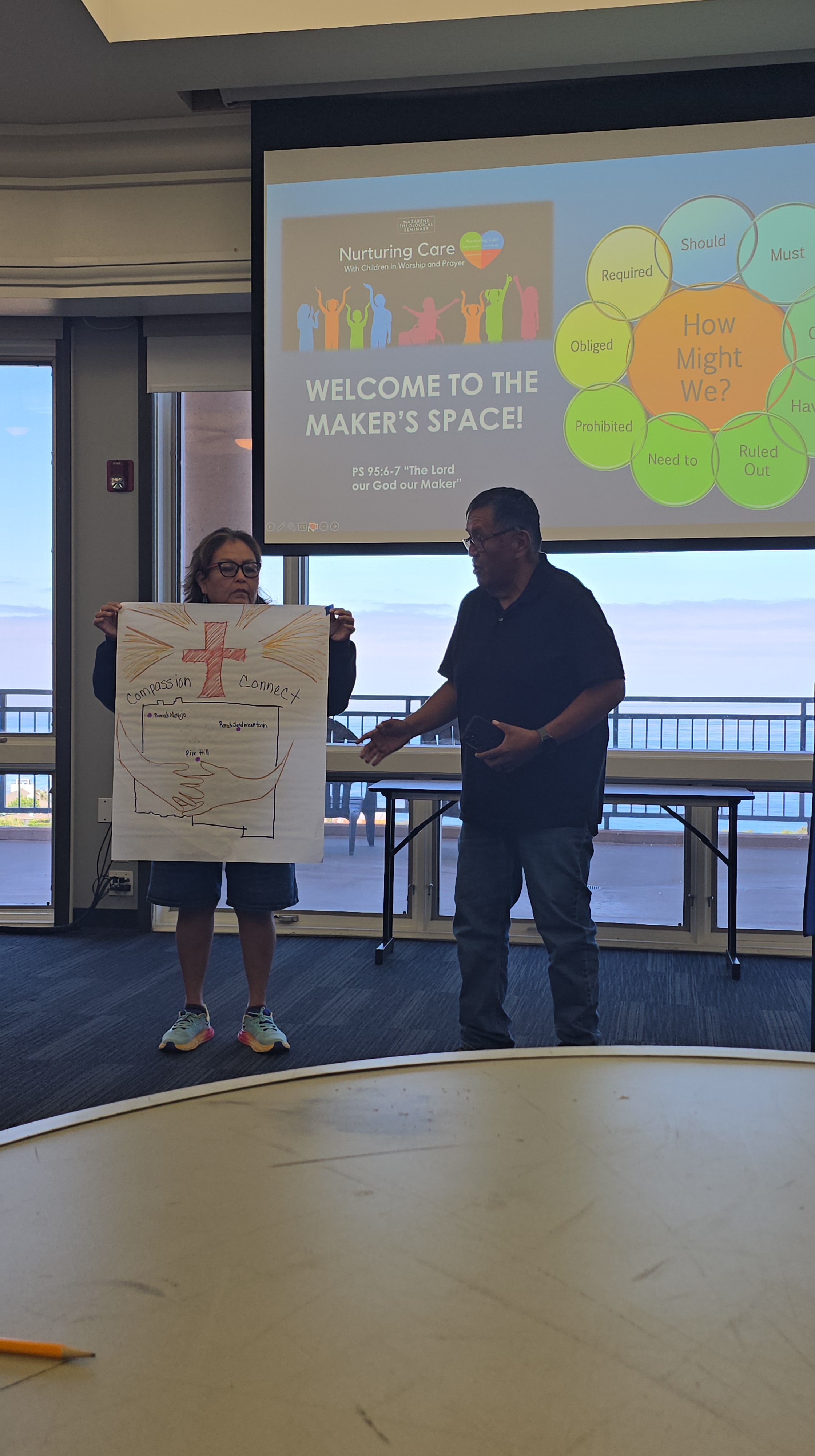
Compassion Connect
Serving a large Navajo reservation context, Compassion Connect proposes regular activities, mentorship opportunities, worship experiences, and community outings that bring children, parents, elders, and neighboring congregations together. Pastor Randy Chatto and Tanisha Teller-Chatto hope these relationships will help children develop a stronger identity in Christ while addressing the realities of historical trauma and isolation.
Leveraging Compassion
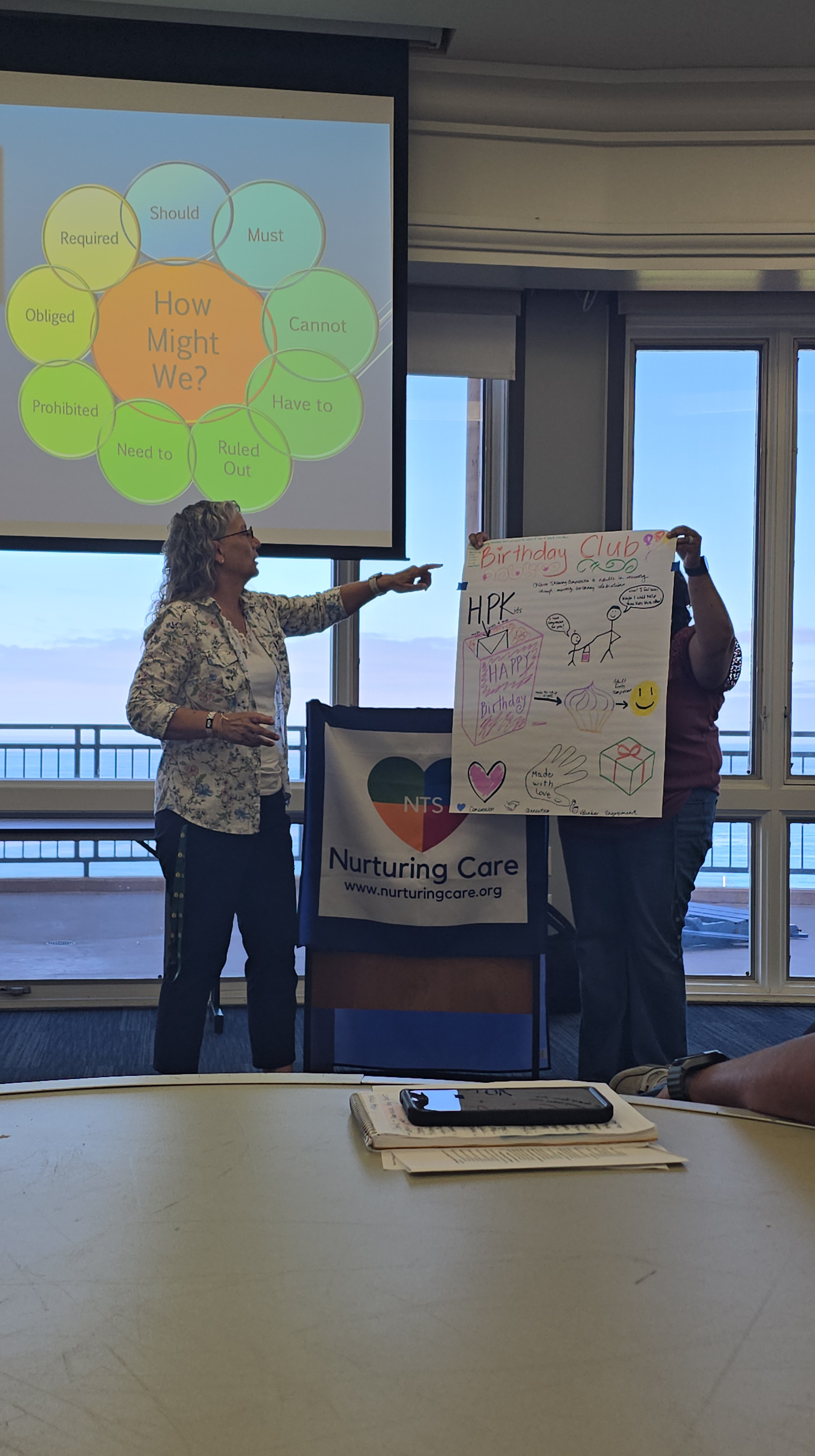
Drawing from ministry within recovery communities, Sonoma Valley’s continuing project seeks to reverse traditional service roles by encouraging children to create birthday gifts and encouragement packages for adults celebrating sobriety milestones. Elaine Briefman believes these acts of compassion can strengthen family connections while inspiring greater volunteer engagement among parents.
Loving Your Neighbor
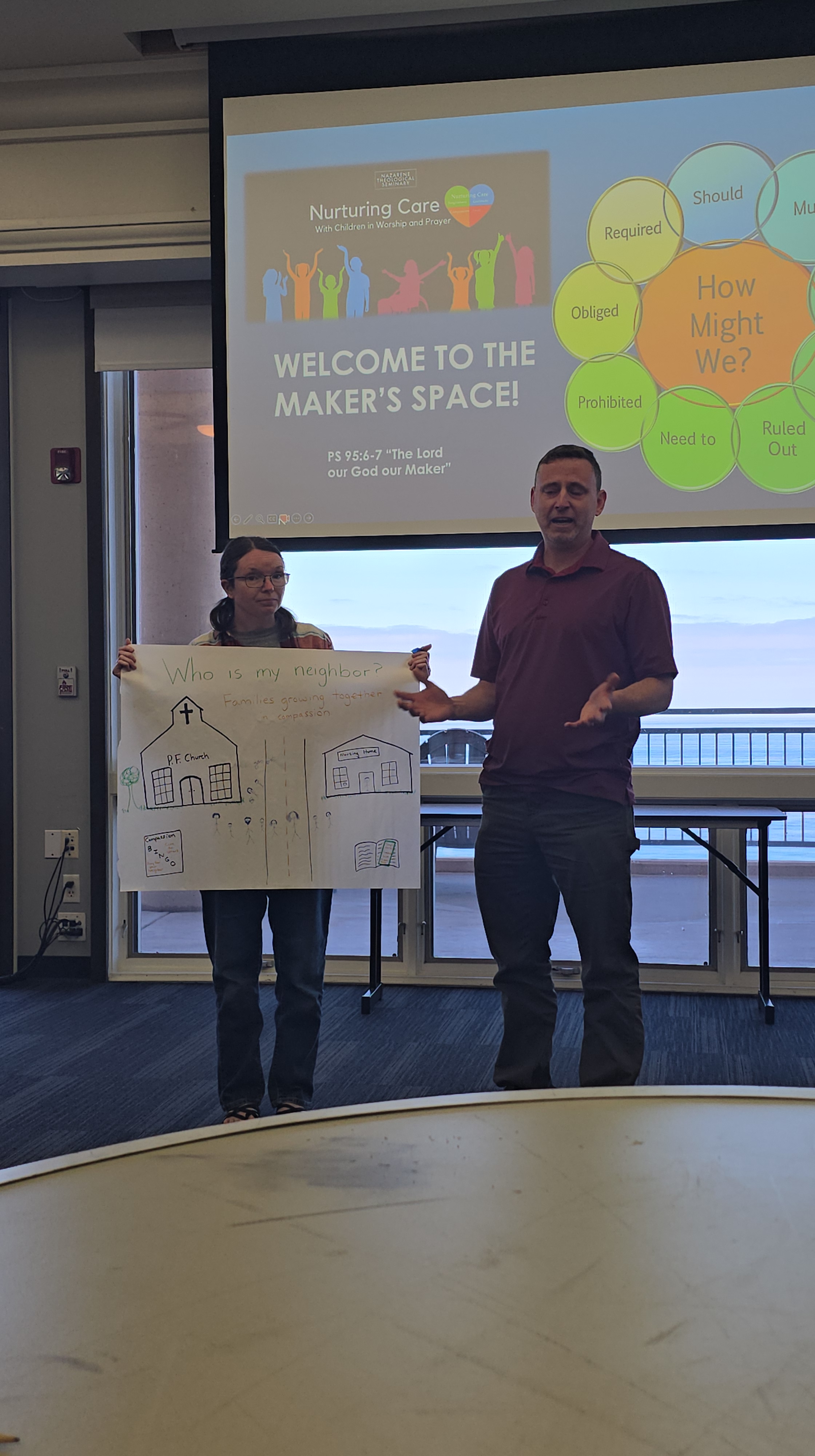
Palmer Church’s updated proposal focuses on extending worship and prayer by helping families practice compassion together through intentional outreach. Activities include nursing home visits, neighborhood engagement projects, prayer partnerships, and seasonal service opportunities designed to help children and adults actively live out Christ’s command to love their neighbors.
Room for Children
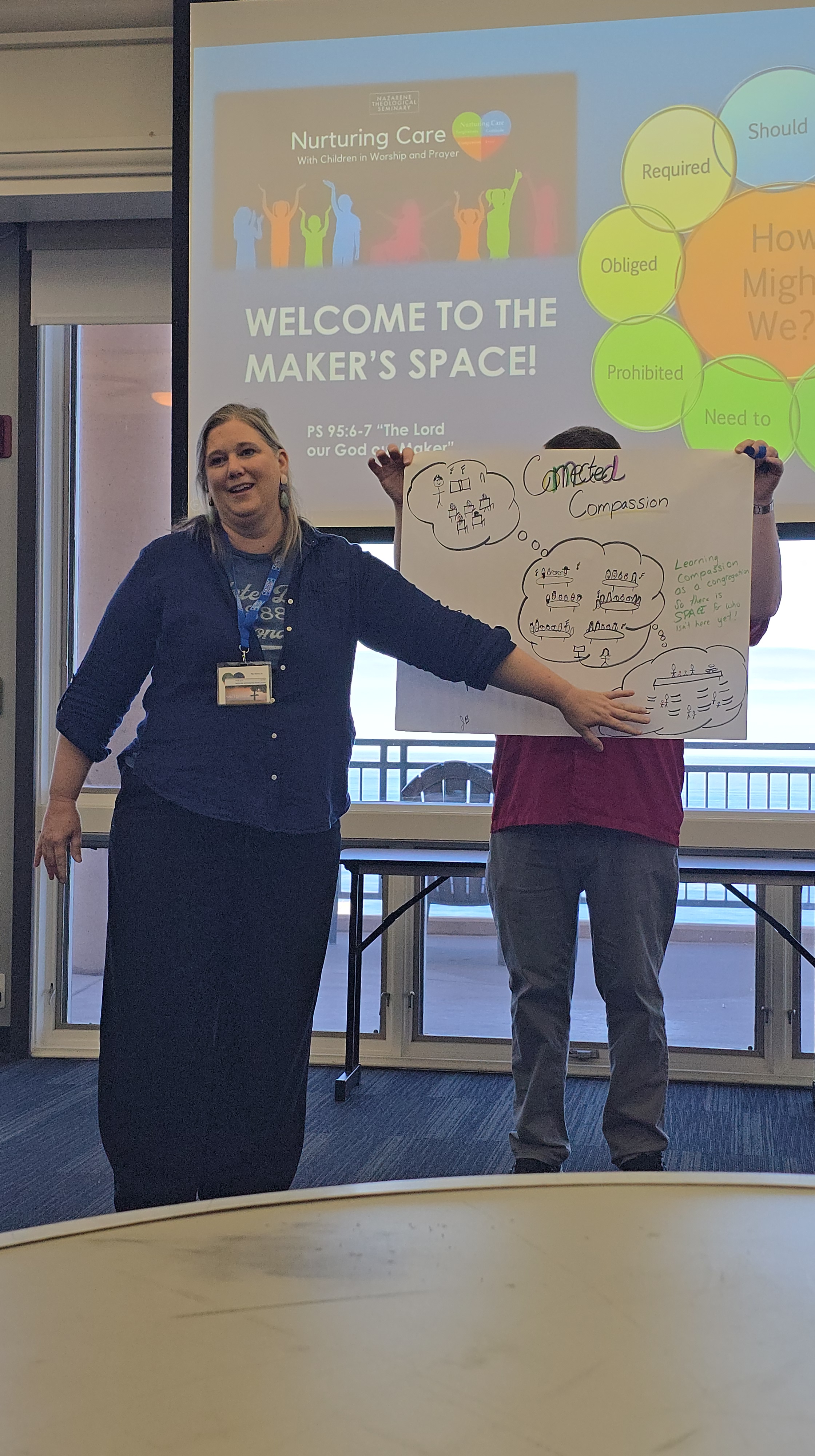
Prompted by concerns about children’s invisibility within congregational life, Jasmine Brenneman’s initiative seeks to integrate children more fully into worship, education, and church leadership. Proposed activities include intergenerational Sunday school experiences, worship arts collaborations, and church-wide vision casting around the importance of children’s presence and participation.
Compassion in Action
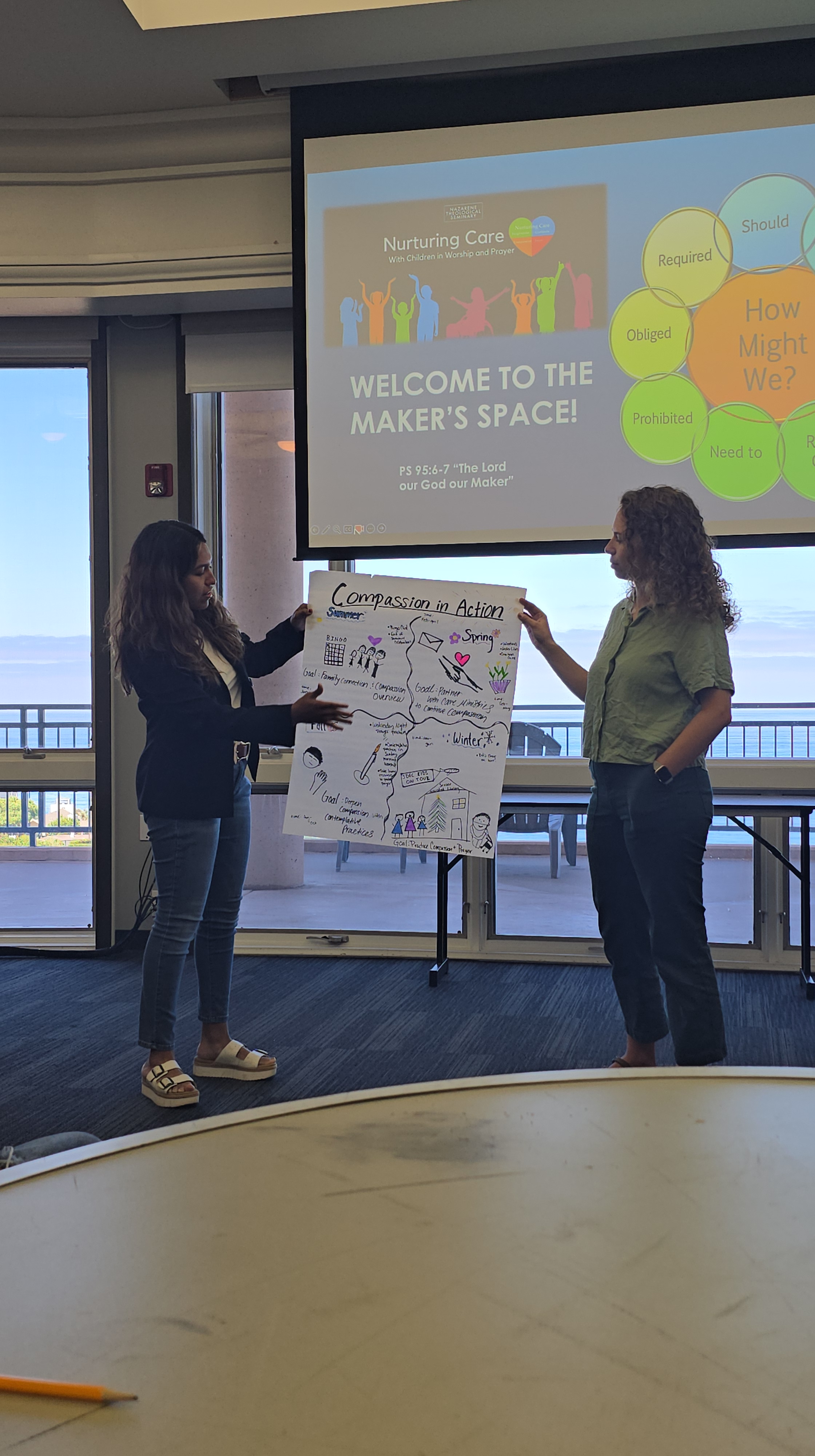
San Diego First Church proposed a year-round strategy that moves children from learning about compassion to practicing it. Pastors Judith Hernandez and Kassy Fitzpatrick proposed that seasonal activities will combine prayer, mindfulness, service projects, family engagement, visits with shut-ins, and partnerships with congregational care ministries. The goal is to make compassionate action a natural rhythm of church life.
Book of Compassion
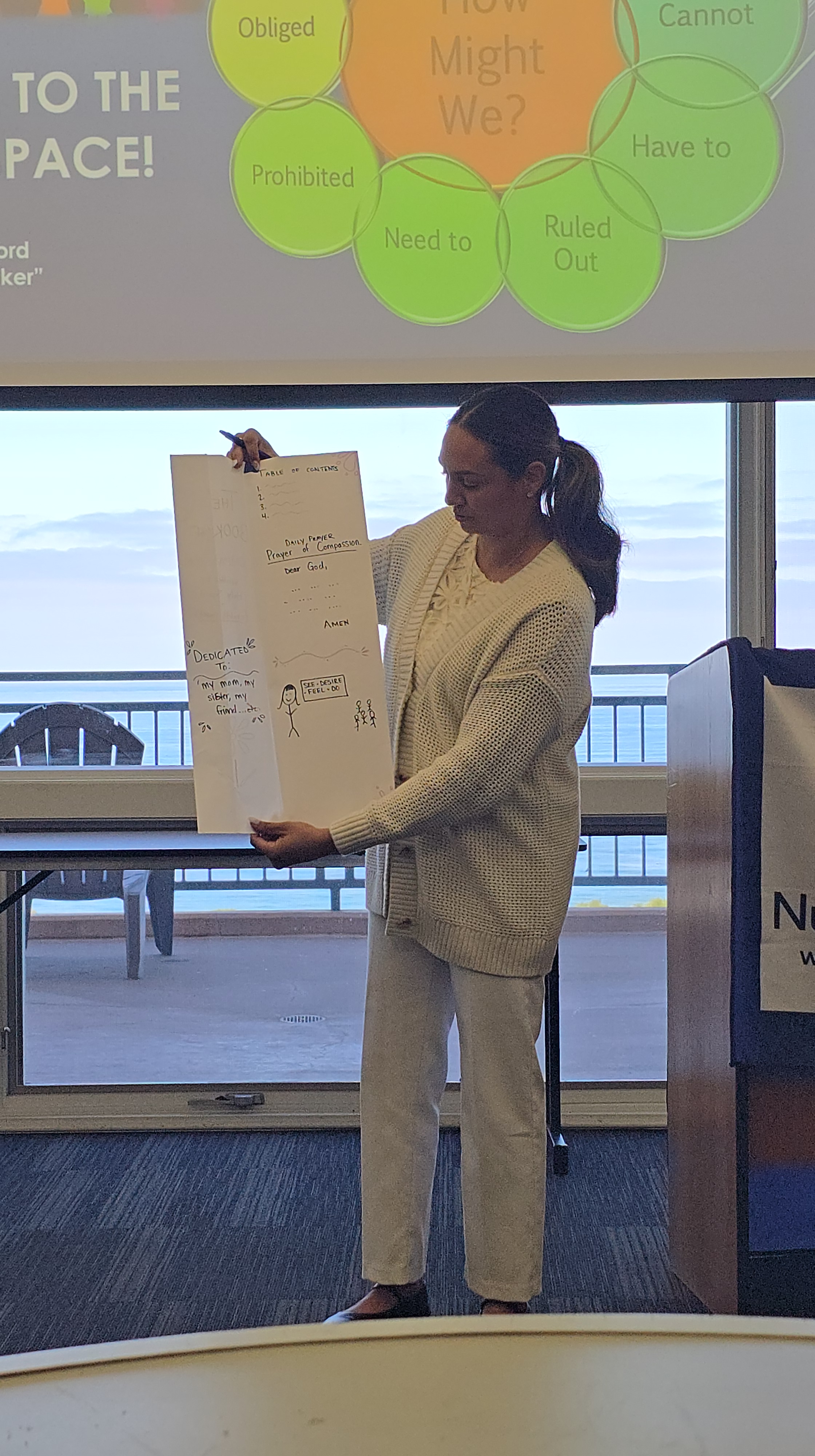
Danielle Montano Rivas proposed a creative project in which children author personalized devotional books centered on compassion. Incorporating scripture, prayer, artwork, and personal reflection, the books will be dedicated to significant adults in the children’s lives, creating a unique bridge between generations and highlighting the spiritual wisdom children can offer their families.
Clothe with Compassion
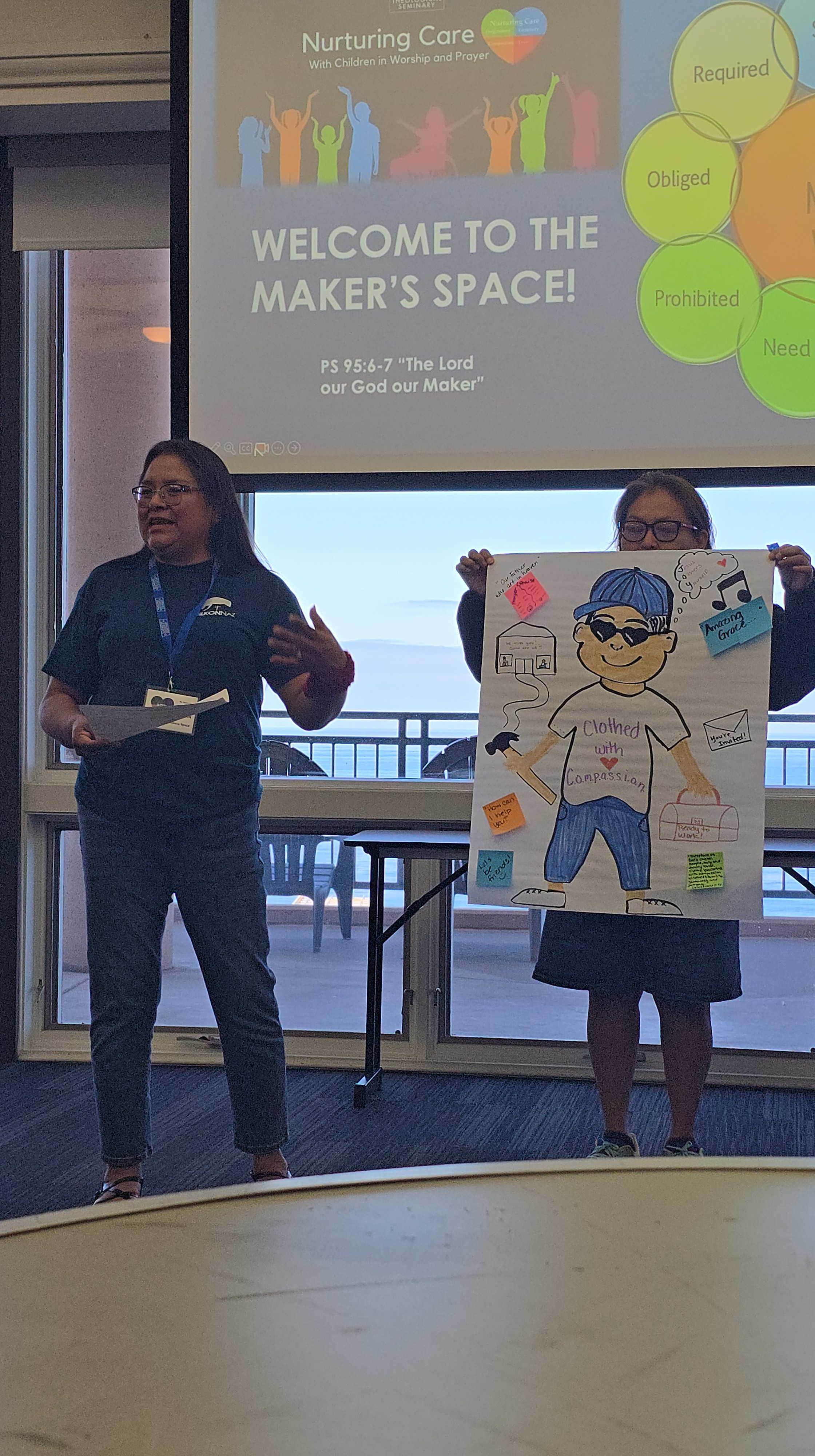
Built around the acronym C.O.M.P.A.S.S.I.O.N., this initiative combines worship, prayer, mentorship, outreach, elder care, and service opportunities into a ten-month discipleship journey. Darlene Paddock hopes the project will help children become active participants in ministry while strengthening community relationships.
A Movement Taking Shape
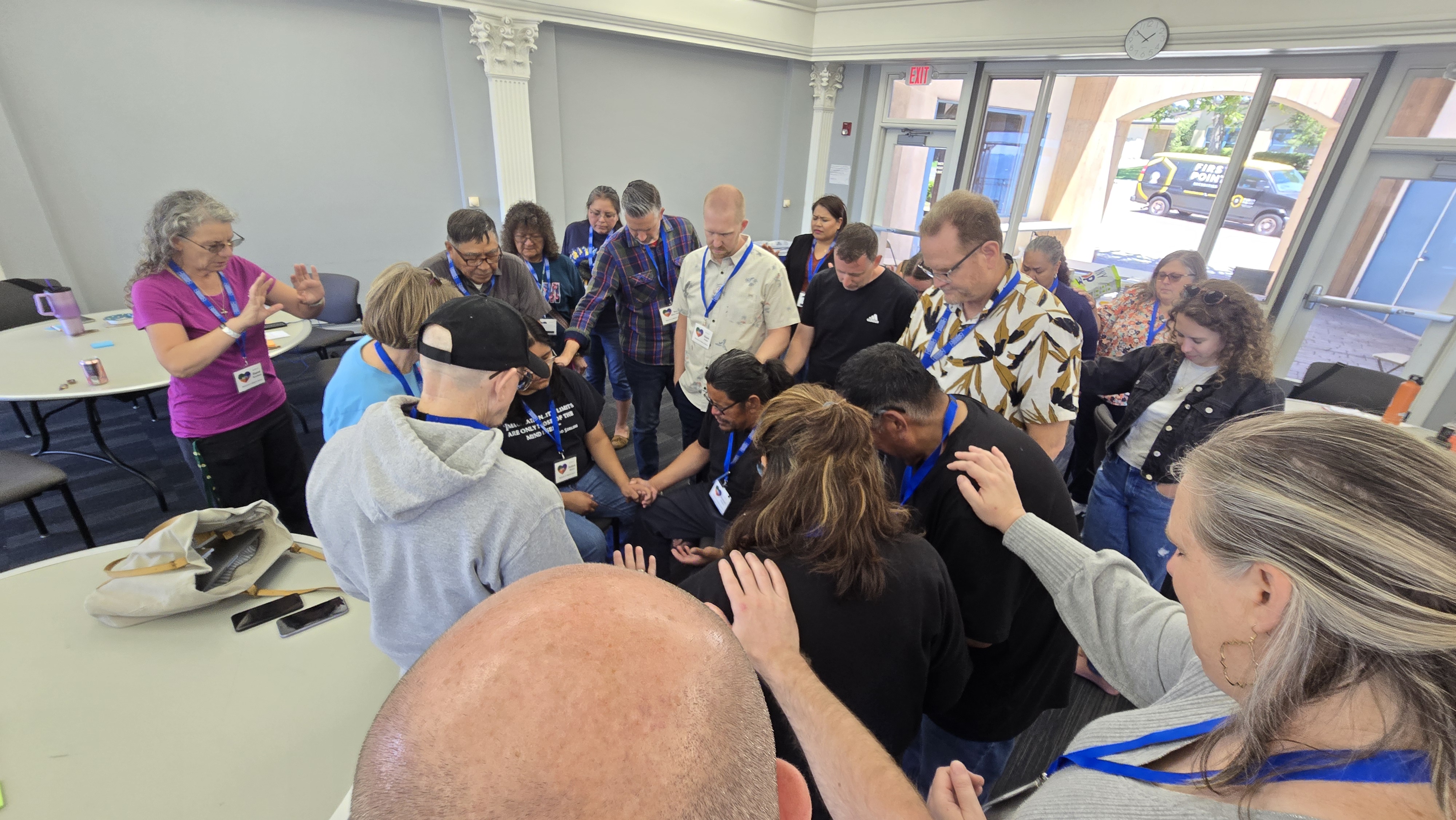
Viewed together, the proposals reveal a consistent vision emerging across the West Coast Nurturing Care network. Churches are increasingly moving away from child-centered programming that simply entertains and toward ministries that empower children as worship leaders, prayer partners, mentors, artists, servants, and teachers. Whether through bilingual worship albums, intergenerational friendships, compassion projects, mentoring relationships, or creative devotional resources, the common thread remains the same: children are helping congregations rediscover what it means to belong, to serve, and to love. In addition, the group of ministers found new moments to pray for each other and enter in to the same caring community they hope to inspire with children.
As participants departed San Diego, the stories shared at Maker’s Space suggested that the future of Nurturing Care may not rest in larger programs or more sophisticated strategies. Instead, it may emerge from a simple but profound lesson repeated throughout the retreat: when churches create room for children to lead with compassion, entire congregations are transformed.