
-
Recent Posts
- Nurturing Care Consultants Active at DATC Nashville Tour October 2, 2026
- Kayla Smith Teaching Trauma Informed Children’s Ministry October 1, 2026
- Nurturing Care at DATC Nashville Tour October 1, 2026
- Isabella Harding Honored September 22, 2026
- Nurturing Care at Preacher’s Conference September 22, 2026
Categories
- Autism
- Bible
- Children
- Clergy
- Continuing Education
- Culture
- Degree
- Design
- disability
- Discipleship
- Economics
- Entrepreneurship
- Family
- Global Theology
- Higher Education
- Homes
- Intergenerational
- Journals
- KC Nurturing Care
- Leadership
- Media
- MidAmerica Nazarene University
- Mission
- Moral Integration
- Nashville Nurturing Care
- Native American
- Neuroscience
- NorCal
- Northern California
- NTS Praxis
- Nurturing Care
- Pedagogy
- PLNU
- Practical Theology
- Preaching
- Preaching Conference
- Race
- Religious Education
- Research
- Scholarship
- Science
- Short Term Mission
- Social Media
- Spiritual Formation
- Technology
- Theological Education
- Theology
- Uncategorized
- Virtue
- Vocation
- Wesley
- West Coast
- Women
- Work
- Young Adult
- Youth
- Youthfront
Congregations Plan at KC Maker’s Space
Posted in Autism, Children, disability, KC Nurturing Care, Nurturing Care
Leave a comment
KC Maker’s Space Opens
Posted in Autism, Clergy, disability, KC Nurturing Care, Nurturing Care
Leave a comment
Making Room for Every Child
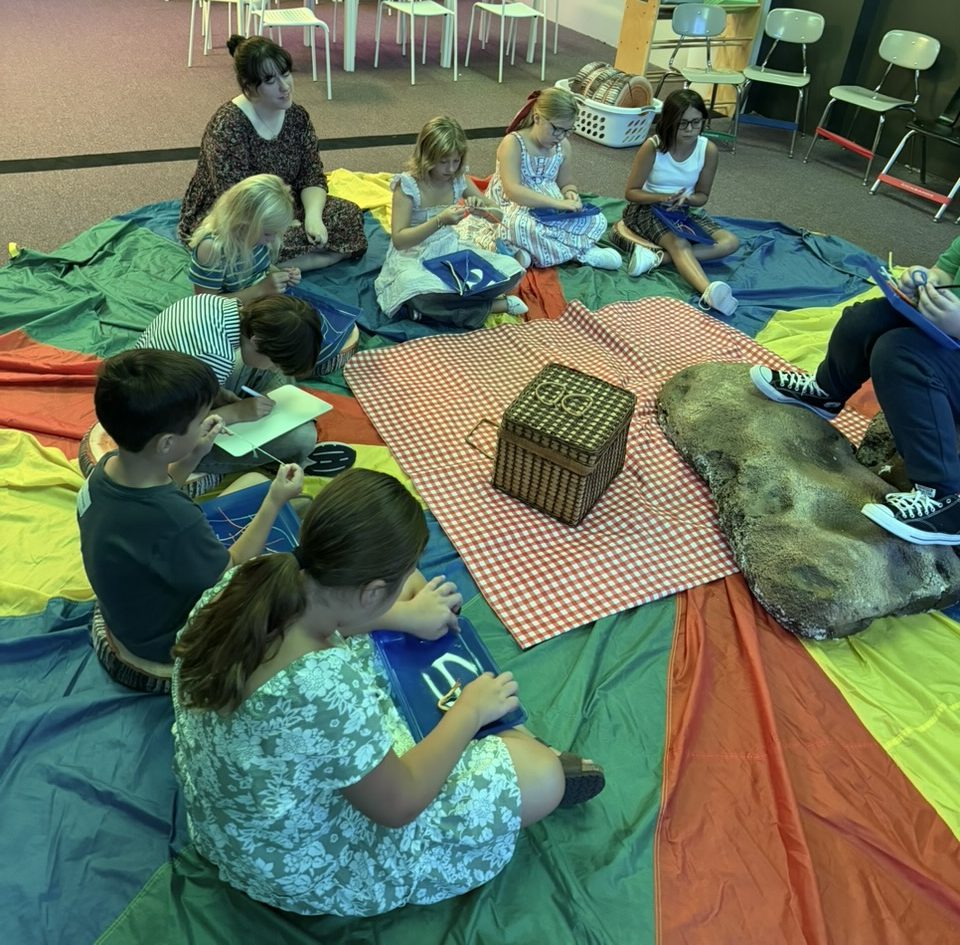
Nashville Based Nurturing Care ministries turn prayer, sensory support and practical hospitality into signs of belonging Across the participating congregations, the summer’s Nurturing Care efforts shared a common conviction: children are not simply recipients of ministry but members of the body of Christ whose prayers, needs and gifts can shape the worshiping community.
The reports describe modest experiments—prayer kits, sensory objects, respite evenings and child-sized worship spaces—but their significance reaches further. Together, they show churches learning to recognize attention, movement, silence and participation as varied expressions of spiritual life.
Prayer as participation
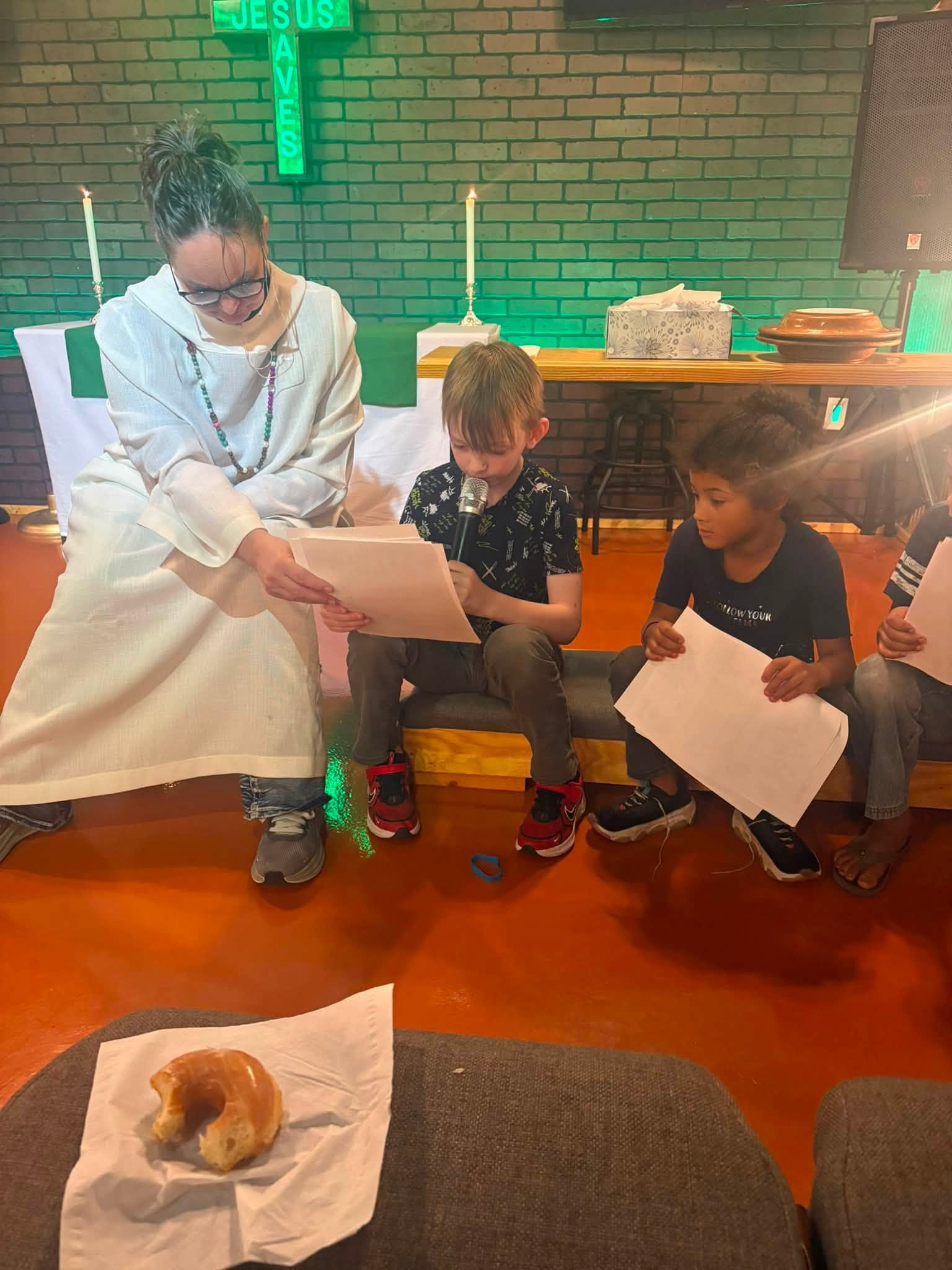
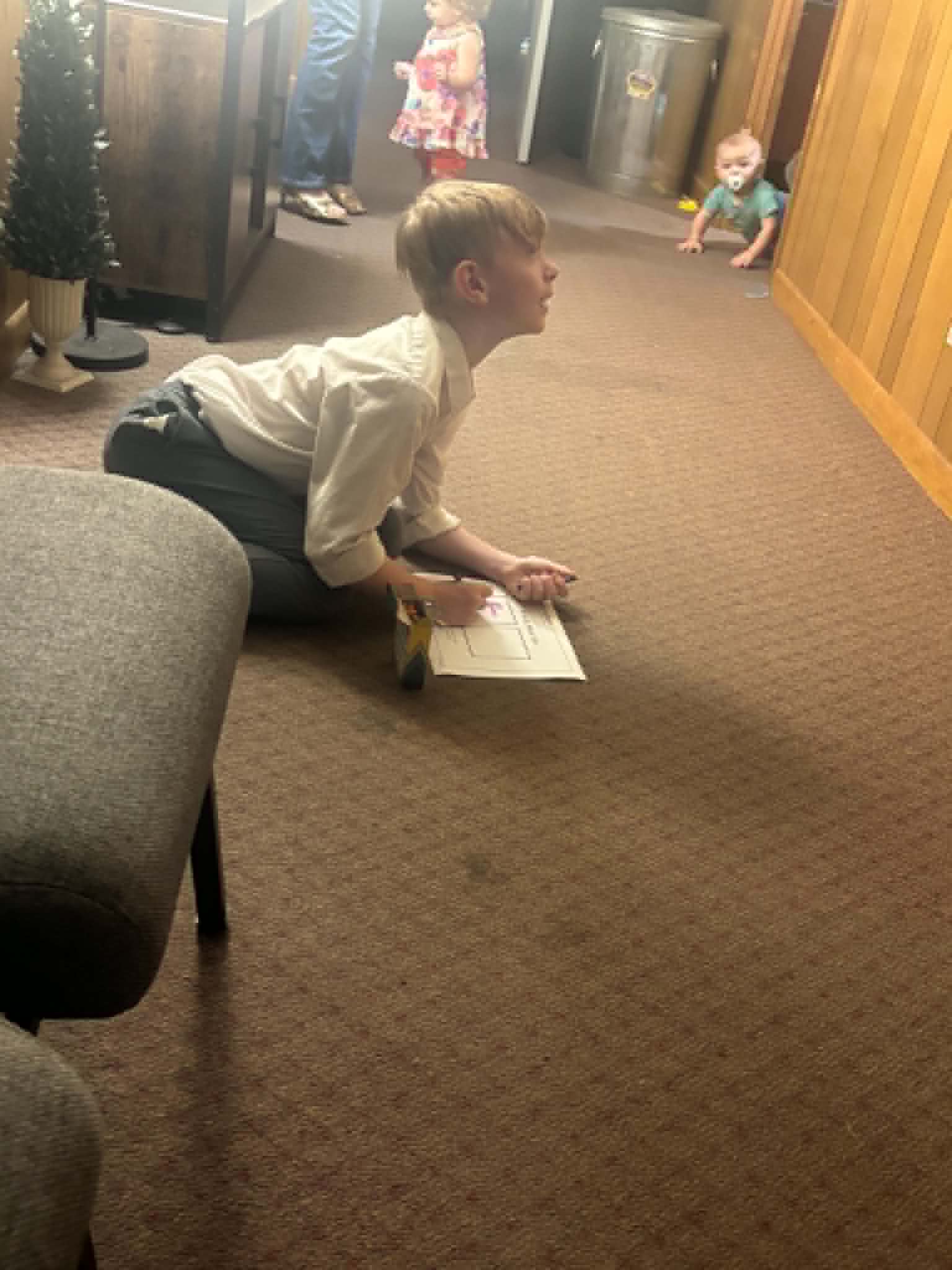
Prayer emerged as the strongest thread connecting the congregations. At The Hope ConneXion in Hope, Arkansas, Jennifer Martinez saw children become ministers of welcome. When nervous, apparently unchurched children visited with their caregiver, a nine-year-old approached them with a clipboard containing crayons and prayer-request materials. The child then explained prayer to the younger visitors, helping them become visibly more comfortable. The practice has also changed the wider congregation. On a Sunday when no children were present, a 23-year-old congregant recalled the concerns the children had shared in previous weeks and asked the church to pray for them. Another member requested prayer pages for children she babysits, later returning their requests to be displayed with the others. The children’s prayers, in other words, were not treated as a temporary program; they entered the congregation’s shared memory.
Oxford Nazarene Church likewise made children’s prayer part of congregational worship. Children draw prayer partners, prepare written requests and praises, and once a month gather at the altar with adults. Importantly, the church developed a simple way to honor a child’s agency: a cross sticker signals when a child wishes to pray alone. The children have also requested a podium “like Pastor Jeff’s” so they can offer opening prayers before the congregation. Their request reflects more than enthusiasm—it signals that they can imagine themselves as visible leaders in worship.
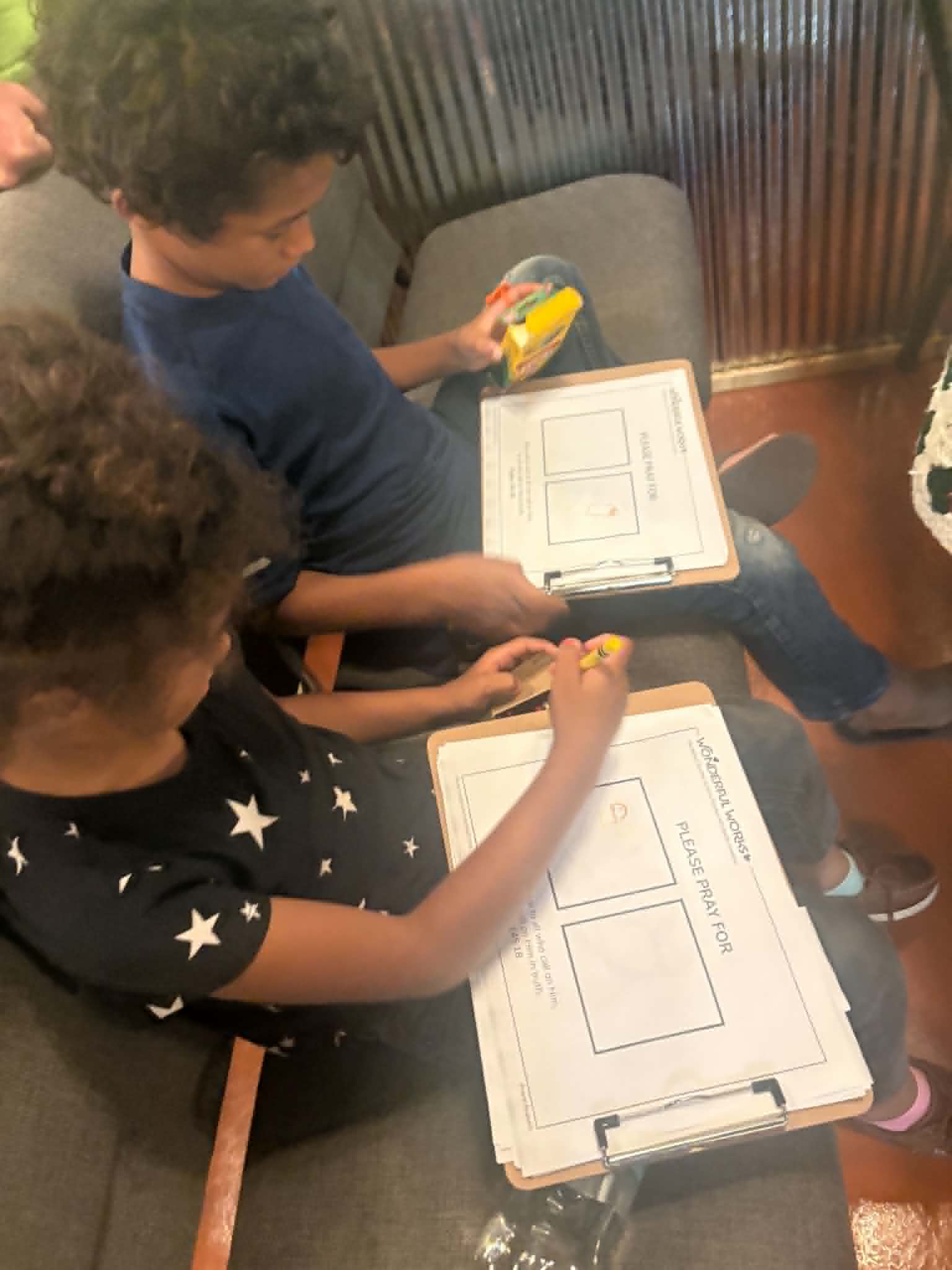
During the August gathering, Jennifer and Kayla Schenk at Hope ConneXion reported that intergenerational prayer practices were helping both children and adults participate more fully. One child who had never attended church began engaging in prayer and sharing those experiences with family members. The group also explored breath prayers and structured prompts, recognizing that children often enter prayer more readily when leaders provide a clear and accessible pathway.
Sensory care as spiritual hospitality
Several ministries discovered that sensory tools do more than manage behavior. They help children become present to God and to the community.
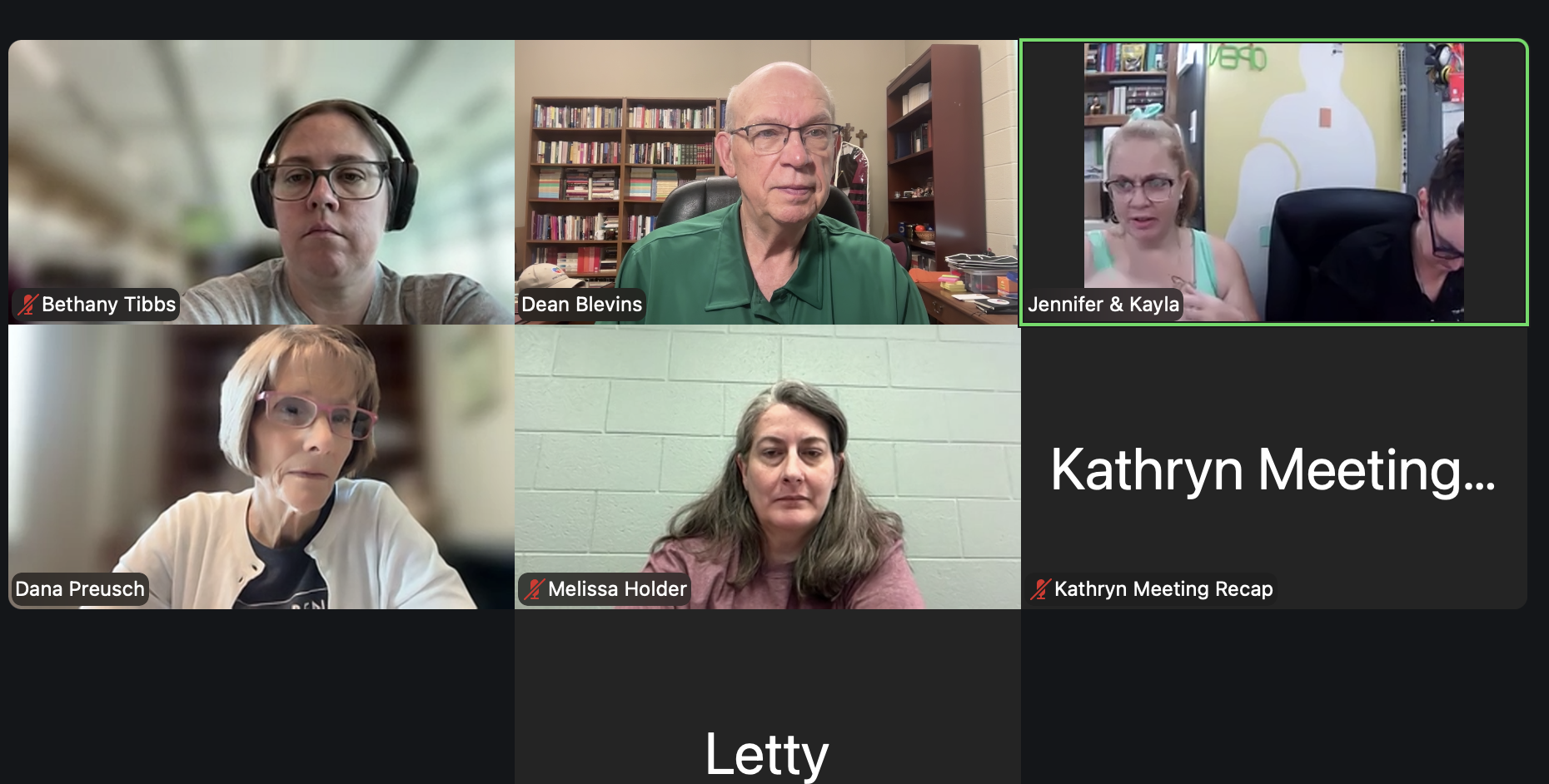
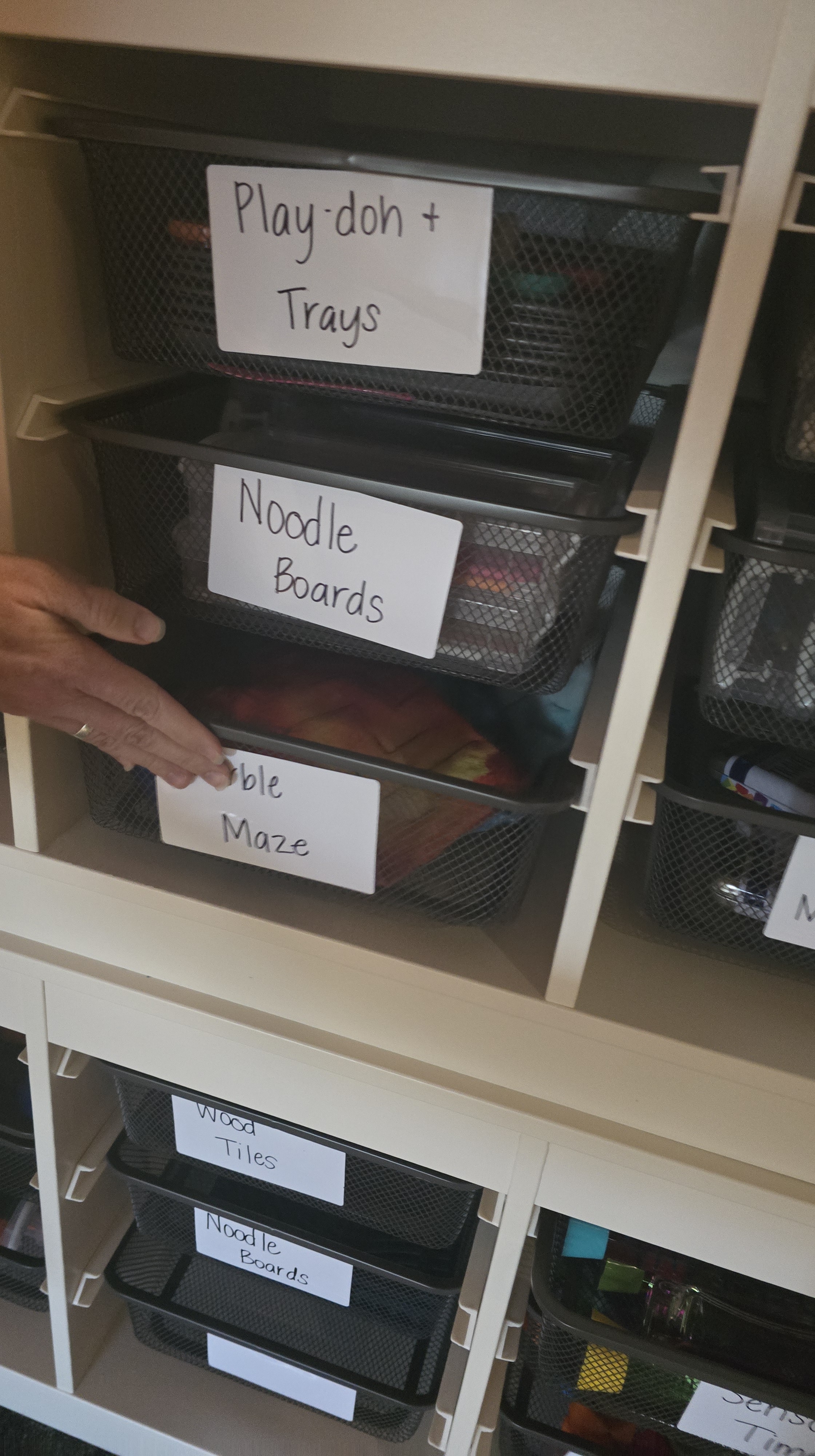
At Lenexa Central Church of the Nazarene, Bethany Tibbs introduced prayer tubs containing varied sensory materials. A neurodivergent child who often stayed beneath his seat became still and focused while watching a colored-oil timer. When Tibbs spoke with him, she sensed that the object had opened space for an encounter with God. The moment confirmed her belief that spiritual attention does not always resemble conventional stillness and that prayer materials can meet children through their particular ways of experiencing the world.
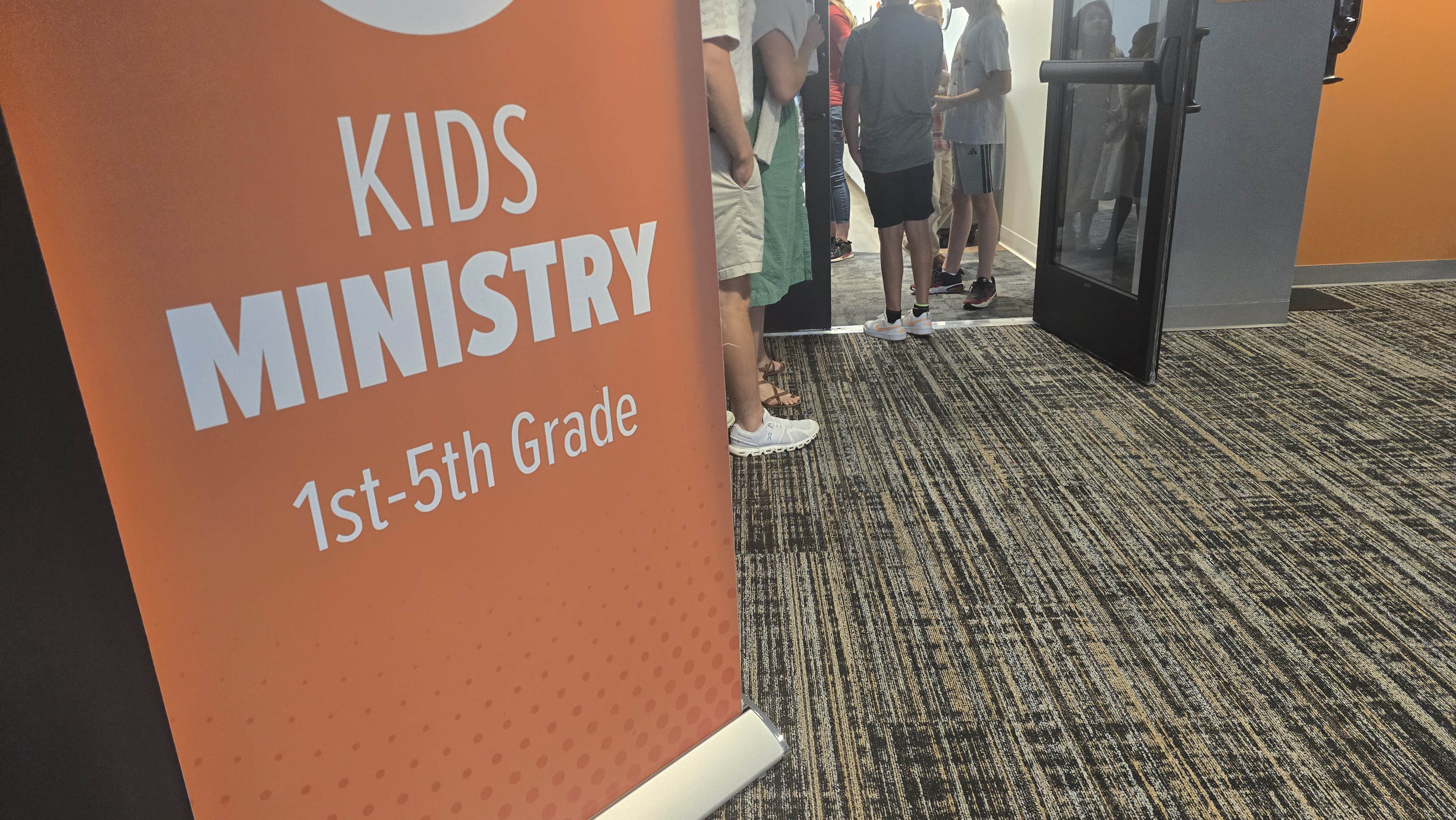
Lenexa Central’s church board responded enthusiastically to the prototype. Two board members initiated further conversations about how the children’s ministry could better serve neurodivergent children, suggesting that a small experiment was beginning to influence the congregation’s broader understanding of inclusion.
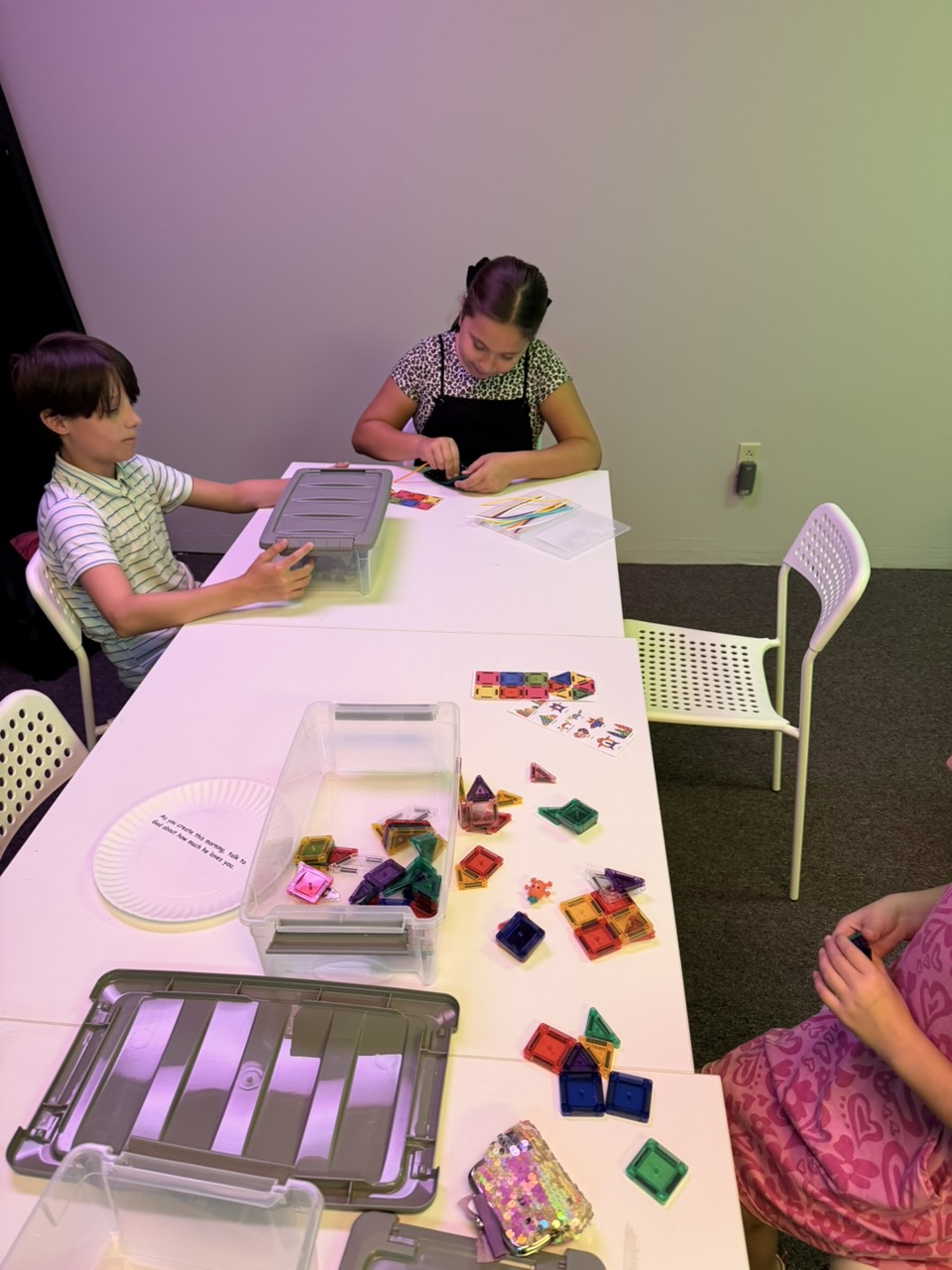
At Hermitage Church of the Nazarene, Melissa Holder reported a similar result. Prayer kits helped a highly active, talkative boy focus on a prompt and participate in prayer in a way he had not previously been able to do. In the August meeting, Holder also described kick bands attached to chair legs, which gave children an unobtrusive outlet for movement. Early difficulties with collapsing prayer-kit containers led to practical adaptations—a reminder that inclusive ministry often grows through attentive trial and revision.
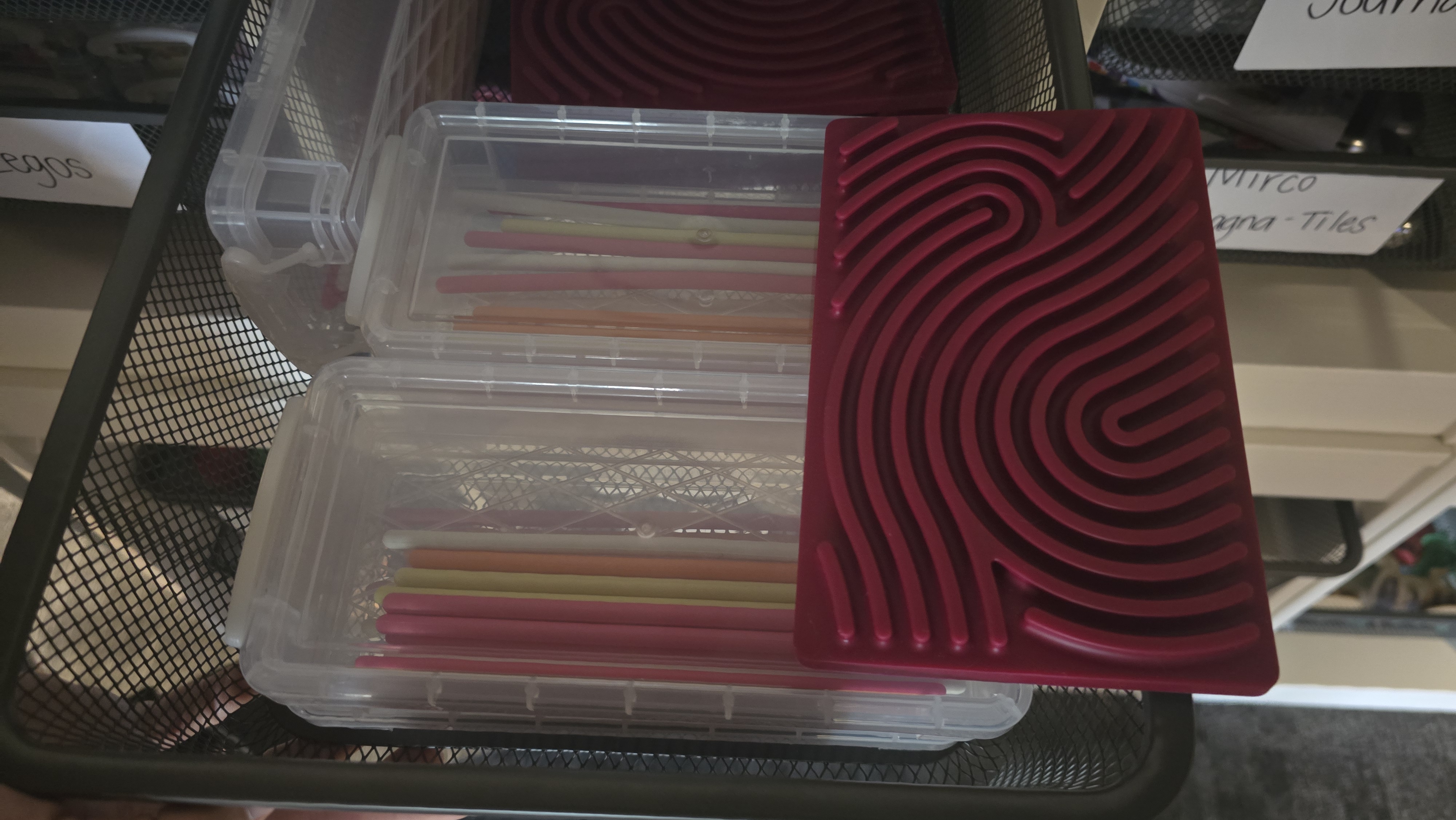
Other leaders reported success with noodle boards, fidget tools, timers, calming tents and classroom sensory stations. Bethany Tibbs’ structured eight-minute prayer time, beginning with instructions and a breath prayer, proved useful not only to children but also to adults during a church-wide worship night. What began as an accommodation for some became a spiritual resource for many.
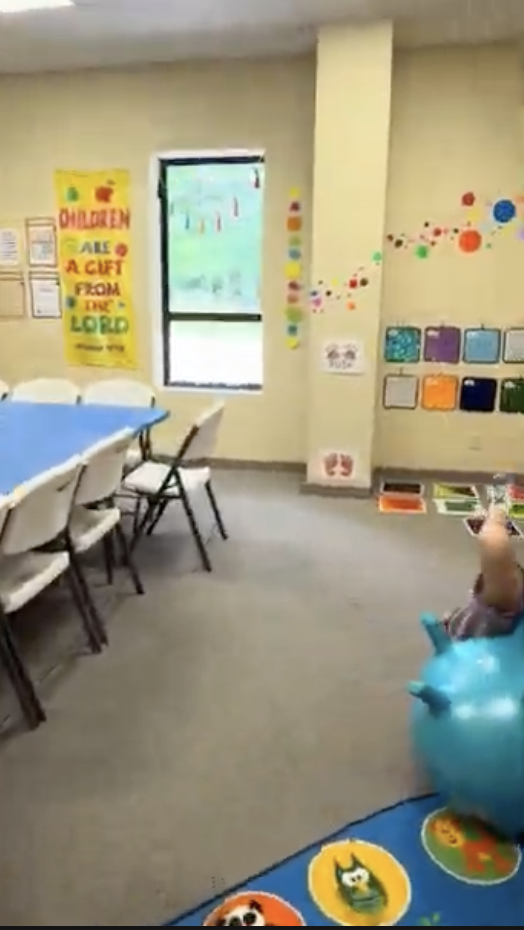
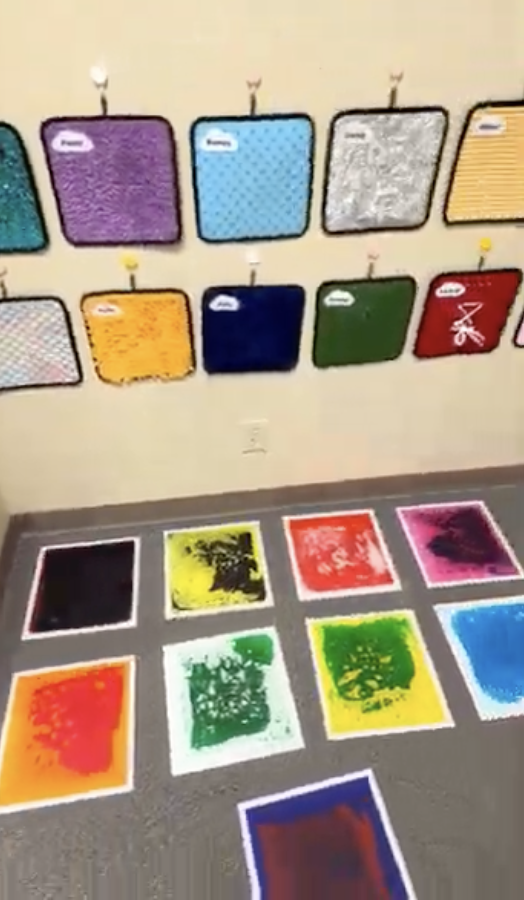
Oxford Nazarene renovated its nursery and children’s church rooms with sensory materials and a calming corner. The church continues to seek tabletop tools that will help children remain comfortably engaged. Letty Gonzales of Las Palmas Nazarene noted the use of a calming tent and sensory stations in two classrooms. Letty also described another particularly concrete act of welcome: adjustable custom cushions allowed a child who uses a wheelchair following a car accident to sit more comfortably and feel more fully included. The family’s response affirmed that accessibility communicates belonging before a lesson is ever spoken.
Caring for families, not only programs
Oxford Nazarene broadened Nurturing Care beyond Sunday programming through three respite nights. Families received three hours of qualified childcare, planned activities including prayer and dinner for their children, while adults went out to eat, play games and enjoy uninterrupted fellowship. Parents described these evenings as a genuine relief—a chance for their minds to “shut off” because the details of care had already been considered.
This ministry recognizes that nurturing children also means sustaining their caregivers. Respite becomes a form of congregational mercy: the church carries responsibility for a few hours so families can rest and reconnect.
The distance between welcome and readiness
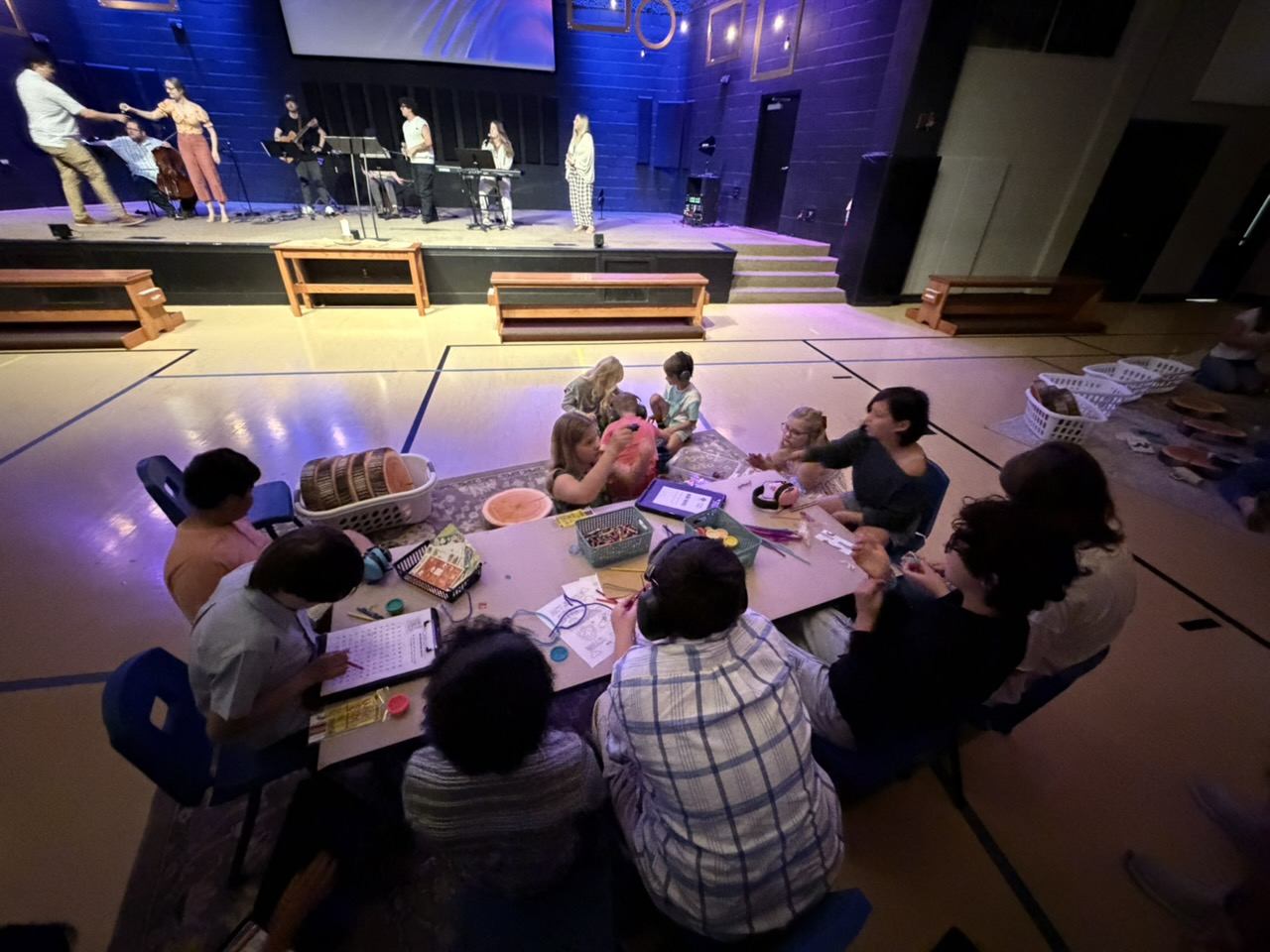
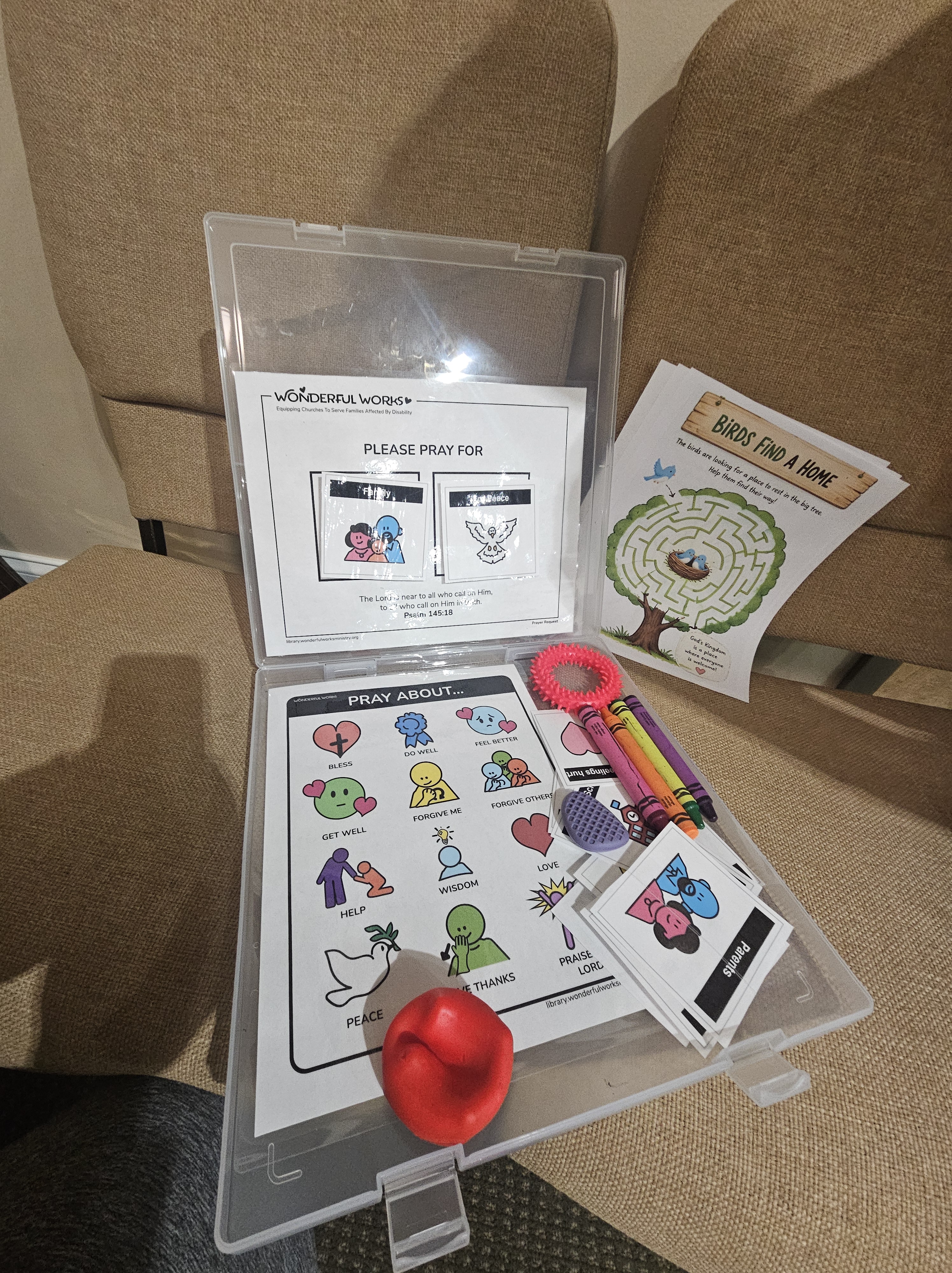
The summer reports were also candid about unresolved challenges. Zoe Witherspoon at Pine Hill church of the Nazarene noted that all the children loved the new sensory “sprout boxes” while other some older adults did wrestle to some of the earlier use of velcro so the team adapted. Melissa Holder described a nonverbal seven-year-old arriving at Hermitage on a Sunday morning when neither a one-to-one buddy nor an appropriate classroom was available. The encounter exposed the painful distance between good intentions and immediate capacity. She concluded that, until Hermitage can provide the needed support, leaders should at least have current information about nearby churches with established special-needs ministries.
Volunteer recruitment remains another concern. Holder reported broad enthusiasm for inclusive ministry but little willingness from congregants to help implement it. Martinez similarly noted limited progress in recruiting young people for The Hope ConneXion’s creative team.
Yet there were signs of emerging leadership. One boy at Hope ConneXion grew confident enough to deliver announcements at the end of worship. He is also learning audio, video and animation skills while helping transform children’s prayers into short cartoons that can be shared online.
A summer of practical theology
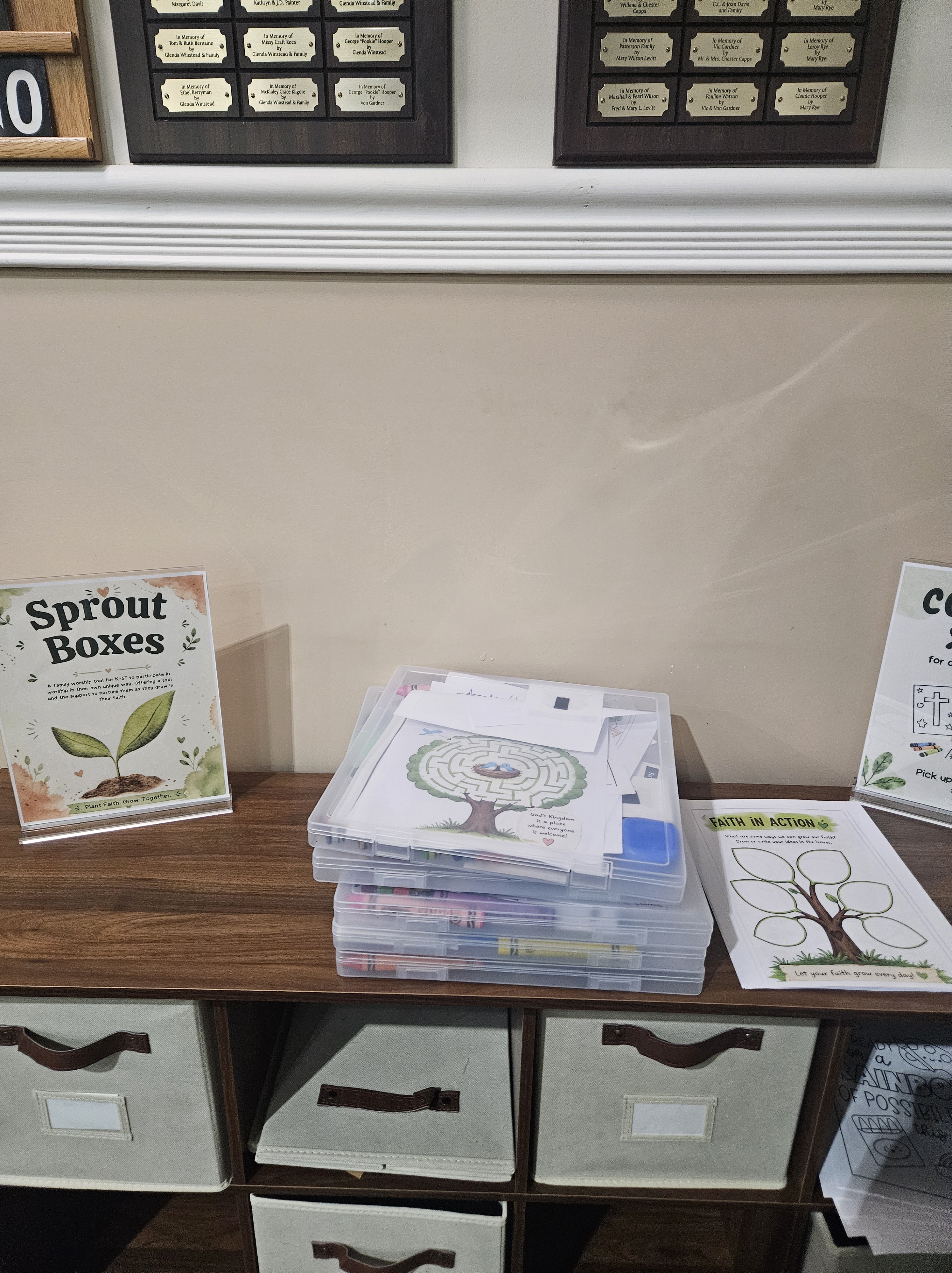
The summer’s work did not follow a single model. Each congregation responded to the children and families already before it: Lenexa Central explored sensory prayer; Pine Hill unveiled Sprout boxes; Hermitage tested prayer kits while confronting gaps in volunteer capacity; The Hope ConneXion cultivated intergenerational prayer and young leadership; Oxford combined worship participation, sensory environments and caregiver respite; and leaders such as Letty and Kayla contributed insights about physical accessibility and shared prayer.
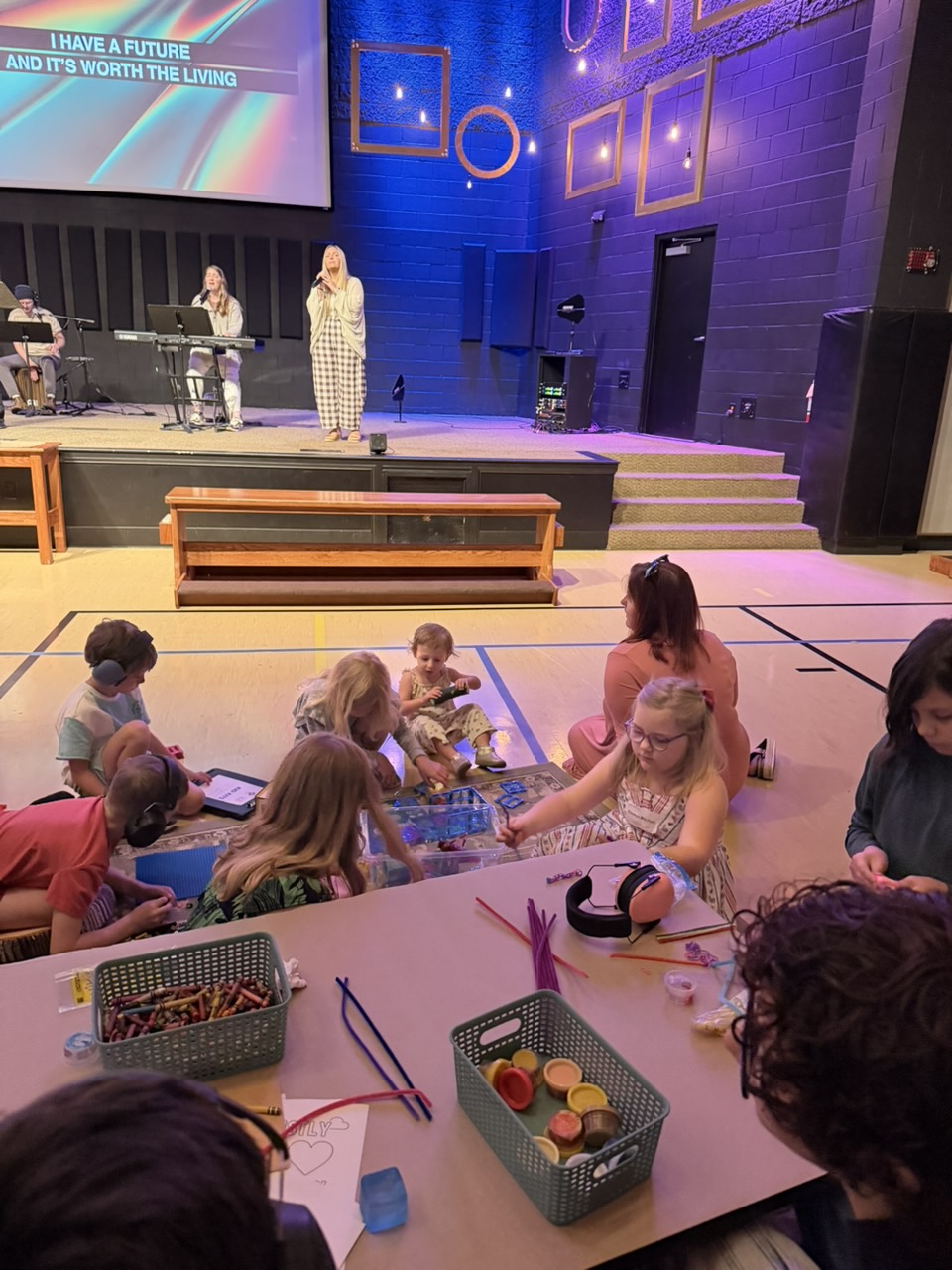
Taken together, these efforts express a practical theology of the church as one body with many members. Inclusion was not presented as a specialized side ministry. It appeared in a child explaining prayer to another child, an adult remembering an absent child’s concern, a wheelchair cushion prepared with care, a parent receiving an evening of rest and a congregation learning that attention to God can take many forms.
The prototypes remain works in progress, which may be one of their greatest strengths. These churches are learning that Nurturing Care begins not with having every answer, but with paying close attention—and then making room.
Ministry on the Spectrum: Why Disability Ministry May Be the Church’s Greatest Untapped Mission Field

More than 46 million Americans live with some form of disability outside institutional care, yet many remain disconnected from congregational life. Combined with the growing prevalence of autism—now affecting approximately one in every 30 children by age eight—the numbers point to one of the largest underserved mission fields in North America.

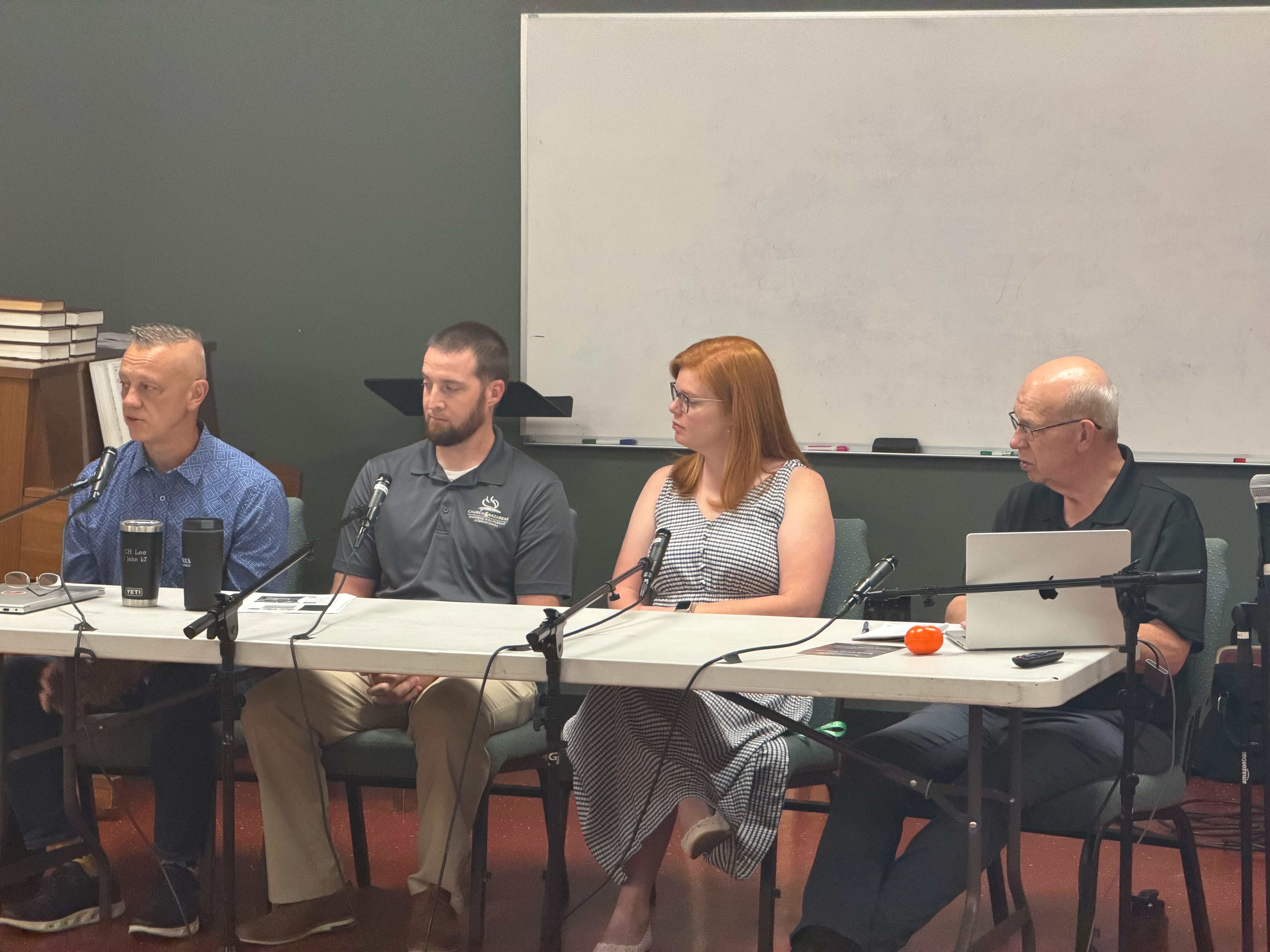
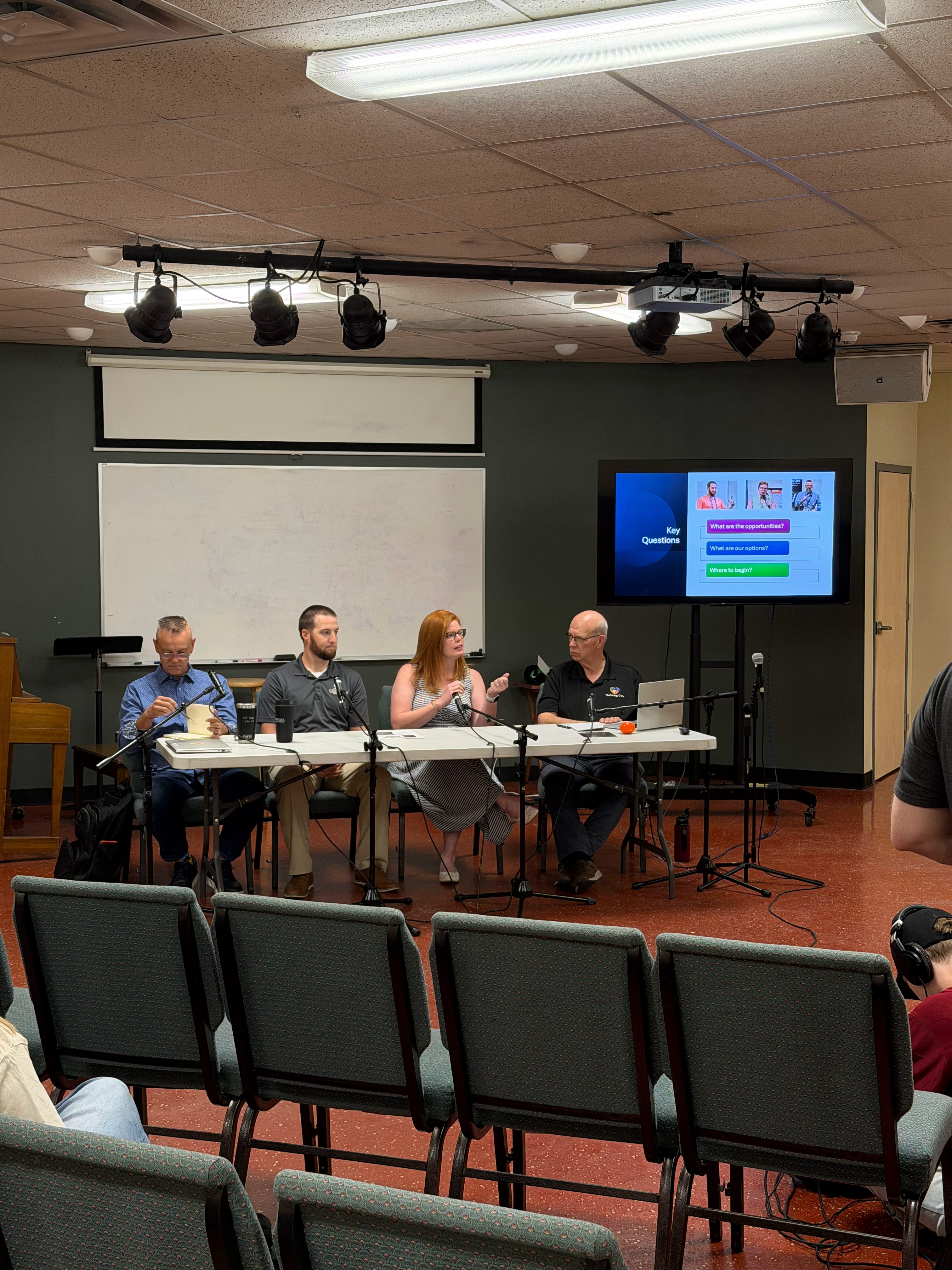
That reality framed a recent Ministry on the Spectrum panel discussion led by Dean Blevins, director of the Nurturing Care Initiative at Nazarene Theological Seminary. Joined by Brad Lee of the Special Needs Family Institute, Ryan Nelson, Global Disability Ministry Coordinator for Nazarene Discipleship International, and Kayla Smith of the Reach Hurting Kids Institute, the panel challenged ministry leaders to rethink disability ministry—not as a specialized program, but as an essential expression of discipleship and congregational life.
Their message was both practical and hopeful: churches do not have to solve every challenge at once. They simply need to begin.
A Mission Field Hidden in Plain Sight
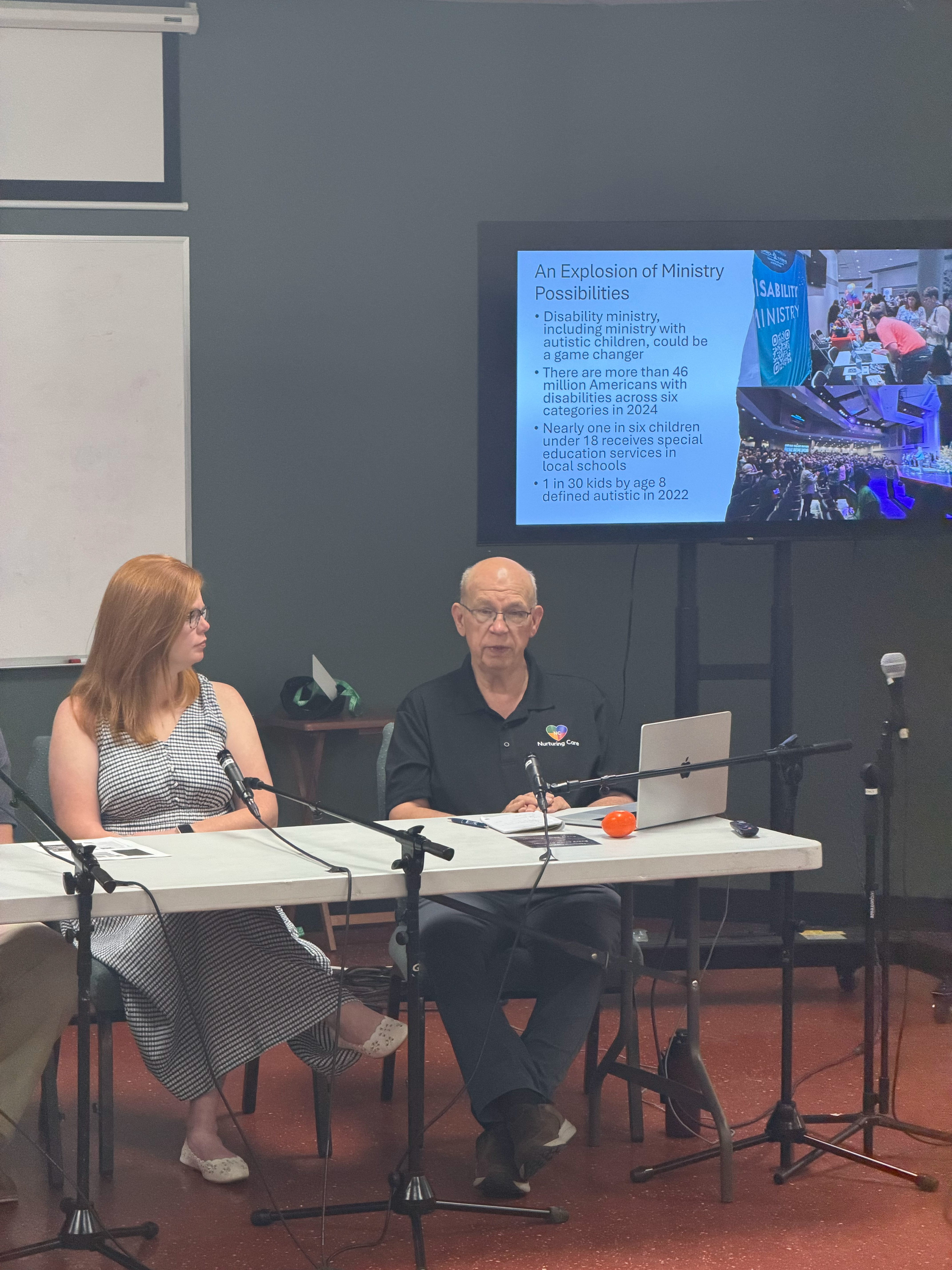
Blevins opened the discussion by describing disability ministry as existing “on the spectrum”—not simply because of autism, but because disability itself encompasses tremendous diversity. Hearing, vision, mobility, cognitive disabilities, mental health concerns, and autism all require thoughtful, contextual responses rather than one-size-fits-all programs. The statistics illustrate both the challenge and the opportunity.
Nearly one in six children receives special education services, while autism diagnoses continue to increase. Yet many churches remain uncertain where to begin, often assuming disability ministry requires specialized expertise beyond their capacity.

The experience of the Nurturing Care Initiative suggests otherwise. What began as a modest effort has grown into a network of more than 60 churches, including over 35 congregations actively developing autism-focused ministry prototypes. Rather than waiting for perfect solutions, churches are experimenting, learning, and adapting together.
Ministry That Extends Beyond Childhood

Brad Lee urged church leaders to expand their understanding of disability ministry beyond children’s programming. “Disability ministry is cradle to grave,” he explained.
Parents often carry extraordinary responsibilities that leave little opportunity for rest or relationships. Some couples have not enjoyed a date night in years because appropriate care is unavailable. Siblings frequently shoulder emotional burdens while receiving little attention themselves.

Lee encouraged pastors to frame disability ministry differently when speaking with church boards and leadership teams. Rather than presenting another ministry need, churches can recognize the opportunity to reach “the largest underserved population of unchurched people in the United States.” He also questioned traditional ministry structures built primarily around age divisions. For individuals whose cognitive development differs significantly from their chronological age, conventional nursery, children’s, youth, and adult ministries often fail to provide appropriate belonging or discipleship.
“This is a ‘we’ thing,” Lee emphasized. “Not a ‘me’ thing.” Effective disability ministry requires shared leadership across the congregation rather than depending upon a single specialist.
Leadership That Champions Rather Than Controls
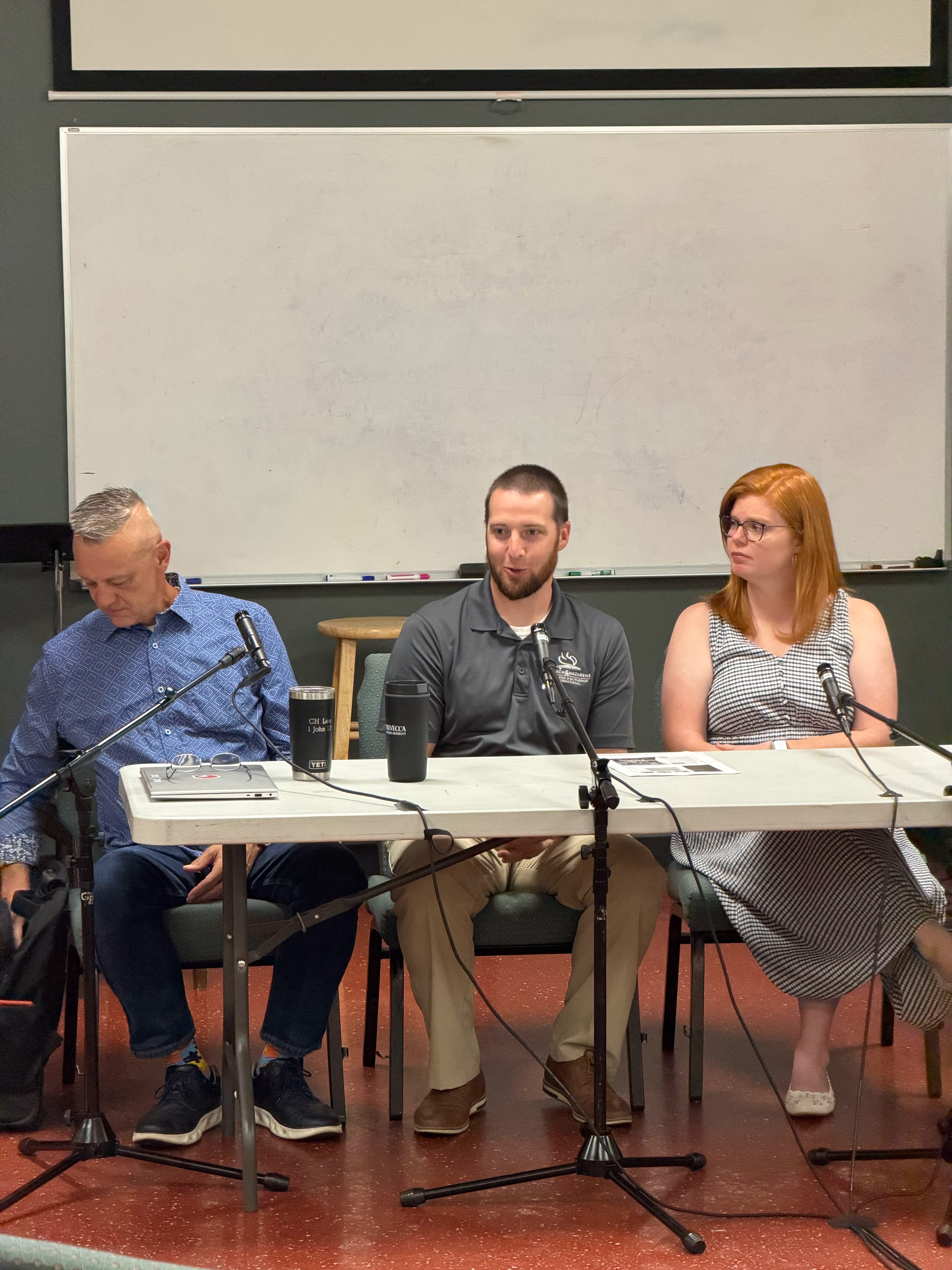
Ryan Nelson echoed the importance of shared responsibility while encouraging pastors not to feel pressured to become disability experts overnight. Instead, lead pastors should become champions.A champion advocates publicly, encourages volunteers, preaches regularly about belonging and inclusion, and creates space for ministry leaders to flourish.
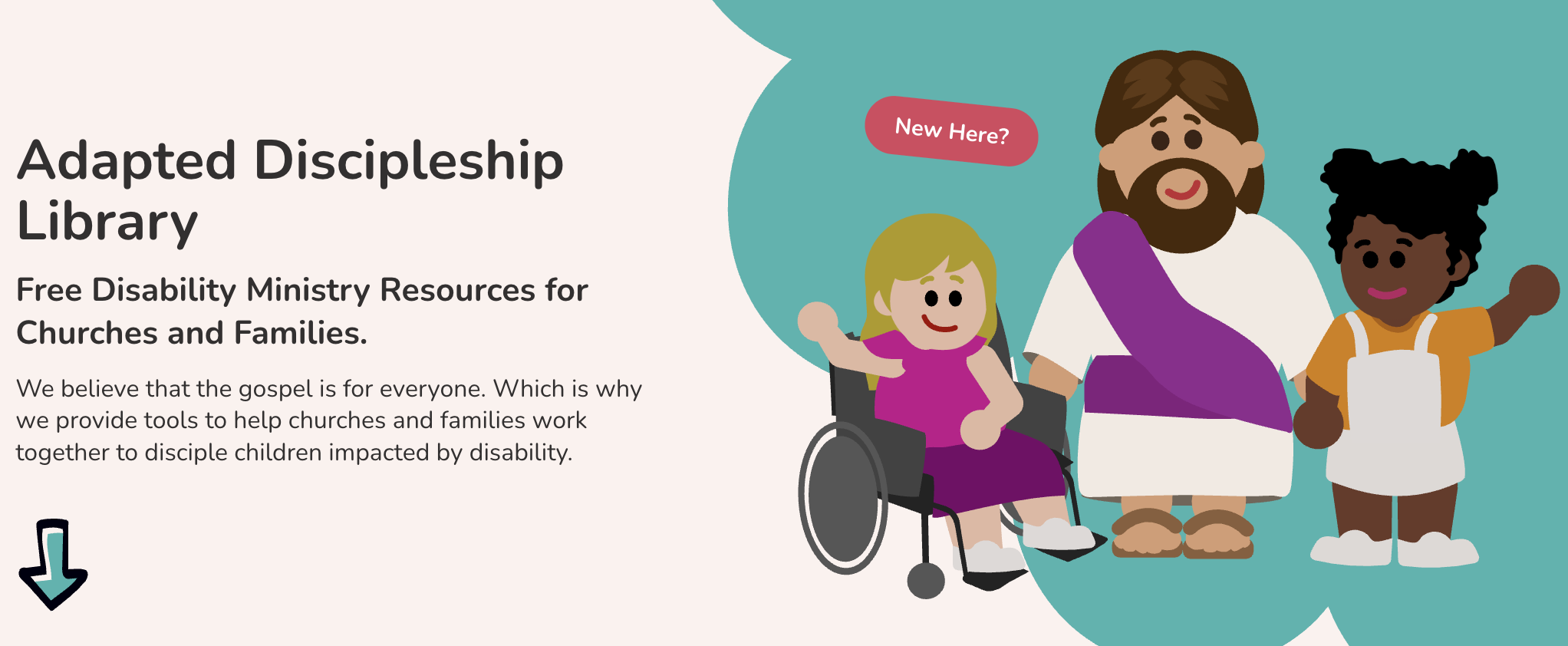
Through Nazarene Discipleship International’s free Adapted Discipleship Library, churches already have access to training videos, classroom resources, and adapted Bible curriculum designed to support local ministry.
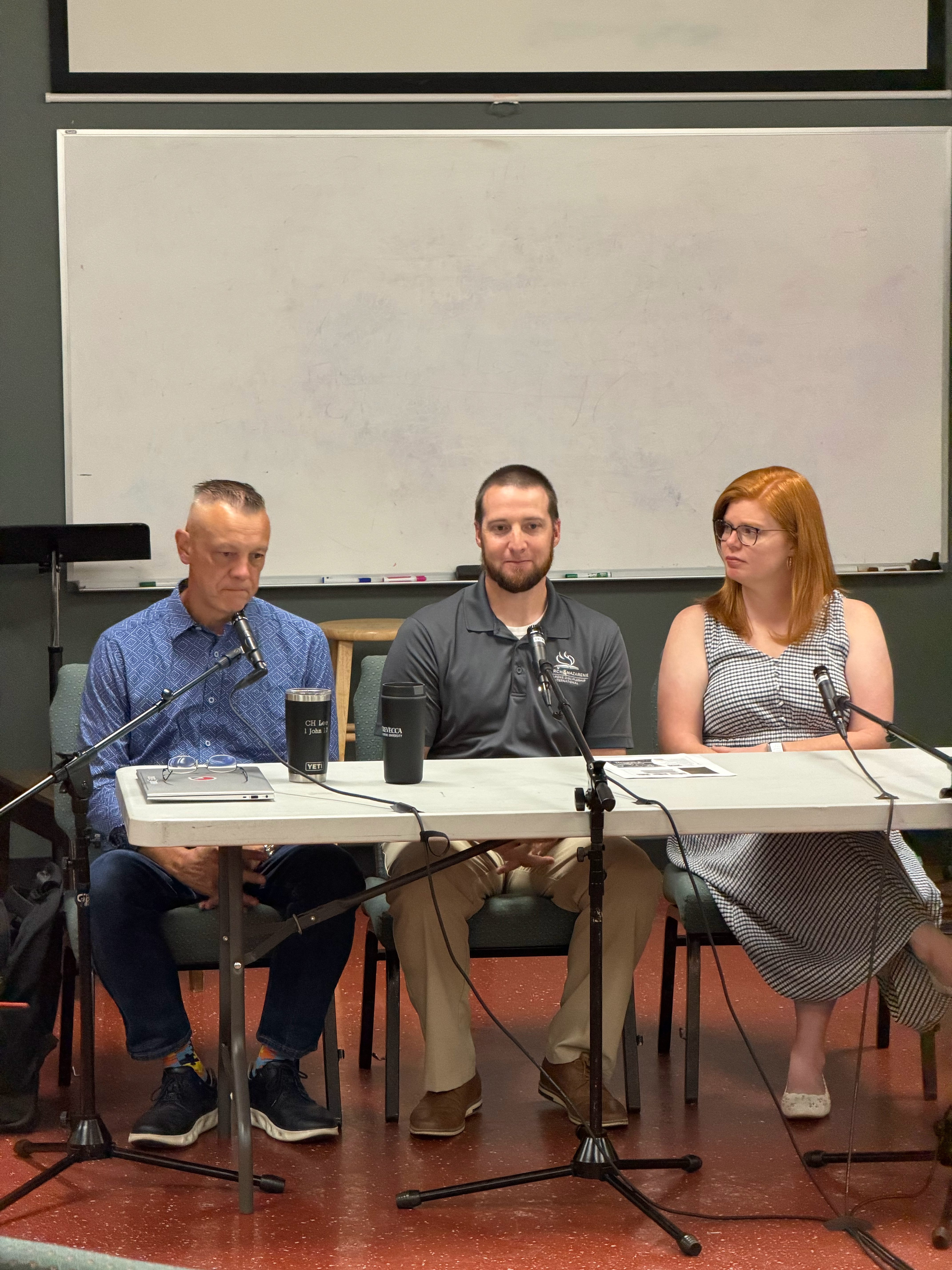
Nelson emphasized that no universal model exists. “Disability ministry isn’t cookie cutter,” he explained Every congregation should prayerfully discern two questions: What is one thing we can do now? And what is one thing we can dream toward? He also highlighted the importance of safety and clear expectations. Churches should partner closely with families to understand hopes, concerns, behavioral needs, and appropriate boundaries before ministry begins.
Dignity, Agency, and Resilience

Kayla Smith offered a theological framework centered on three guiding principles: dignity, agency, and resilience.
Dignity begins by recognizing the God-given worth of every individual, regardless of age or ability. Rather than viewing disability primarily as a ministry challenge, Smith argued that differences become opportunities for congregations to deepen discipleship and discover new expressions of God’s image.
Agency invites churches to create environments where people can genuinely be themselves. This often requires questioning unspoken assumptions about how people should behave in worship, communicate, or participate in congregational life.
Finally, resilience shifts attention away from helping only individuals with disabilities cope with hardship. Instead, resilient churches become communities capable of adapting together, embracing complexity rather than resisting it.
Start With the Saints Already Among You
As the discussion concluded, Blevins synthesized the panel’s insights into a practical strategy for churches wondering where to begin.
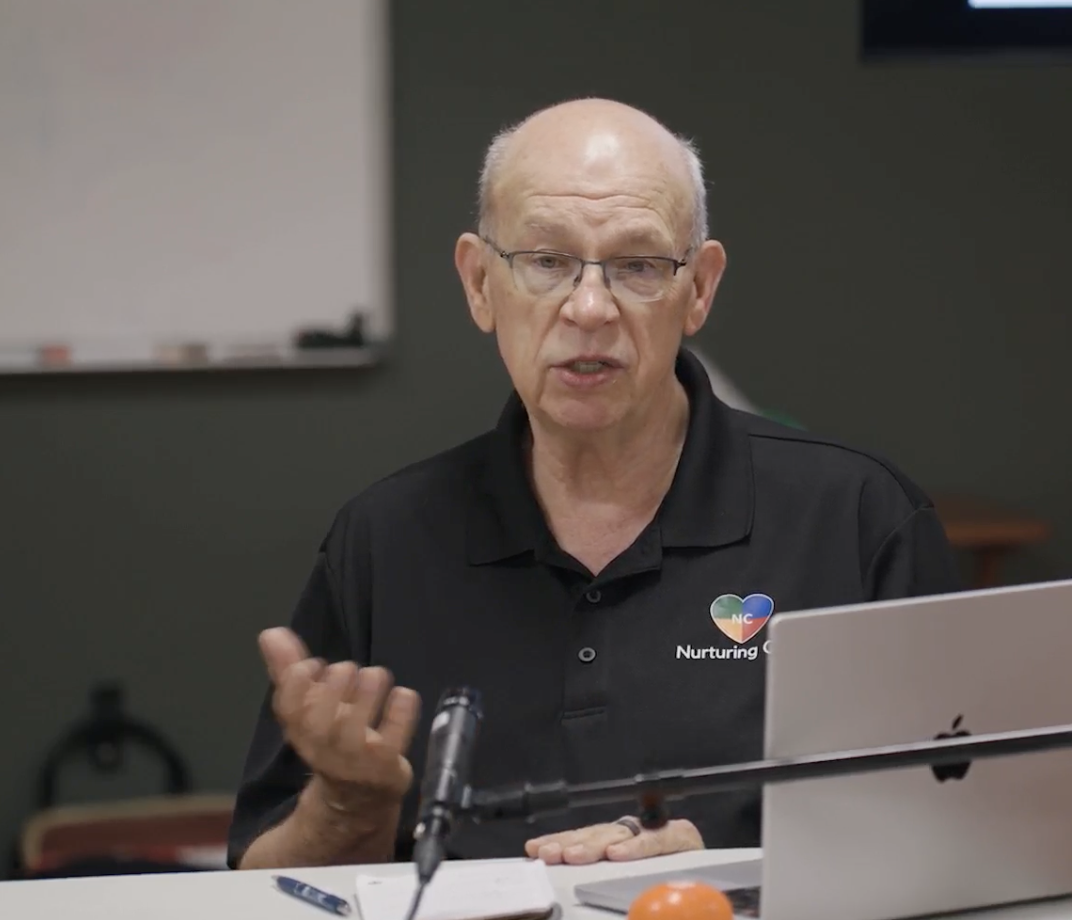
The greatest obstacle, he argued, is attempting to solve every disability challenge simultaneously—a pattern he described as a “Garbage Can Approach” to organizational decision-making. When leaders feel compelled to to address every possible need at once, congregations often become overwhelmed and accomplish little, or just flee from the challenge. Instead, churches should begin with the people already present in their community. Identify the “saints in your midst.” Learn their names, hear their stories, recognize their gifts, and understand their daily experiences..
This approach draws heavily from design thinking, which begins not with solutions but with empathy. Ministry leaders are encouraged to ask families about their hopes, fears, frustrations, and aspirations before designing new programs.
Rather than asking what churches should do, Blevins recommended asking, “How might we begin?” That simple shift opens space for creativity.
Think Like a Prototype
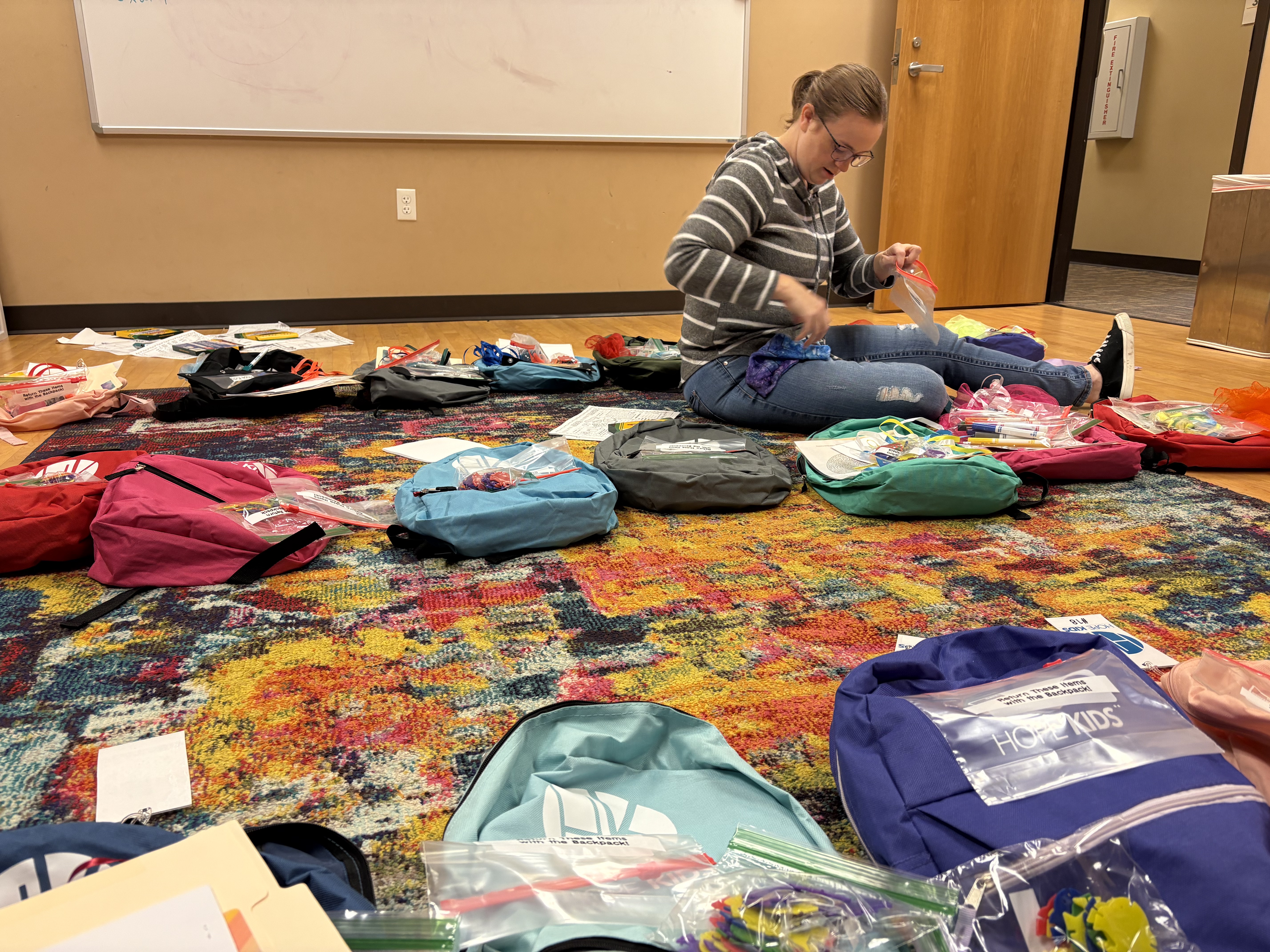
Instead of implementing large strategic initiatives immediately, Blevins encouraged churches to develop prototypes—small experiments designed for learning. One congregation, for example, developed an alternative prayer practice for a child who was considered non-speaking. Rather than requiring verbal participation, leaders explored new ways for the child to engage in prayer. Unexpectedly, the child began expressing prayers through intuitive and creative forms of communication that transformed the congregation’s understanding of worship.
The goal is not perfection. It is learning. Every successful ministry innovation, Blevins suggested, begins as “an idea to explore” rather than a finished strategy.
Responding to Complex Needs
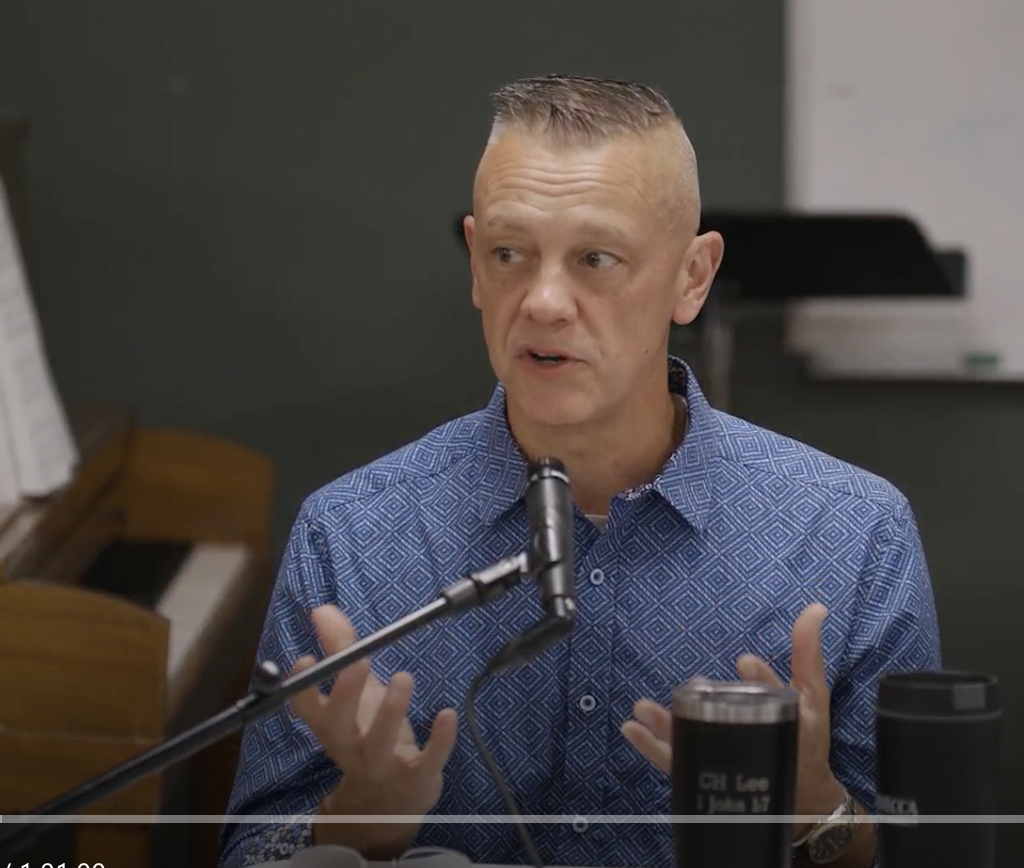
During the question-and-answer session, participants asked how churches should minister to nonverbal autistic teenagers who occasionally become physically aggressive. The panel stressed that safety must always remain the first priority. Churches should determine, alongside families, what support they can realistically provide while maintaining appropriate boundaries for everyone involved. Volunteers expected to intervene physically should receive proper training to prevent injury or additional trauma.
Several practical recommendations emerged:
- Develop clear response plans for meltdowns and behavioral crises.
- Create designated sensory rooms or quiet “peace spaces.”
- Brainstorm ideal ministry possibilities before identifying realistic first steps.
- Remember that behavior communicates unmet needs, even when its meaning is not immediately obvious.
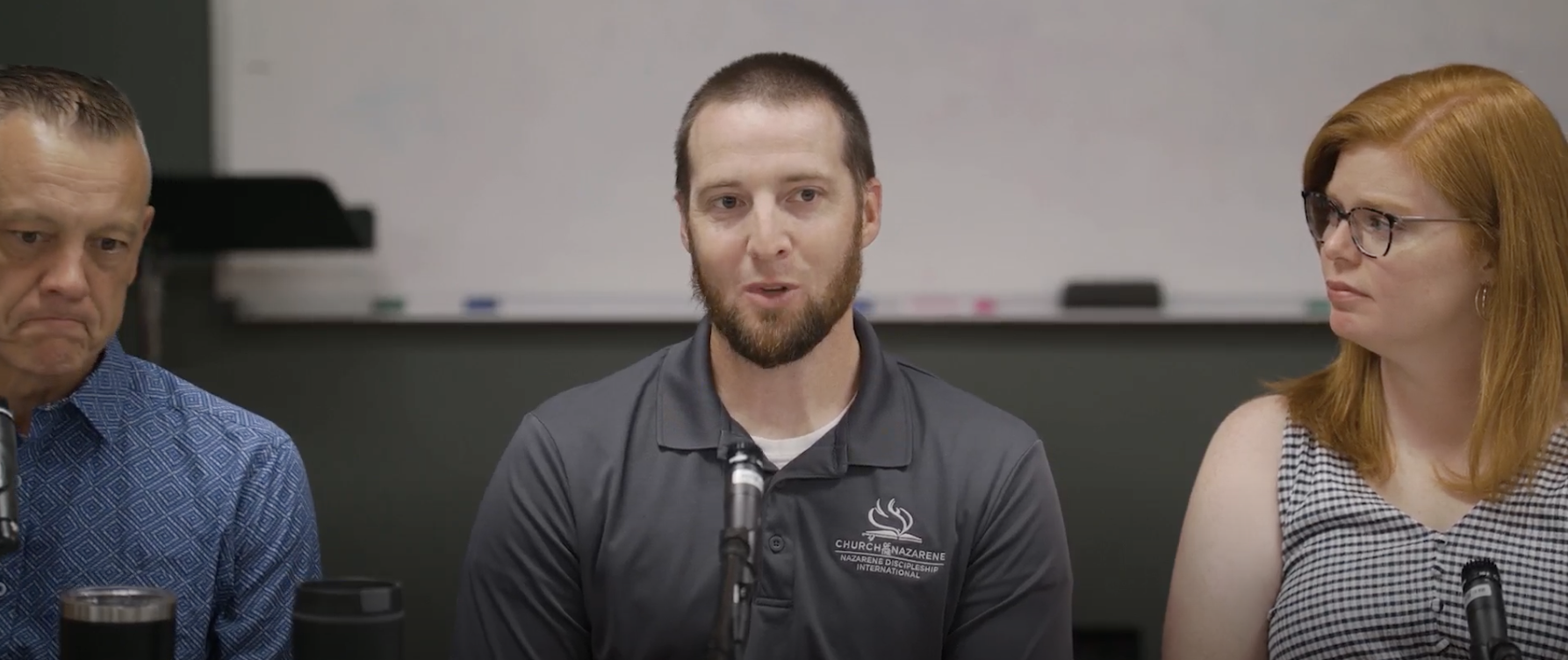
Perhaps most importantly, the panel urged ministry leaders to replace judgment with curiosity. Fear, sensory overload, anxiety, rejection, or loss of control often lie beneath difficult behaviors. Churches may not always interpret those signals correctly, but cultivating compassionate curiosity creates healthier relationships than reacting with assumptions.
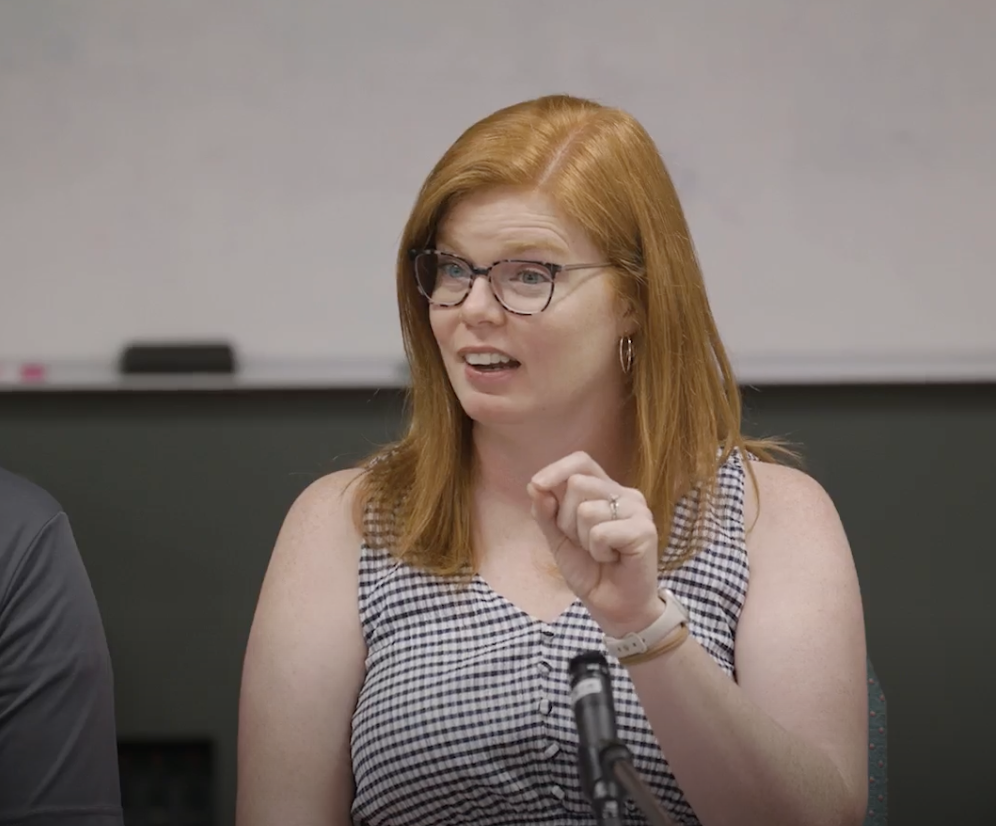
The panel also challenged congregations to trust children’s remarkable capacity for empathy. Honest conversations following difficult moments can become formative experiences, helping young people learn compassion, patience, and belonging. As one participant observed, disability ministry is often “messy ministry”—the kind that resists simple formulas but reflects the everyday realities of life together in the body of Christ.
Looking Ahead
Blevins concluded by highlighting several forthcoming initiatives, including new resources on preaching and disability, a practical ministry text, and ongoing efforts toward a proposed 2027 General Assembly resolution encouraging disability ministry throughout the denomination.
The larger vision extends beyond autism or any single diagnosis. It is a vision of churches learning to welcome every person as a gifted member of Christ’s body. For congregations wondering where to begin, the panel offered a reassuring reminder: meaningful change rarely starts with comprehensive plans. It starts with noticing the people God has already placed among us, listening well, and taking the next faithful step together.
To watch this video and learn more from Nurturing Care videos visit our NTS Praxis Repository. If you are interested in developing prototypes, review information on Nurturing Care’s upcoming retreat in Leavenworth KS or visit www.nurturingcare.org for ongoing information.
Nurturing Care Churches Are Learning to Turn Welcome into Practice
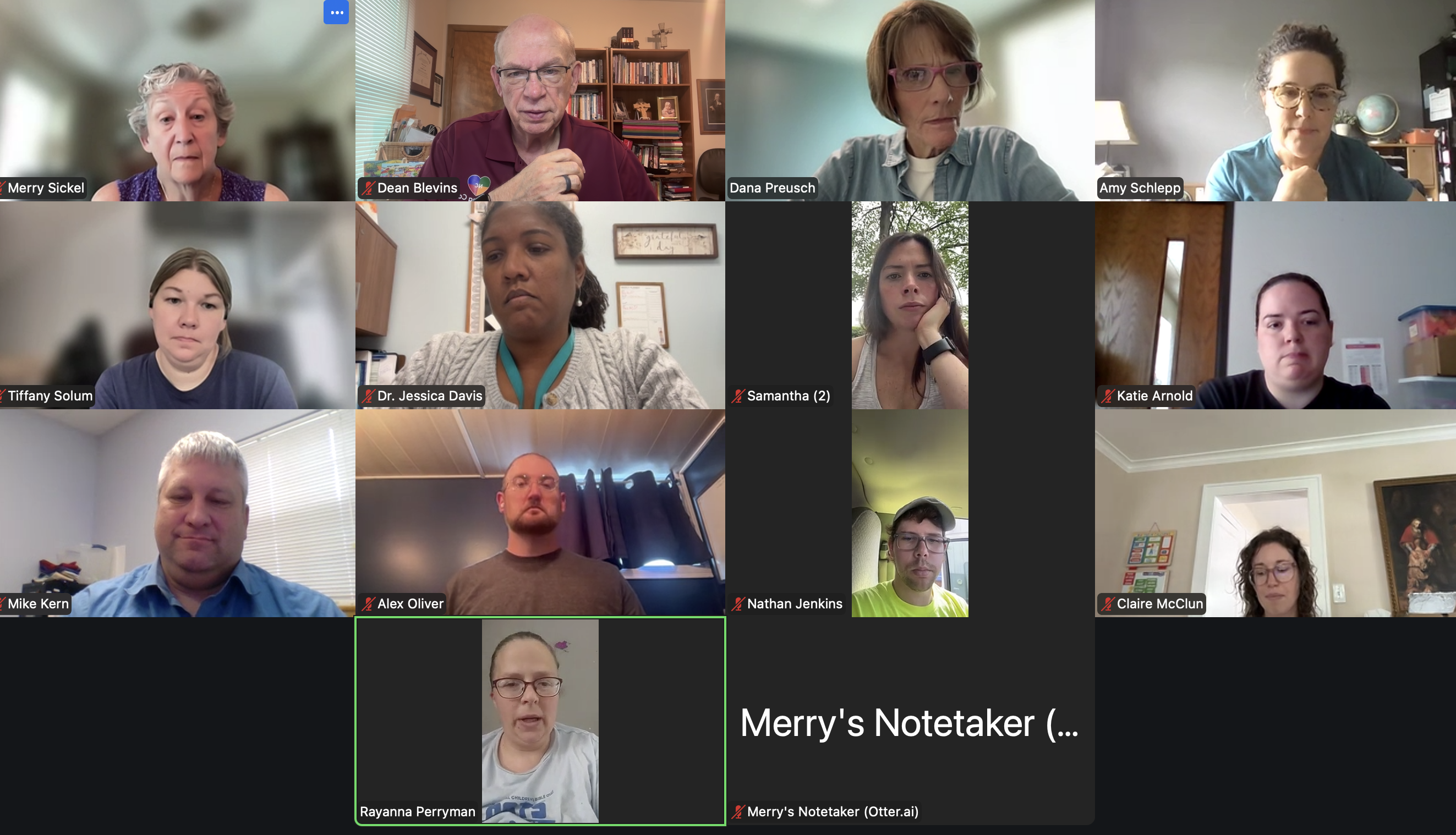
Across the Nurturing Care Midwest network, churches are discovering that inclusion is not a single program but a steady reshaping of congregational life. From sensory bags and fidget tools to respite dreams, volunteer training, accessible spaces, and new language for worship, congregations are learning how to welcome neurodivergent children and families with intention, dignity, and joy. The June reports and group conversation reveal a common thread: small adaptations, faithfully offered, are becoming means of grace.
Creating Worship Spaces Where Children Can Belong
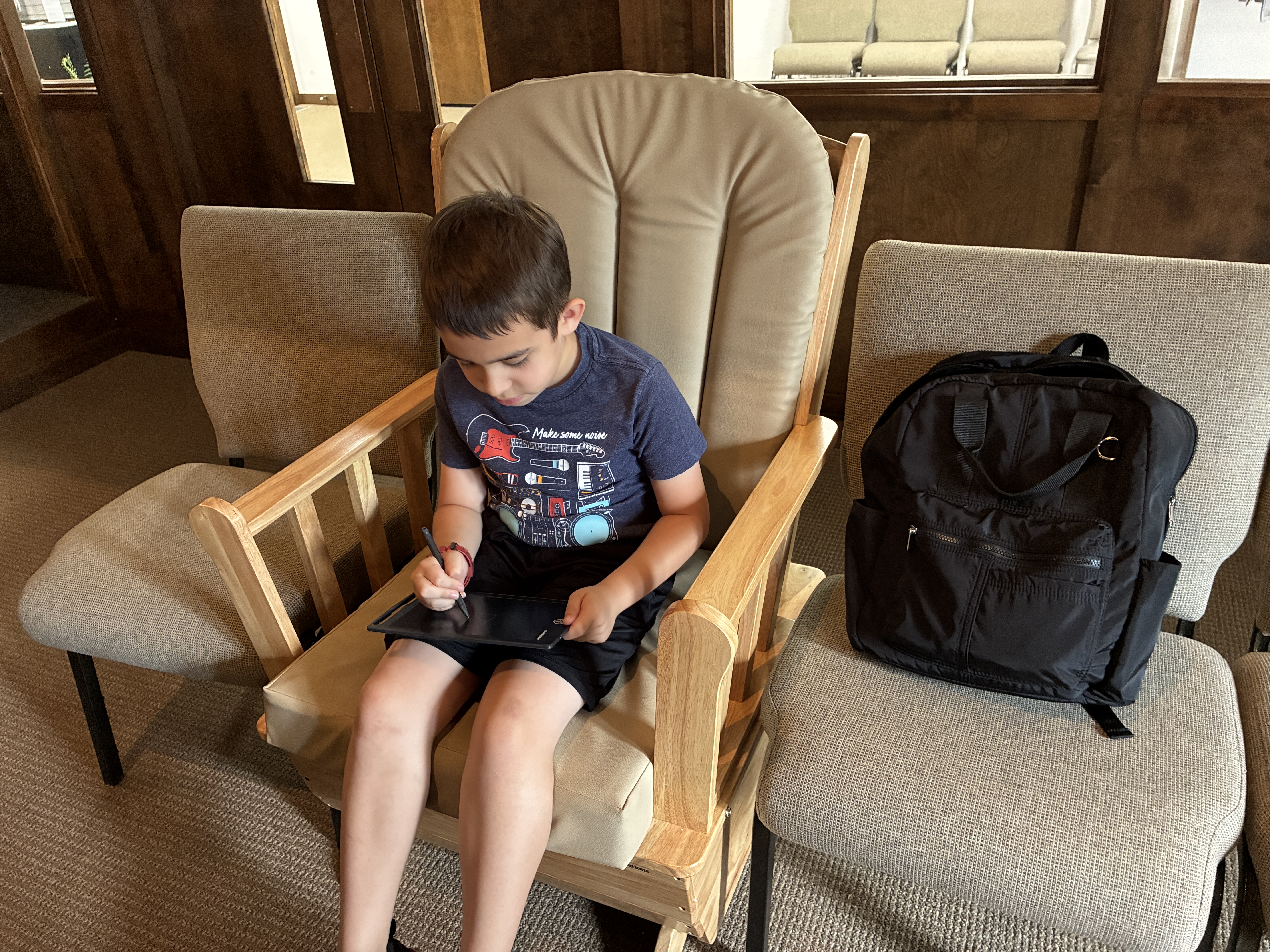
At New Hope Church of the Nazarene, Merry Sickel described a moving God sighting: a young ASD student independently went to the altar to pray for the first time, without prompting or help from his buddy. New Hope also added supports such as a rocking chair, sensory backpack, wobble seat, fidgets, and a phonics phone, helping one teen remain in worship and move toward a calmer Sunday rhythm.
At The Light KC, JoBeth Crank shared that resources normally used in the classroom are now available on Family Sundays in the main Worship Center. Those supports helped an autistic preschooler remain in worship with his family for the first time, using visuals, fidgets, and the safety of available headphones to manage the overwhelming parts of the service.
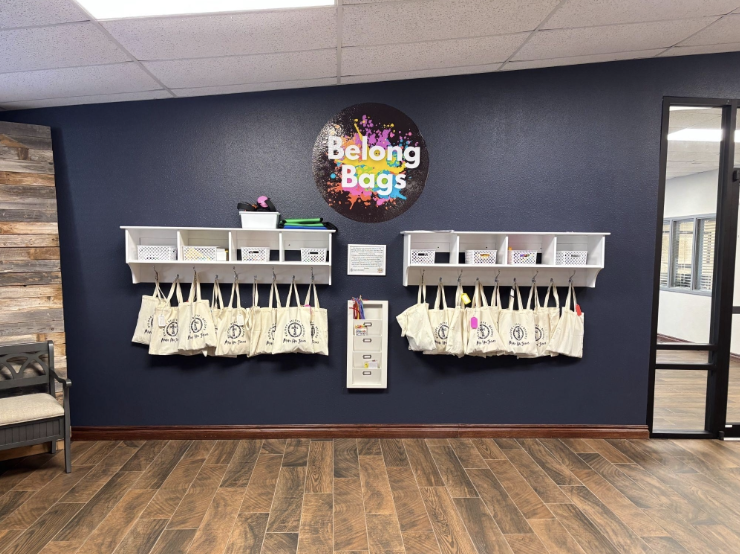
At Norman Community Church of the Nazarene, Nathan Jenkins and Wesley Grippen saw sensory bags become a visible sign of welcome during Easter worship, when children and adults eagerly reached for them as they entered the sanctuary. The church also discovered that its sensory-friendly space served families during funerals, allowing children to process grief while remaining connected to the worshiping community.
Simple Tools, Deeper Formation
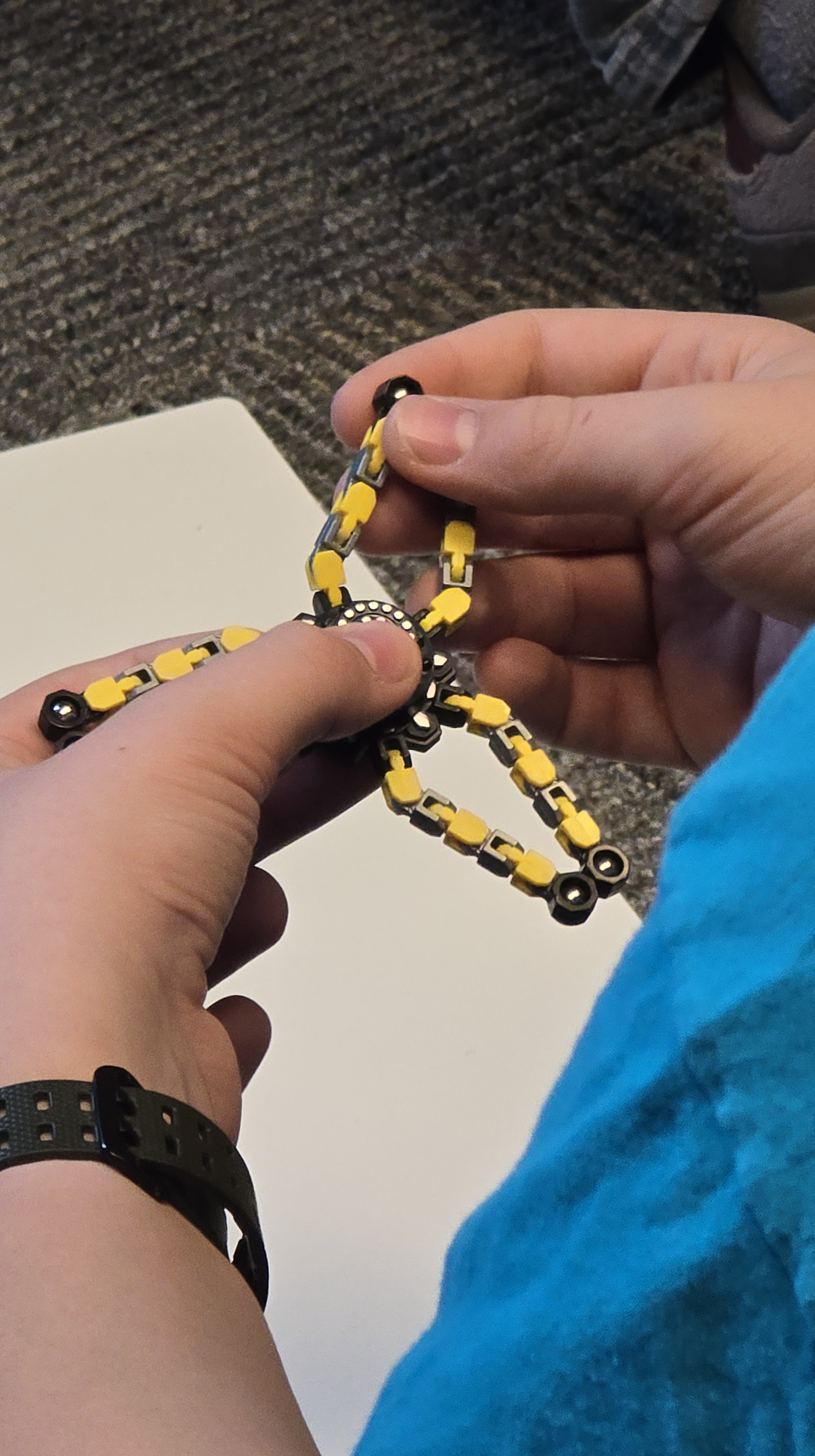
At Living Hope Church, Tiffany Solum told a humorous but revealing story about a child correcting a substitute volunteer: fidgets could stay out if they were being used as “tools and not toys.” The moment showed that children were not only benefiting from sensory supports but also learning to advocate for what helps them participate.
At New Vision Church of the Nazarene, Rev. Alex Oliver shared that adaptive worship tools have begun helping adults as well as children. Fidgets, drawing pads, coloring pages, and prayer beads have helped worshipers stay present, and one congregant who had not previously volunteered began quietly helping keep those materials stocked and ready.
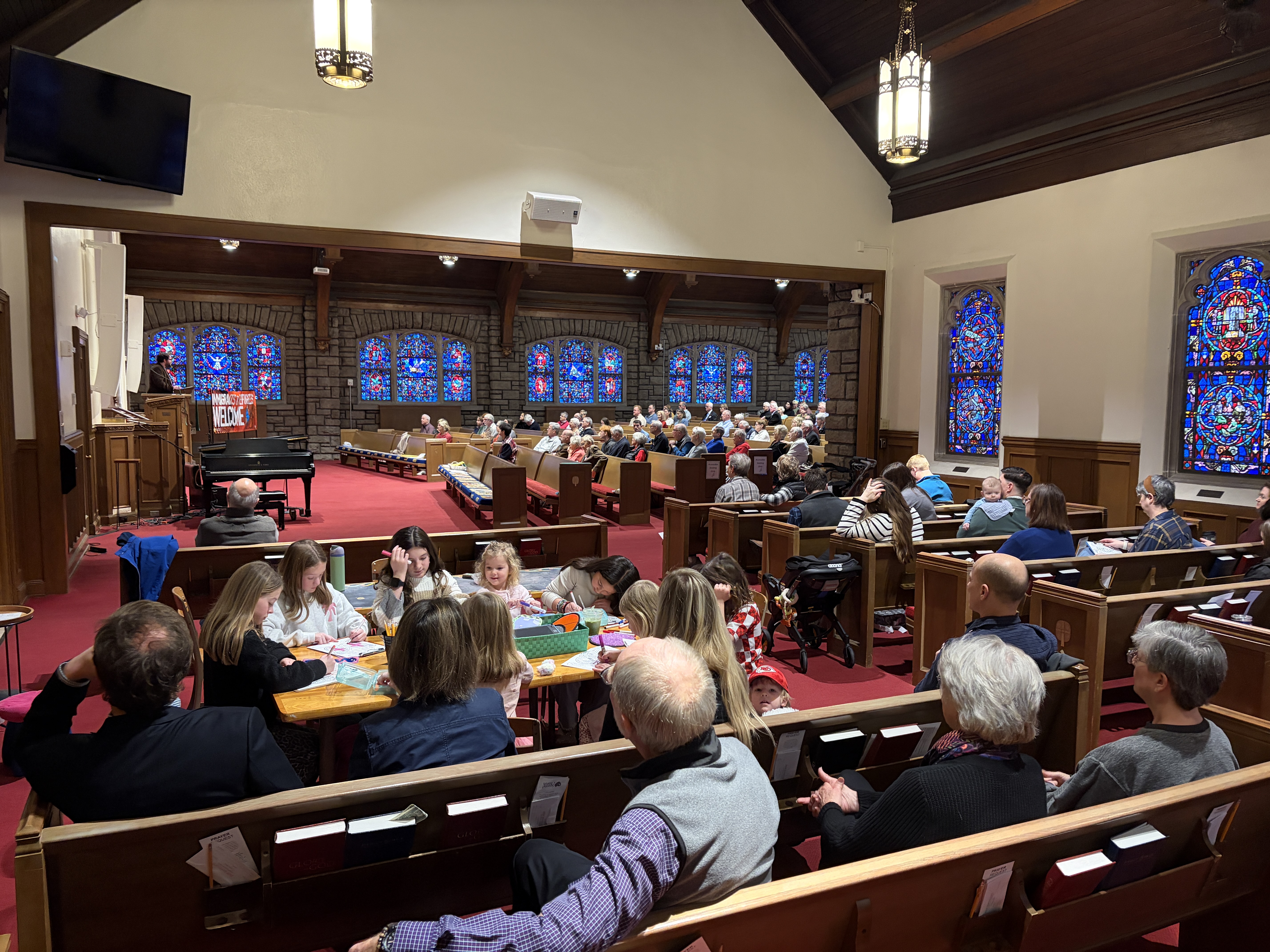
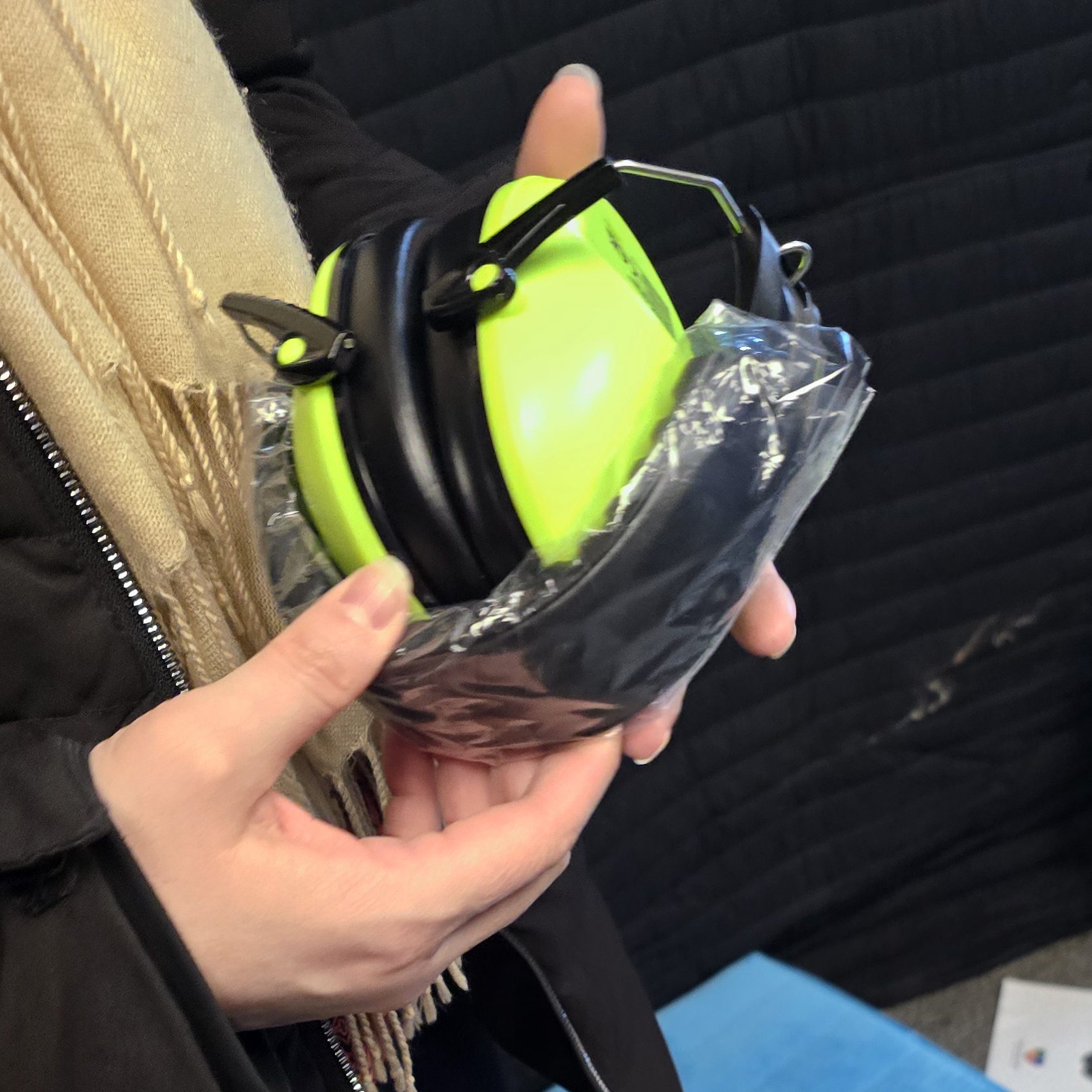
At Second Presbyterian, Sam Murphy described the church’s use of children’s bulletins, visual worship cues, headphones, and other supports as part of a broader commitment to universal design (UD). One visiting child quickly found headphones when the organ felt too loud, allowing the family to stay and experience worship with freedom and ease.
Training Volunteers and Changing Congregational Culture
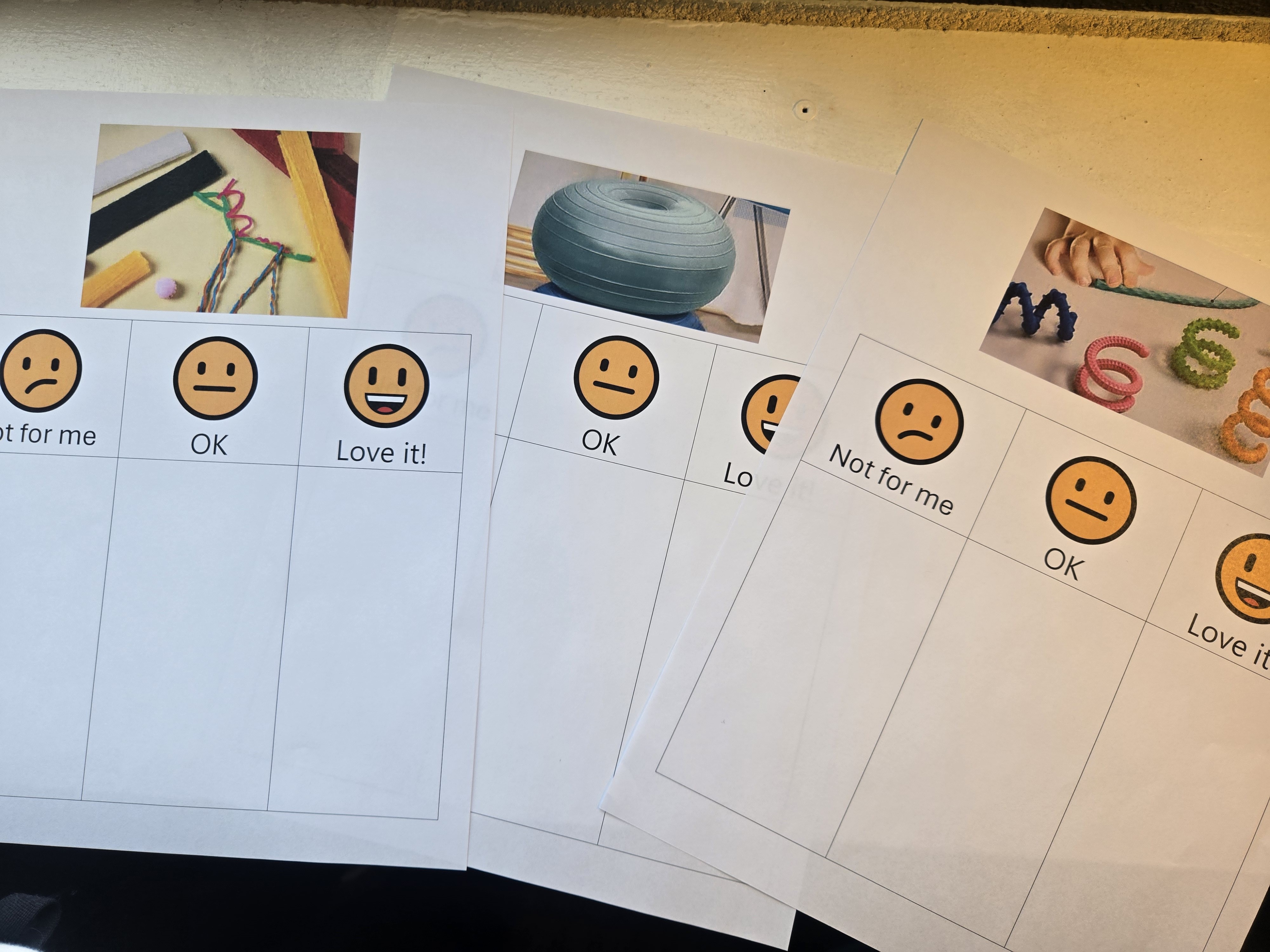
At Christ Community Church of the Nazarene, Amy Schlepp said the church has entered a season of “quiet implementation and observation.” Flexible seating, fidgets, movement tools, and buddy support are in place, but the church is learning that broad volunteer training is the crucial next step so teachers, buddies, and all children’s ministry helpers share consistent language and expectations.
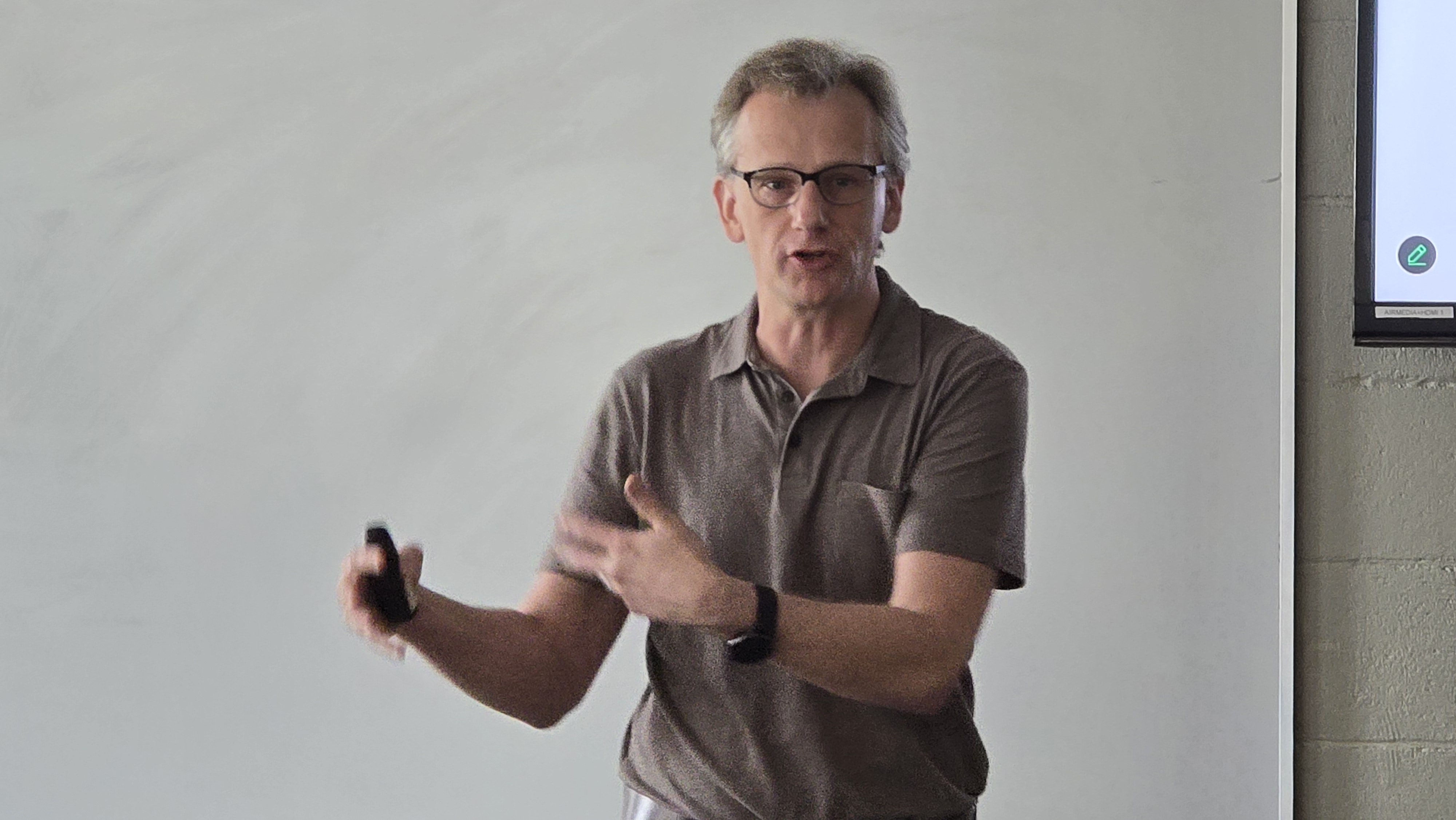
At New Hope Church of the Nazarene, Merry Sickel also reported that the church held a workshop with Kris Mitchell for ministry leaders, children’s leaders, volunteers, parents, and grandparents. The training was well received and will continue through team debriefs and further conversation.
At The Light KC, JoBeth Crank named an important learning edge: even after training, some volunteers may still struggle to understand how sensory items function as tools rather than distractions. The church is learning that implementation matters as much as purchasing resources, because adults need coaching in how to guide children toward faithful use of those supports.
Expanding Vision Beyond Sunday Morning

At Hosanna! Lutheran Church, Pastor Mike Kern described a growing discernment process around special needs ministry in the Northland. The church is exploring partnerships with Mosaic’s Rejoicing Spirits network, SOAR, the City of Liberty, and Liberty School District while dreaming about a purpose-built accessible space for indoor play, workshops, support groups, respite care, and broader community ministry.
At Matthew’s Ministry / Church of the Resurrection, Dr. Jessica Davis spoke of “baby steps” toward expanding a culture of welcome across multiple locations. With nine locations and flourishing Matthew’s Ministry work in only some of them, the challenge is helping every site become ready to welcome families when they arrive, rather than sending them elsewhere or asking them to wait.
At New Vision Church of the Nazarene, Rev. Alex Oliver also described how preaching can become part of culture change. After a sermon on Luke 15 and the lost coin, a congregant confessed resistance to adaptive changes and began to see neurodivergent children and families as people the church must not lose through carelessness.
Building Community Among Families and Churches
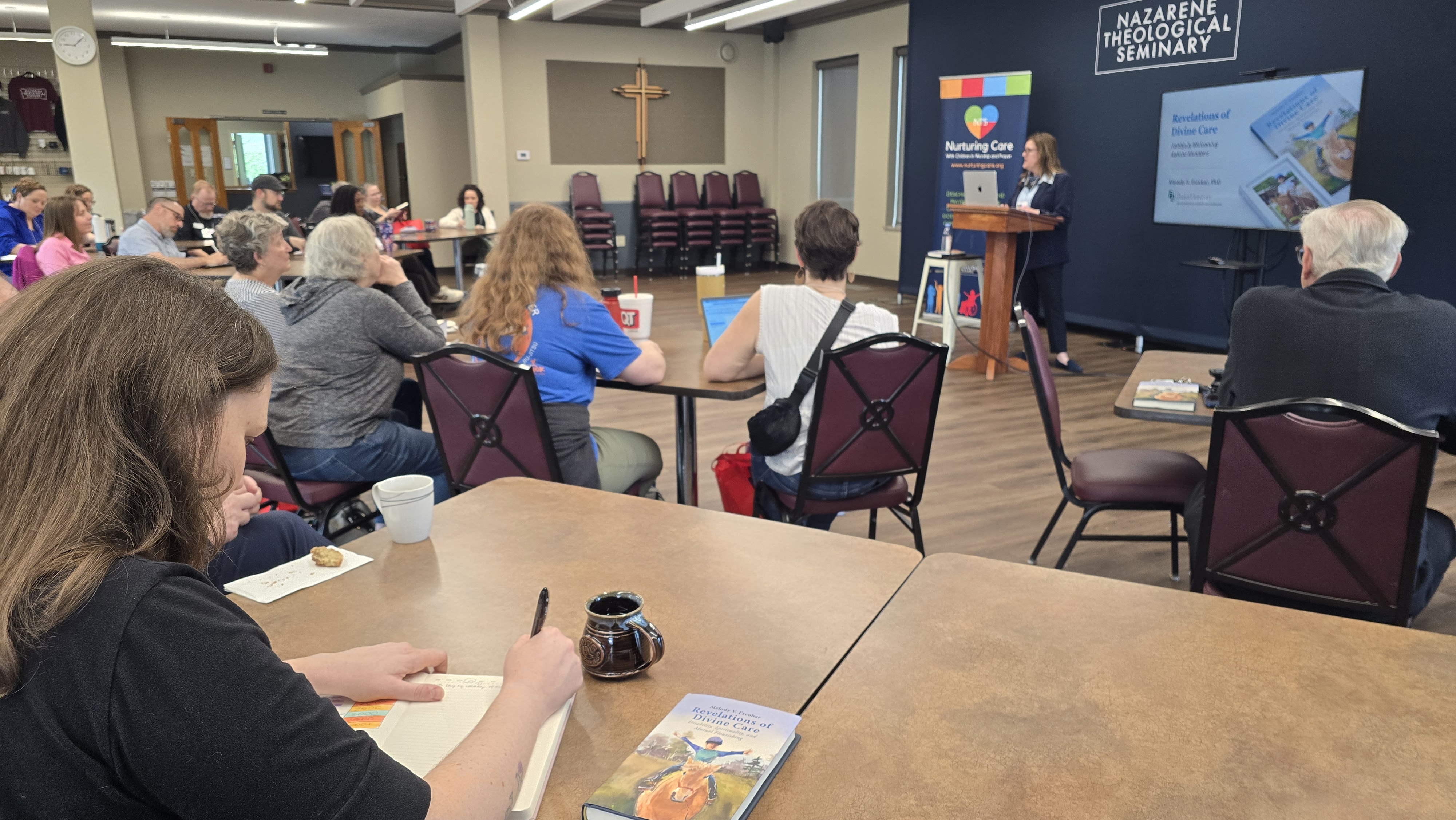
Claire McClun with Engage Church network reflected on training with Dr. Melody Escobar and research from Baylor’s Center for Developmental Disabilities and Flourishing, especially the need for respite care and family support. She described facilitating connection among families at a congenital heart difference camp and seeing how isolated parents became deeply engaged when given space to share stories and resources.
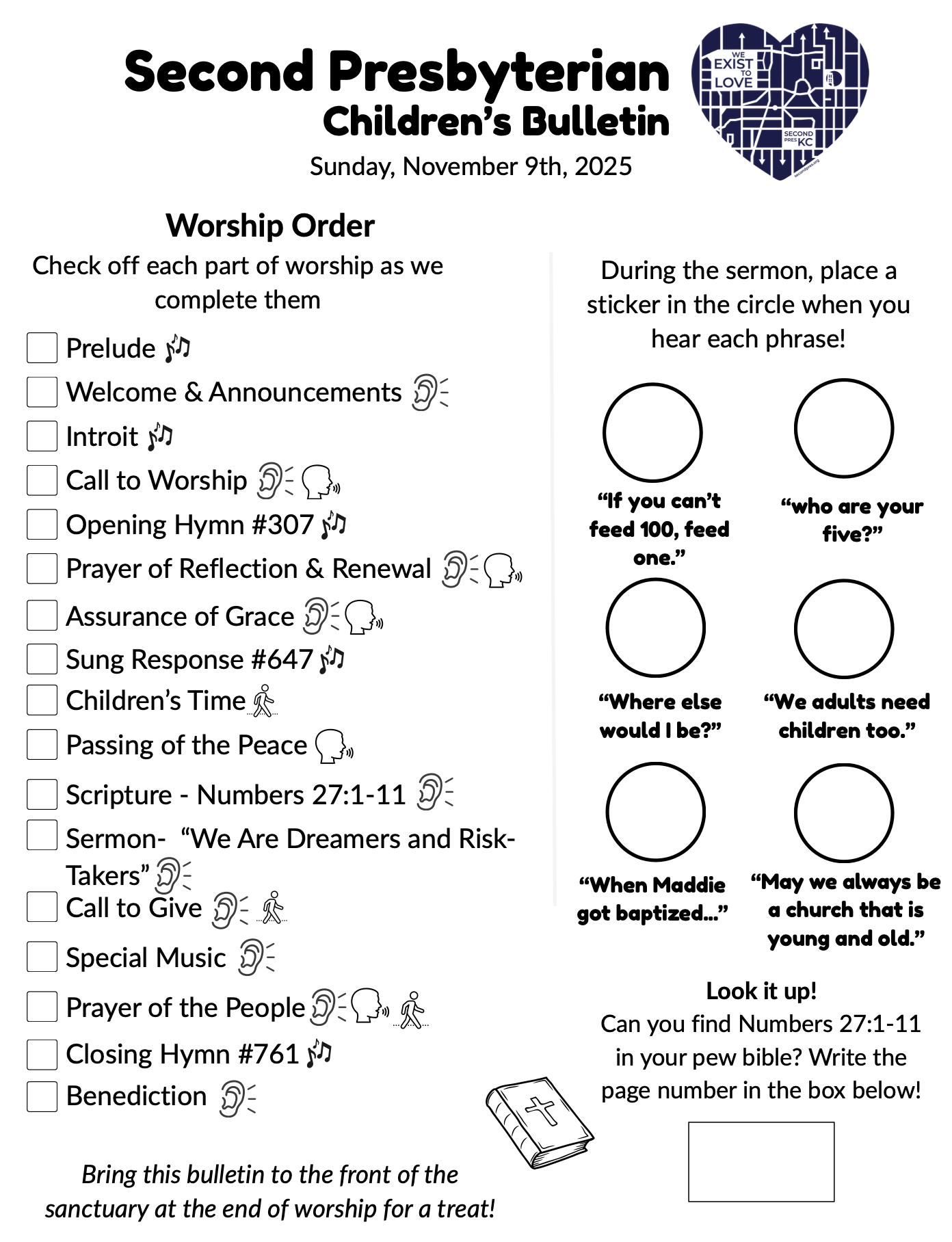
Claire also highlighted the value of churches learning from one another, naming how a visit to Second Presbyterian shaped her own use of visual icons for listening, speaking, and movement. Her experience with the Food, Fun, and Faith group showed how educators, parents, and neurodivergent families within a congregation can become vital guides for shaping expectations, group rhythms, and sensory practices. She has expanded the range of opportunities in her own ministry with the Play for All gatherings hosted in her community.
At Christ Community Church of the Nazarene, Amy Schlepp and Rayanna Perryman shared how Vacation Bible School became a testing ground for a behavior plan, breaks, sticker charts, and consistent helpers. Their experience with Gideon showed that planning, motivation, and shared support can help a child participate more fully while also teaching partner churches and volunteers to appreciate neurodivergent children as known and beloved members of the community.
A Shared Witness of Grace
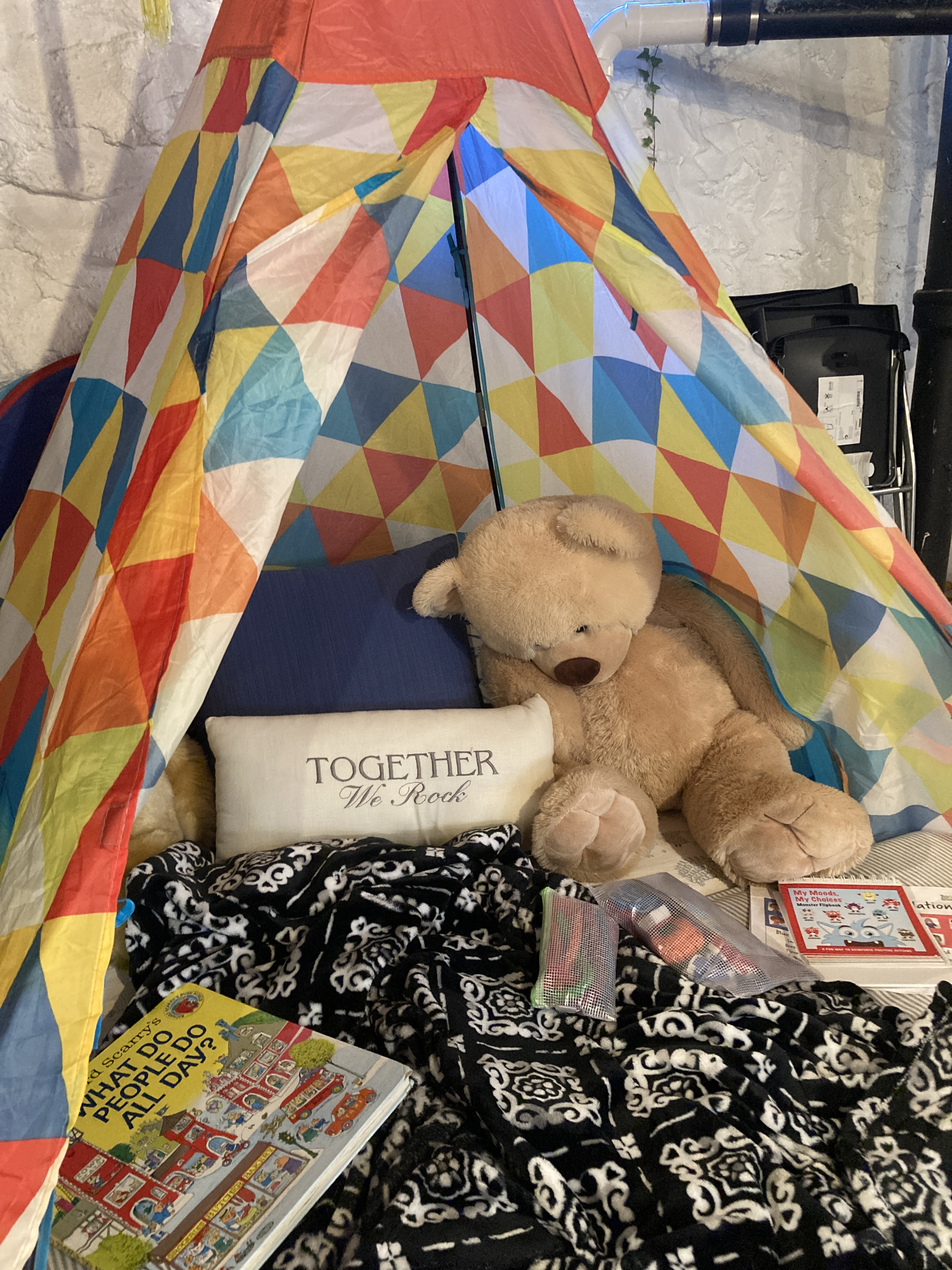
The churches in Nurturing Care are not all at the same stage. Some are installing cabinets, filling sensory bags, and creating visual schedules; others are dreaming about accessible buildings, respite ministries, and multi-site culture change. Together, they are learning that welcome is both practical and spiritual: sometimes it looks like a rocking chair, a sticker chart, a pair of headphones, a trained volunteer, or simply someone turning on a light so a family knows there is room for them.
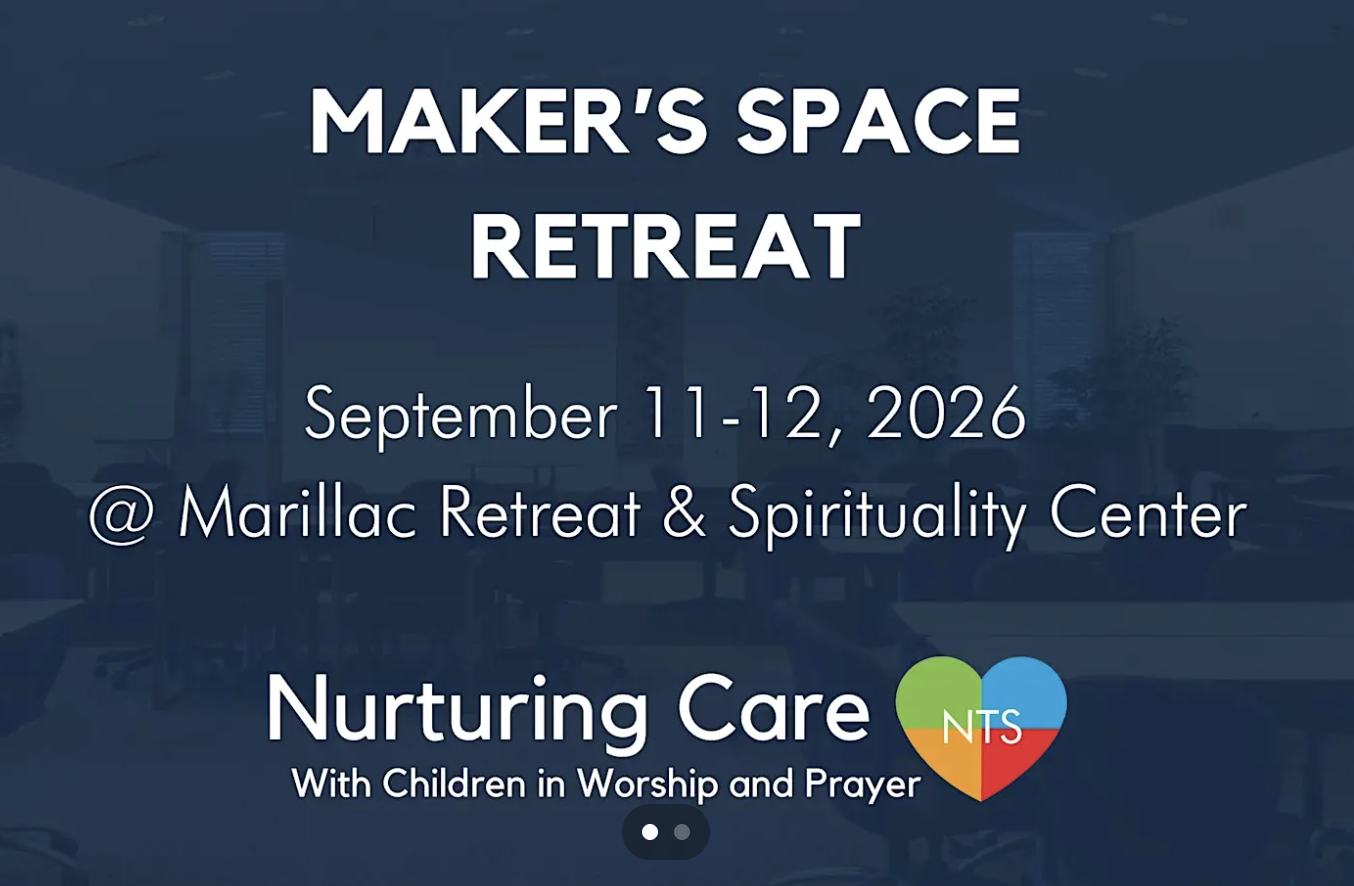
A Reminder that our next Maker’s Space for Kansas City and Midwest congregations will occur this September 11-12. If the stories of these churches intrigue you and you are interested in “how might we” work together to help autistic children experience God through worship and prayer practices. Contact us or register online at www.nts.edu/kc-makers-space
Posted in Autism, Children, disability, Family, Intergenerational, KC Nurturing Care, Leadership, Nurturing Care, Practical Theology
Tagged #NurturingCare, Autism, Children, disability, ministry, NTS, Nurturing Care
Leave a comment


