Nurturing Care Autism Updates and New Event April 13

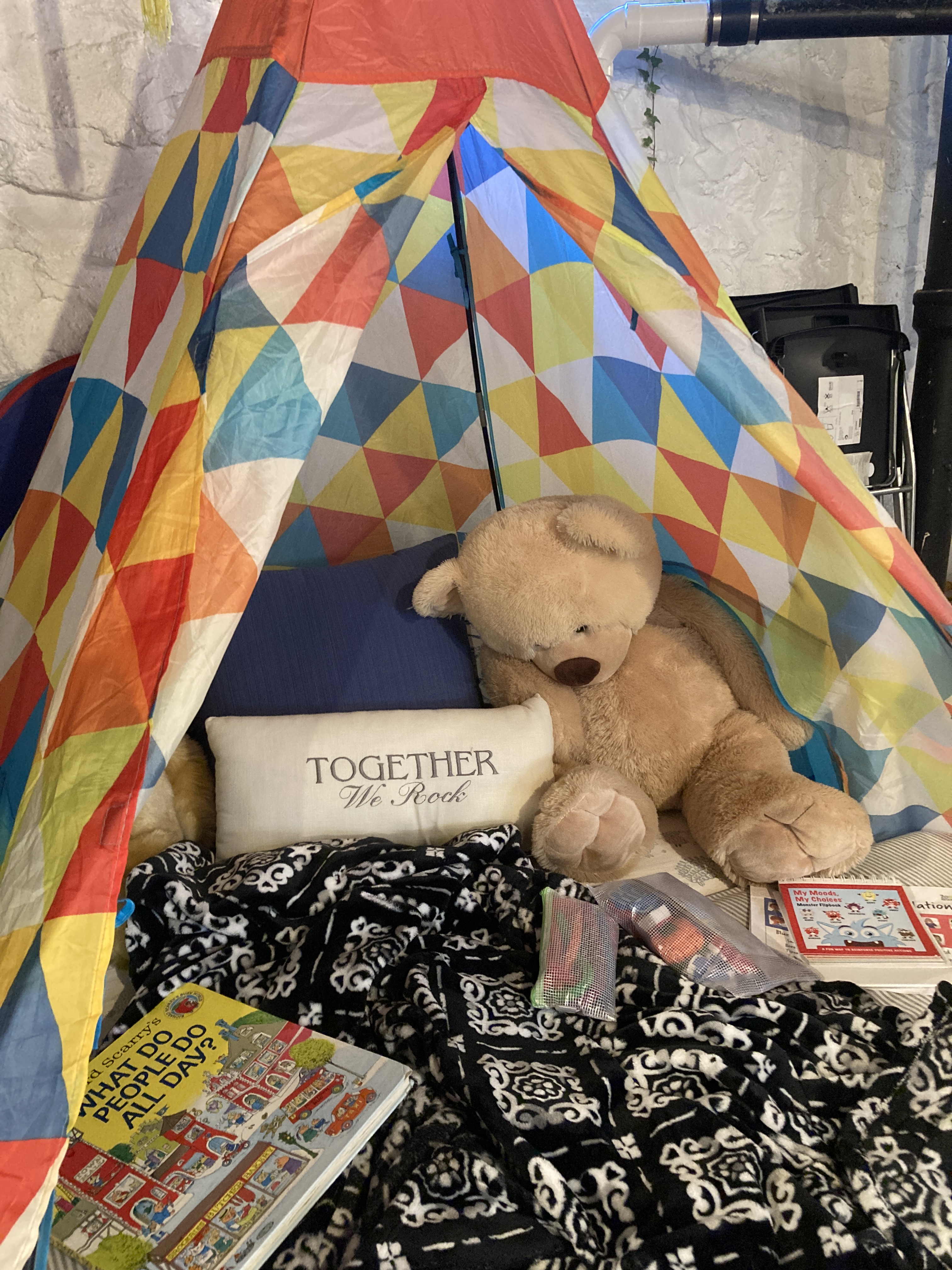
A growing network of midwest congregations are redesigning children’s ministry and worship spaces to better welcome children with autism, ADHD and other sensory needs. A recent meeting, coupled with several written updates, revealed churches pairing practical tools like flexible seating and sensory rooms with volunteer training and shared learning across churches.

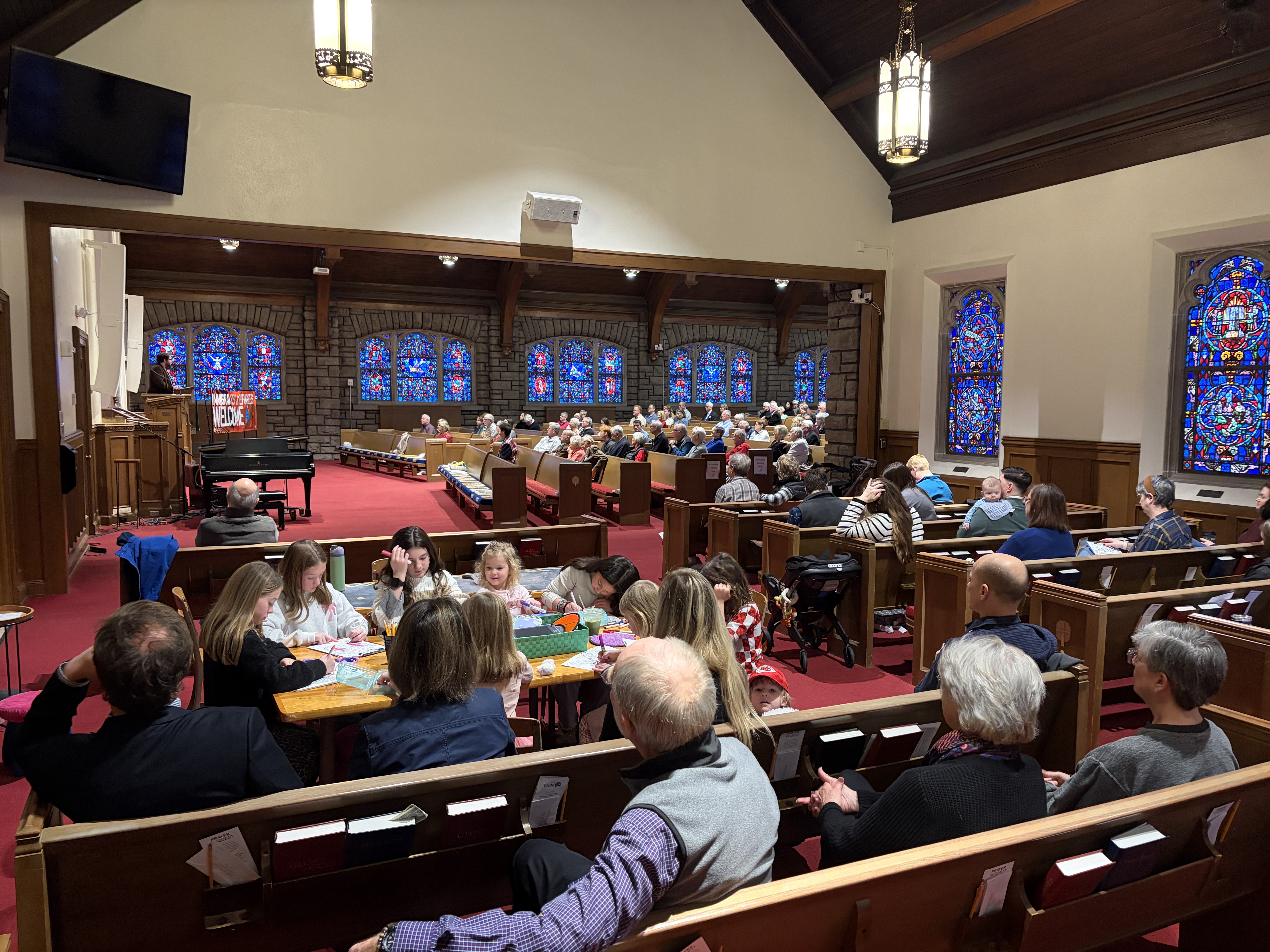
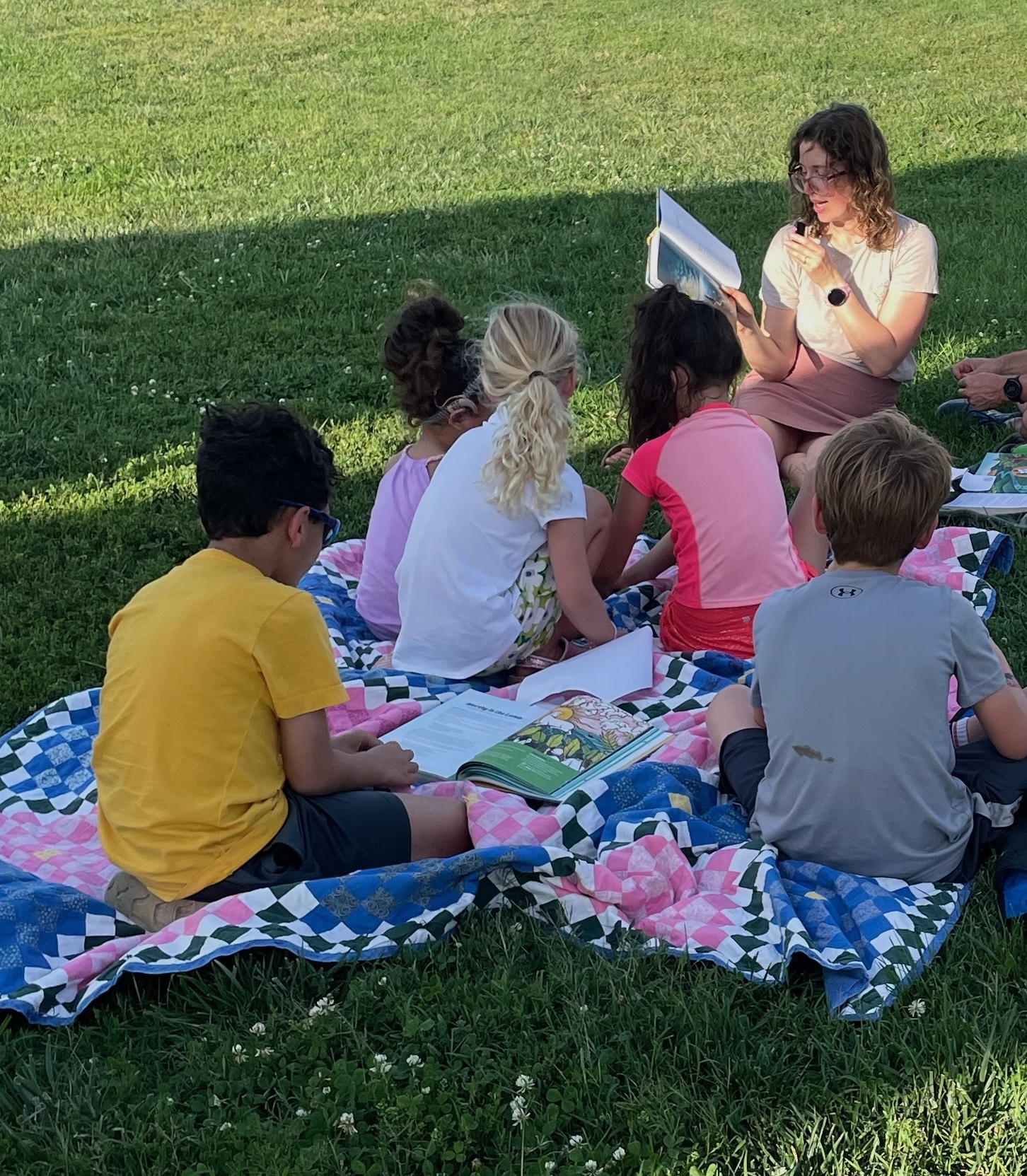
At Second Presbyterian Church in Kansas City, leaders say the most visible change isn’t a single tool—it’s how the congregation is learning to make room for children as full participants. In worship, older adults are growing more comfortable with babies crawling and kids moving in the sanctuary, while teens join preschoolers in a “pray-ground” space using a visual children’s bulletin and shared sensory bins. The report notes that even without a specific autism-focused story in this month’s update, the goal is to normalize welcome so families who arrive later “can belong exactly as they are.”

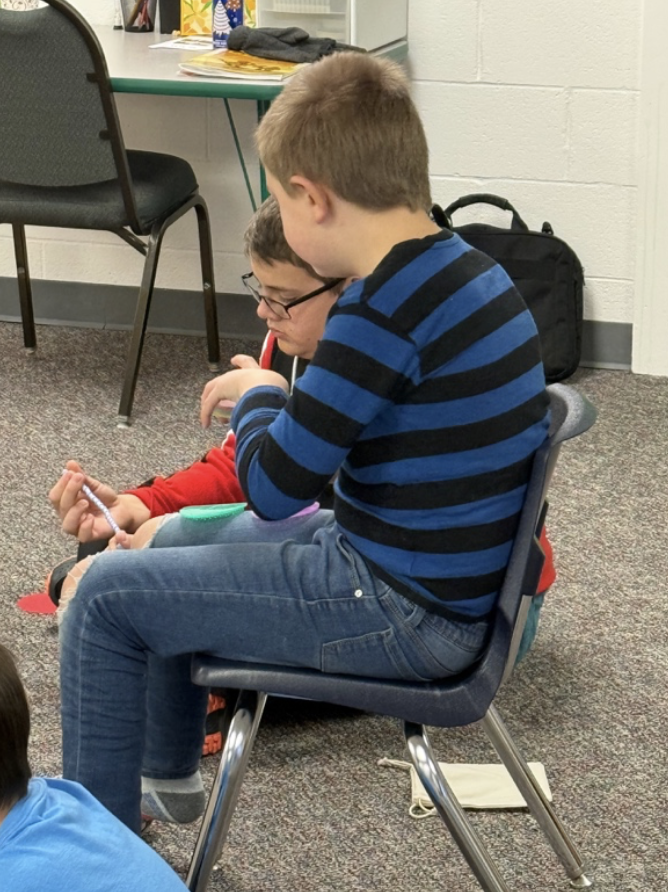
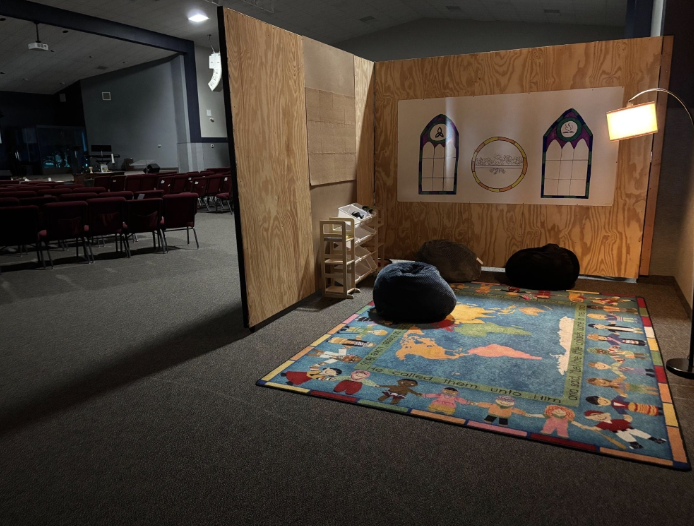
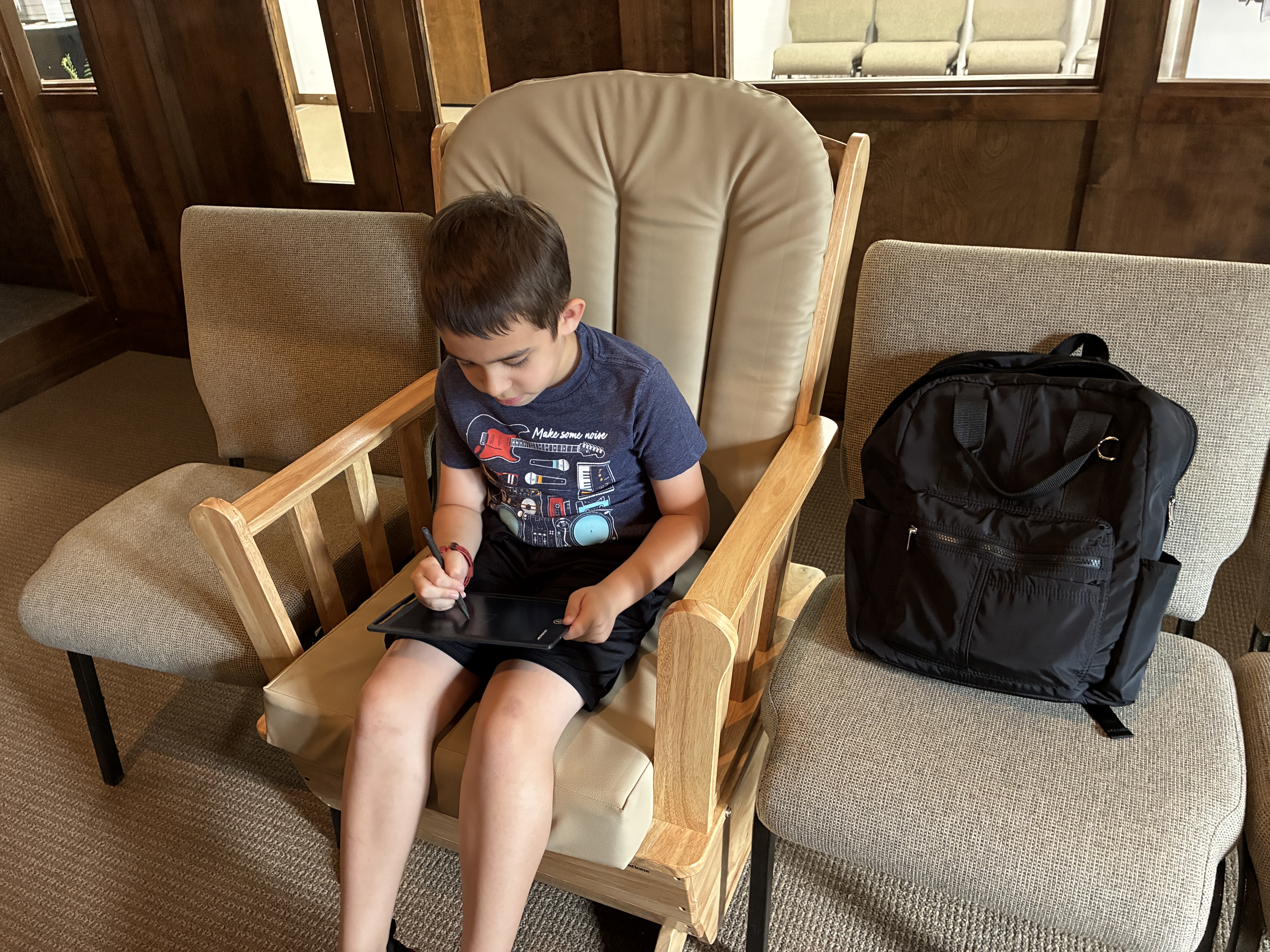
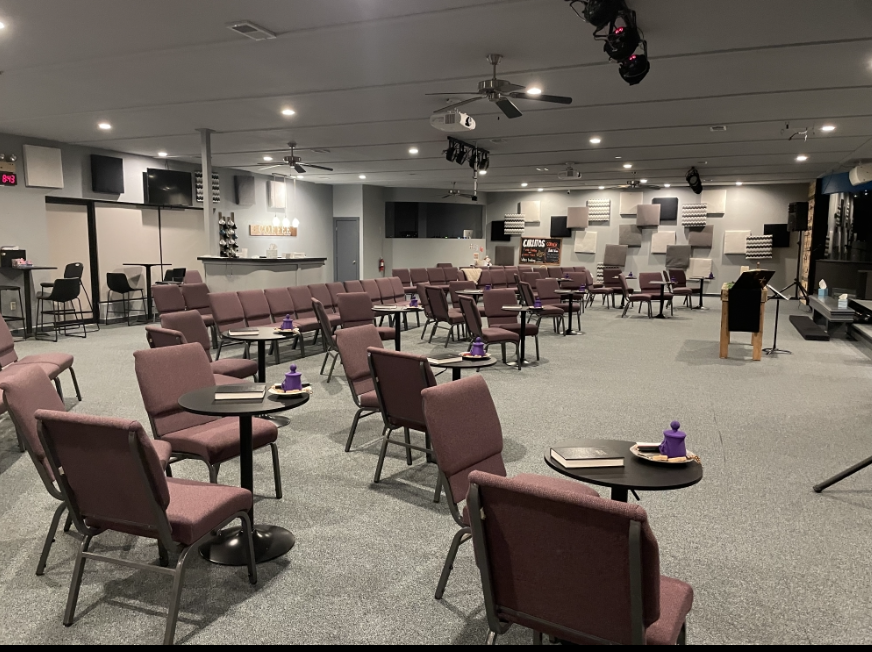
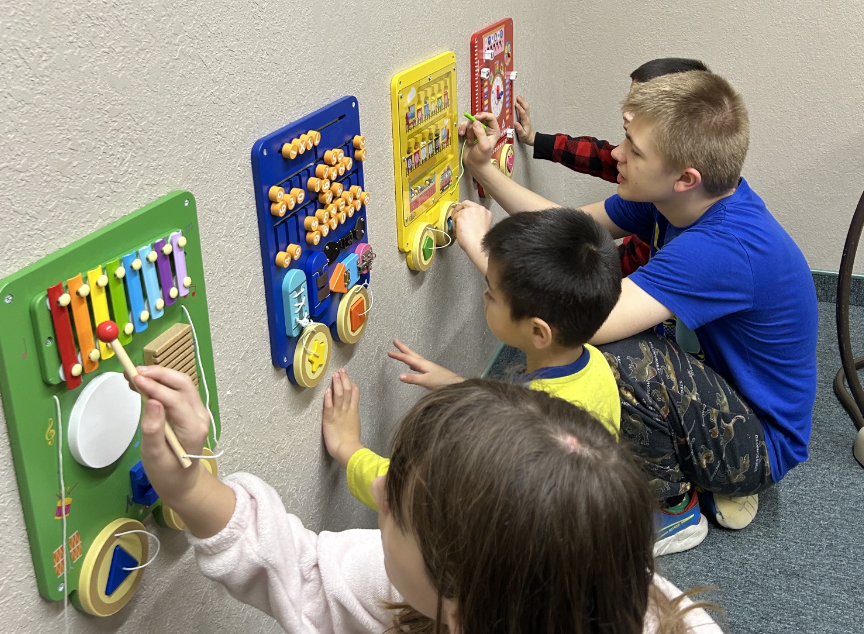
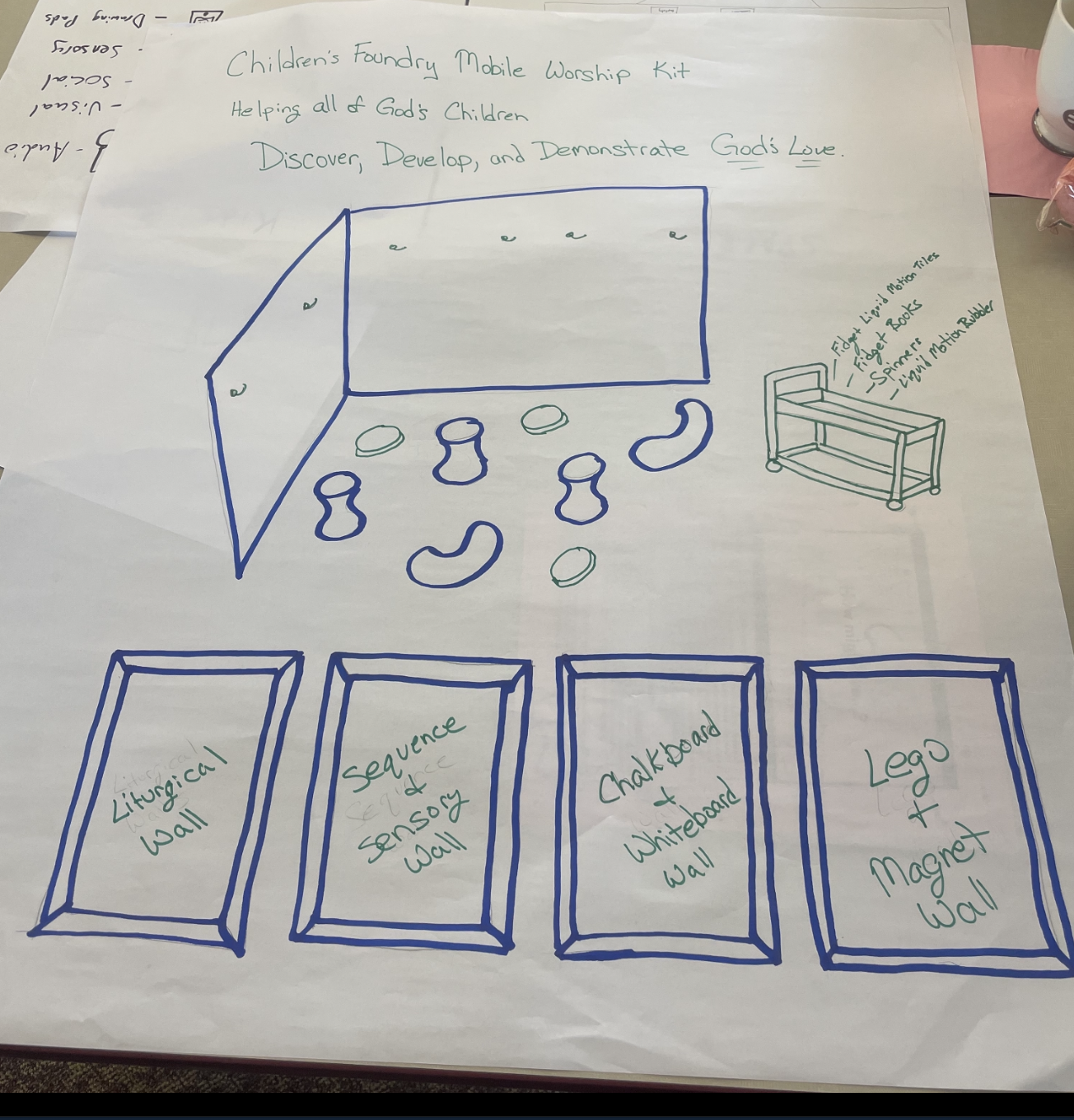
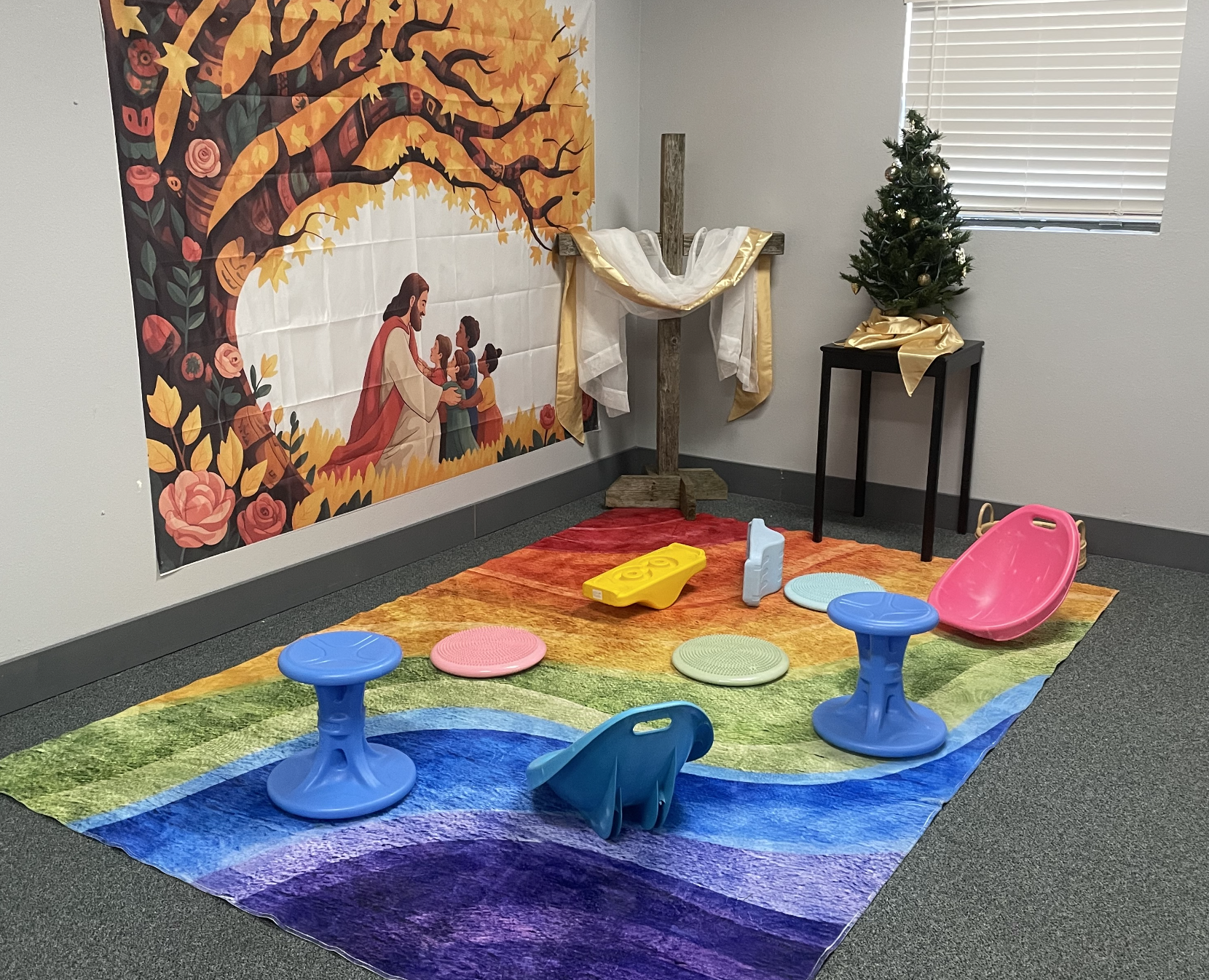
Other congregations are seeing how small accommodations can reshape a child’s experience of worship. At New Hope Church of the Nazarene, leaders described supporting an autistic child with a rubber seat topper, simple directions, and a consistent buddy—changes they said helped the child remain calm and participate more fully, including staying through songs and clapping at the end rather than leaving mid-service. The congregation has also built a sensory-friendly “Blue Room,” allowing children to explore wall-based sensory features and a buddy-system approach in action.

At Raymore New Vision Church of the Nazarene, a balance board became a turning point—not only for a student who previously struggled to answer discussion questions, but for an adult volunteer who had been hesitant about the prototype. After seeing the student engage more effectively while using the board, the volunteer told leaders they were “more on board,” the report says. Leaders also noted that as they identify which fidgets are too loud or used in unintended ways, congregants are responding positively to the adaptive process—and some adults have even expressed curiosity about trying the tools themselves.

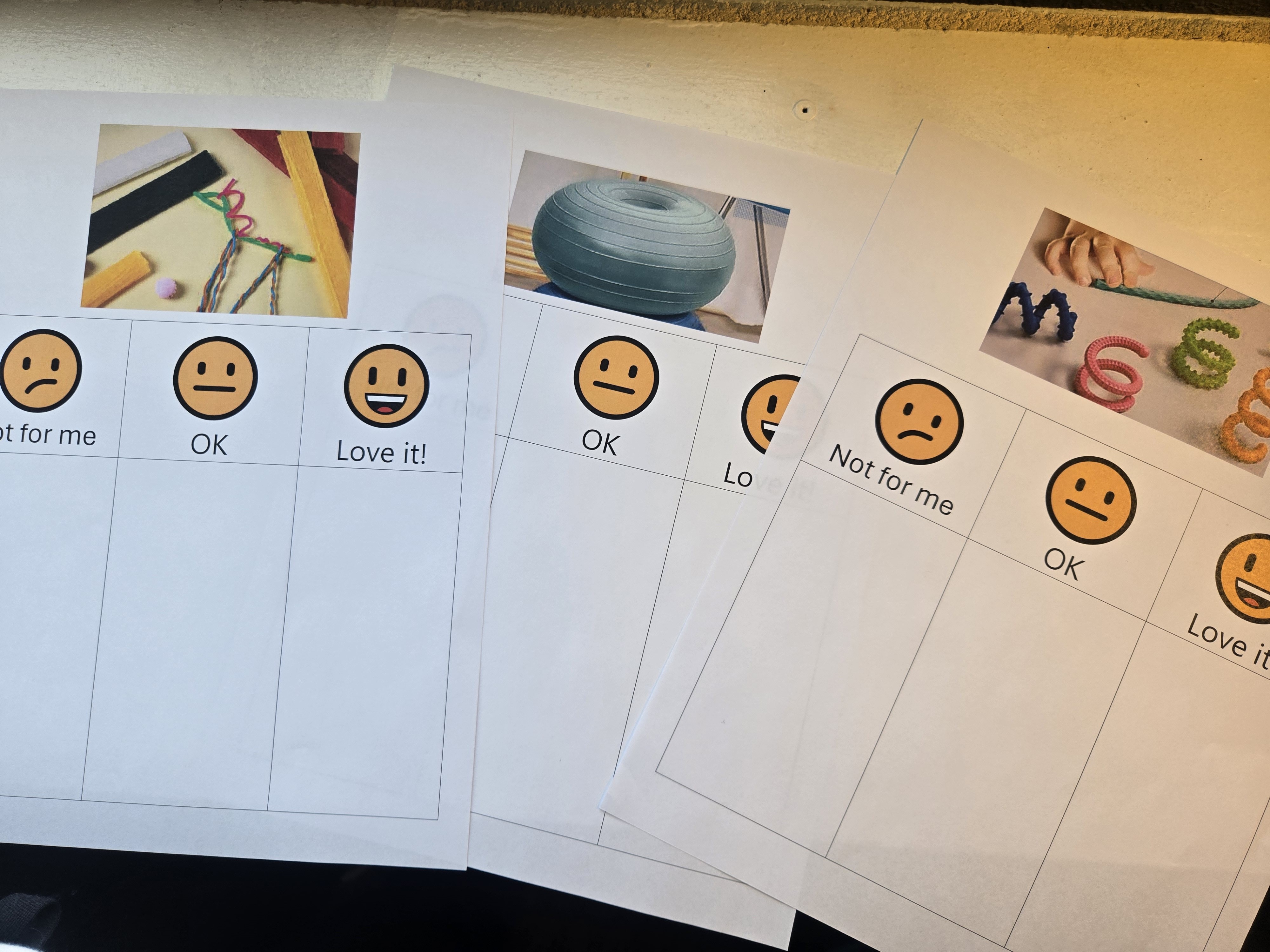
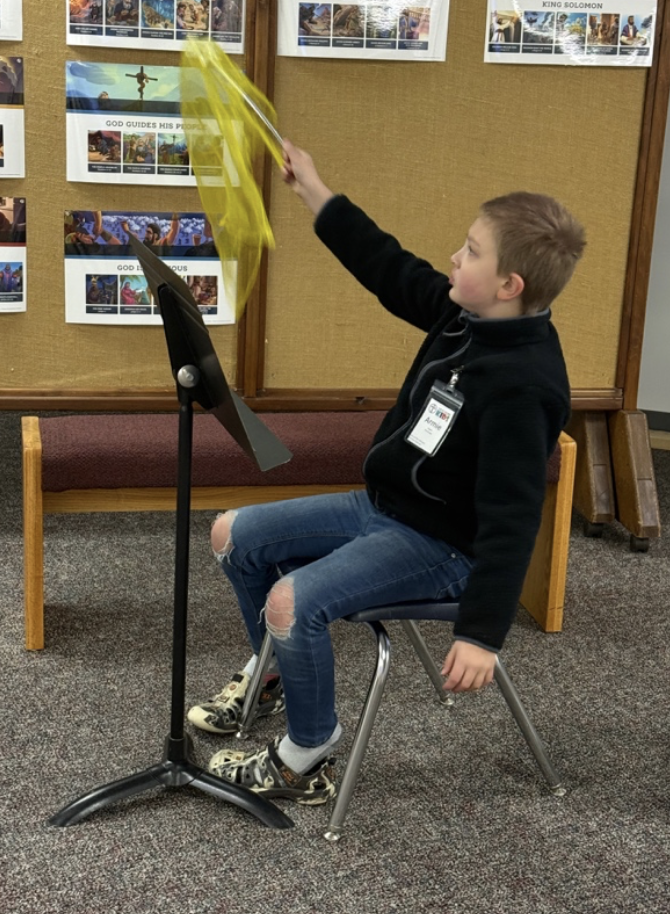
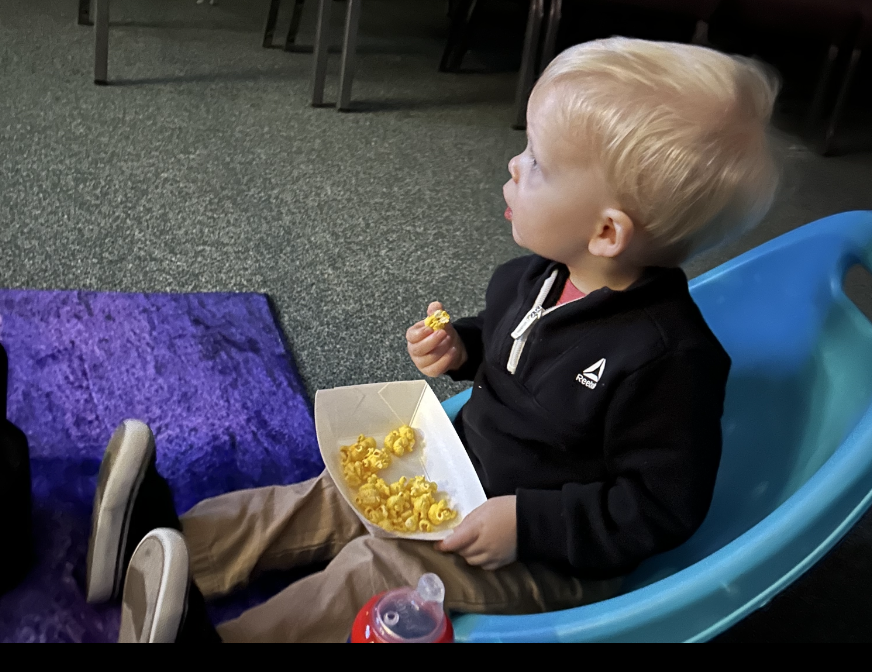
Several churches emphasized that introducing sensory supports also requires teaching boundaries and expectations—especially when kids love the tools for reasons beyond their intended purpose. At Christ Community Church of the Nazarene, leaders launched an “Engaging Movement” initiative by purchasing sensory items, flexible seating, and fidgets, then created a visual, emoji-based survey so pre-readers could still give feedback during children’s worship prayer stations. Early trials were promising, but the report flagged a familiar challenge: children gravitating toward donut chairs as if they were riding toys—prompting leaders to prioritize training so the supports lead to deeper connection rather than simple distraction.

At Westside Church of the Nazarene in Olathe, leaders said they have “dramatically adjusted” the worship space by limiting overstimulating activities—such as ball games—and replacing them with quieter, more interactive options, along with expanded seating choices that give children more agency while still maintaining expectations for participation. Volunteers have noticed the difference, including one Sunday school teacher who reported kids arrived more ready to engage after children’s worship in the updated environment.

Across the cohort, leaders are also turning toward more formal training. An 8th Street grant report described a shift “from observation to conversation,” as kids-ministry volunteers asked for skills-based support to better serve neurodivergent children and those carrying trauma. The team is now planning a congregational training with a neurodiversity professional, aiming for March, and discussing opening it to the wider church to strengthen a shared culture of care.

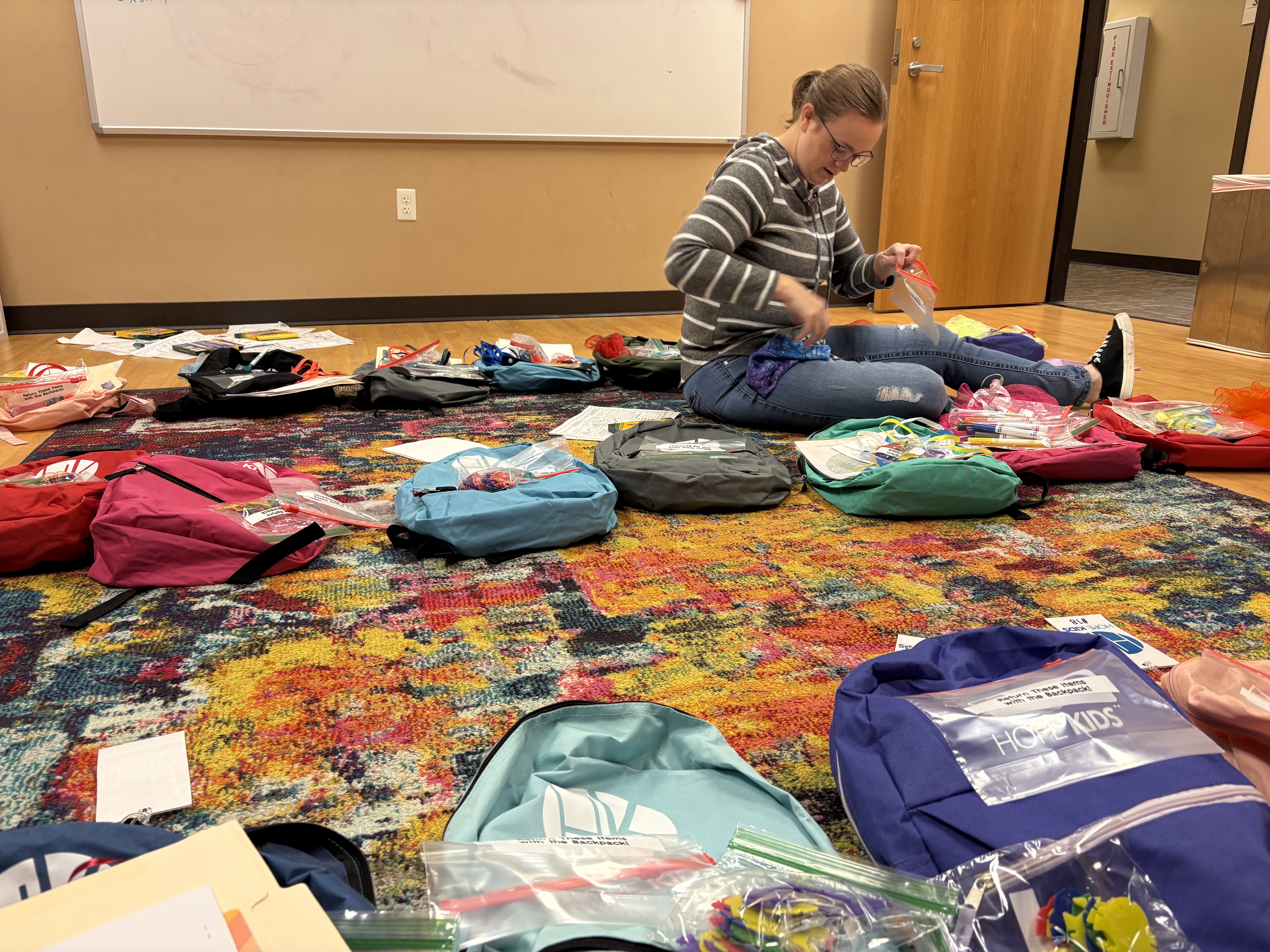
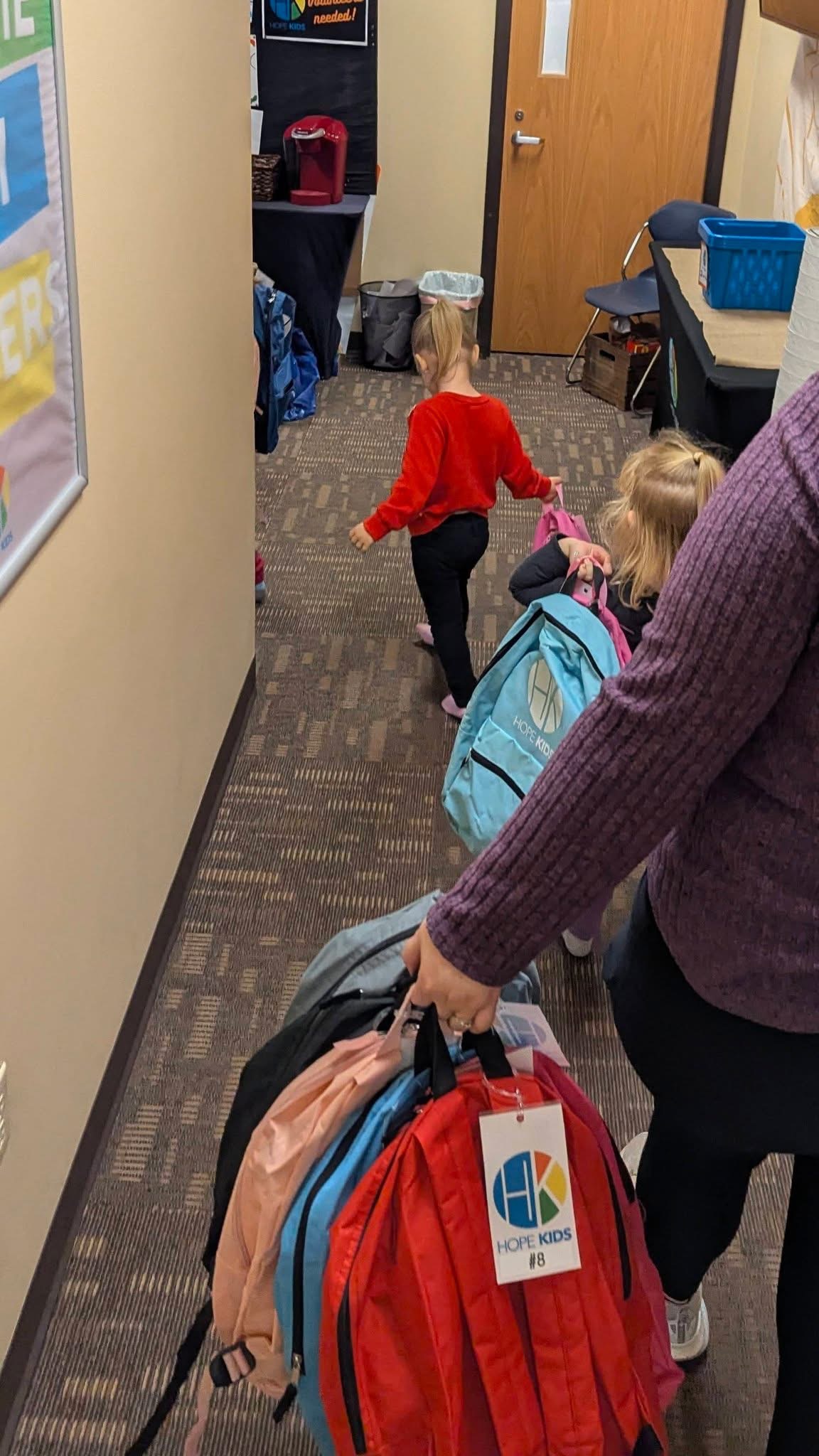
That learning mindset is showing up in hands-on preparation, too. At Living Hope Church, children of multiple ages are helping pack “backpacks” of supports for Sunday worship—an effort leaders hope will form long-term expectations of inclusivity among the next generation of volunteers. The report also describes upcoming classroom walk-throughs, a new teacher’s manual for volunteers, and a moment when a long-time volunteer shifted a struggling student’s behavior by assigning “leadership tasks,” underscoring how relational strategies can work alongside sensory tools.

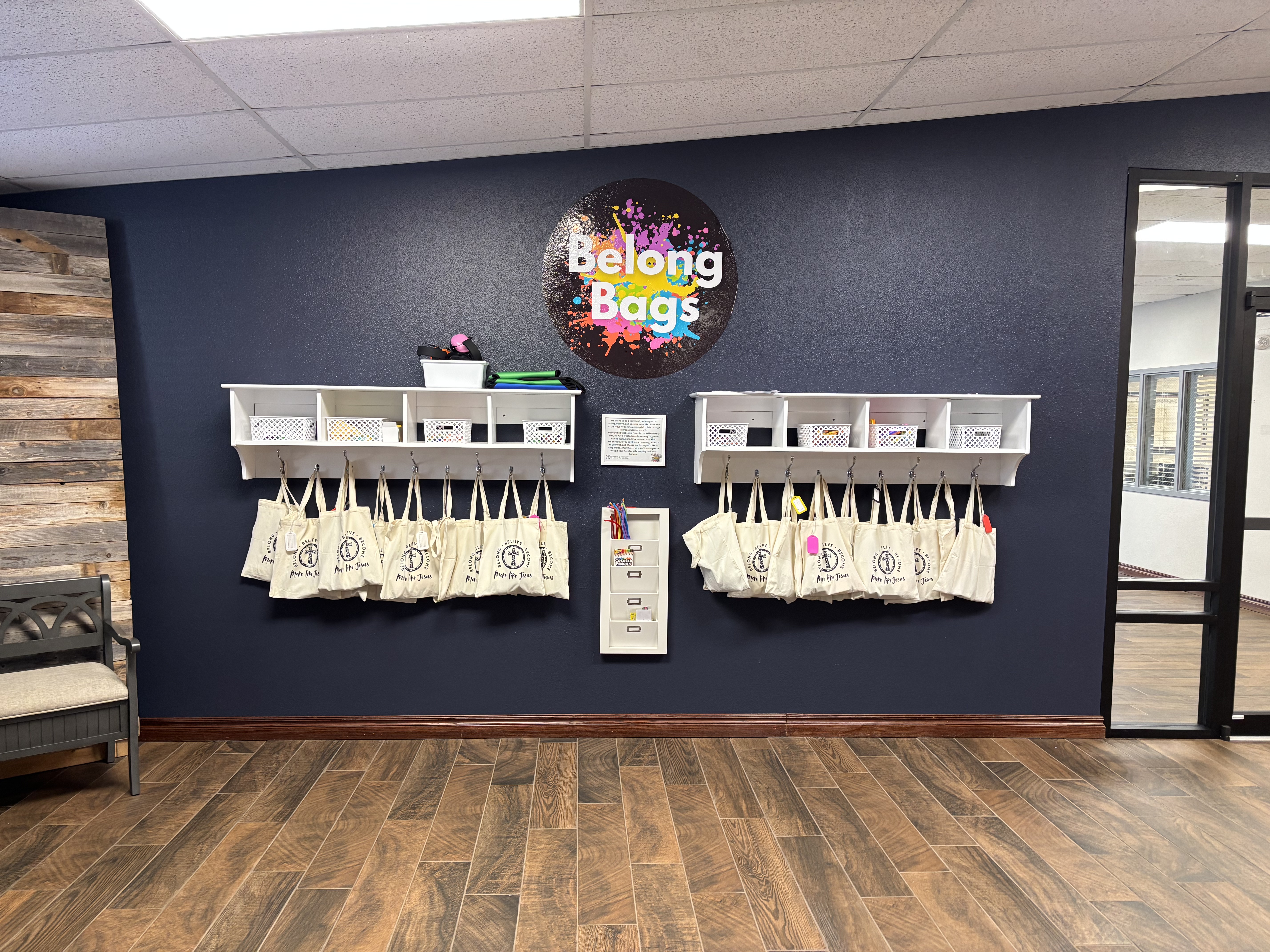
In similar fashion Norman Community Church also unveiled their mobile sensory bag station. Pastor Nathan Jenkins and lay leader Wesley Grippen noted that they have had nothing but compliments about this bold display, but the favorite reaction has been that of the kids. While possessing the mobile sensory bags for some time, but they had been somewhat of an afterthought with no prominent placement. Jenkins observed: “The first Sunday we had the shelves up, the kids surrounded them as they had the chance to ‘customize’ and ‘personalize’ their bags. One kid even said, ‘This is the best day ever!’”

Norman Community church also includes a hybrid sensory space. Leaders in the Nurturing Care cohort reported that the work has moved beyond purchasing supplies to building a culture of belonging: creating calmer environments, training adults to respond differently to overstimulation, and swapping ideas—from weighted stuffed animals and sensory boards to safety lessons about how tools are used.

Organizers are also planning collaborative next steps, including a possible sensory-room open house and an “Day of Learning” on April 13. titled Revelations of Divine Care: Welcoming and Caring for Autistic Members in the Life of the Church. The event will take place at Nazarene Theological Seminary and offered online, featuring Dr. Melody Escobar from Baylor’s Center for Disability and Flourishing. Dr. Escobar, author of Revelations of Divine Care: Disability, Spirituality, and Mutual Flourishing, will draw from Julian of Norwich’s theology of God’s tender, adaptable care and contemporary autism ministry research, Melody will share her family’s journey—from years behind the cry room glass to their autistic son’s First Communion—and invite participants to explore practices, postures, and possibilities that can nurture deeper belonging within their own communities present

Taken together, the January updates show a cohort learning in real time: celebrating progress, naming safety and training needs, and building a shared calendar of ways to keep widening the circle of belonging—one seating option, sensory space, and volunteer conversation at a time.

Posted in Autism, Children, disability, Intergenerational, KC Nurturing Care, Leadership, Nurturing Care | Tagged , , , , , , | Leave a comment

Bend Nazarene Church releasing English, Spanish, bilingual kids’ worship albums

A news story from the Central Oregon Daily News on one of our Nurturing Care Prototypes at Bend Church of the Nazarene where leaders build trust through multilingual worship. Reporter Jakob Salao writes:

BEND, Ore. — Church services can be isolating for people who don’t speak English as their first language.

“It’s been said that 10:00 a.m. on Sunday mornings is the most segregated hour in America,” Bend Nazarene Church Kids & Family Pastor Jason Visser said. “Our heart as a church is that we would be the opposite of that.”

https://www.centraloregondaily.com/news/local/bend-church-bilingual-kids-worship-album/article_0779cbd2-08a6-4a40-8131-58f6d14a9d5e.html

Posted in Children, Clergy, Intergenerational, Moral Integration, Nurturing Care, Virtue, West Coast | Tagged , , , , , | Leave a comment

Children lead as ‘Maker’s Space’ prototypes spread from Arizona district gatherings to California outreach

Nurturing Care is pleased to report new Gratitude and Trust Makers Space prototypes giving children across Nazarene congregations room to lead—reciting scripture, praying publicly, and serving their communities alongside adult volunteers—according to recent ministry reports from the Southwest Native American District and Southern California. 

Leaders say the approach blends worship with lessons on trust, compassion, gratitude and trauma-informed care, creating structured moments where children can participate meaningfully during church meetings and service projects. 

In September and October, teams working across the Southwest Native American District reported that after Friday-night trainings for leaders, Saturday services and meetings intentionally made space for children to share what they learned—through songs and scripture recitations—before congregations that included parents and grandparents. At one service, 22 children attended with family members even though no separate activity had been planned for them, the report said. 

A children’s worker who had attended the training stepped in, using the unplanned moment to guide the children in sharing scripture and explaining what it meant to them, creating what the report described as a positive and supervised environment for kids who otherwise had no structured programming during the meeting. 

The district report also highlighted a missions service where visiting churches from New Mexico and Colorado joined Southwest Native congregations. When Rev. Yazzie asked for offering ushers, two children volunteered immediately—then prayed over the offering—an act that adults from multiple districts described as striking for its confidence and willingness to serve. 

A similar emphasis on scripture, gratitude, and children speaking in front of adults was reported in Sandia Valley during a January gathering themed “Gratitude is the new Attitude.” Children recited Psalm 107:1, discussed what the verse meant to them, and wrote down what they were thankful for. Leaders also provided notecards for encouragement; one child wrote a card for every family member, including a two-year-old sister, according to the report. 

The session ended with a group activity using different-colored Skittles to prompt children to share specific moments of thankfulness—an interactive closing that organizers said helped kids practice gratitude while working side by side in the “maker space.” 

In Hesperia, California, the GratiGrow ministry at the Hesperia Church of the Nazarene reported growth in both volunteers and community impact during December and January, including training new volunteers—about half of them local youth who had never attended church before. Through community-service hours, those youth served alongside the ministry and heard the Gospel, the coordinator wrote. 

After continuing volunteer readings and devotion time in December, the group launched its first community outreach in January, working despite cold weather. Families participated “with great enthusiasm,” and children were described as respectful, unified and kind as they cleaned a pastor’s yard, learned to clean an old car, moved wood, and helped inside the home. Parents later reported their children returned home joyful and proud—many having helped in that way for the first time. 

The outreach drew gratitude from neighbors and from the pastor who received help, according to the progress report, and the ministry said photos and videos shared with the congregation led three more children to sign up to serve in February. 

In a separate thank-you letter dated Jan. 10, 2026, Pastor David Penn and Ruth Penn wrote to coordinator Lucia Y. Babb-Rodriguez to express appreciation for “capable willing workers” from the children and youth ministry. The letter singled out two youths—Levi and Jeremiah—for moving wood that needed extra effort, and noted the Penns included a check as a token of appreciation for summer camp ministry for young people. 

Posted in Children, Family, Intergenerational, Leadership, Moral Integration, Nurturing Care, Virtue, West Coast | Tagged , , , , , | Leave a comment

Distinguishing Compassion

A brief excerpt from our recent Day of Learning with Dr. Ross A. Oakes Mueller. In this session Dr. Oakes Mueller separates the virtue of Compassion from specific challenges of being emotionally overwhelmed or having pity for a person. Oakes Mueller also distinguishes compassion from everyday empathy providing a clearer definition of the virtue.

You can watch additional videos from the Day of Learning through NTS Praxis our partner who provides extensive video resources for ministry.

https://cpl.vhx.tv/day-of-learning-dr-ross-oakes-mueller

In addition, the conversation around Moral Integration continues through the resources of the Point Loma Nazarene University (PLNU) Center for Pastoral Leadership (CPL).

Dr. Oakes Mueller will continue presentations on the virtues of trust and forgiveness on February 18 and March 11. The growing interest in virtue formation represents an ongoing partnership with PLNU/CPL. To learn more about these presentations contact Program Coordinator Kelley Klassen, kklassen@pointloma.edu or visit https://www.pointloma.edu/centers-institutes/center-pastoral-leadership to sign up for additional information.

Posted in Children, Clergy, Moral Integration, NTS Praxis, Nurturing Care, West Coast | Tagged , , , , , | Leave a comment

Moving Beyond Values: Cultivating the Virtue of Compassion

In a recent webinar session of the West Coast initiative on virtue formation, Dr. Ross A. Oakes Mueller provided a profound exploration of compassion. Dr. Oakes Mueller serves as psychology professor at Point Loma Nazarene University (PLNU) and as a Nurturing Care consultant in partnership with the PLNU Center for Pastoral Leadership. Dr. Oakes Mueller’s goal was to move participants from a simplistic understanding of compassion through its scientific and psychological complexity to reach a deeper, more practical simplicity on the other side.

The Motivational System: Values vs. Virtues

One of the most salient insights for ministry is the distinction between a value and a virtue. Dr. Oakes Mueller defines values as “cold cognitions”—rational, trans-situational goals that serve as our “directional system.” For many ministers, it is easy to teach the value of neighbor love, yet we often witness a “values-action gap” where well-meaning individuals fail to act in moments of crisis. A virtue, by contrast, is a habit of attention, desire, emotion, and behavior acquired through intentional practice.

Dr. Oakes Mueller also offered an analogy for understanding the difference between values and virtues: Think of a sailing vessel embarking on a voyage. Your values are the compass and the charts that mark the destination; they tell you where you ought to go. However, a ship without wind remains stationary. Virtues are the wind filling the sails; they are the habituated, emotional drives that provide the actual power to move the ship toward the goal of neighbor love.

The Four Facets of the Virtuous Life

To move from valuing compassion to embodying it, Dr. Oakes Mueller identifies four key facets:

See: Developing a moral lens to perceive suffering.

Desire: A “hot intuition” or gut feeling that something must be done.

Feel: A specific emotional state of warmth and sadness that provides motivational intensity.

Do: Possessing the procedural skills or “behavioral scripts” to act effectively.

Using the parable of the Good Samaritan, Dr. Oakes Mueller illustrated how the Samaritan—unlike the priest or Levite—possessed the habituated skills to see the man, move toward the injured person, feel moved by compassion, and execute medical and financial aid.

The Power of Self-Other Differentiation

A second vital insight for those in caregiving roles appears in the necessity of self-other differentiation. True compassion must be distinguished from “distress at another’s distress” (DAAD), where care givers fuse emotionally with a victim and become overwhelmed. When carers “feel exactly what they feel,” their self-involved motivation compels them to reduce their own arousal, which often leads caring people to flee or numb out to protect themselves.

Virtuous compassion requires presence and mindfulness—the ability to see suffering as valid and real while remaining differentiated from it. By maintaining this boundary, caring people avoid “empathy fatigue” and remain capable of an approach-oriented response that seeks the other’s relief rather than their own escape.

Identifying the Barriers: Why Compassion Fails in Our Pews

While most congregants hold the value of compassion in high regard, there remains a persistent “values-action gap” where the actual enactment of neighbor love fails. In his second session on virtue formation, Dr. Ross Oakes Mueller explored the complex psychological and environmental obstacles that prevent us from moving from “seeing” to “doing.” For ministers, identifying these barriers remains a first step in helping a congregation transition from holding well-meaning intentions to living out habituated virtue.

1. The Boundary of the “Neighbor”

Among several obstacles that Dr. Oakes Mueller discussed four key concerns that limits compassion to our “neighbors.” The first obstacle to compassion surfaces through the concept of the circle of moral regard. Research suggests that the further an individual is from their own “in-group,” the less likely he or she possesses the ability to even observe the outsider’s signals of distress. People remain biologically and psychologically primed to meet the needs of those most similar to themselves, such as family or close friends.

To the extent that people categorize others as “them” or “out-group members,” they effectively move them into a “non-neighbor” category, which diminishes caring people’s sense of obligation. Furthermore, if people harbor moral judgments—believing someone’s suffering is deserved or the result of their own sin—the carer’s intuition to relieve that suffering is significantly dampened.

2. The Siege of Inattention and “Hurry”

In modern ministry, perhaps the most pervasive obstacle occurs through distraction and inattention. Dr. Oakes Mueller highlights that electronic media and the sheer pace of life have compromised ministers’ and congregants’ ability to maintain the focused attention necessary to see suffering in the moment.

When people live under high cognitive load—managing too many tasks or thoughts—they lack the mental energy to engage in cognitive empathy or perspective-taking. Drawing on the insights of Dallas Willard, Mueller suggests that a primary barrier to virtue occurs when people fail to “ruthlessly eliminate hurry” from their environment, as hurry prevents people from being present enough to recognize a neighbor in need.

3. The Fear of being Emotionally Overwhelmed

Another salient obstacle occurs through the lack of self-regulation, which leads to “distress at another’s distress” (DAAD). When a congregant sees someone suffering, but lacks the skills to differentiate their own feelings from the victim’s, they may “fuse” emotionally with the experience.

This fusion creates an egoistic or self-involved motivation to reduce one’s own internal arousal, often leading the person to flee, numb out, or cross to the other side of the street to protect themselves. Additionally, some may avoid compassion because they hold cultural narratives that frame care as a sign of weakness or vulnerability, making the emotional cost of connection feel too high.

4. The Mastery Gap: Lack of Behavioral Scripts

Finally, compassion often fails at the “doing” stage because congregants simply lack the procedural skills or “behavioral scripts” to intervene. A person may feel genuine sorrow but stay stationary because they do not know what a “first good step” looks like in a specific crisis. Without mentorship or role-modeling to provide these scripts, the perceived cost of helping remains high, and the potential for action is lost to uncertainty.

Participants might understand Dr. Oakes Mueller’s presentation of the obstacles to compassion as debris on a racetrack. The driver (the congregant) sees a clear destination (the value of neighbor love), but if the track is littered with the debris of distraction, the barriers of prejudice, or the fog of being emotionally overwhelmed, the car cannot reach the finish line. Clearing the track requires the habituated maintenance of virtue, which allows the driver to navigate these hazards smoothly.

Dr. Oakes Mueller’s presentations incorporated a number of additional key insights during the three hour webinar. The range of questions and responses revealed both a desire to cultivate compassionate practices among children and to help alleviate obstacles among adults who often work with children. The virtue of Compassion will appear during the coming Maker’s Space at Point Loma Nazarene University May 28-30. Many of the participants from the Day of Learning remain actively engaged fostering gratitude and trust with children. Hopefully the insights, which will be available through NTS Praxis, will inspire fresh strategies among children.

Posted in Clergy, Discipleship, NTS Praxis, Nurturing Care, West Coast | Tagged , , , , , | 1 Comment

Nurturing Care 2025 Retrospective

Each year Nurturing Care submits a report to the Lilly Endowment, Inc. documenting the initiative’s efforts, impact, and most importantly, what our leadership learns through the many prototypes and ministry efforts by our partners. As the initiative gained momentum this year we also discovered a lot about our ministry more as a catalyst and curator than an education “provider.”

Nurturing Care Maker’s Spaces, incubator/retreats, in San Diego and in Kansas City, invited a number of new churches into our design learning process. The gathering at Point Loma Nazarene University expanded the initiative’s reach from Alaska to Arizona, with ten new or renewed projects emerging from the creativity of local congregations, supported by consultants like Dr. Ross Oakes Mueller, our Day of Learning speaker this coming January 6th, and children’s ministry specialists from Equip to Engage.

Kansas City entered its third year engaging ministry with autistic children through worship and prayer practices. Interest continues to expand beyond the city’s metro boarders as congregations from Kansas City but also Oklahoma and Texas gathered to generate new initiatives totaling eleven new prototypes. When coupled with ongoing projects, this crucial ministry now reaches fourteen congregations in the midwest with another Maker’s Space scheduled in Nashville in spring 2026.

In addition to the prototype projects, Nurturing Care moved to a new level of advocacy and public engagement. As with previous years, Nurturing Care hosted a day of learning with Dr. Amy Jacober providing insights into ministry with autistic children. Project director, Dr. Dean G. Blevins, presented six workshops and one academic paper at national and regional gatherings addressing neurodiversity, children, and worship.

Nurturing Care helped to sponsor the Hugh C. Benner Preacher’s Conference at Nazarene Theological Seminary, directed by NTS Praxis and funded through the Laytham Lectureship on Early Childhood Development. The conference, titled “All God’s Children,” brought national leaders (Dr. Lamar Hardwick, Dr. Bill Gaventa, and Dr. Amy Jacober) and well know Nazarene leaders (Dr. Diane Leclerc Rev. Tara Thomas Smith, and Rev. Brad Lee) to both preach and discuss preaching on disability ministry.

Workshops included Nurturing Care’s local consultants and ministers (Kris Mitchel and Stephanie Answer) as well as national leaders in autism ministry like Ryan Nelson, Jesse Briles, and Wonderful Works leaders Barb Stanley and Leah Wicker. More than 350 attendees benefited from the two day learning event. Videos from those sessions remain available through NTS/Praxis.

The year concluded by expanding the initiatives resource development including the establishment of a new Sensory room/laboratory at Nazarene Theological Seminary. This new location serves more as a catalytic setting to allow congregational leaders explore and prototype adaptive configurations through a large array of sensory devices available on site.

Ultimately Nurturing Care focuses as much on sharing what the initiative learns through debriefs and reporting from congregations engaged in the prototypes. Dr. Dana Preusch, Nurturing Care’s national coordinator, hosts these vital gathering through zoom discussions and curates written reports that provide insight into the work of the prototypes as well as through our other gatherings. This year Nurturing Care summarized the learning under five themes.

1. Worship and Prayer Are Relational Before They Are Instructional

In 2025, congregations learned that children’s spiritual formation is shaped less by what is taught and more by how presence is shared. When worship and prayer slowed down and became embodied, intergenerational, and sensory-rich, children demonstrated spiritual awareness far beyond adult expectations. This was especially evident among autistic children, whose participation through silence, movement, and non-verbal prayer revealed that spiritual depth is not dependent on speech or cognitive norms. These practices invited congregations to reimagine difference not as a limitation, but as a site of revelation.

2. Prototyping Depends on Psychological and Spiritual Safety

Innovation flourished where leaders were given permission to fail, adapt, and learn publicly. Maker’s Spaces and mini-grant projects showed that prototyping works best when it is understood not as proof of success but as a process of discovery. Congregations that resisted experimentation often sought certainty before beginning. Those that embraced risk were more honest, more adaptive, and more collaborative—confirming that strong relational facilitation and narrative learning matter more than outcome-driven evaluation.

3. Children Transform Congregations Faster Than Structures Can

Children’s leadership—especially in worship—reshaped congregational culture quickly, deepening empathy and attentiveness. Yet institutional systems like budgets, committees, and schedules lagged behind these relational changes. This gap was most visible when child-led worship or disability inclusion disrupted long-held norms. The project learned that lasting change requires pastoral leadership and theological framing, not just new programs.

4. Research Must Follow Relationship

The West Coast experience made clear that research cannot precede trust. Early quantitative research goals proved unsustainable without strong relational foundations. As a result, the project shifted toward qualitative learning and shared narratives as the groundwork for future research. Empirical study remains valuable, but as a second-order activity—emerging from mature practice rather than driving engagement. A new research initiative on trust and trauma will begin in 2026 in partnership with the Southwest Native American District.

5. Theology Emerges from Practice

Perhaps most significantly, 2025 confirmed that theology is not simply applied to children’s ministry—it is generated there. Through worship and prayer with children, especially neurodivergent children, congregations discovered new theological insight. These lived practices now shape sermons, conferences, and scholarly work, positioning children as theological teachers and strengthening Nurturing Care’s role as a bridge between congregational life and academic theology.

Nurturing Care logo

Overall 2025 marks a significant year of ministry and learning through Nurturing Care. Hopefully the momentum gained will grow as the initiative moves into 2026.

Posted in Autism, Children, Clergy, disability, Intergenerational, KC Nurturing Care, Nurturing Care, West Coast | Tagged , , , , , , , | Leave a comment

Calling 100 Lead Pastors

Want to make a difference in disability ministry? Join Pastor Jonathan Trees, in partnership with Key Ministries, for a Zoom information session as he invites 100 lead pastors to pick up the mantel and join him at the 2026 Disability and the Church Conference.

Pastor Trees attended last year’s conference and noted that the creative contextualization demonstrated in the multiple presentations generated more ministry energy than he has witnessed at any conference, ever! Every pastor in their first 5 years of ministry should consider this Ted Talk and Workshop style event. Trees himself gave a QuickTake talk to discuss how and why his church, Grace Church of the Nazarene in Nashville, TN, began a Special Needs respite ministry.

While only two years into this disability ministry, the state of Tennessee gifted Tree’s church with a 25,000 dollar grant to use toward special needs ministry – A great example of the King and Cupbearer working together for the same purpose.

Trees encourages denominational district leaders to recommend pastors join the information session that includes Reverend Trees, Key Ministry leader Laura Hunter, and Greg Greer, Vice President, U.S Ministries for Joni and Friends International.

Join this important information session on January 12th at 11:00 am to 12:00 noon Eastern Time.

Email Johnathan Trees to register: <earlofcoffee@icloud.com

Nurturing Care served as a sponsor to the 2025 DATC Conference and will also be hosting a Maker’s Space Incubator at Reverend Tree’s Nashville Grace church, March 6-7, 2026.

Posted in Autism, disability, KC Nurturing Care, Leadership, Nurturing Care | Tagged , , , , , | Leave a comment