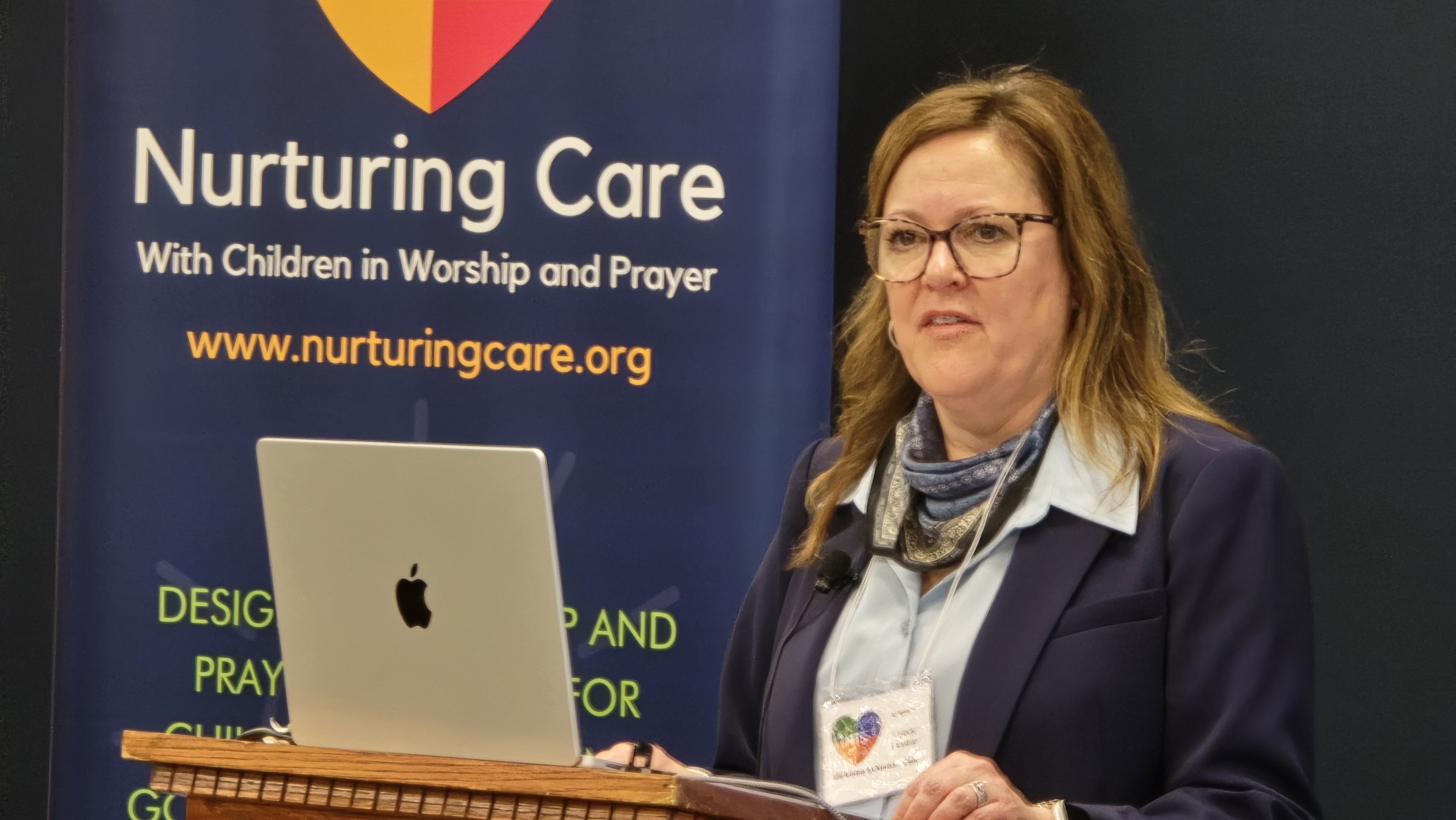
Dr. Melody Escobar, a leading practical theologian, calls on churches across the United States to confront a troubling reality: families of children with disabilities, particularly autism, leaving congregations at alarming rates due to a lack of genuine inclusion.
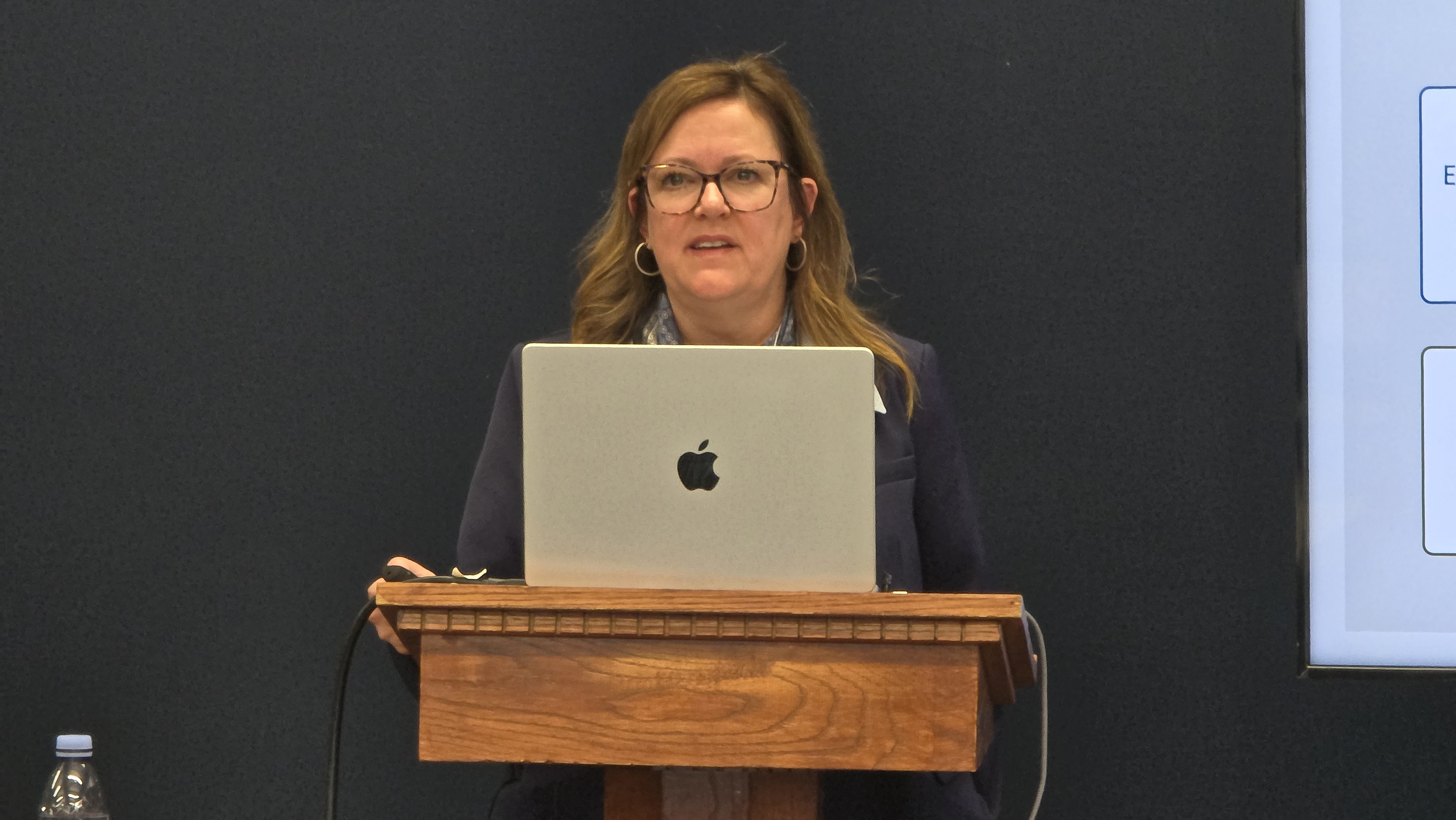
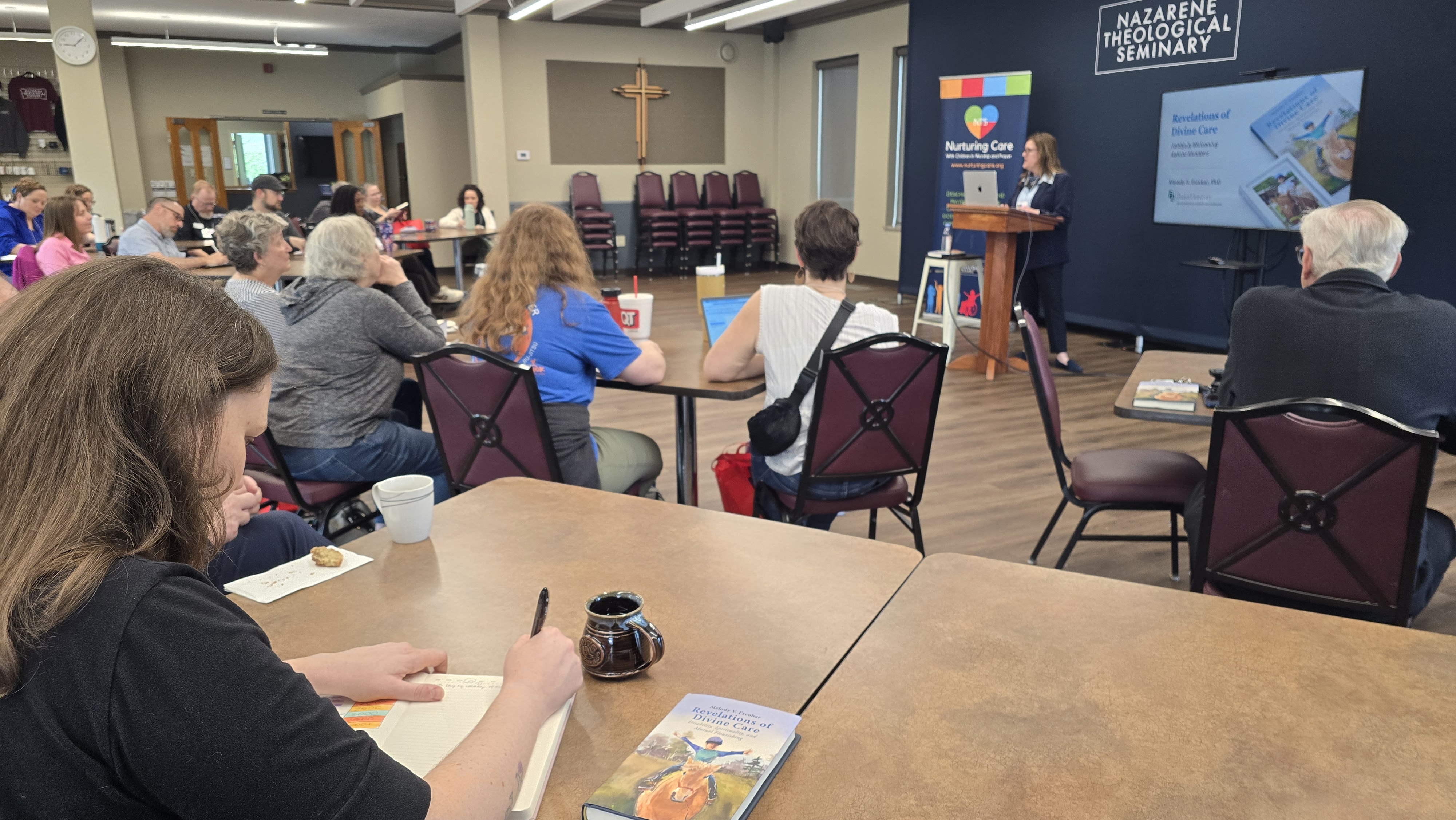
Speaking during NTS Nurturing Care’s Day of Learning, Dr. Escobar highlighted that one in 31 children in the U.S. is diagnosed with autism. However, half of families affected by disability eventually leave their church because they feel unwelcome. “This isn’t a marginal issue,” Escobar said, emphasizing that millions of families are searching for communities where they can belong, worship, and participate fully.
A Theology Rooted in Care
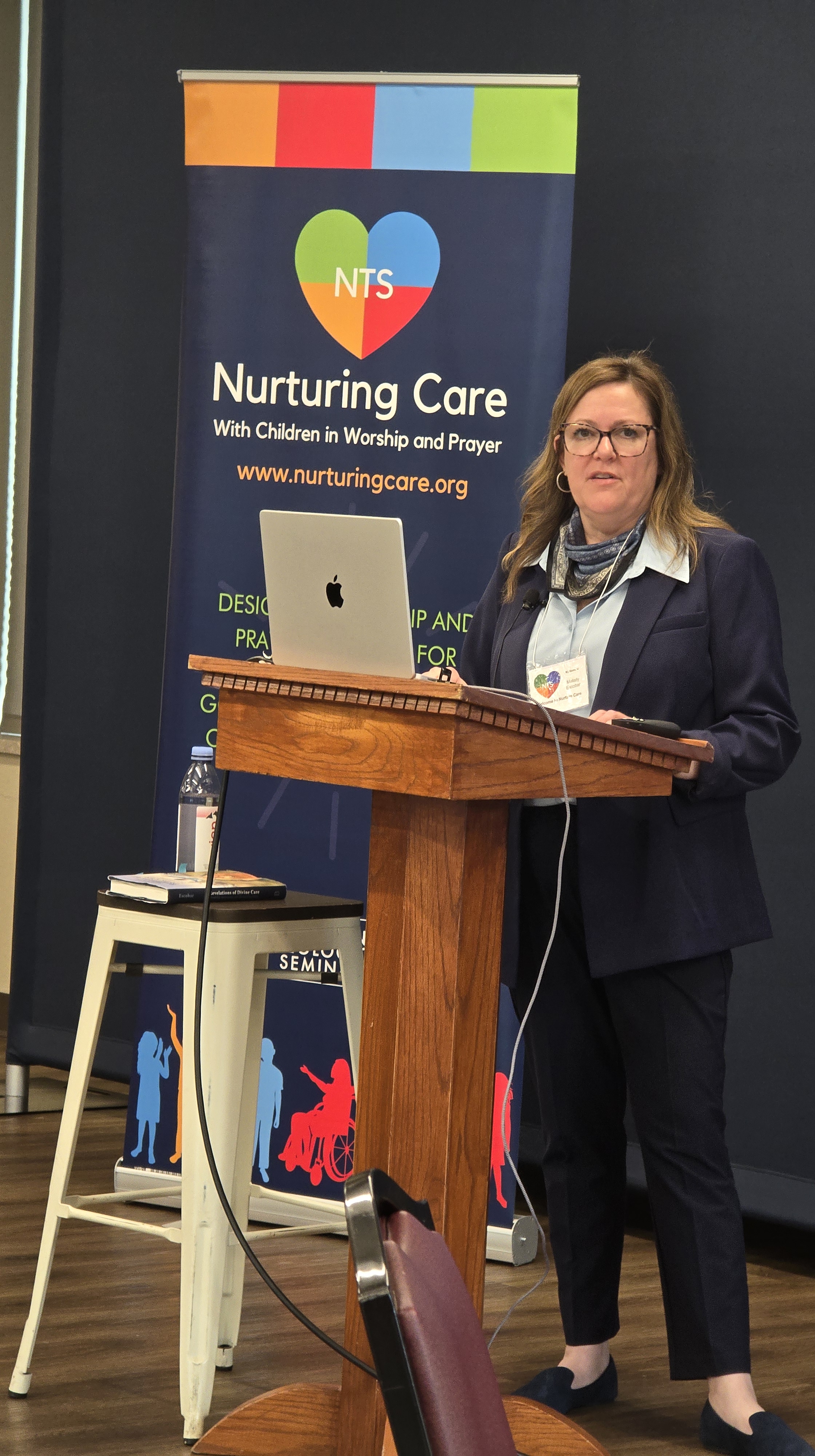
Drawing from both historical theology and contemporary lived experience, Escobar outlined a vision of inclusion grounded in what she describes as “nurturing care.” Central to her argument is the work of Julian of Norwich, a 14th-century Christian mystic who described God not only as a fatherly figure, but as a nurturing mother—one who offers unconditional, tender, and ever-present love.
Julian’s writings, Escobar noted, depict a God who “wraps and enfolds” humanity in love and never abandons those who suffer. “That vision challenges how we practice ministry,” Escobar said. “If God meets people where they are, so must we.”
Lessons from Caregivers
Escobar’s research also draws on a two-year ethnographic study of mothers raising children with disabilities. Their experiences revealed three defining characteristics of caregiving love:
Caregivers described their role as both deeply meaningful and physically demanding, underscoring the need for stronger community support systems.
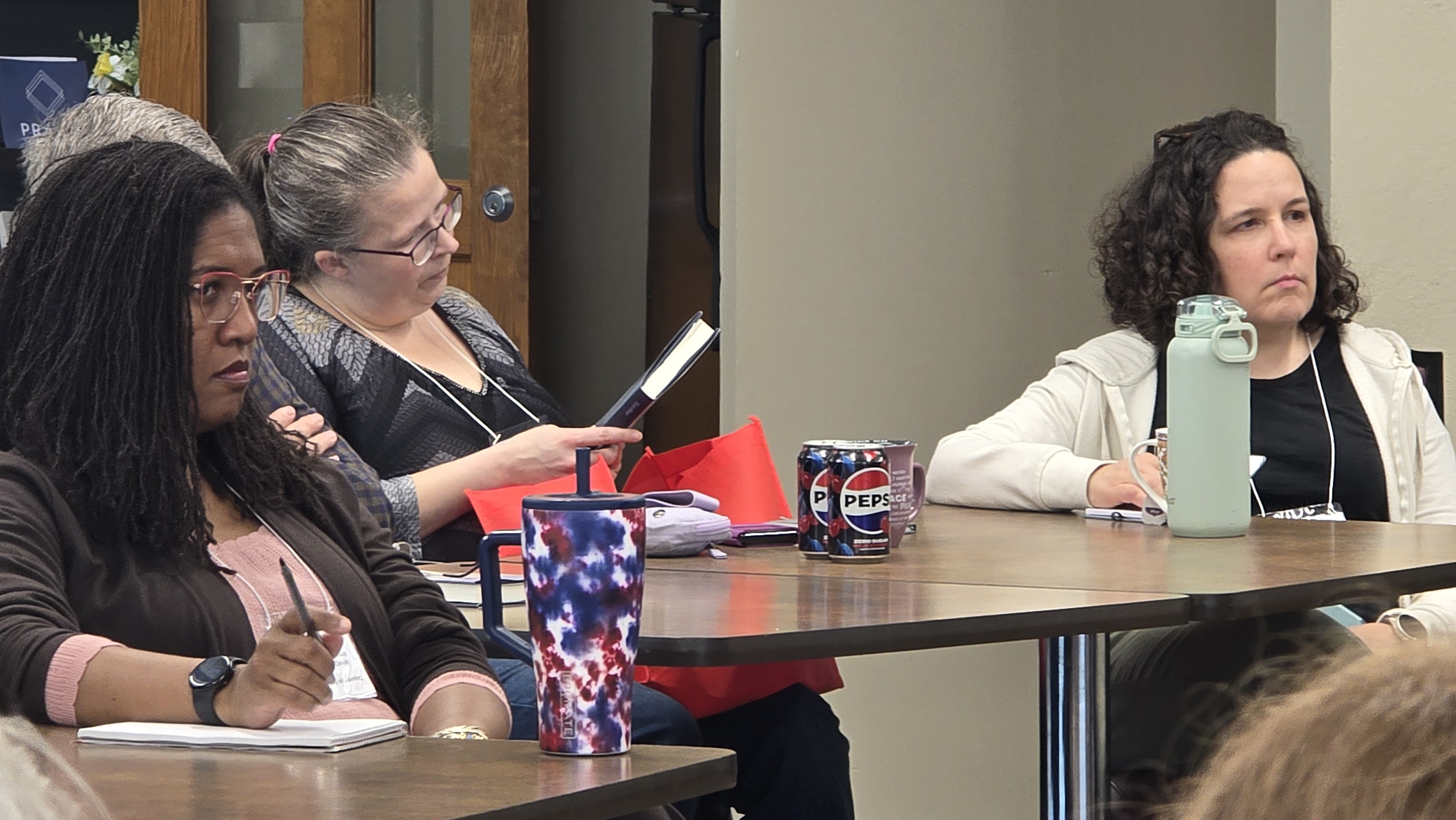
Love as work: A daily, often exhausting commitment requiring immense physical and emotional effort. Described as “love on steroids,” this is a daily choice requiring immense effort and personal cost, often involving years of sleeplessness and physical toll. It underscores the hidden value of caregiving and the crucial need for community support for caregivers.
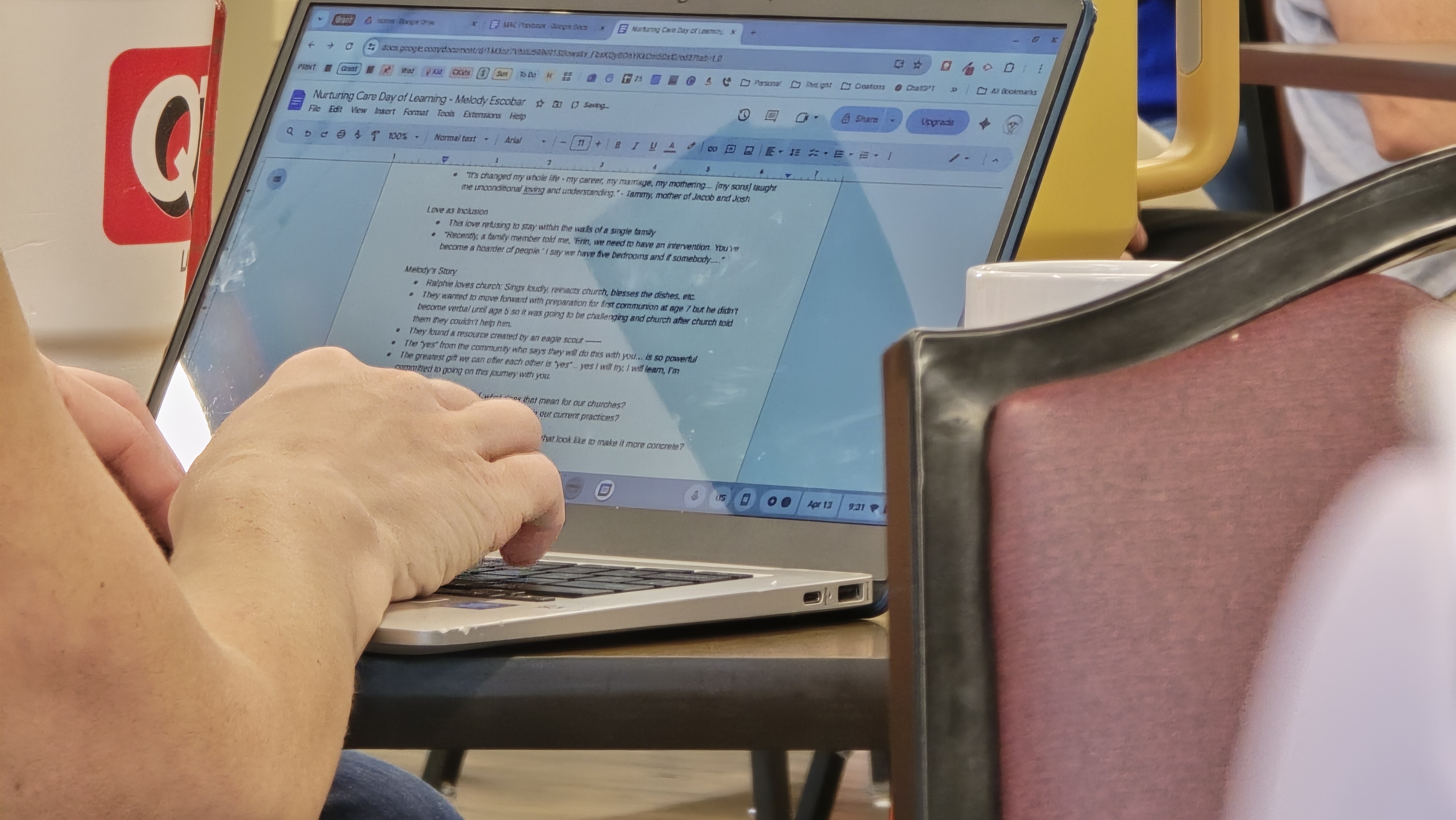
Love as transformative: A force that reshapes families, careers, and personal identity. This love reshapes every aspect of life, influencing careers, deepening marriages, and cultivating profound humility and compassion. It fosters a unique appreciation for authentic love found in children with disabilities.
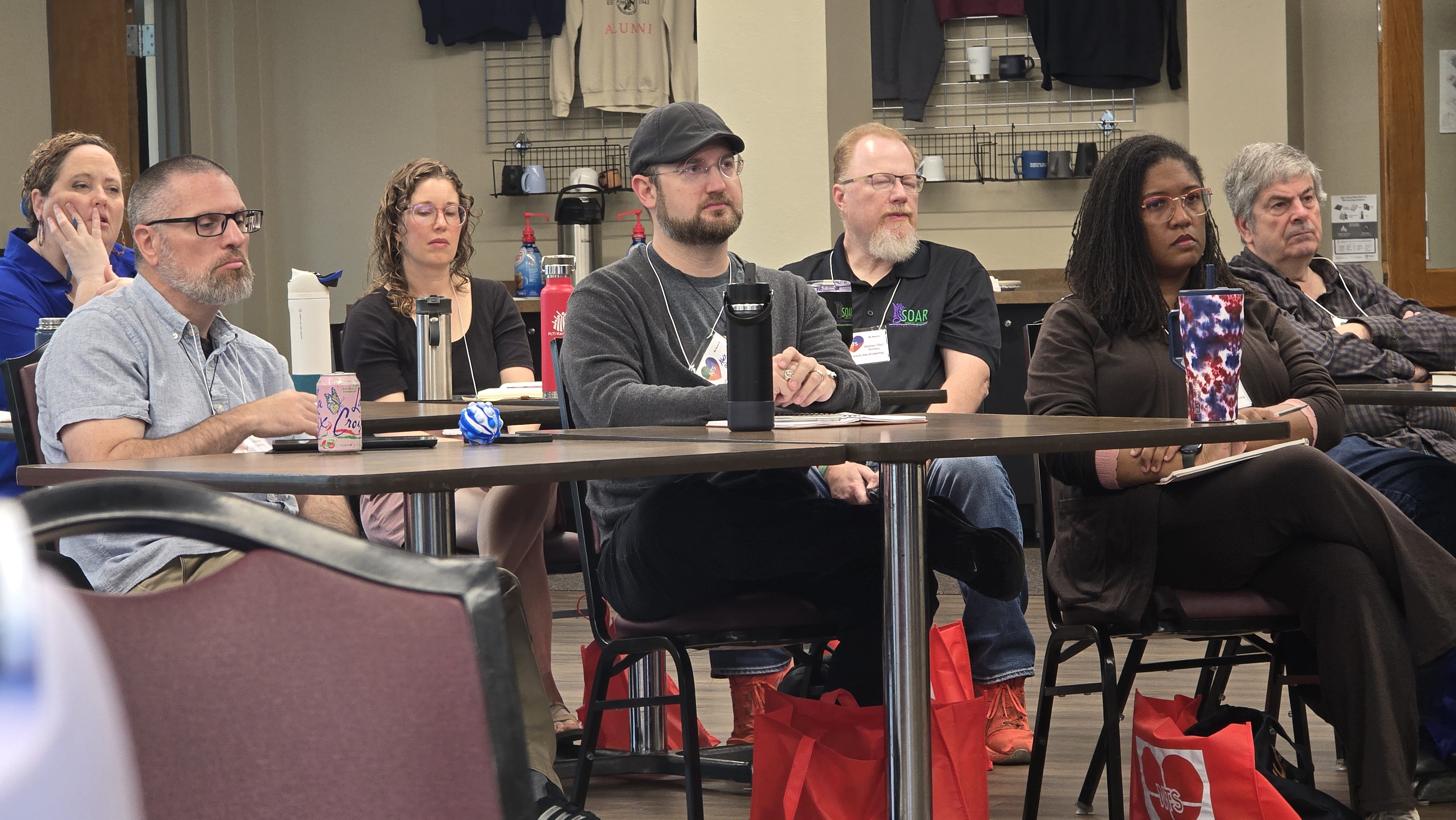
Love as inclusive: A form of love that extends outward, fostering compassion and community beyond the household. This love extends beyond the family unit, inspiring caregivers to offer unconditional, Christ-like love to everyone, becoming “hoarders of people.” It also highlights caregivers’ concerns about sustained physical demands and the need for respite.
A Personal Story of Barriers and Breakthrough
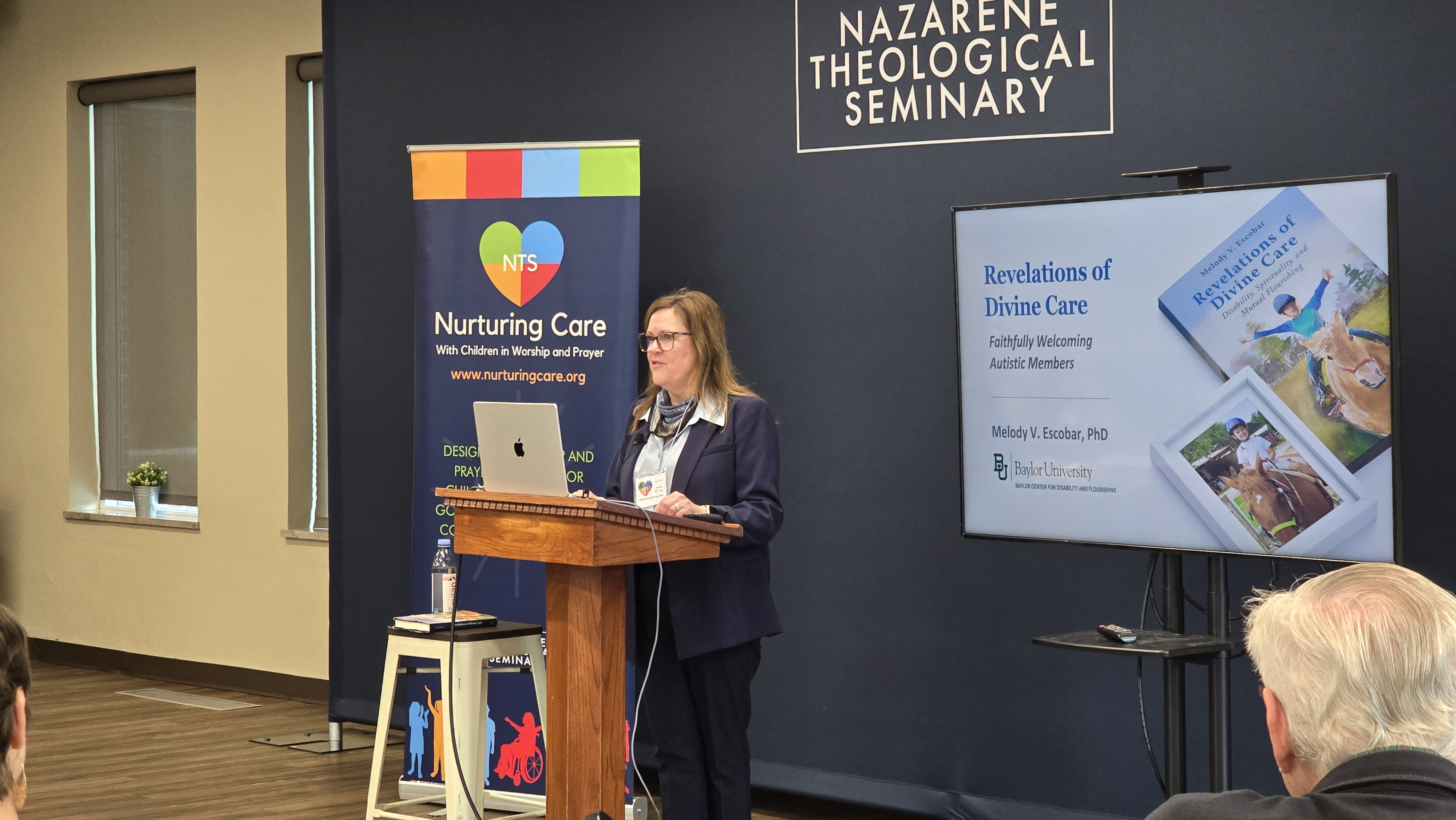
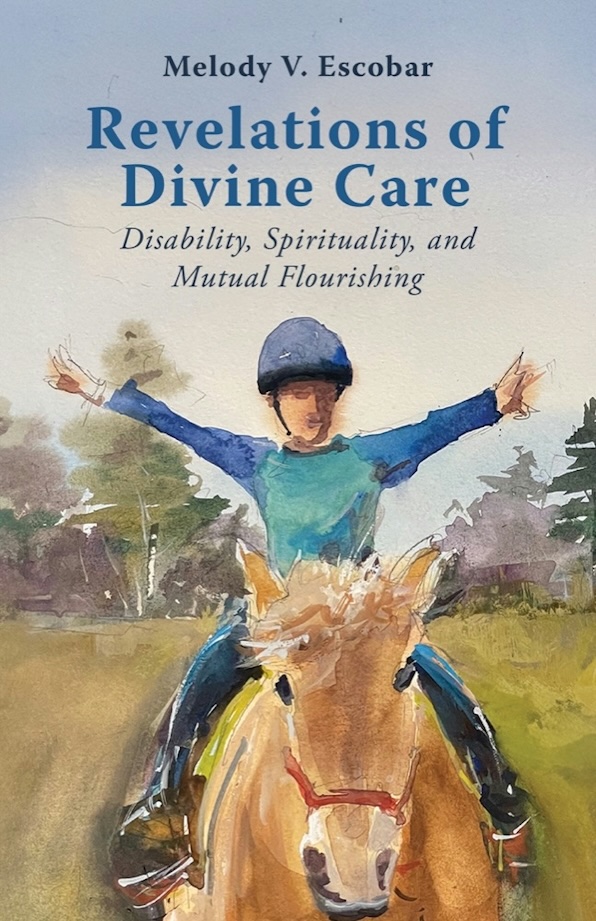
Escobar also shared her own family’s experience raising her son, “Raffy,” who is autistic and deeply devoted to church life. Despite his enthusiasm, multiple parishes initially declined to include him in preparation for First Communion, citing a lack of resources. The turning point came when one teacher simply said yes. “That willingness to try changed everything,” Escobar said, describing how adapted materials, patient instruction, and a supportive church community ultimately made participation possible. She called this openness “the gift of yes,” a commitment to learn, adapt, and walk alongside families.
Escobar urged churches to move beyond statements of inclusion and adopt concrete changes in practice. Among her recommendations:
- Rethink ministry structures to ensure accessibility and participation
- View autism through a theological lens, recognizing it as part of human diversity, not deficiency
- Affirm the image of God in every individual, regardless of ability
She also emphasized the importance of building authentic relationships including sharing meals, listening to families, and fostering genuine friendships rather than mere tolerance.
Committed Learning
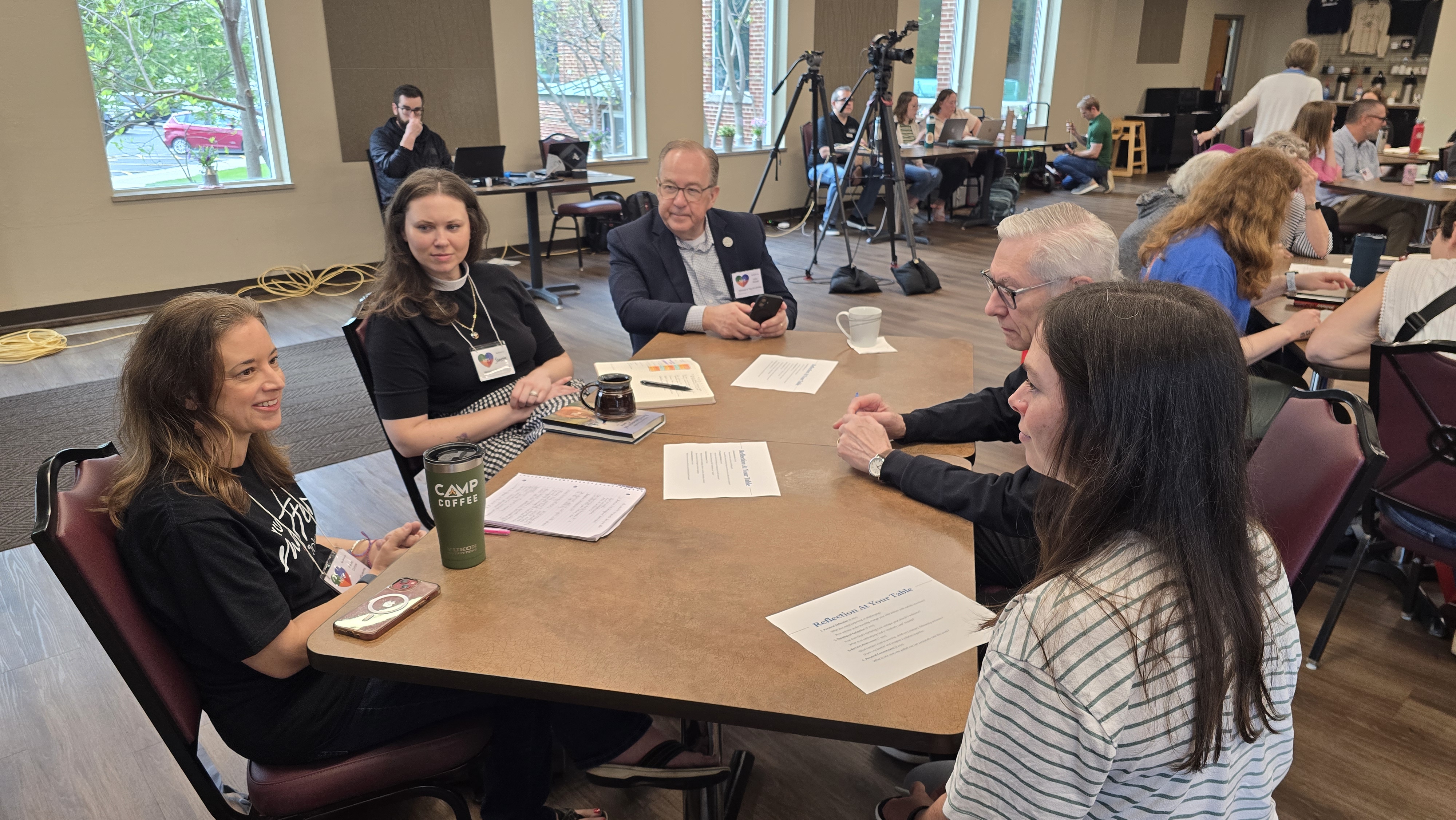
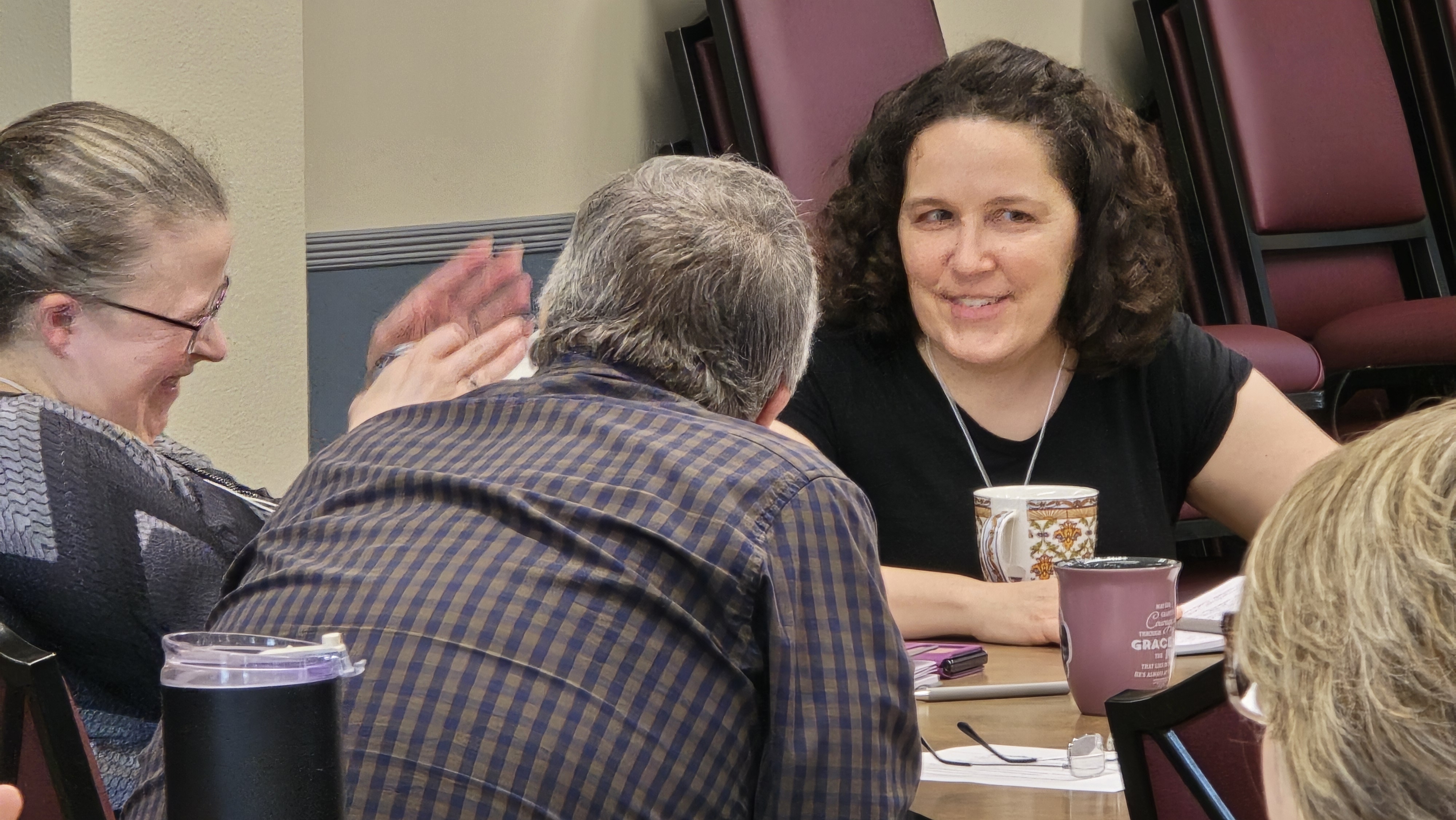
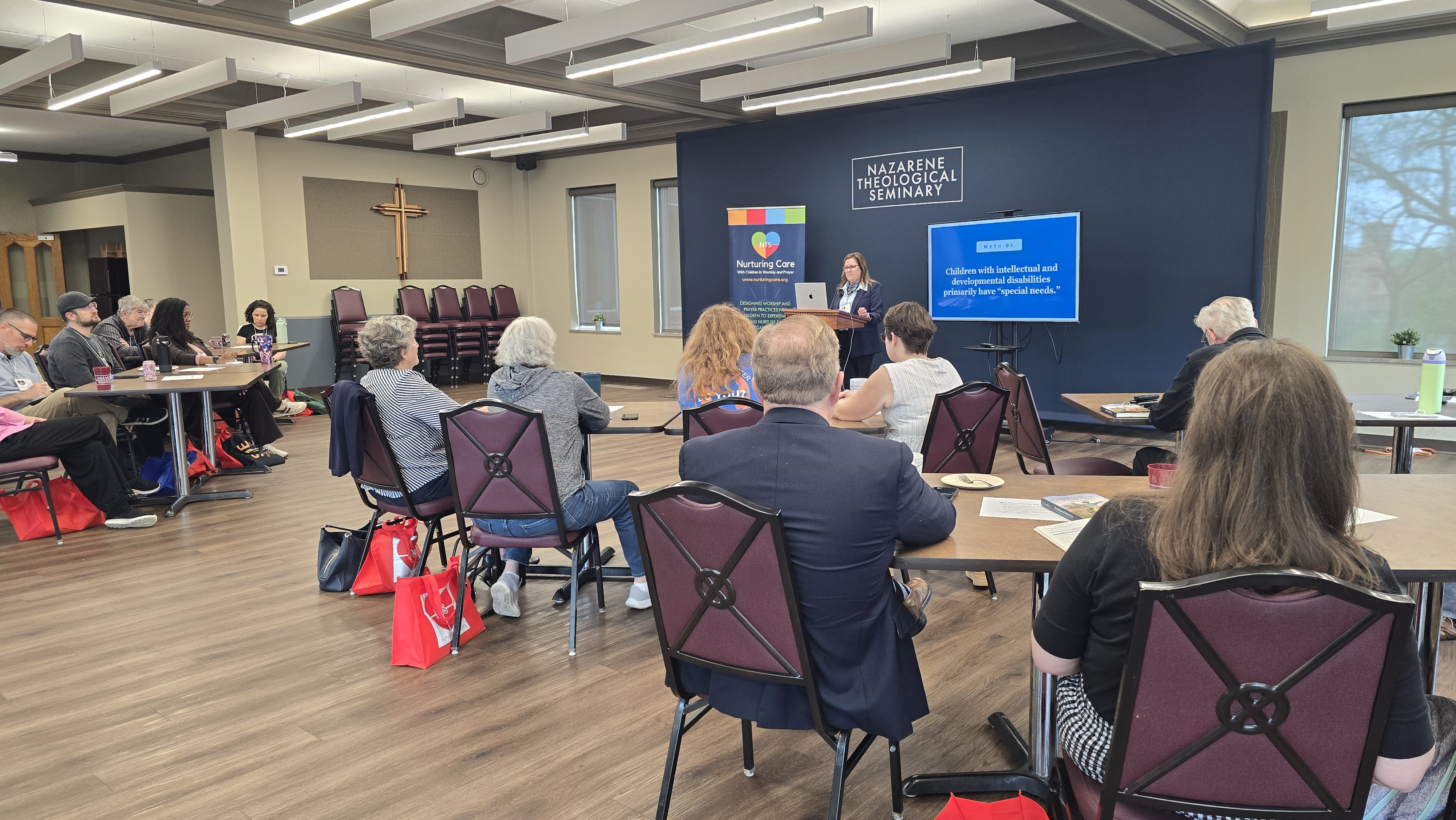
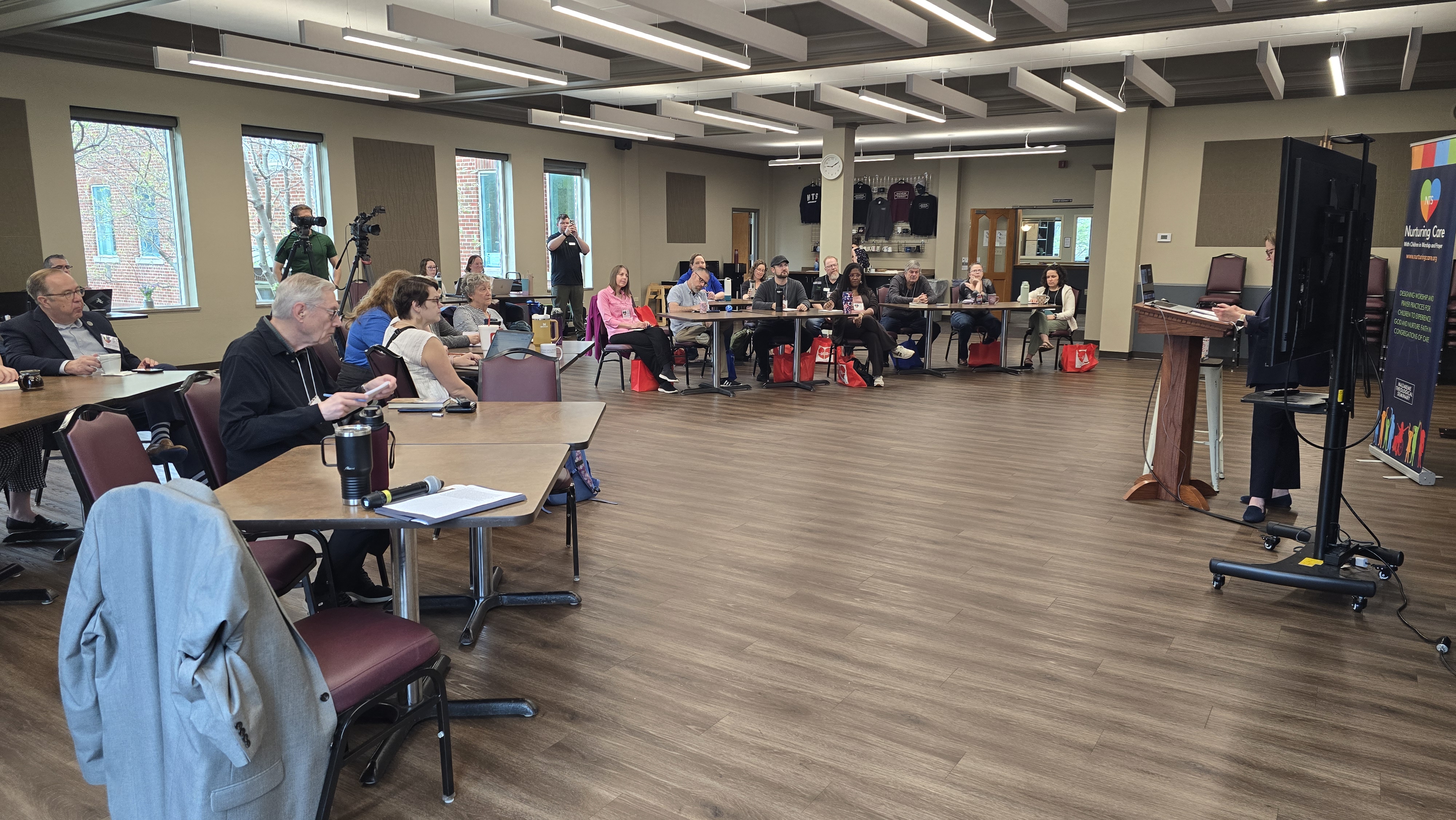
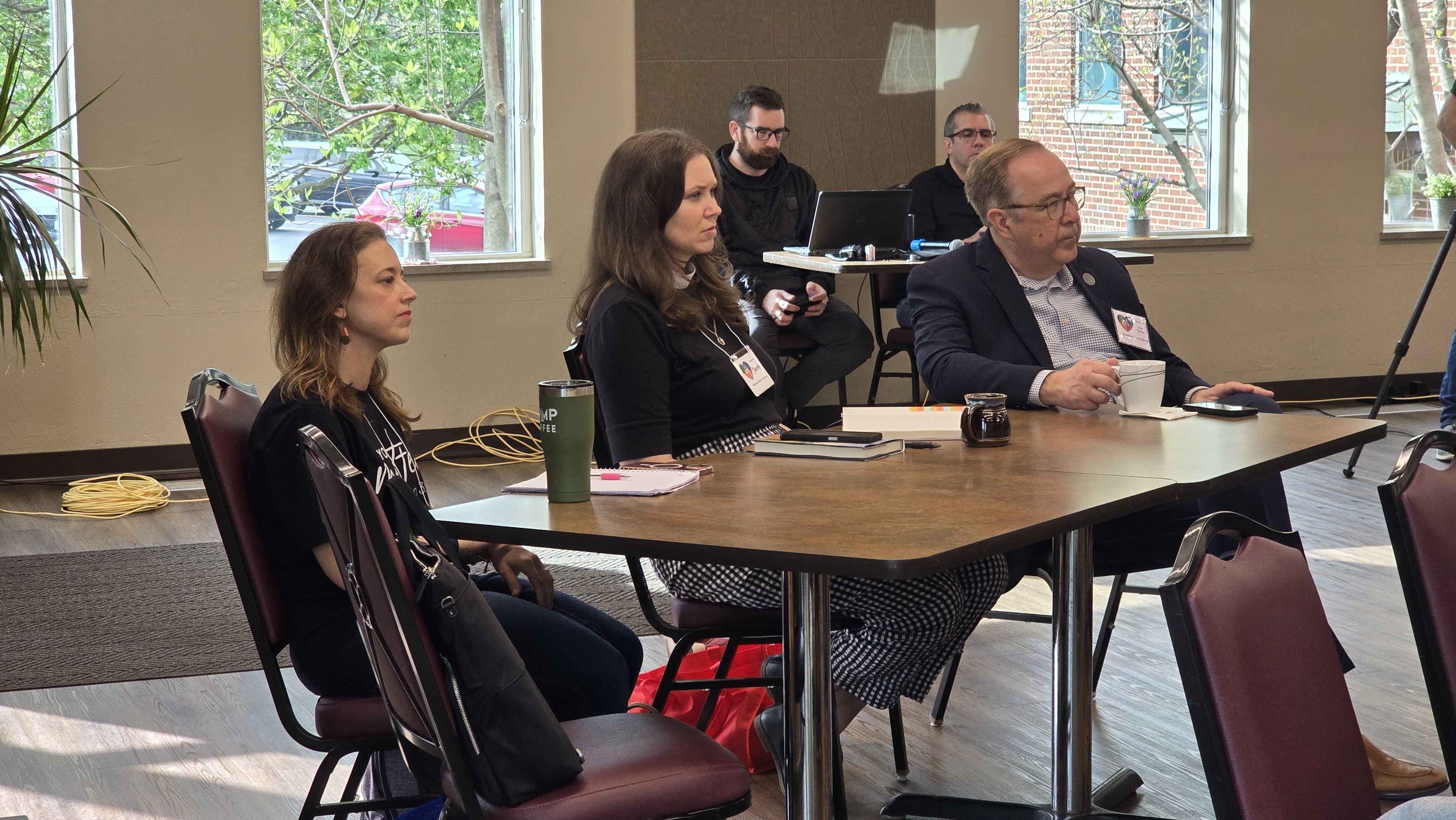
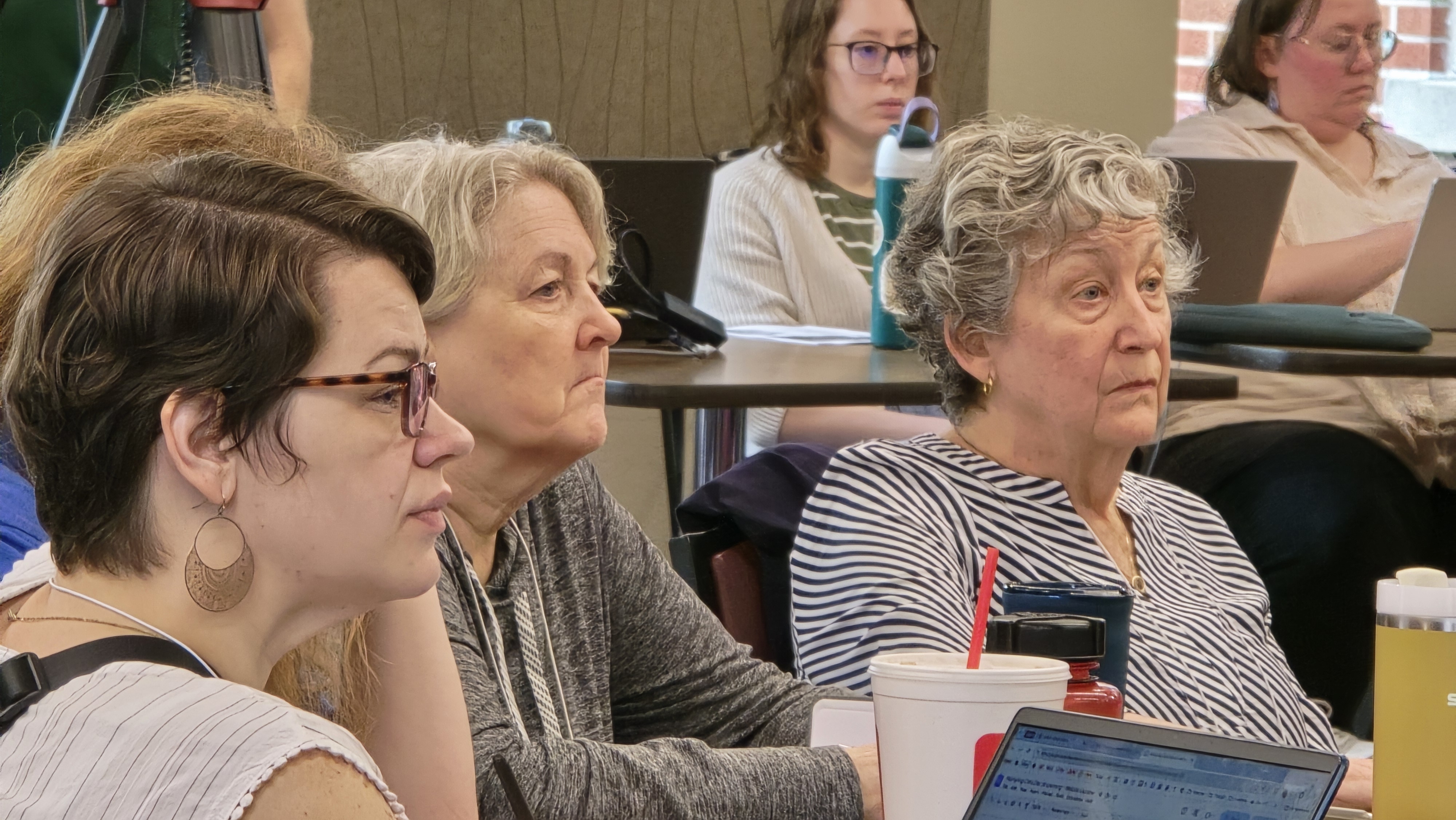
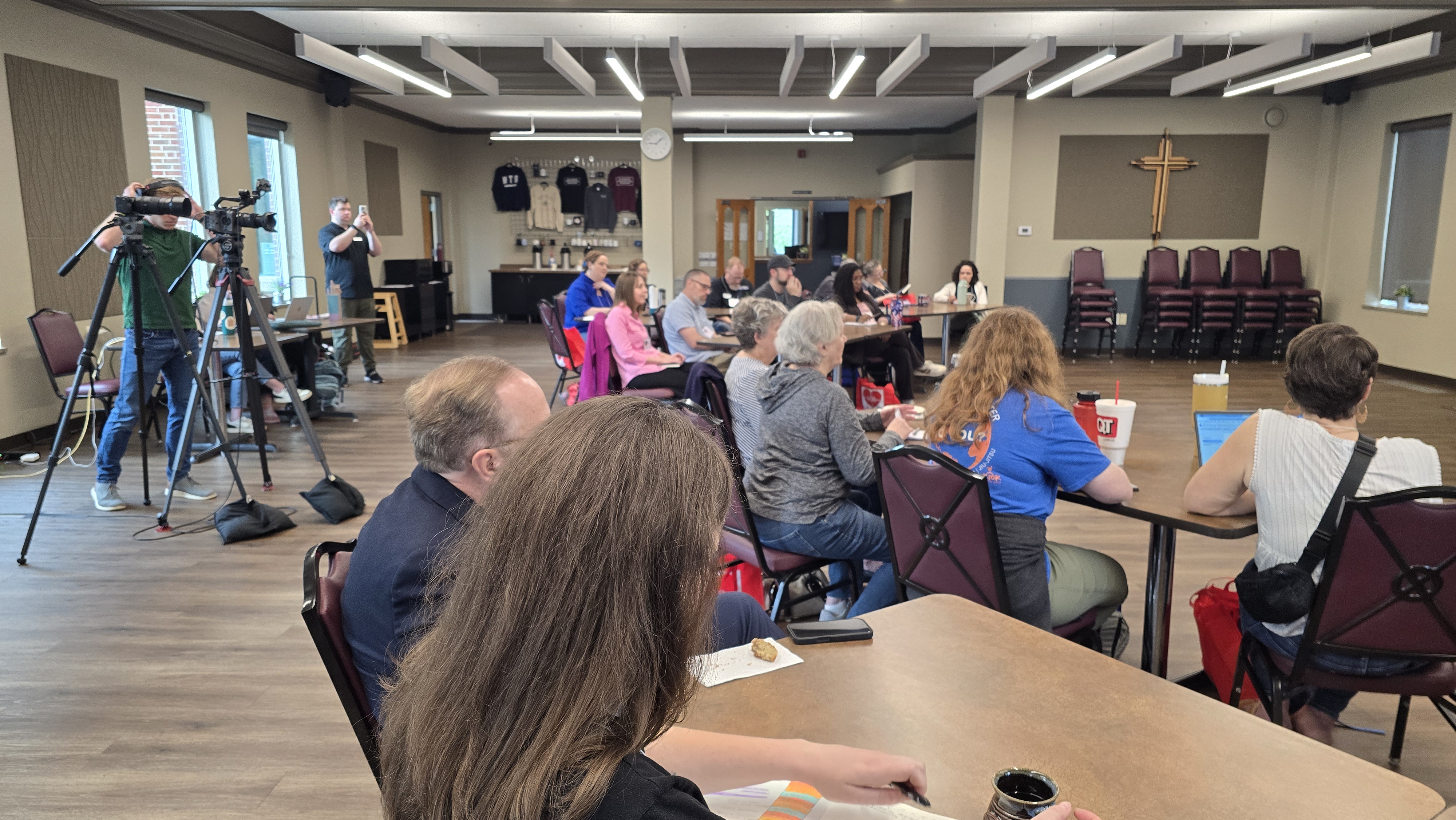
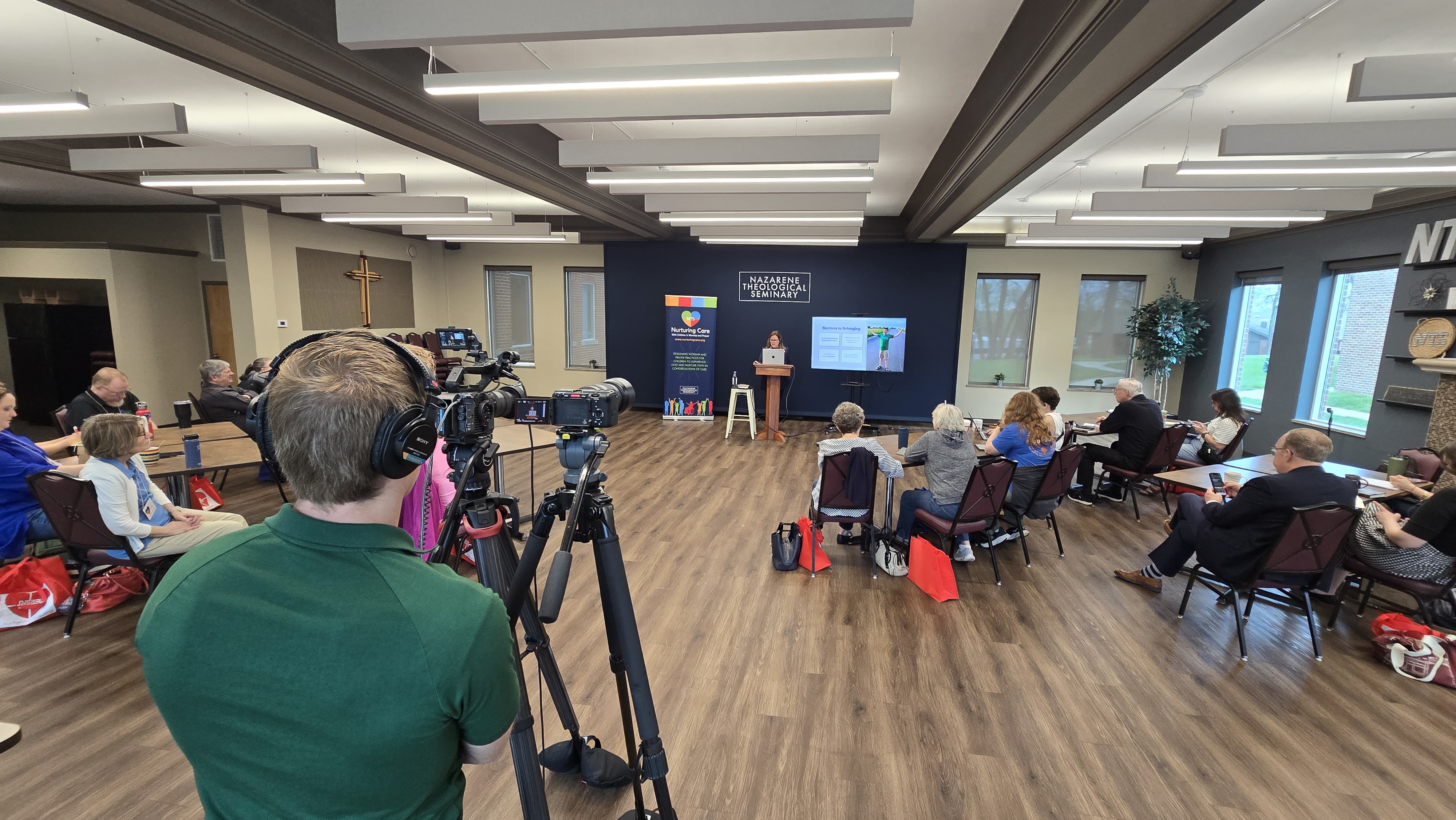
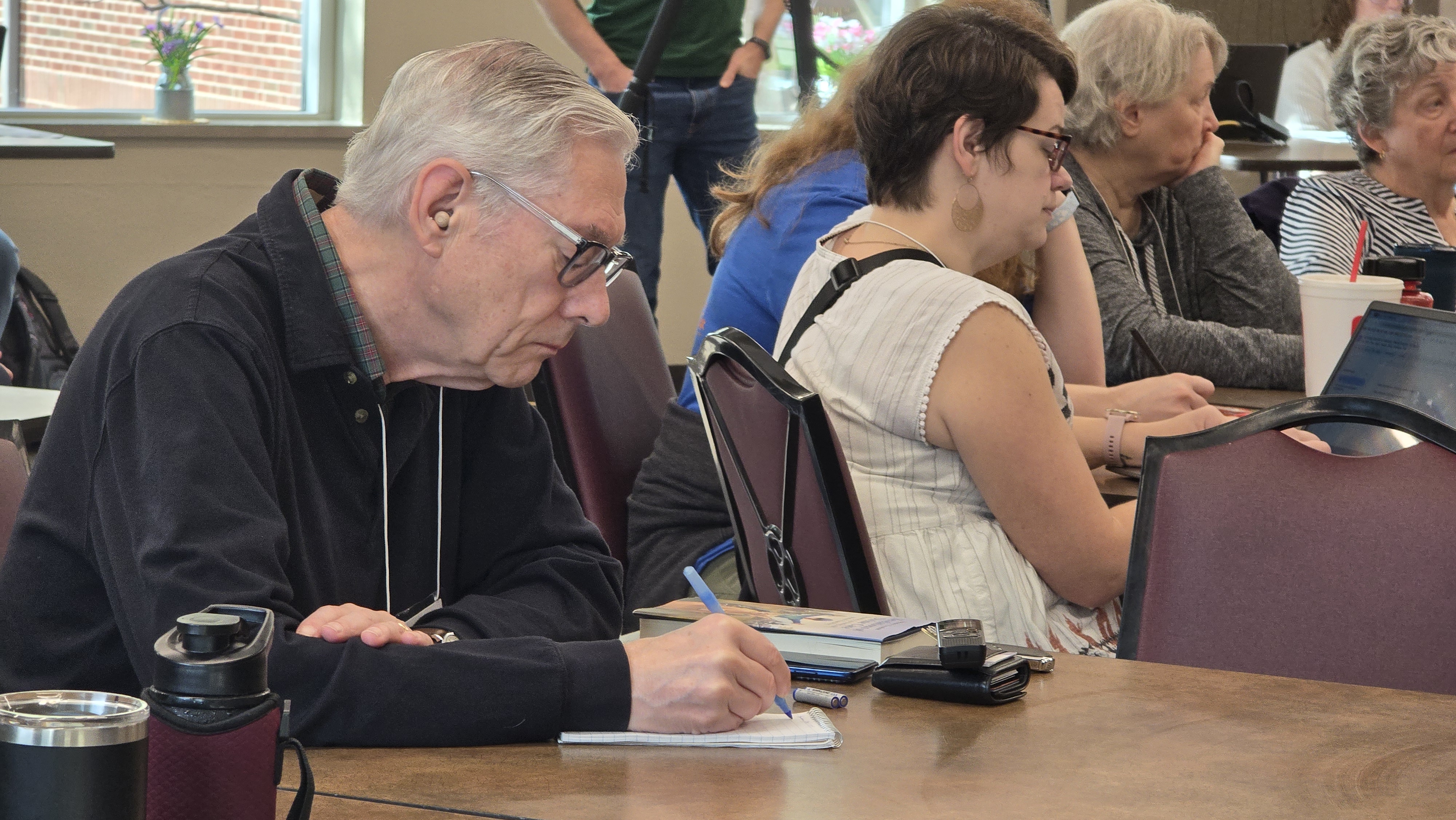
Escobar’s presentations invited small group interaction both by in person participants but also online engagement. The hybrid event drew journalists, consultants, and local churches, already participating with Nurturing Care’s initiative. In addition, providing a Zoom Events option allowed more than 70 participants to join from around the country, while the total 120 registrants can access video recordings of the presentation for the next month. Future editions of the presentations will be available through NTS lifelong learning program, Praxis, as part of the Nurturing Care video series.
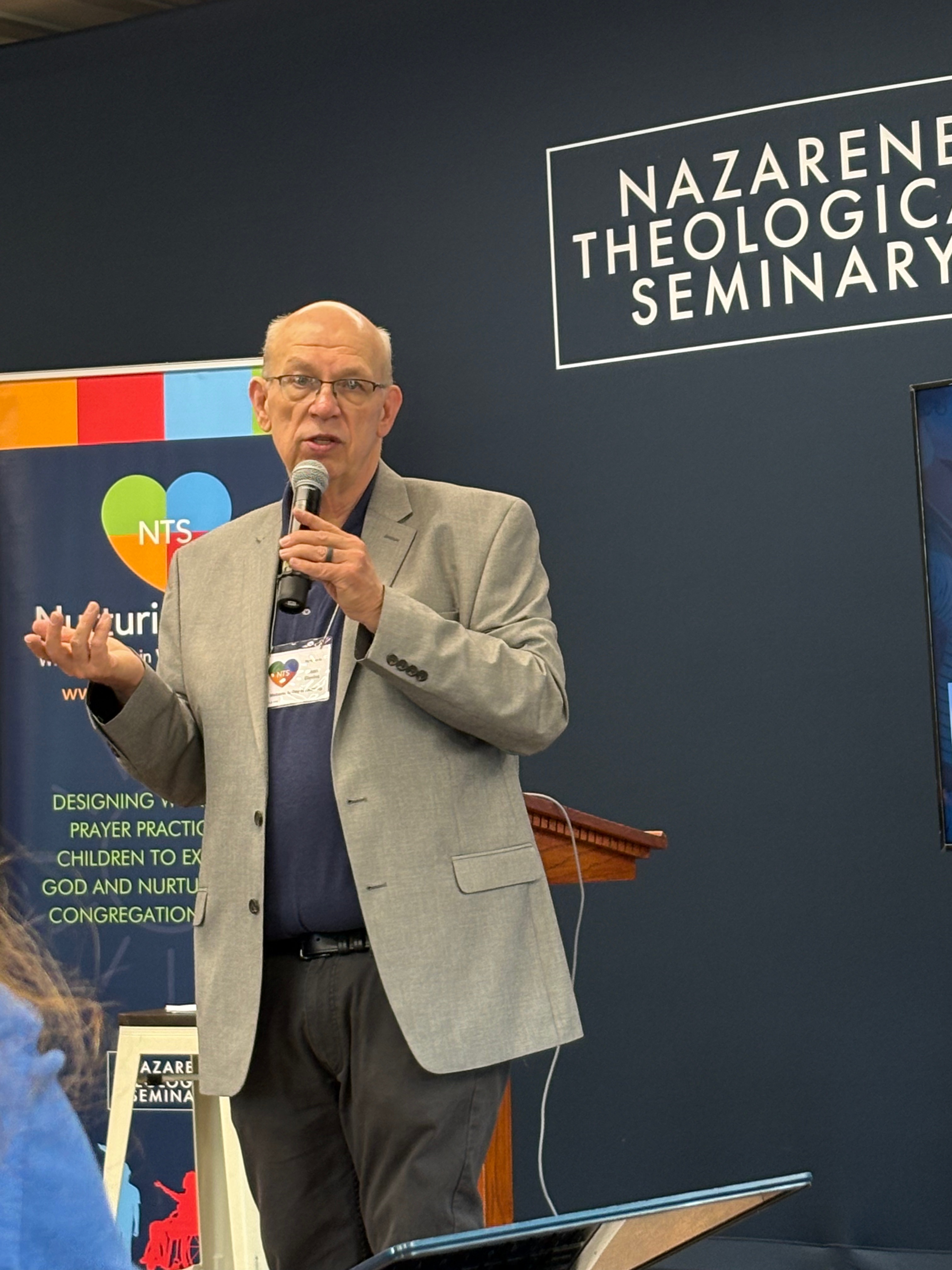
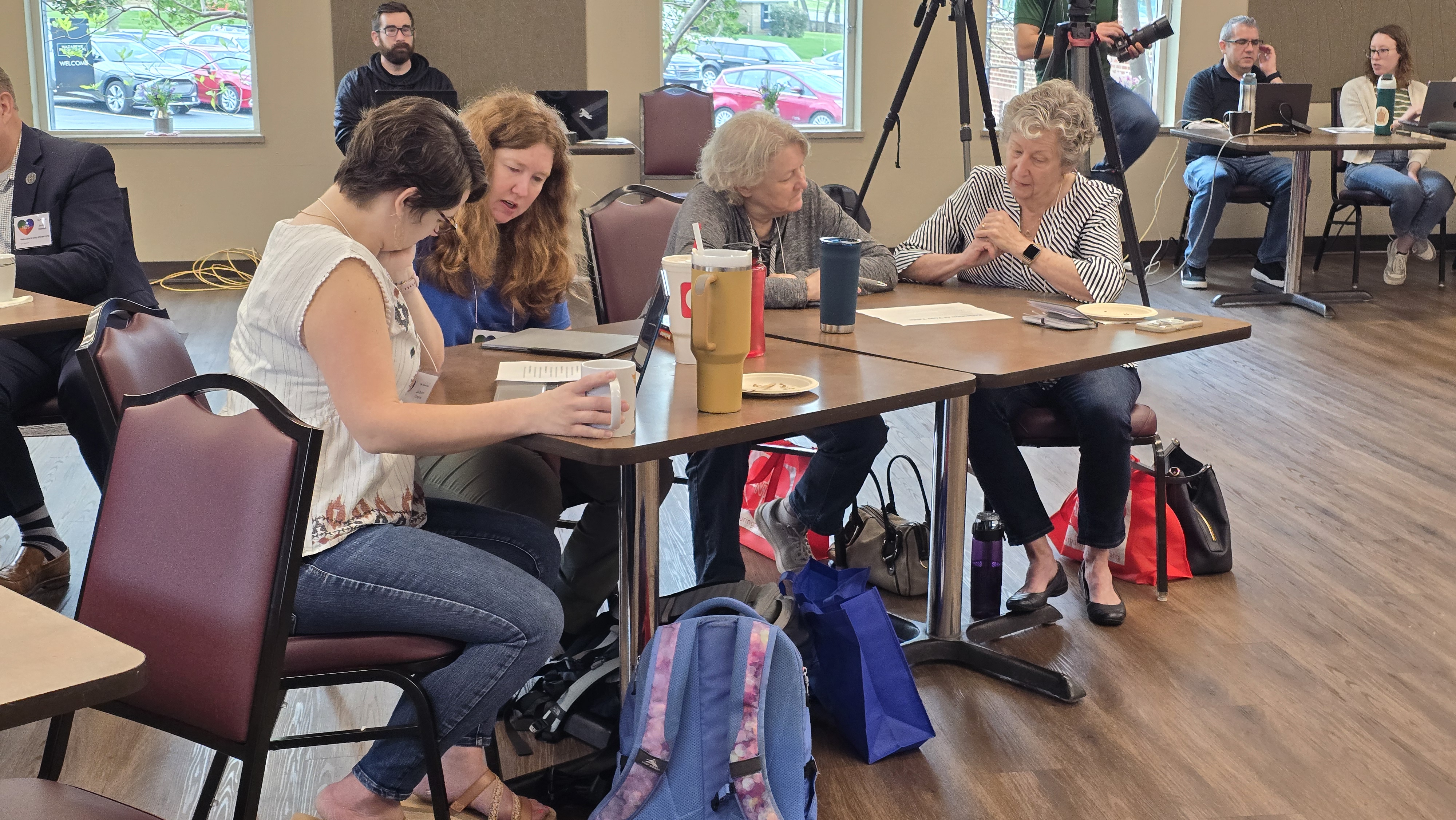
Director Dean G. Blevins noted the educational event, and congregations empowered through mini-grants to minister to autistic kids through worship and prayer practices, occurred through a grant from the Lilly Endowment, Inc. The event reflects a growing awareness for greater engagement alongside children with disabilities and their parents.
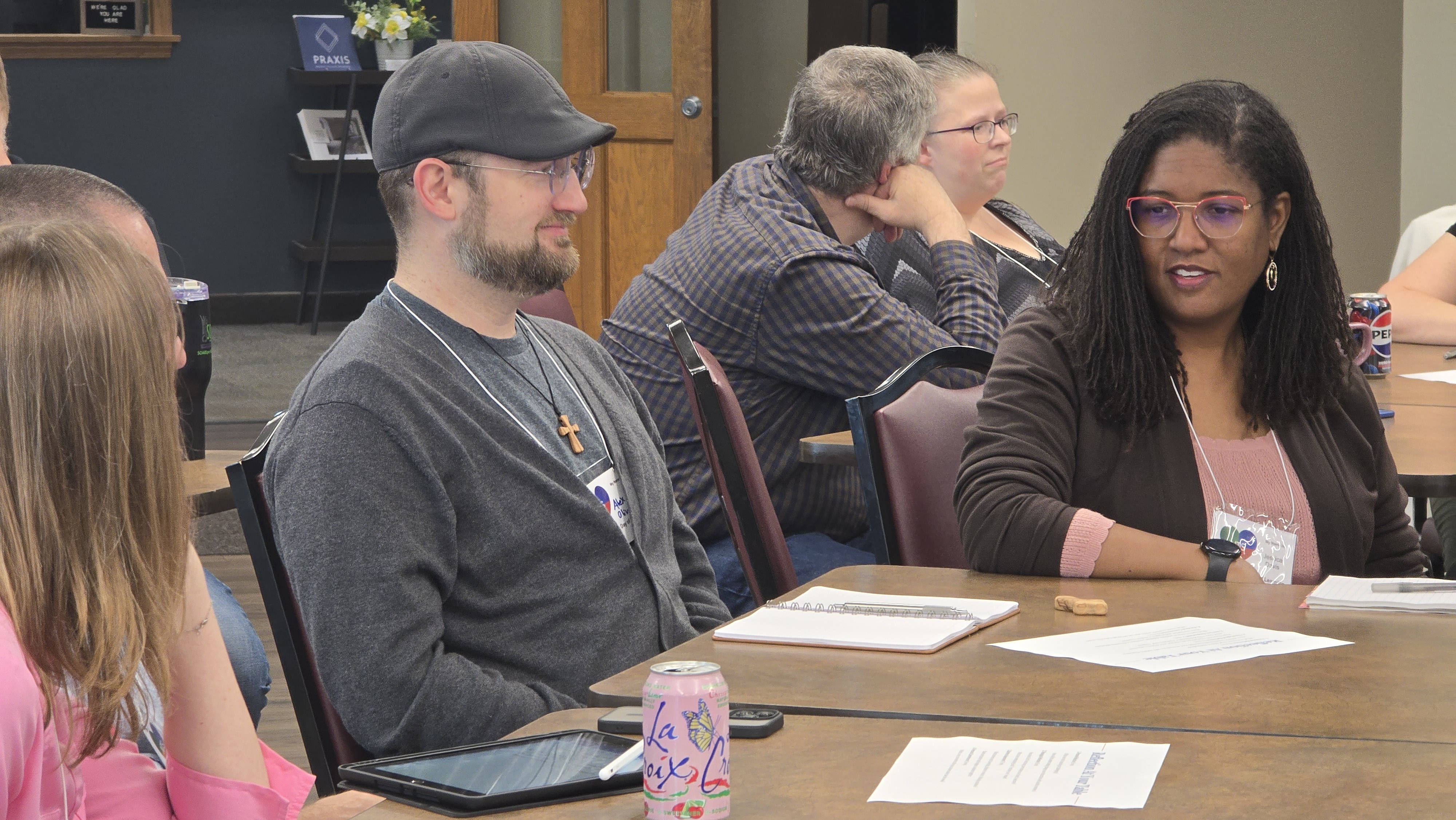
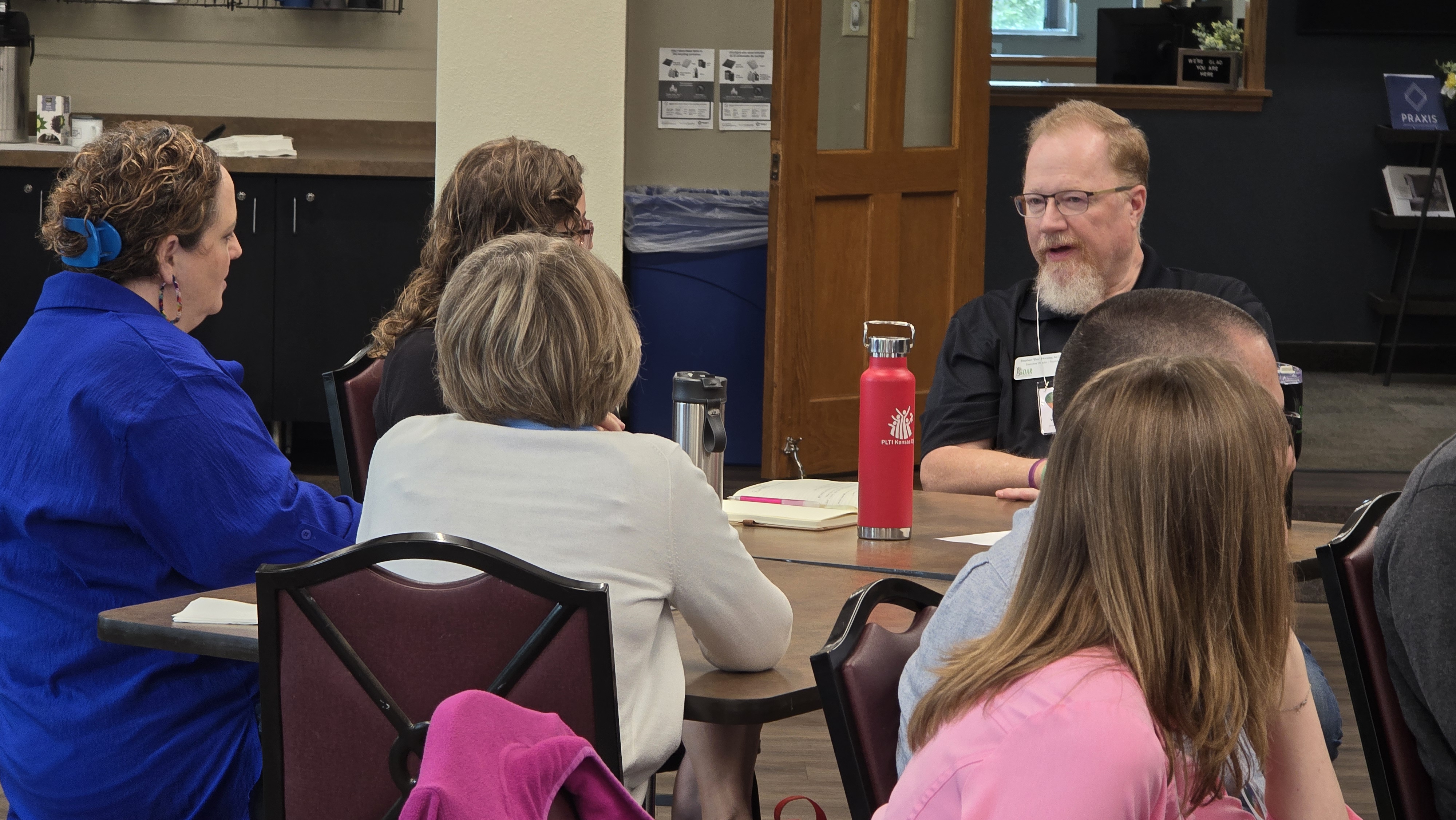
Escobar designed discussion questions that lead from theological reflection to practical strategies for addressing children with autism through worship and prayer exercises. Escobar and others also acknowledged a growing need to offer respite care for parents of children, alongside accepting autistic kids in the local congregation during worship and discipleship opportunities.
Toward Belonging
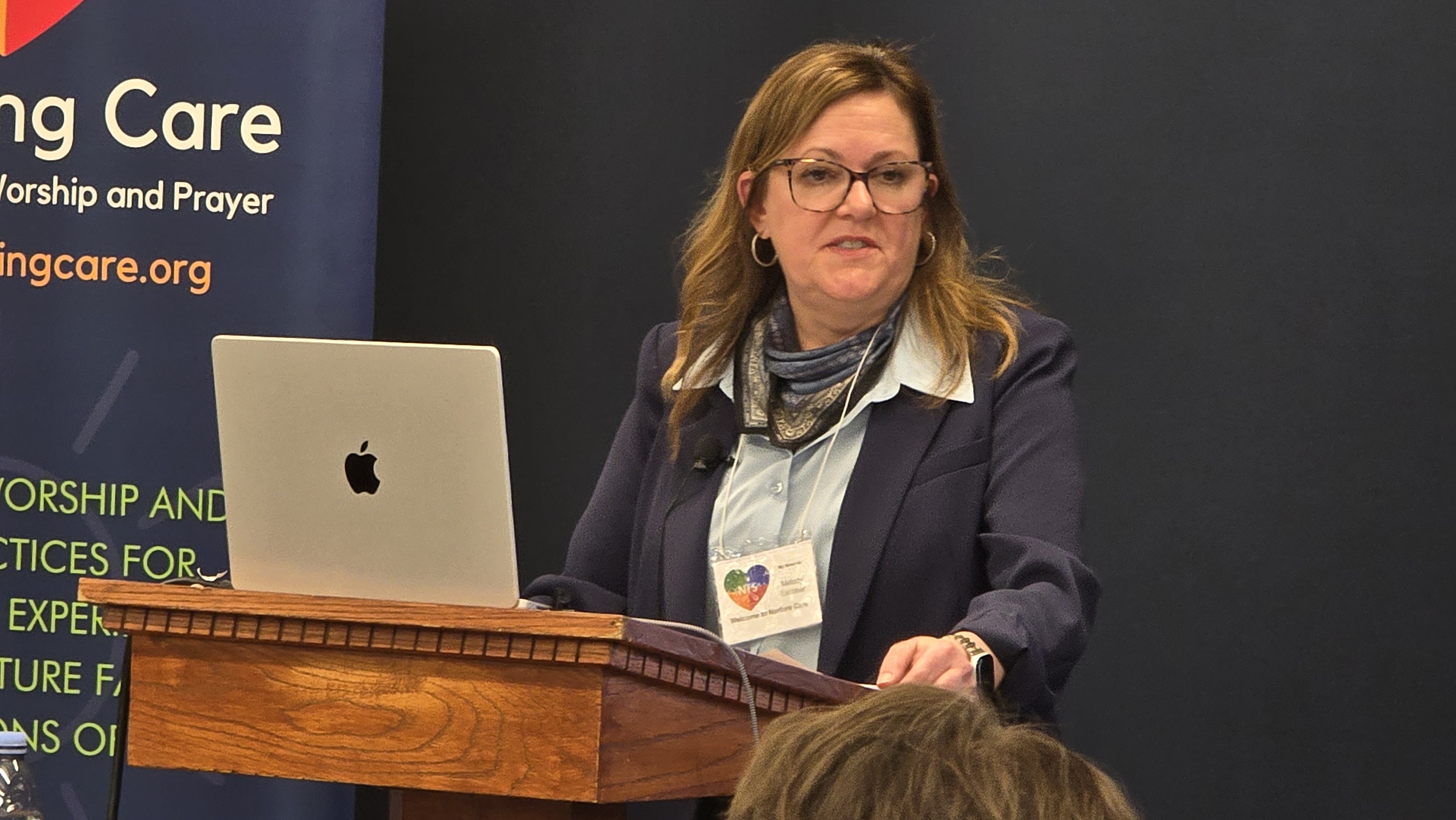
Ultimately, Escobar argued that inclusion benefits not only individuals with disabilities, but entire faith communities. “Barriers to belonging are not fixed,” she said. “They can be named, and they can be removed.” Her message is both a challenge and an invitation: for churches to embody a form of care that reflects divine love—adaptable, inclusive, and unwavering.
“True welcome,” she concluded, “means no one is ever left outside.”
Final Invitation
Nurturing Care continues to empower congregations to nurture experiences of God among elementary age children with autism, through worship and prayer practices. To learn more about the programs “Maker’s Space” incubators/retreats. Blevins will offer two information sessions on April 27th. Congregations interested in joining churches in the midwest and southeast making a difference with autistic kids, can register for this important event.