
Across the Nurturing Care Midwest network, churches are discovering that inclusion is not a single program but a steady reshaping of congregational life. From sensory bags and fidget tools to respite dreams, volunteer training, accessible spaces, and new language for worship, congregations are learning how to welcome neurodivergent children and families with intention, dignity, and joy. The June reports and group conversation reveal a common thread: small adaptations, faithfully offered, are becoming means of grace.
Creating Worship Spaces Where Children Can Belong
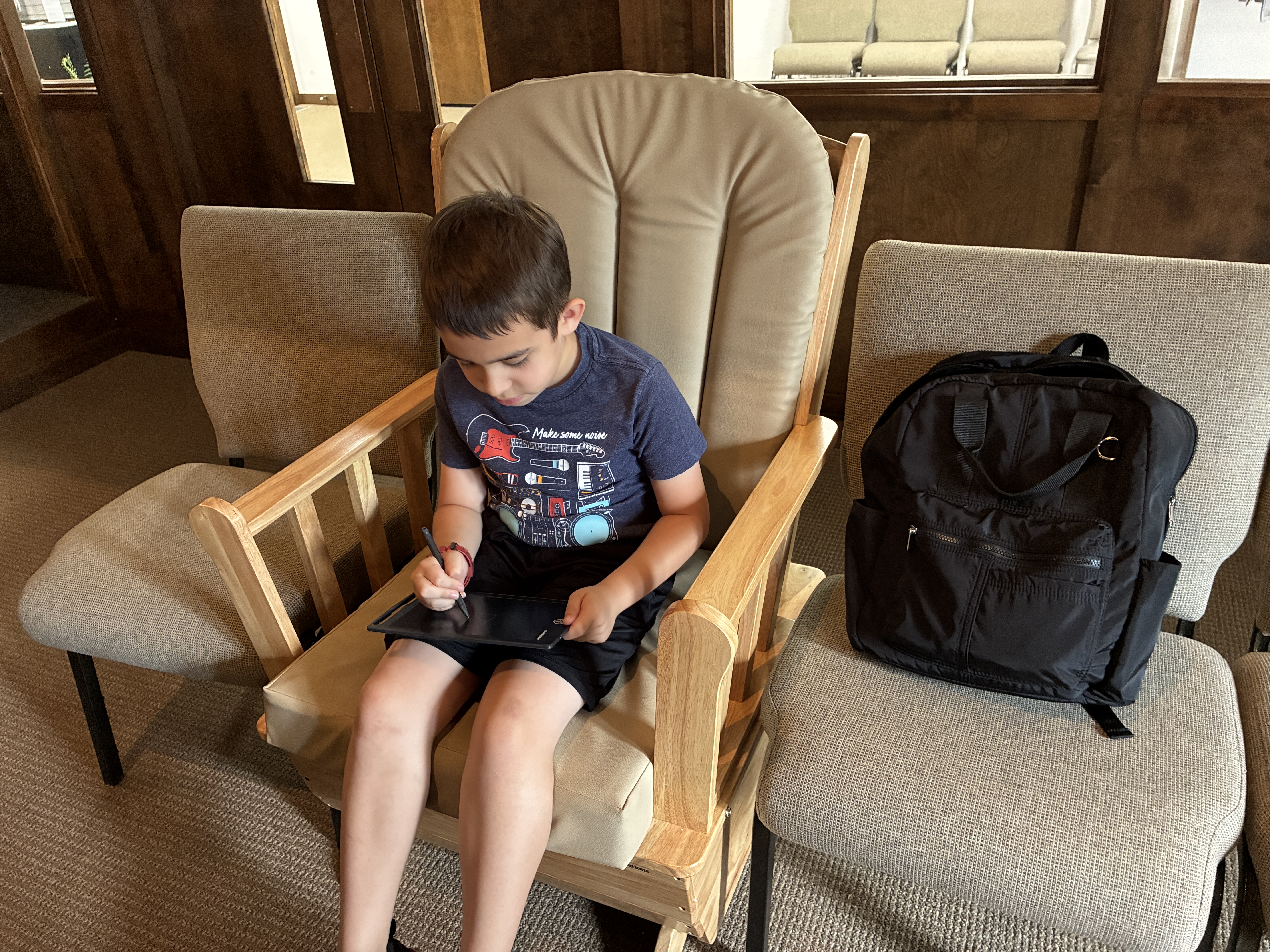
At New Hope Church of the Nazarene, Merry Sickel described a moving God sighting: a young ASD student independently went to the altar to pray for the first time, without prompting or help from his buddy. New Hope also added supports such as a rocking chair, sensory backpack, wobble seat, fidgets, and a phonics phone, helping one teen remain in worship and move toward a calmer Sunday rhythm.
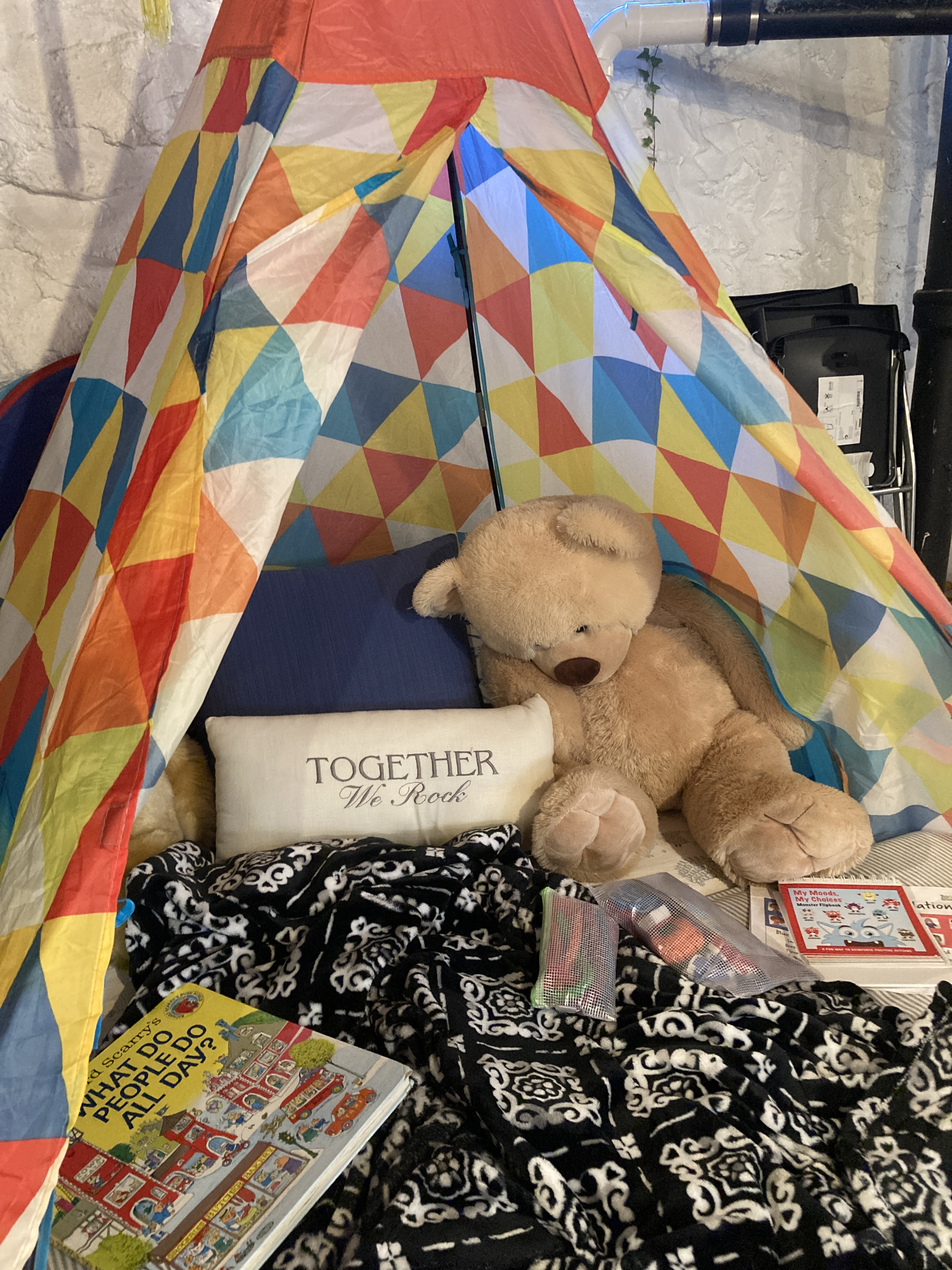
At The Light KC, JoBeth Crank shared that resources normally used in the classroom are now available on Family Sundays in the main Worship Center. Those supports helped an autistic preschooler remain in worship with his family for the first time, using visuals, fidgets, and the safety of available headphones to manage the overwhelming parts of the service.
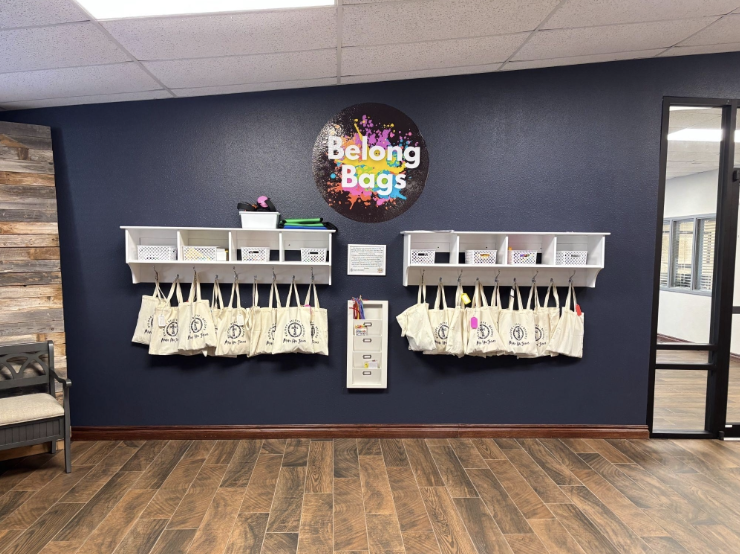
At Norman Community Church of the Nazarene, Nathan Jenkins and Wesley Grippen saw sensory bags become a visible sign of welcome during Easter worship, when children and adults eagerly reached for them as they entered the sanctuary. The church also discovered that its sensory-friendly space served families during funerals, allowing children to process grief while remaining connected to the worshiping community.
Simple Tools, Deeper Formation
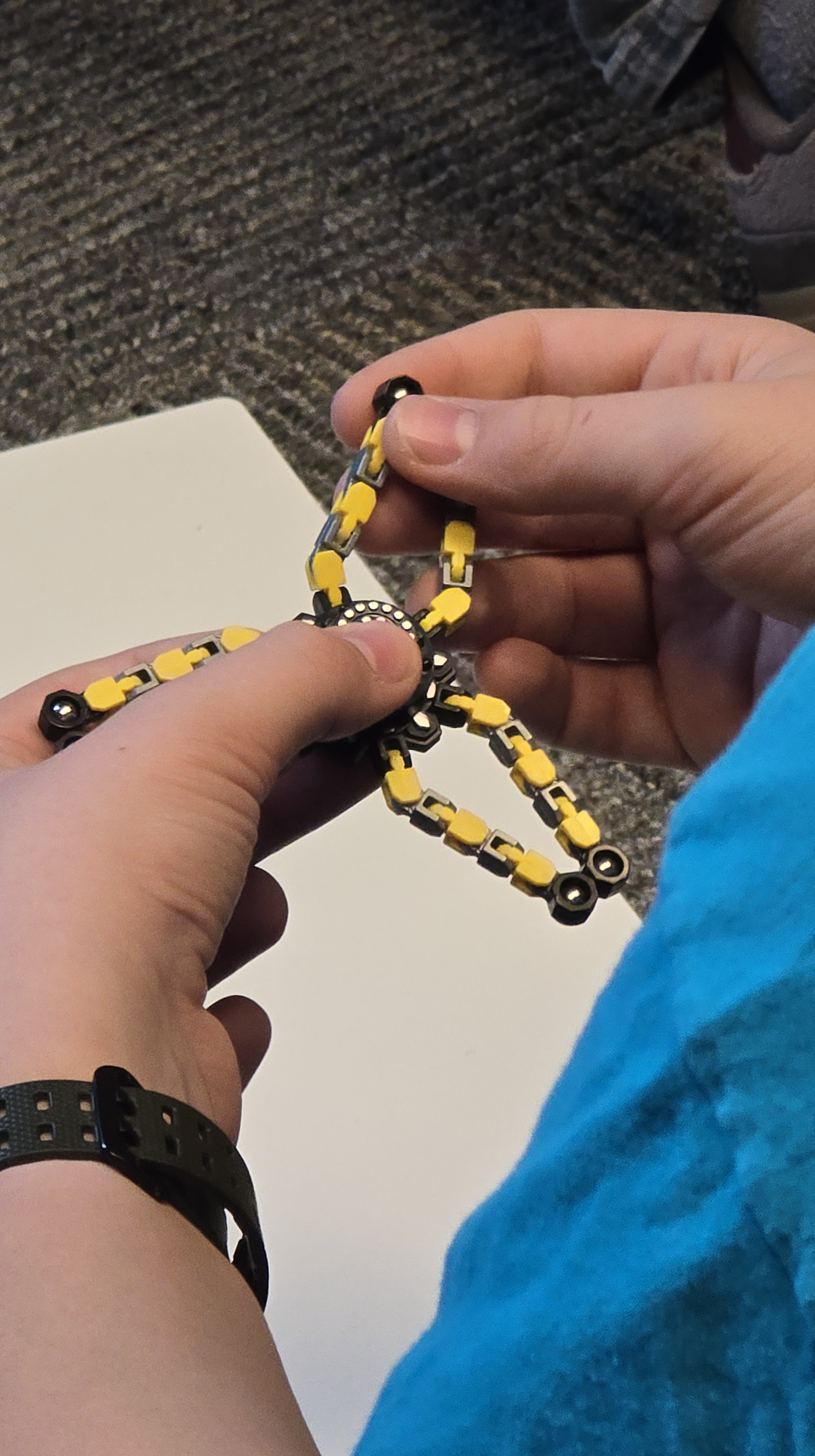
At Living Hope Church, Tiffany Solum told a humorous but revealing story about a child correcting a substitute volunteer: fidgets could stay out if they were being used as “tools and not toys.” The moment showed that children were not only benefiting from sensory supports but also learning to advocate for what helps them participate.
At New Vision Church of the Nazarene, Rev. Alex Oliver shared that adaptive worship tools have begun helping adults as well as children. Fidgets, drawing pads, coloring pages, and prayer beads have helped worshipers stay present, and one congregant who had not previously volunteered began quietly helping keep those materials stocked and ready.
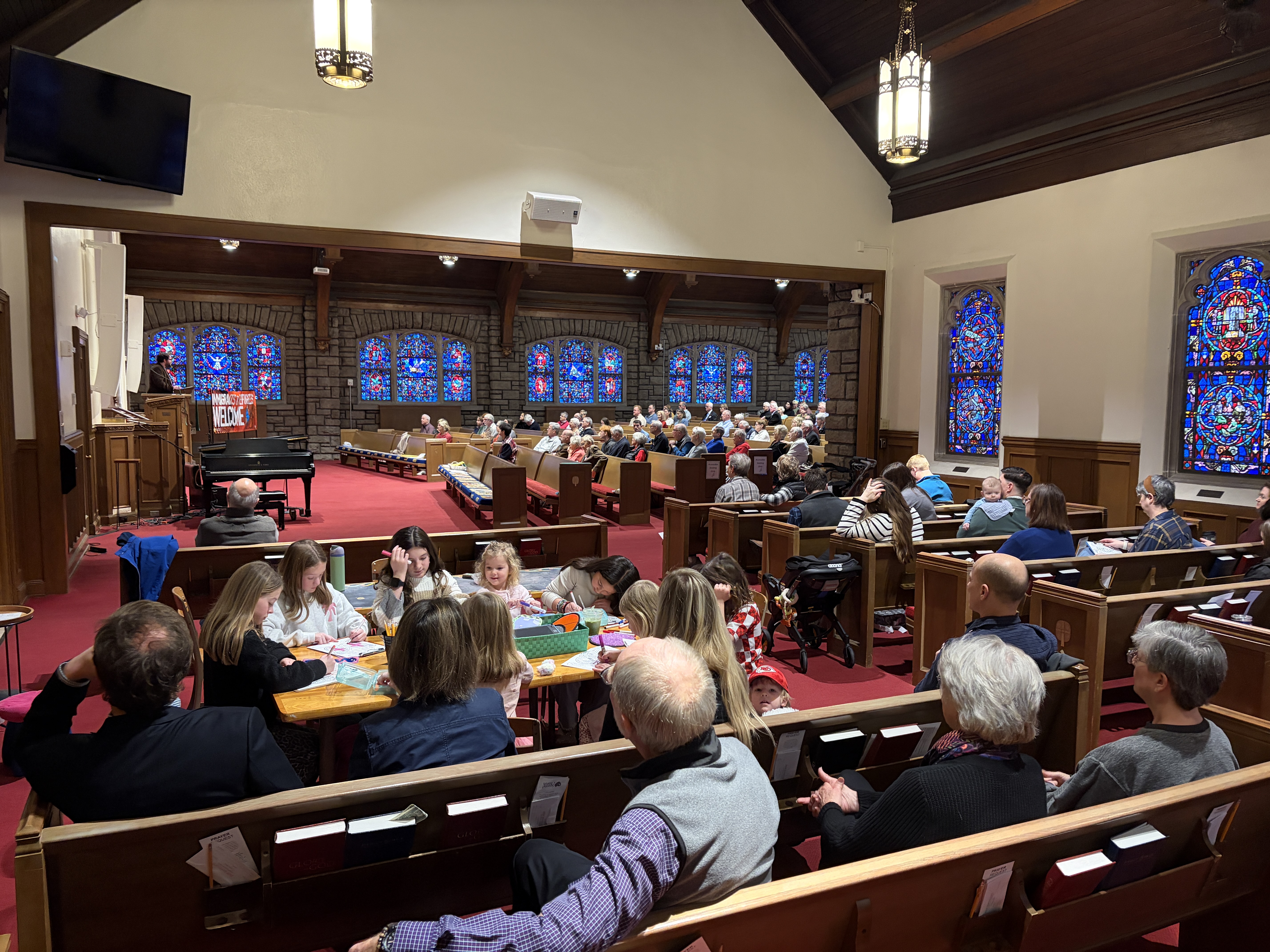
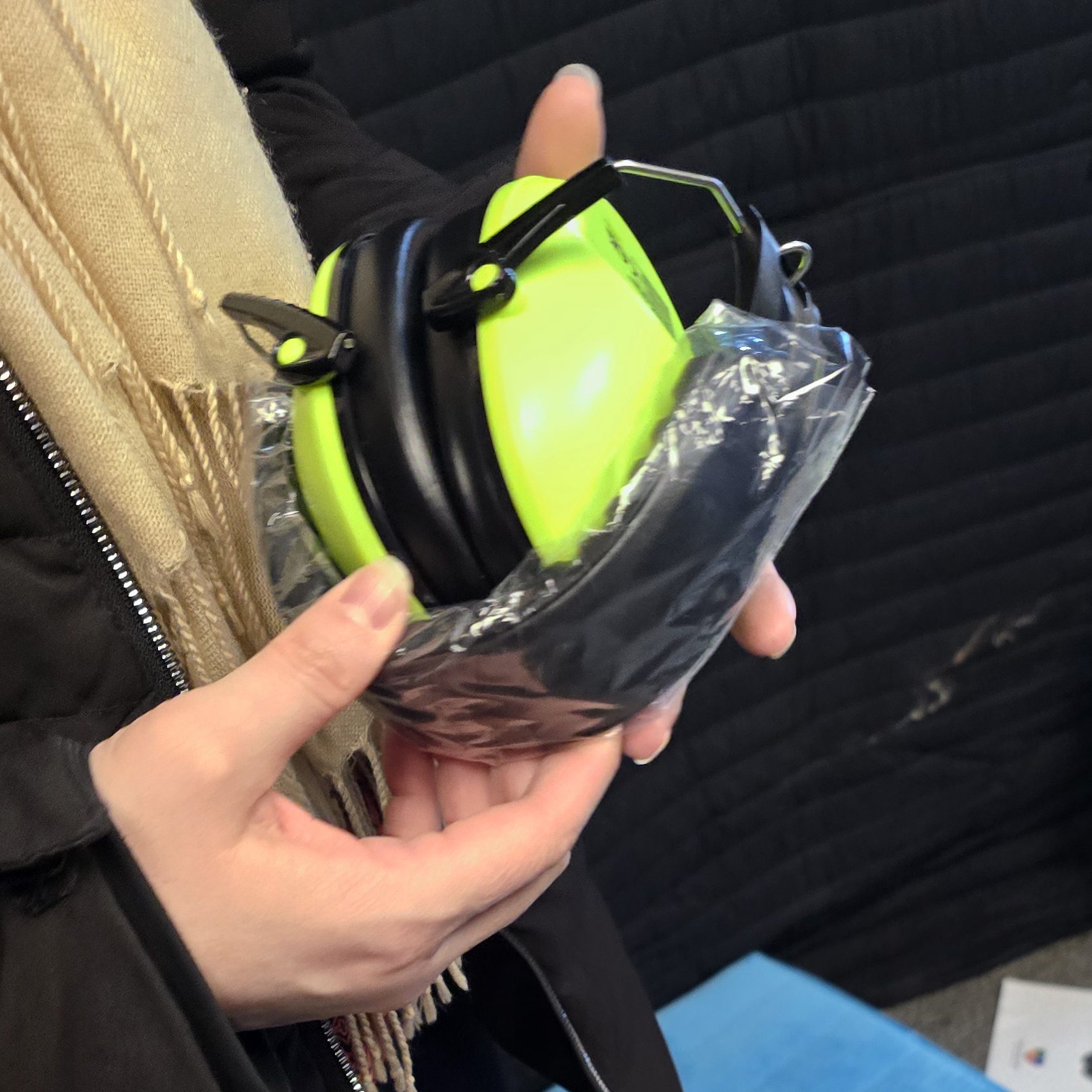
At Second Presbyterian, Sam Murphy described the church’s use of children’s bulletins, visual worship cues, headphones, and other supports as part of a broader commitment to universal design (UD). One visiting child quickly found headphones when the organ felt too loud, allowing the family to stay and experience worship with freedom and ease.
Training Volunteers and Changing Congregational Culture
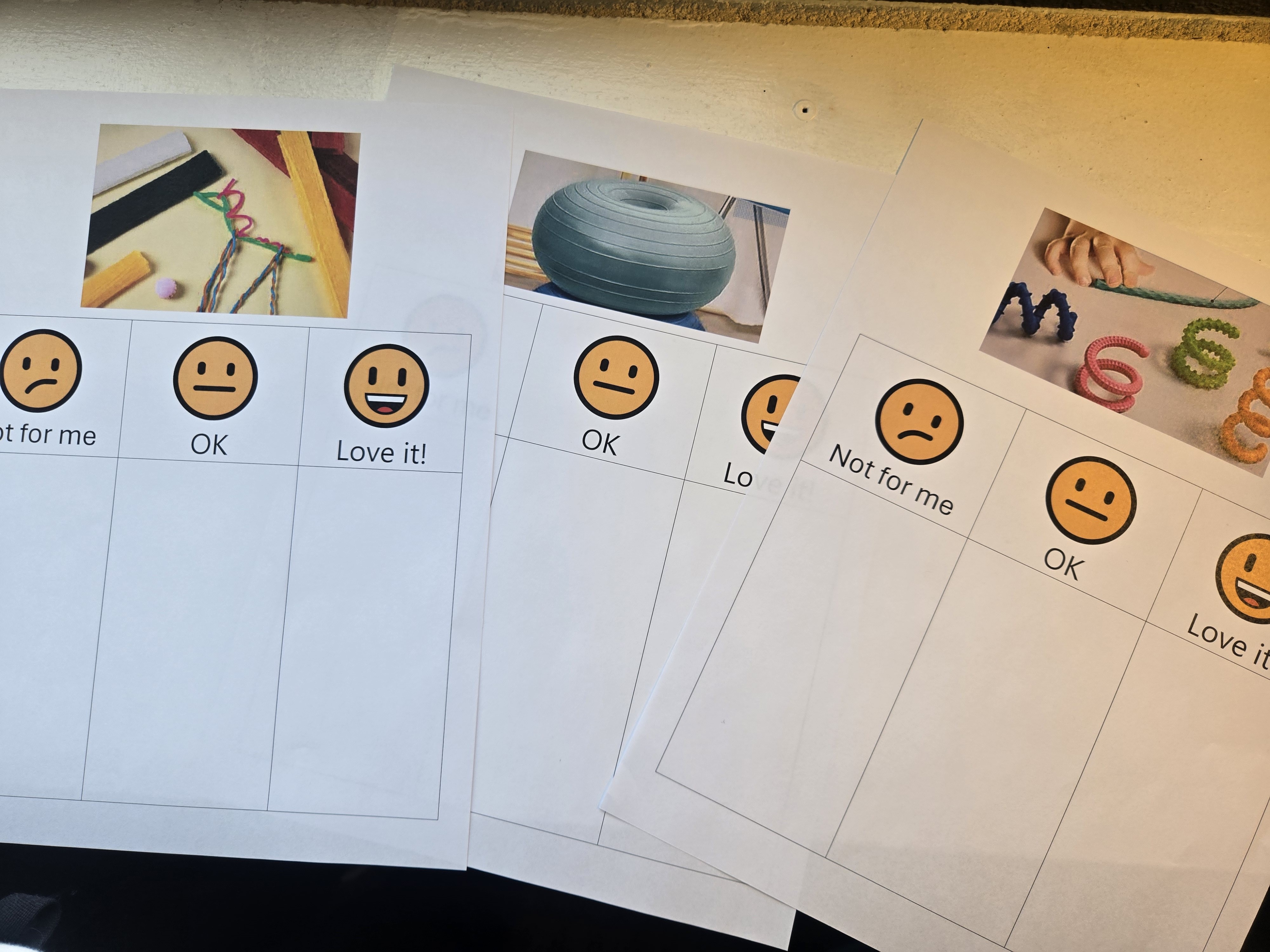
At Christ Community Church of the Nazarene, Amy Schlepp said the church has entered a season of “quiet implementation and observation.” Flexible seating, fidgets, movement tools, and buddy support are in place, but the church is learning that broad volunteer training is the crucial next step so teachers, buddies, and all children’s ministry helpers share consistent language and expectations.
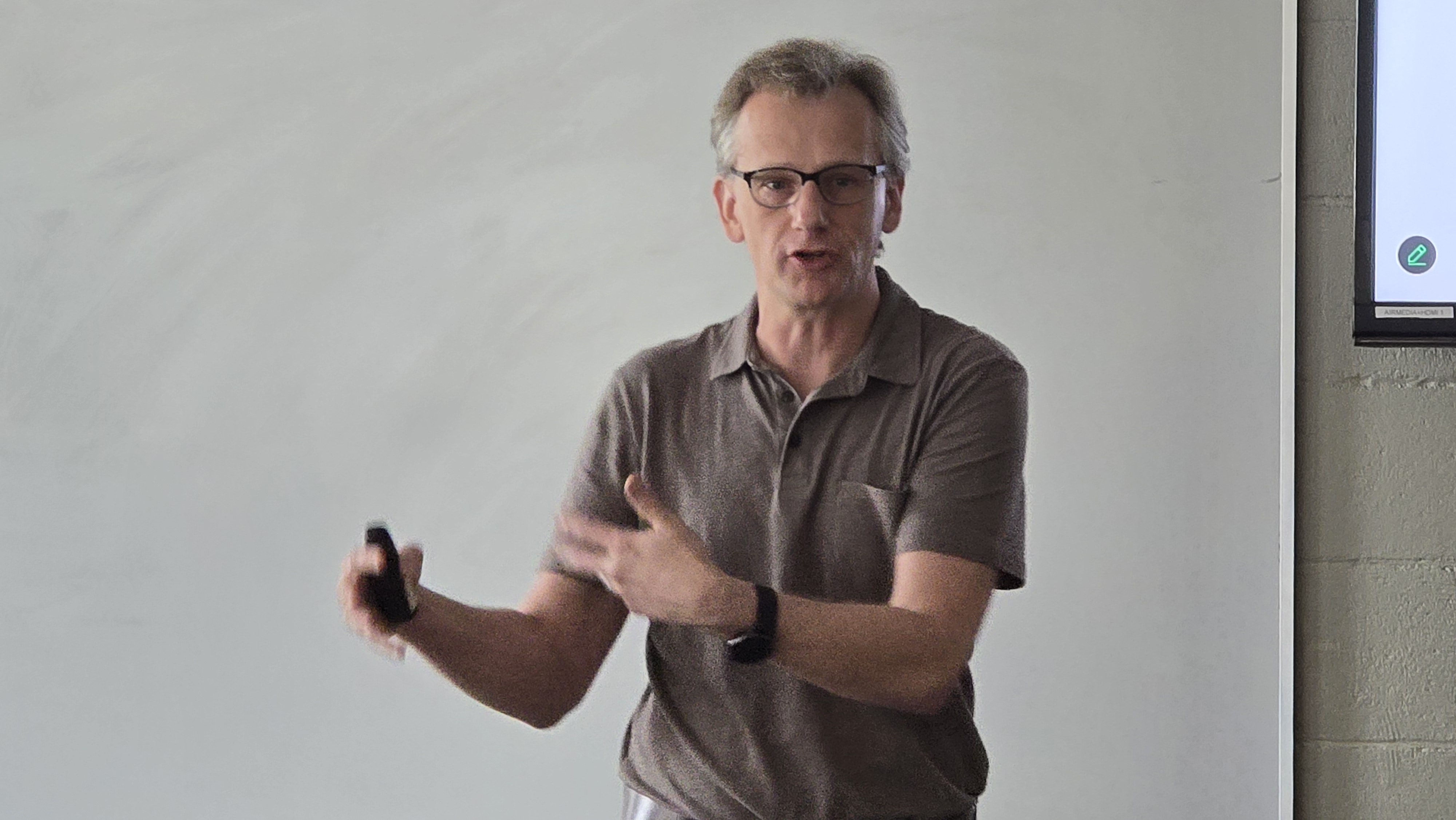
At New Hope Church of the Nazarene, Merry Sickel also reported that the church held a workshop with Kris Mitchell for ministry leaders, children’s leaders, volunteers, parents, and grandparents. The training was well received and will continue through team debriefs and further conversation.
At The Light KC, JoBeth Crank named an important learning edge: even after training, some volunteers may still struggle to understand how sensory items function as tools rather than distractions. The church is learning that implementation matters as much as purchasing resources, because adults need coaching in how to guide children toward faithful use of those supports.
Expanding Vision Beyond Sunday Morning

At Hosanna! Lutheran Church, Pastor Mike Kern described a growing discernment process around special needs ministry in the Northland. The church is exploring partnerships with Mosaic’s Rejoicing Spirits network, SOAR, the City of Liberty, and Liberty School District while dreaming about a purpose-built accessible space for indoor play, workshops, support groups, respite care, and broader community ministry.
At Matthew’s Ministry / Church of the Resurrection, Dr. Jessica Davis spoke of “baby steps” toward expanding a culture of welcome across multiple locations. With nine locations and flourishing Matthew’s Ministry work in only some of them, the challenge is helping every site become ready to welcome families when they arrive, rather than sending them elsewhere or asking them to wait.
At New Vision Church of the Nazarene, Rev. Alex Oliver also described how preaching can become part of culture change. After a sermon on Luke 15 and the lost coin, a congregant confessed resistance to adaptive changes and began to see neurodivergent children and families as people the church must not lose through carelessness.
Building Community Among Families and Churches
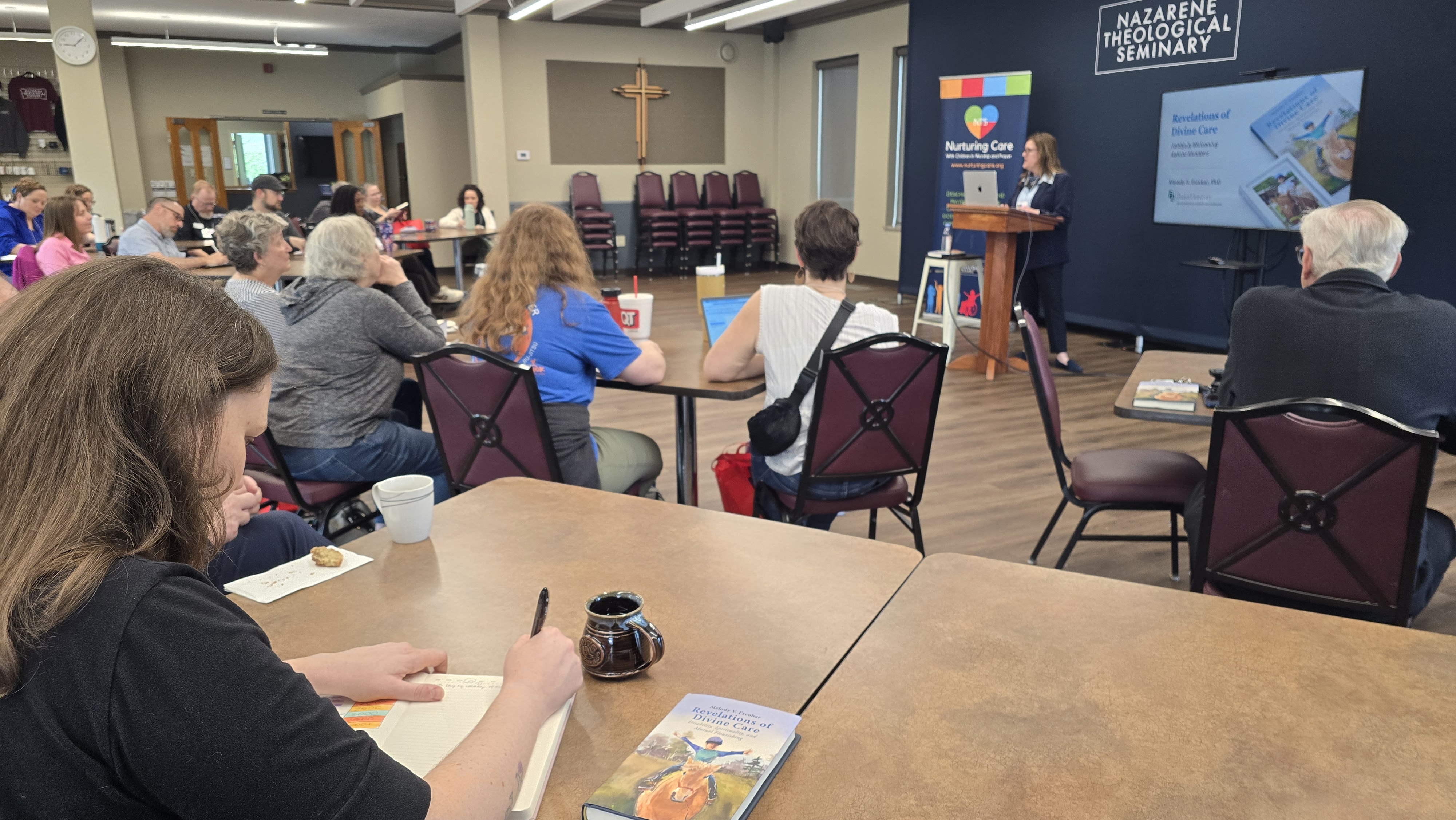
Claire McClun with Engage Church network reflected on training with Dr. Melody Escobar and research from Baylor’s Center for Developmental Disabilities and Flourishing, especially the need for respite care and family support. She described facilitating connection among families at a congenital heart difference camp and seeing how isolated parents became deeply engaged when given space to share stories and resources.
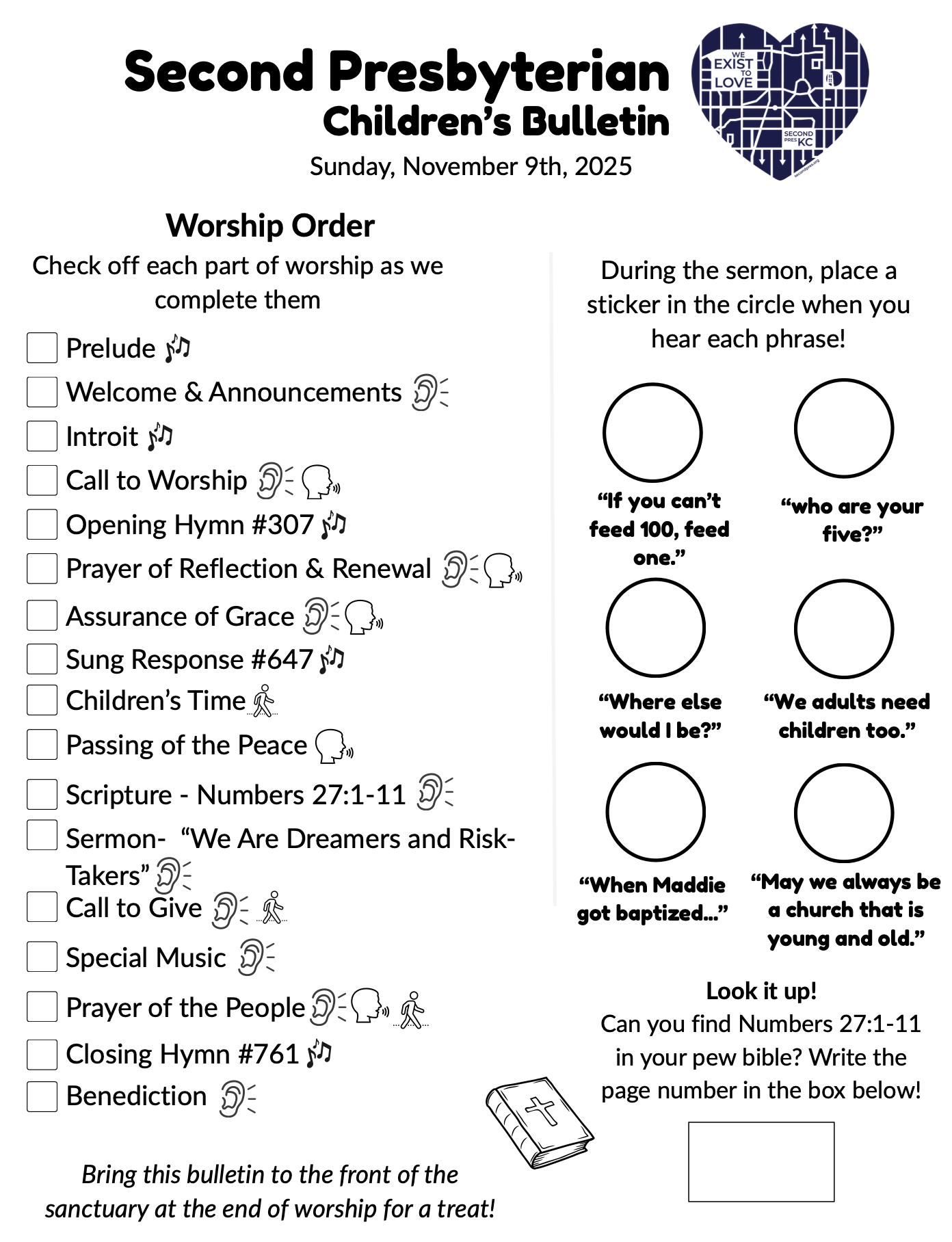
Claire also highlighted the value of churches learning from one another, naming how a visit to Second Presbyterian shaped her own use of visual icons for listening, speaking, and movement. Her experience with the Food, Fun, and Faith group showed how educators, parents, and neurodivergent families within a congregation can become vital guides for shaping expectations, group rhythms, and sensory practices. She has expanded the range of opportunities in her own ministry with the Play for All gatherings hosted in her community.
At Christ Community Church of the Nazarene, Amy Schlepp and Rayanna Perryman shared how Vacation Bible School became a testing ground for a behavior plan, breaks, sticker charts, and consistent helpers. Their experience with Gideon showed that planning, motivation, and shared support can help a child participate more fully while also teaching partner churches and volunteers to appreciate neurodivergent children as known and beloved members of the community.
A Shared Witness of Grace
The churches in Nurturing Care are not all at the same stage. Some are installing cabinets, filling sensory bags, and creating visual schedules; others are dreaming about accessible buildings, respite ministries, and multi-site culture change. Together, they are learning that welcome is both practical and spiritual: sometimes it looks like a rocking chair, a sticker chart, a pair of headphones, a trained volunteer, or simply someone turning on a light so a family knows there is room for them.
A Reminder that our next Maker’s Space for Kansas City and Midwest congregations will occur this September 11-12. If the stories of these churches intrigue you and you are interested in “how might we” work together to help autistic children experience God through worship and prayer practices. Contact us or register online at www.nts.edu/kc-makers-space


