

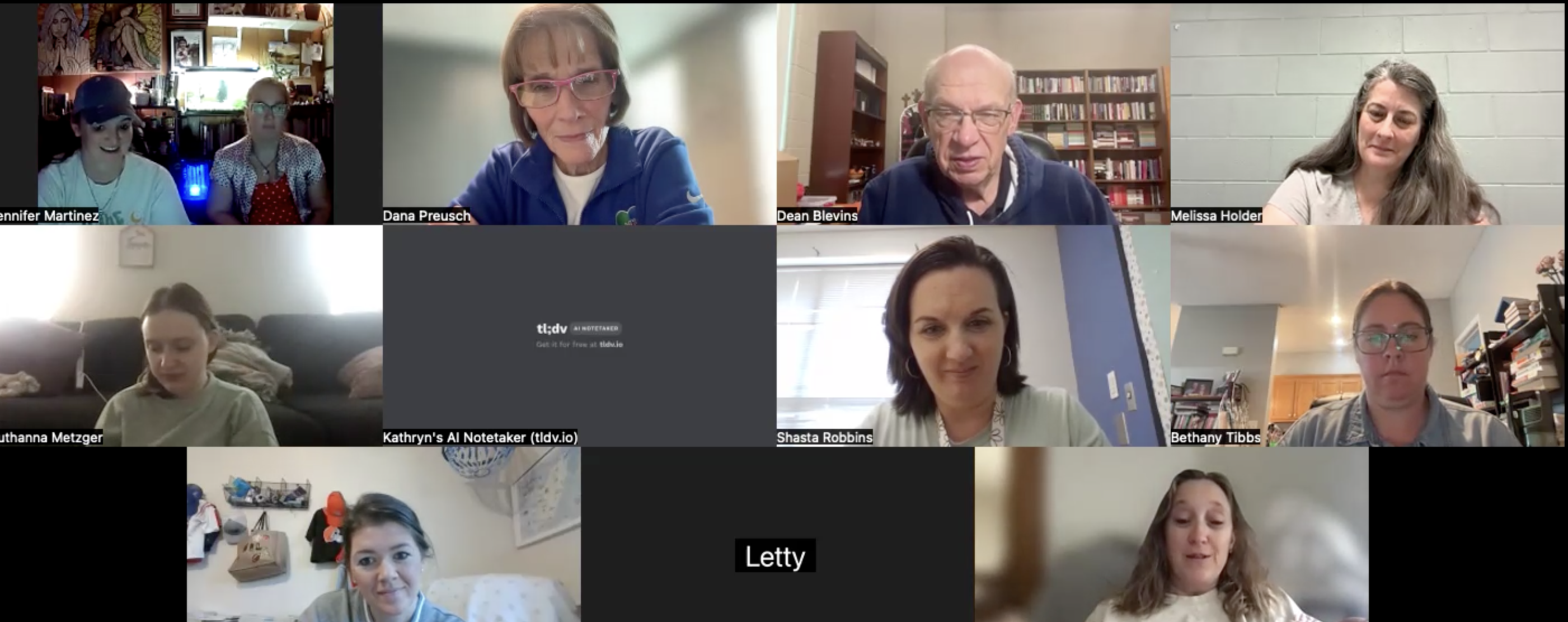
Church leaders from across several Nazarene congregations in the Southeast and Midwest gathered for a monthly Nurturing Care project check-in, sharing stories of progress, growing support, and the challenges of creating more welcoming spaces for neurodivergent and sensory-seeking children and families.
The collaborative initiative, supported through prototype grants and coaching, is helping churches reimagine children’s ministry through sensory-friendly worship spaces, prayer initiatives, accessibility improvements, and family-centered programming. While many teams described themselves as still being in the “early stages,” participants reported encouraging responses from parents and congregants eager for more inclusive church environments.
“We’re learning this project is about relationships first,” one participant reflected during the meeting, echoing a theme repeatedly emphasized by project leaders Dana Preusch and Dean Blevins. Rather than rushing to complete every element of their prototypes, teams were encouraged to focus on listening, experimentation, and gradual cultural change.
The meeting opened with personal conversation and reflection on “starting new endeavors,” drawing from Isaiah 43 and John 10. Participants shared summer plans, family updates, and milestones—including one team member celebrating the adoption of a baby girl after 14 years of foster care ministry.
Churches Begin Turning Vision Into Practice
Several congregations described tangible steps already underway.
At Hermitage Church of the Nazarene, Melissa Holder said staff members have responded enthusiastically to plans for sensory stations and worship kits designed for an upcoming multi-generational “Family Worship” service. The church also plans to reduce noise levels and create a more sensory-friendly atmosphere. “The church staff is very excited to see all of this in action,” Holder wrote in the church’s monthly report.
Lovejoy Family Church has shifted from plans for a single sensory room to creating two dedicated sensory spaces within children’s classrooms. Shasta Robbins reported strong support from church leadership and volunteers. “All workers are really excited to get started this summer,” the report stated.
Nicole Byler with Oxford Nazarene Church is exploring one of the project’s largest proposed changes: fencing its playground to create a safer fellowship environment for children and families. After conversations with parents, church leaders realized the need was more urgent than originally anticipated. The church is also rearranging classrooms, adding sensory materials, and creating a prayer-focused wall for children.
Meanwhile, Pine Hill Church of the Nazarene has begun remodeling its children’s wing and preparing “Sprout Boxes,” sensory support kits intended to help children engage more comfortably in worship and programming. Pastor Zoe Weatherspoon reported that new families have already expressed excitement about the initiative.
Balancing Excitement With Resistance
Although the overall tone of the meeting was hopeful, several leaders acknowledged the growing pains involved in implementing change within established congregational cultures.
Ruthanna and Kat at Wannamaker Woods shared that while families have responded positively to sensory bags and accessibility efforts, some older congregants have offered criticism or skepticism about the accommodations. One particularly meaningful moment came through a conversation with an 18-year-old with fetal alcohol syndrome who expressed a desire simply to feel welcomed and accepted at church.
Other teams described logistical challenges, including determining where sensory materials should be stored, how to prepare volunteers adequately, and how to communicate their ministries publicly without overpromising capabilities they are still developing.
That conversation led to broader discussion about messaging. Leaders encouraged churches to consider eventually using simple phrases such as “sensory friendly” or visible accessibility logos once systems and volunteer training are more established internally.
Prayer Initiatives Reveal Deeper Needs
Jennifer and Kayla from Hope ConneXtion shared updates from a children’s prayer initiative that has unexpectedly surfaced serious family and emotional concerns among participating students. Rather than submitting superficial requests, children have been praying for classmates dealing with surgeries, mental health struggles, and difficult home situations.
One story drew laughter and affirmation from the group: during a Bible study discussion, a child confidently answered a question by declaring, “Jesus is always the answer.” The pair also described a Mother’s Day prayer led by a child during worship that received especially positive feedback from congregants, reinforcing the importance of giving children visible spiritual leadership opportunities.
Summer Seen as Key Opportunity
With schools ending and summer ministry schedules beginning, many churches identified the coming months as a critical season for implementation.
Plans discussed during the meeting included:
- creating “kid kits” and sensory totes for family worship services,
- installing accessibility furniture and sensory corners,
- building prayer walls and interactive worship stations,
- redesigning children’s classrooms for flexibility and sensory support,
- and forming new creative teams after graduating volunteers move on.
Project leaders also encouraged churches to continue documenting “God sightings,” congregational stories, and humorous moments as the initiative evolves. Letty with Las Palmas church noted similar needs with other Spanish language congregations on her district offering additional opportunities in the future.
Despite differing timelines and resources, participants repeatedly emphasized a shared conviction: churches can become more welcoming places for neurodivergent children and families when inclusion is approached intentionally, patiently, and relationally.
As one team summarized through its monthly report, churches are still “just now starting” many of these projects—but families are already expressing hope for “all the things to come.”


