
Eleven church teams proposed practical ways to help autistic and neurodivergent children worship pray and lead within the life of the whole congregation

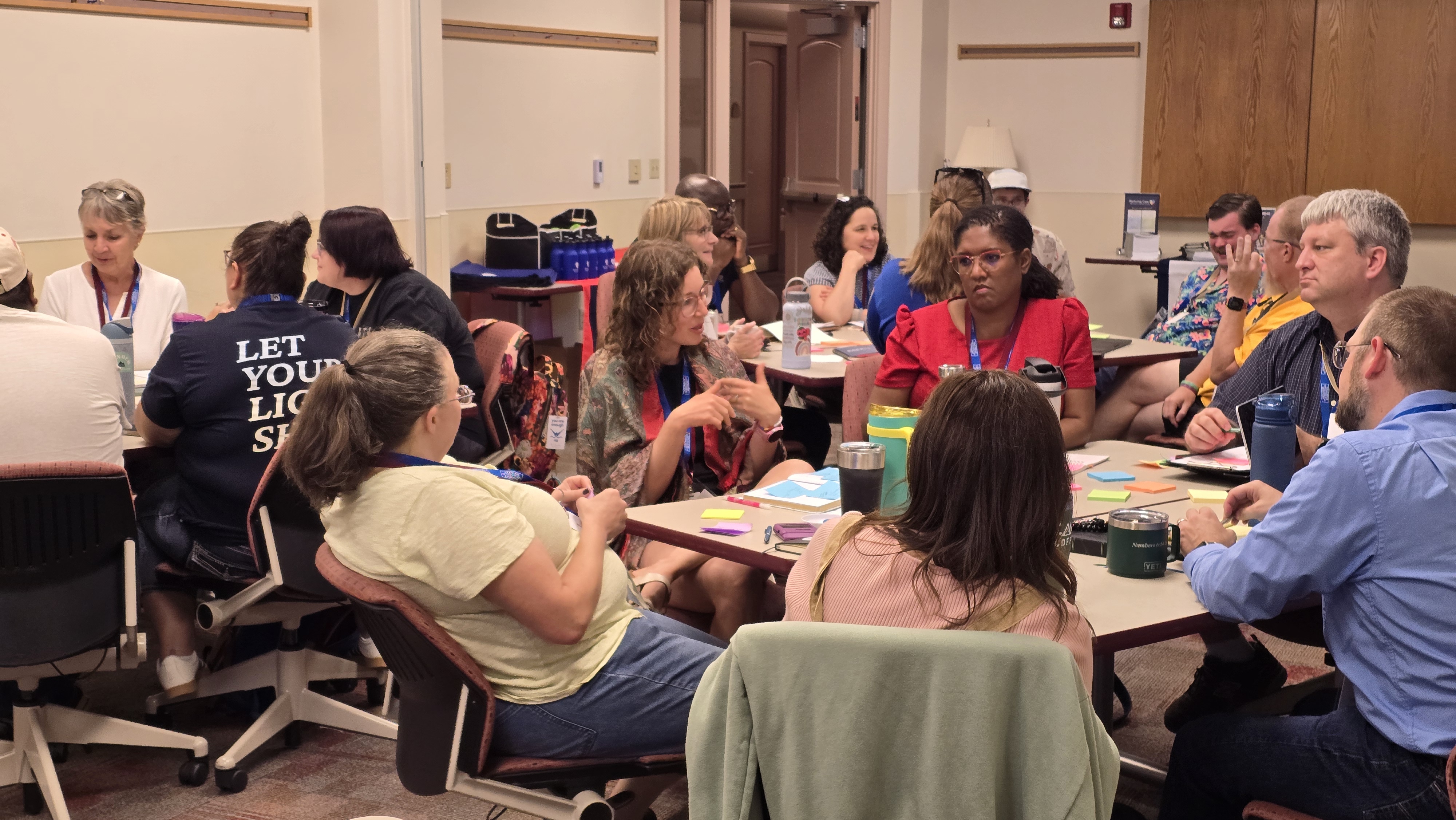
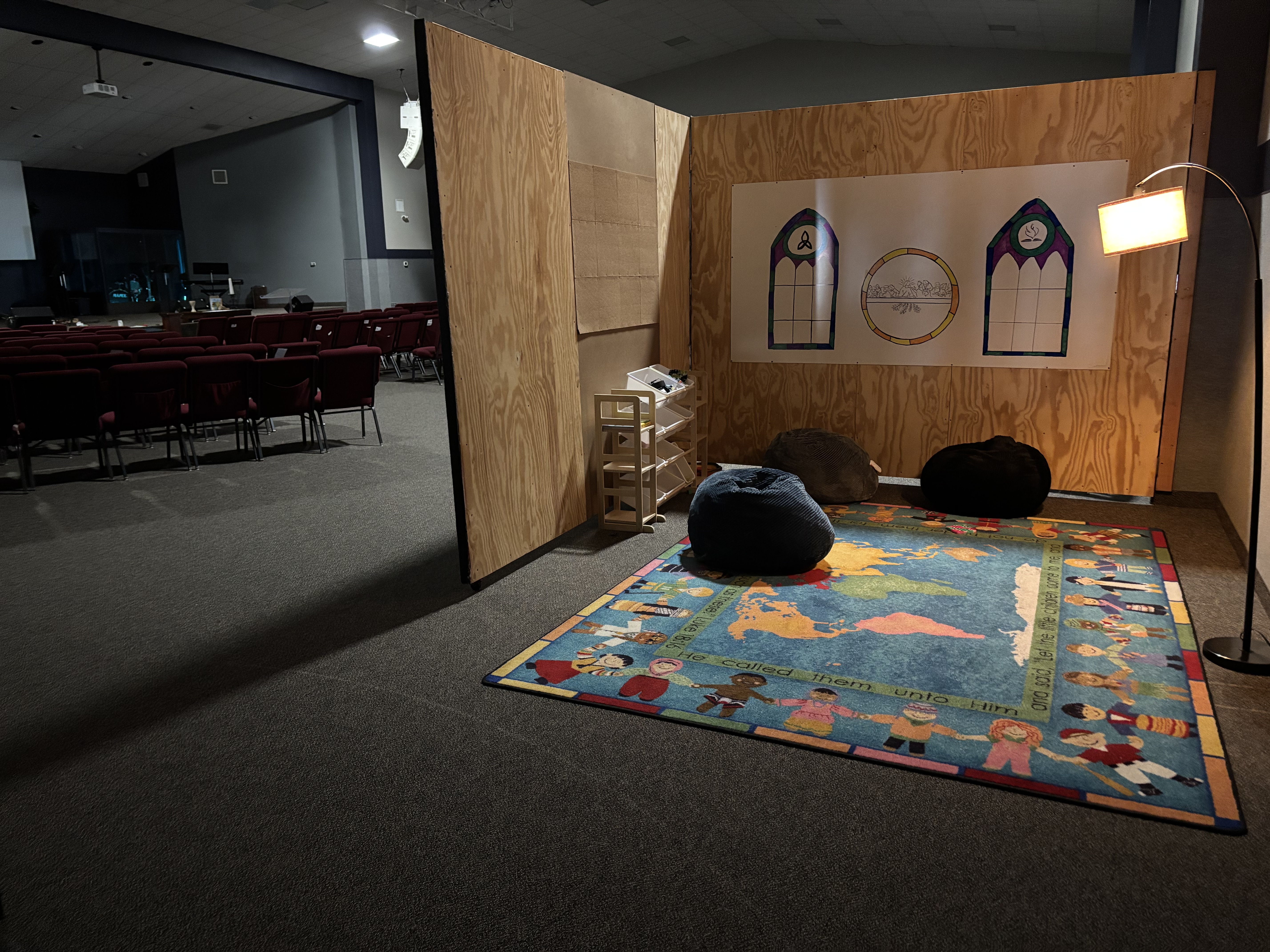
A quiet corner, a volunteer’s bag of sensory tools and a place in the center of worship may look like small changes. For church leaders gathered at a recent Kansas City Maker’s Space, they represent a larger Christian commitment: children should be able to encounter God, contribute their gifts and know that they belong.
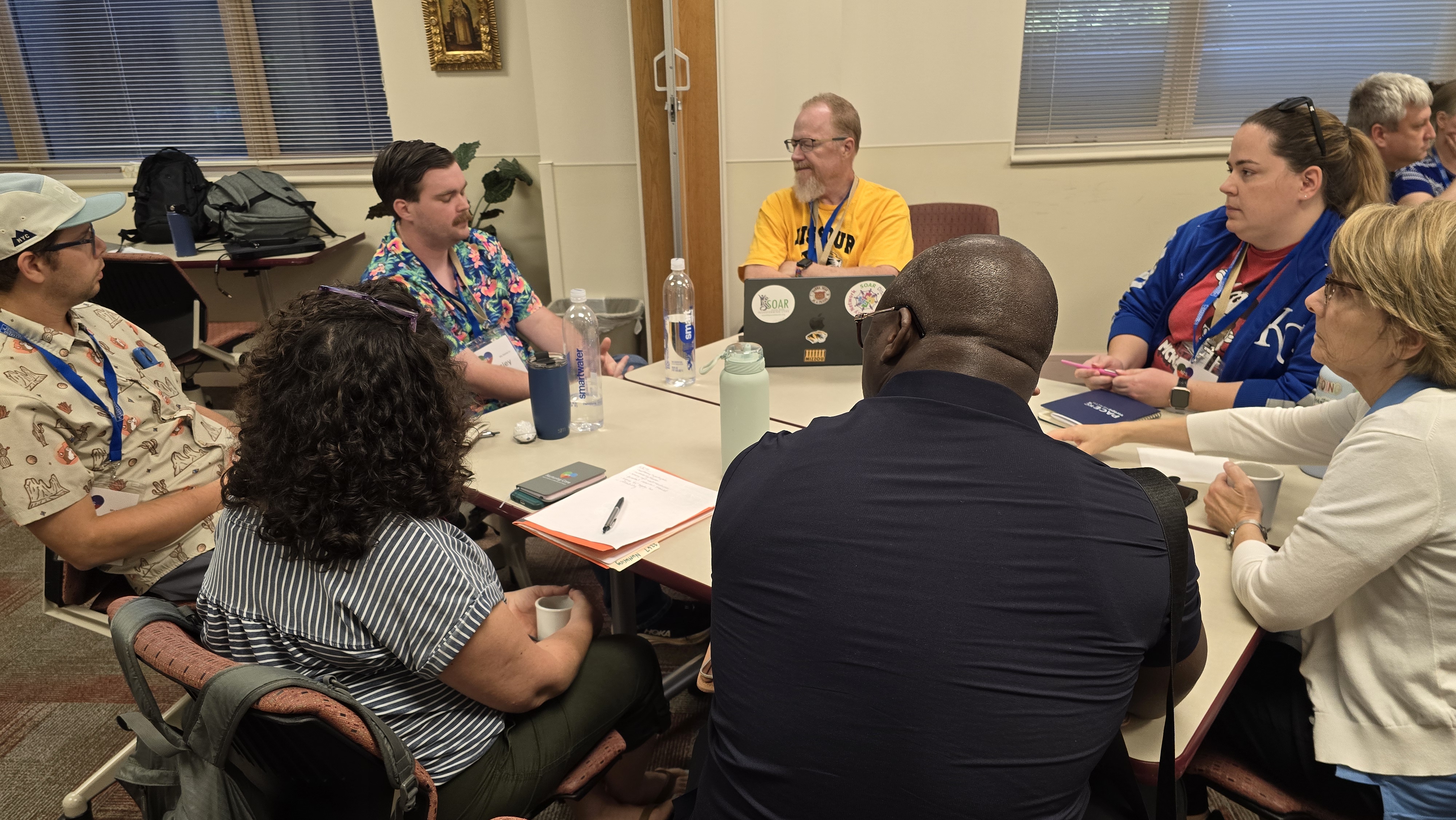
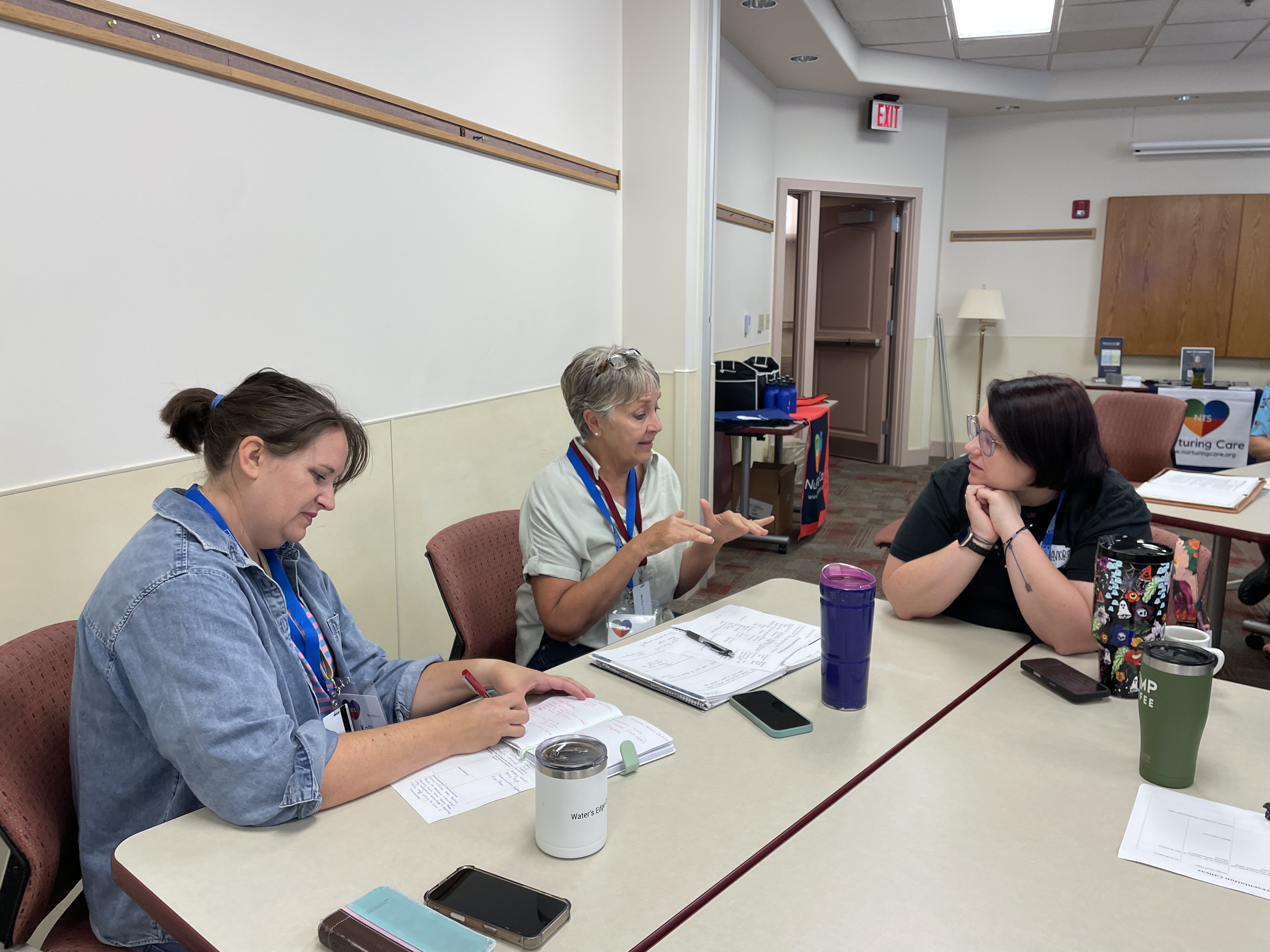
The gathering brought congregations together to design ministry prototypes for autistic and neurodivergent children. The projects were deliberately unfinished. Teams identified barriers in their own churches, proposed a first response and prepared to learn from families, children, volunteers and one another as the work develops.
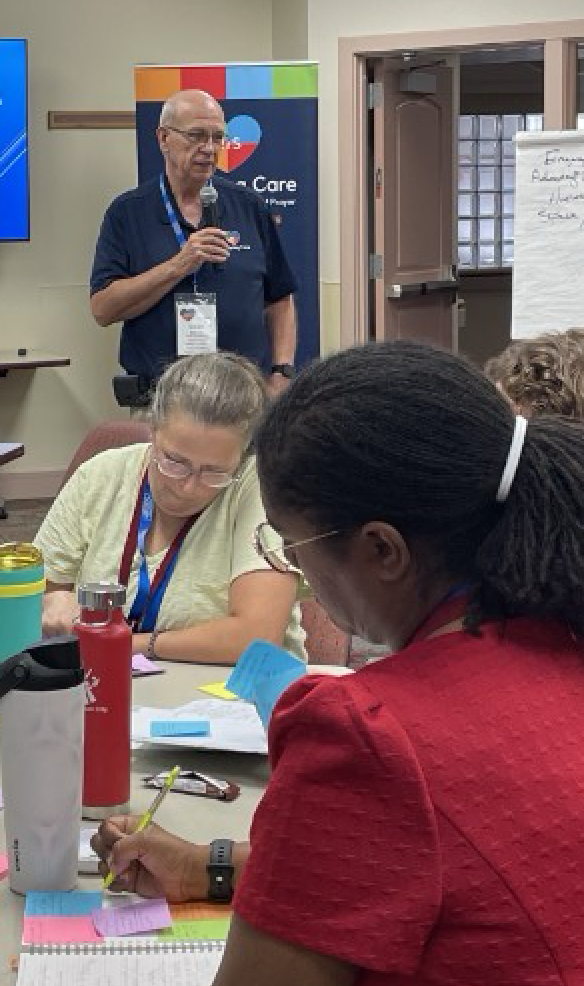
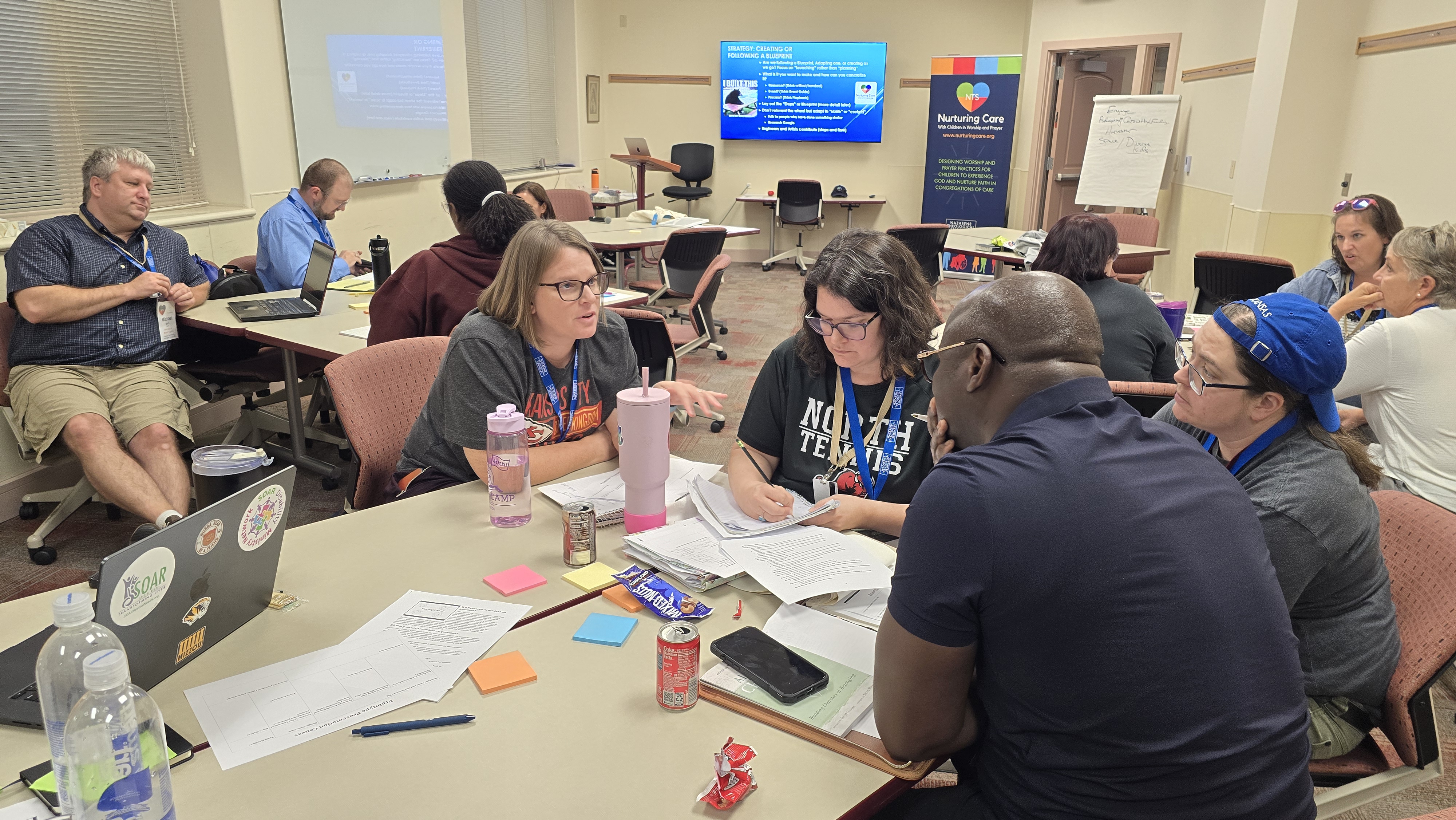
Nurturing Care director Dr. Dean G. Blevins noted this method reflects an ongoing process and commitment during Nurturing Care’s fourth Kansas City Maker’s Space. The retreat drew 24 participants from 11 congregations in Kansas, Missouri, Oklahoma and Texas. Adopting the role of a living laboratory teams test workable ideas instead of presenting finished answers.
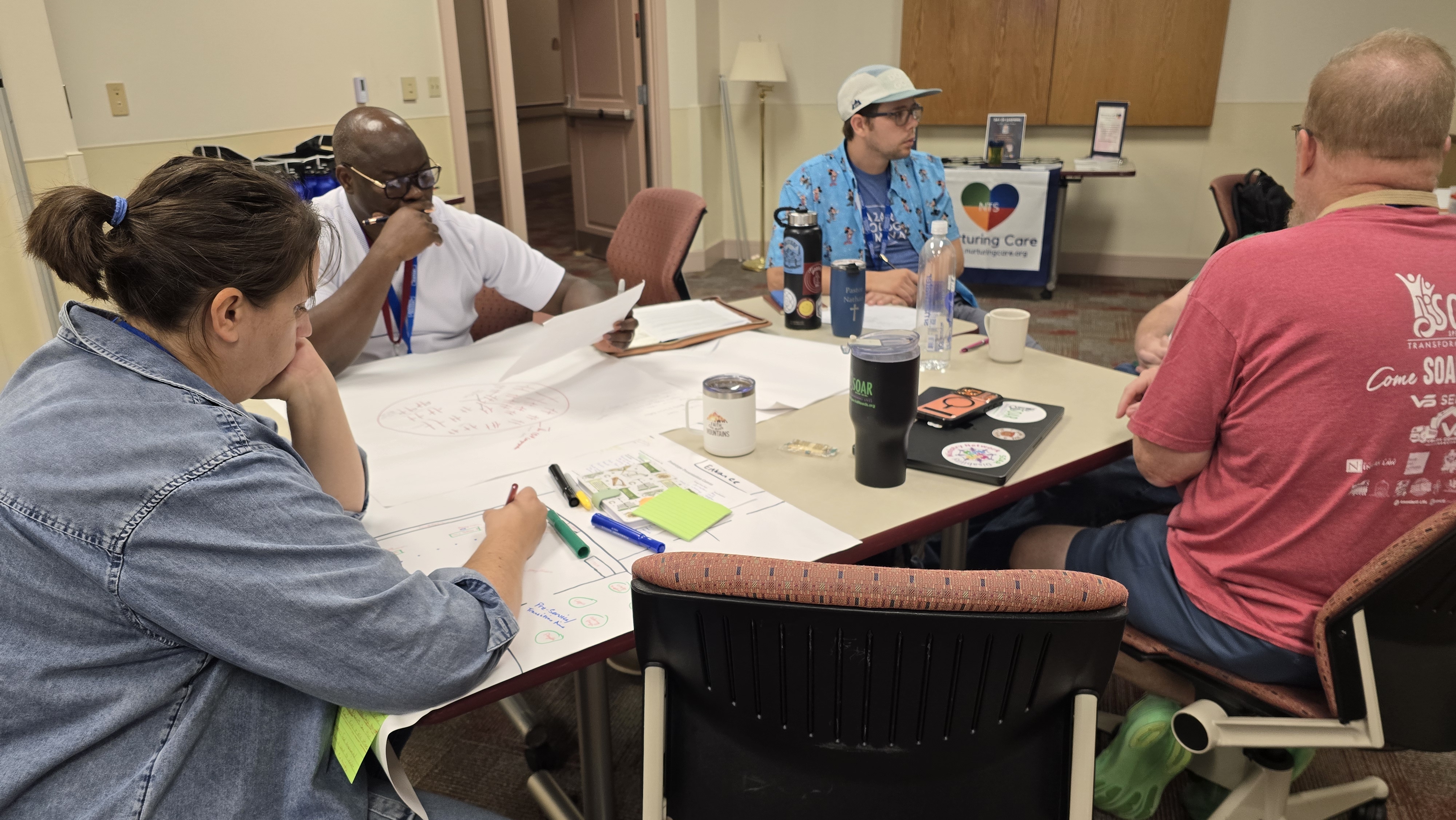
The wider Nurturing Care initiative at Nazarene Theological Seminary uses design thinking, collaboration and ongoing coaching from knowledgeable consultants to help churches shape worship and prayer with children whose experiences are often overlooked. This year’s presentations revealed four connected priorities: relationships that communicate belonging, environments that reduce barriers, training that changes congregational culture and forms of mission that recognize neurodivergent children as participants and leaders.
Belonging Through Relationships and Shared Worship
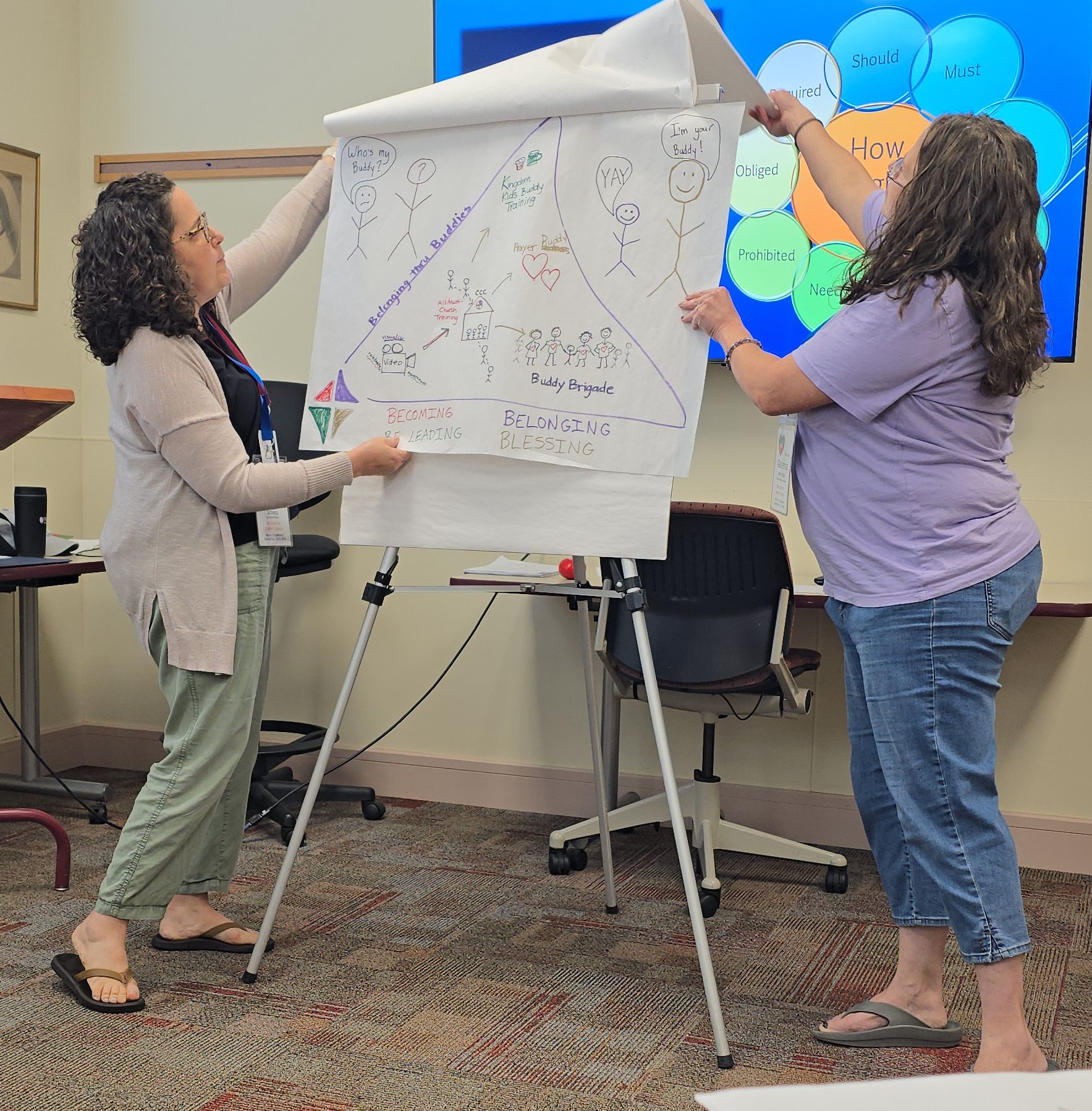
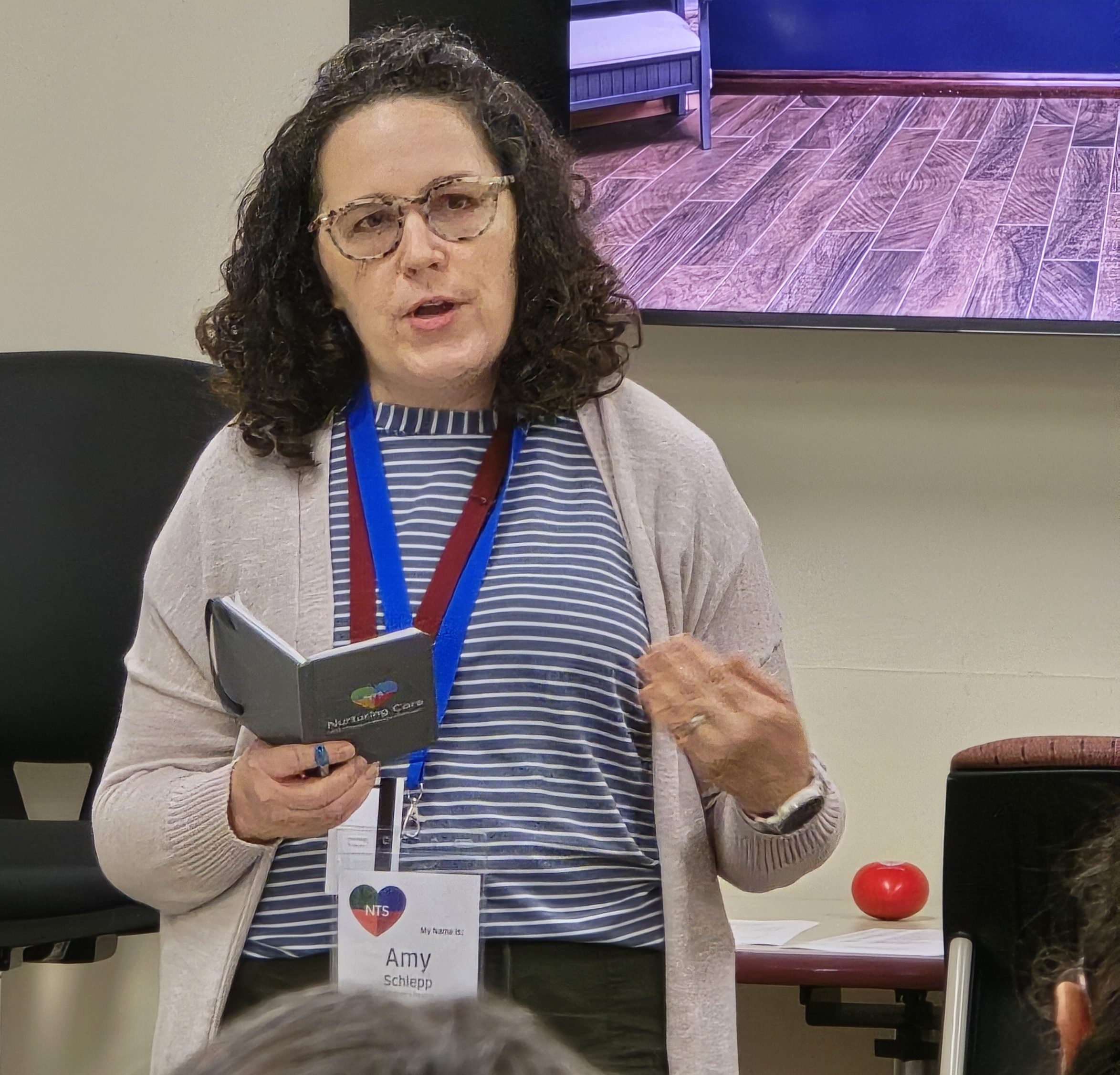
Amy Schlepp and Rayanna Perryman of Christ Community Church presented an expansion of the congregation’s buddy program. The church’s discipleship framework includes blessing, belonging, becoming and leading, and the team is concentrating on belonging. Children already seek out their buddies, the presenters said, showing the importance of a dependable relationship. Their prototype would recruit more volunteers, share children’s stories with the congregation and offer repeated training. It would also create prayer-buddy roles for people unable to serve during children’s programming. A proposed Buddy Brigade would give volunteers a stronger team identity while supporting the church’s larger goal of intergenerational community.
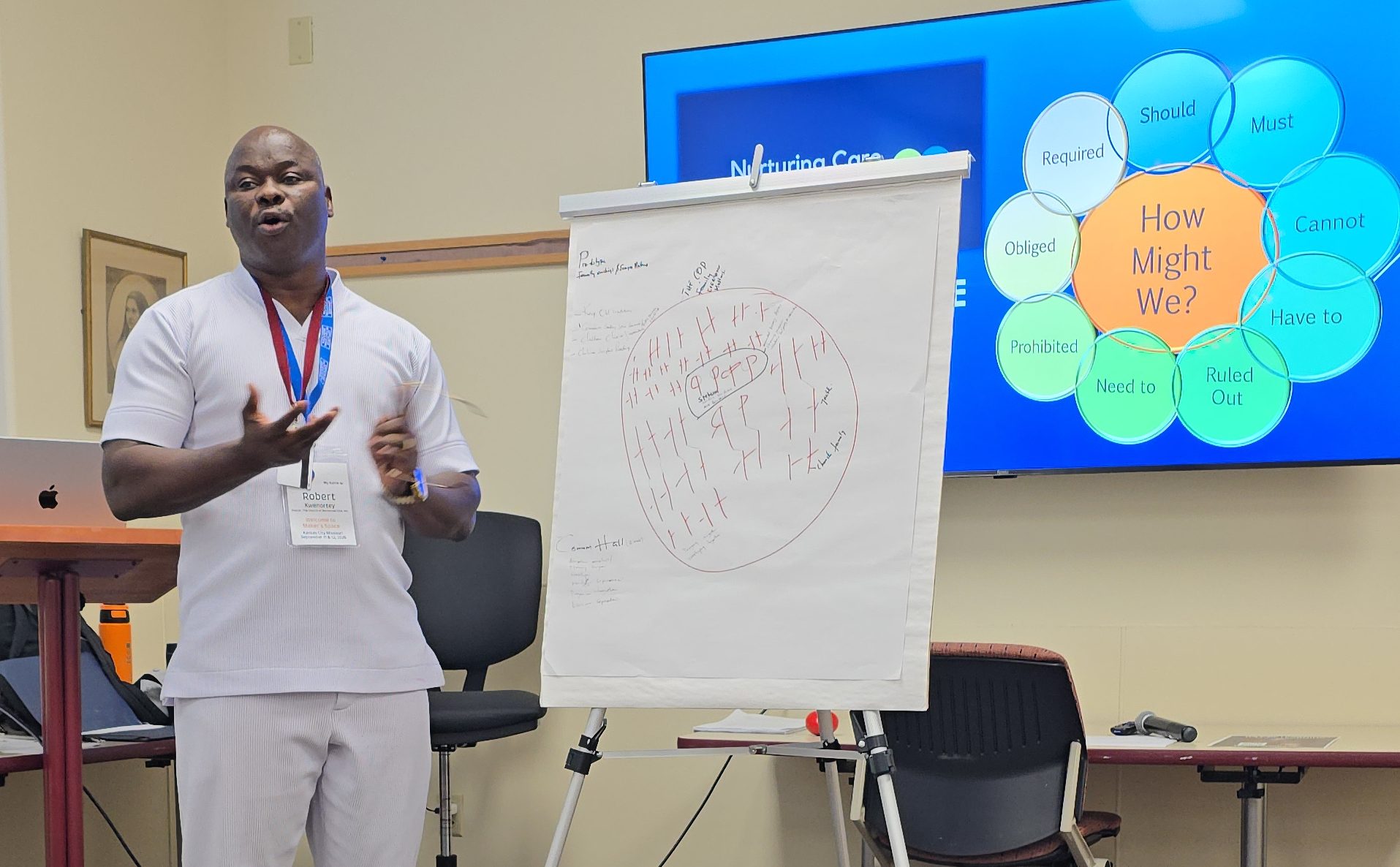
Robert Kwenortey of the Church of Pentecost described inclusion within a worship tradition marked by energetic prayer, music and participation. On Communion Sundays, autistic children and children with disabilities worship in the center of the congregation. During the sermon, some use a separate room equipped for tailored routines and support, then return for the final prayers and worship. The church is also developing Friday services without separate classes. Its children’s choir welcomes every child, and children read Scripture during services. Sound-sensitive worshipers can use earpieces. The governing conviction, Kwenortey said, is simple: everybody matters.
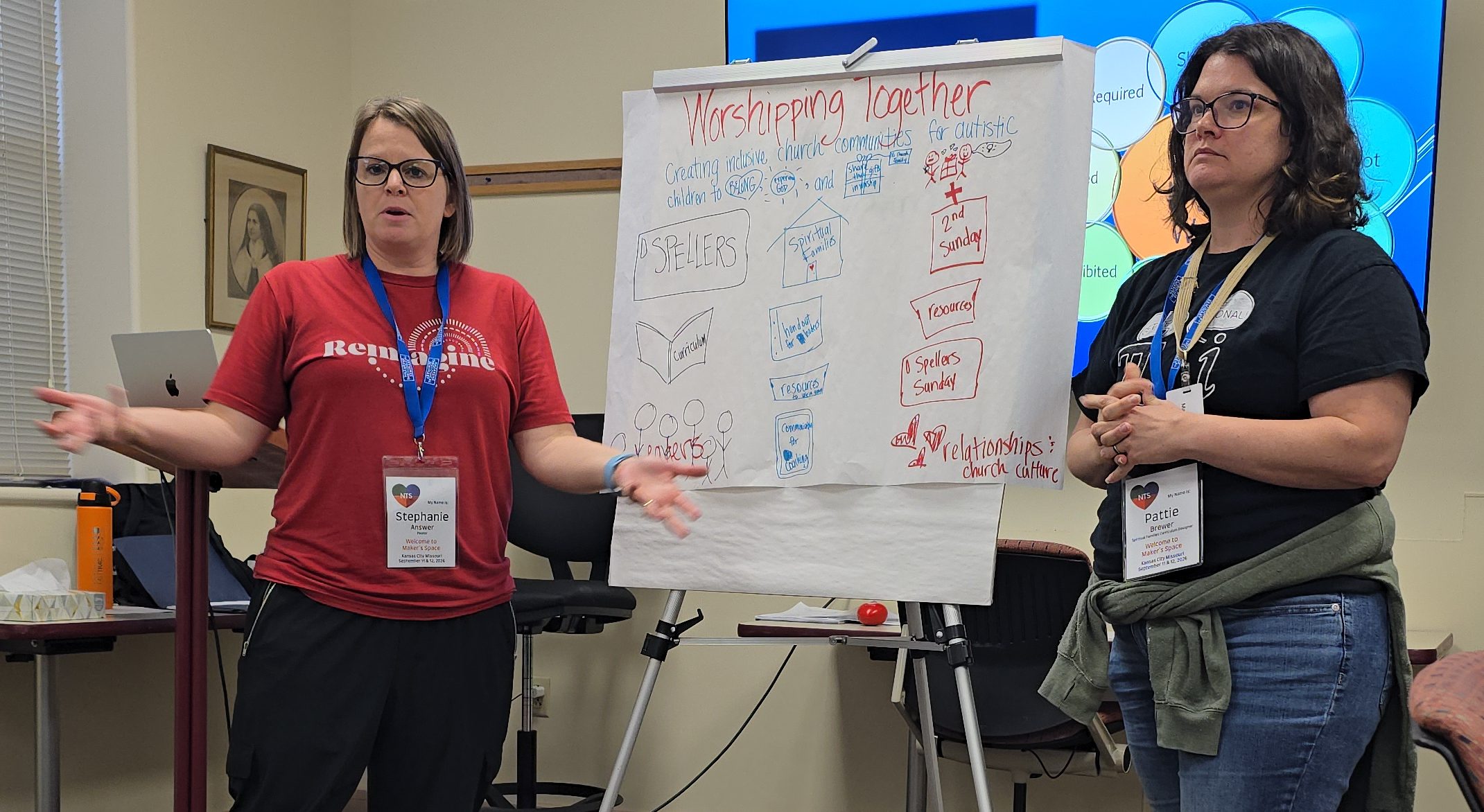
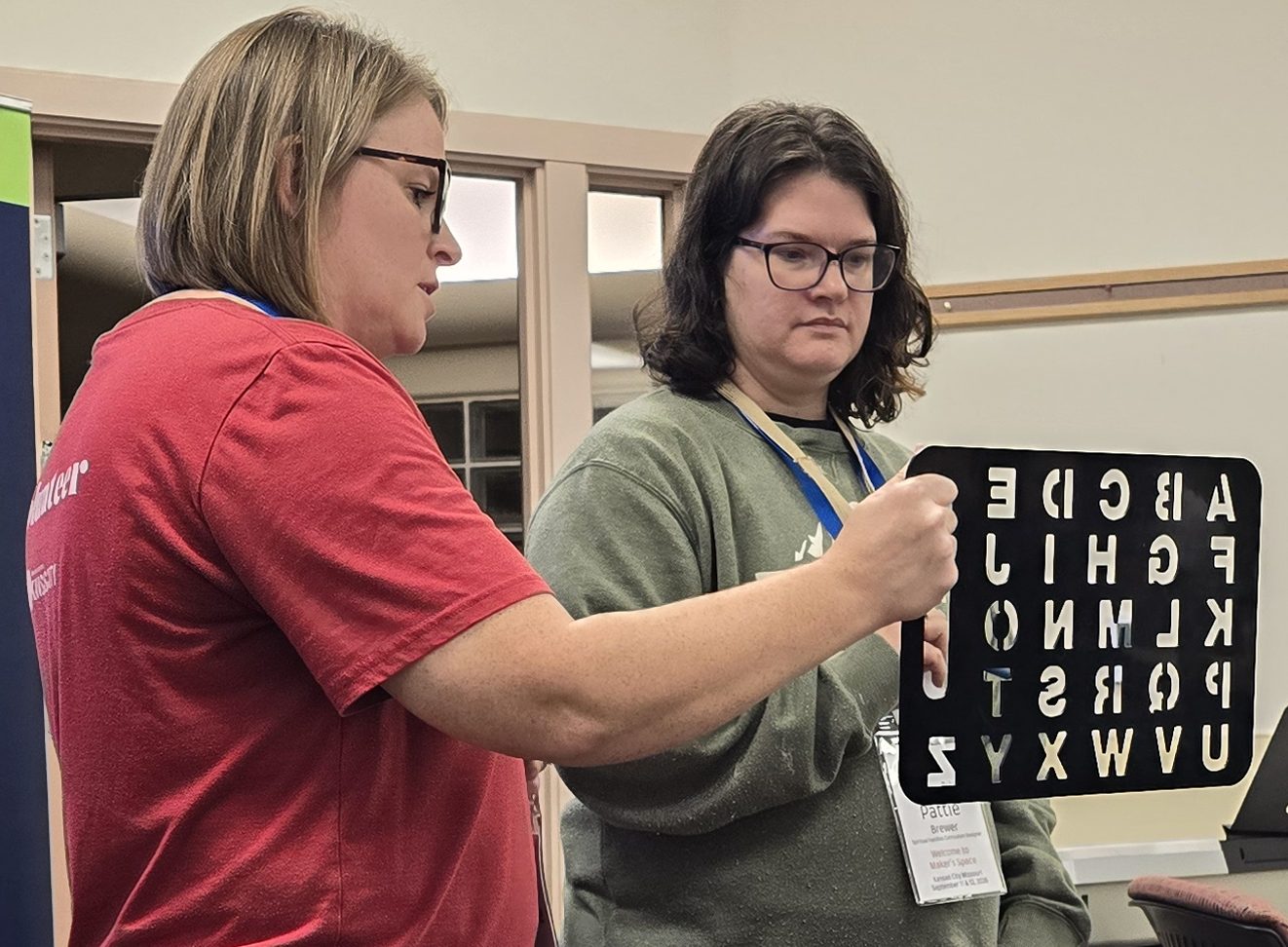
Stephanie Answer and Pattie Brewer of New Community Church carried that vision into a network of weekly house churches, which the congregation calls spiritual families, and a monthly Second Sunday gathering. Their Worshiping Together initiative includes a spiritual family for nonspeaking and minimally speaking autistic children who communicate through spelling. The team plans to adapt curriculum for that communication method and add another family as co-leaders. It also wants to coach every spiritual-family leader to welcome autistic members and to prepare the spellers’ group to lead a Second Sunday service. Their proposal asks the church to receive neurodivergent people not only as people who need support, but also as Christians whose gifts can guide the community’s prayer and worship.
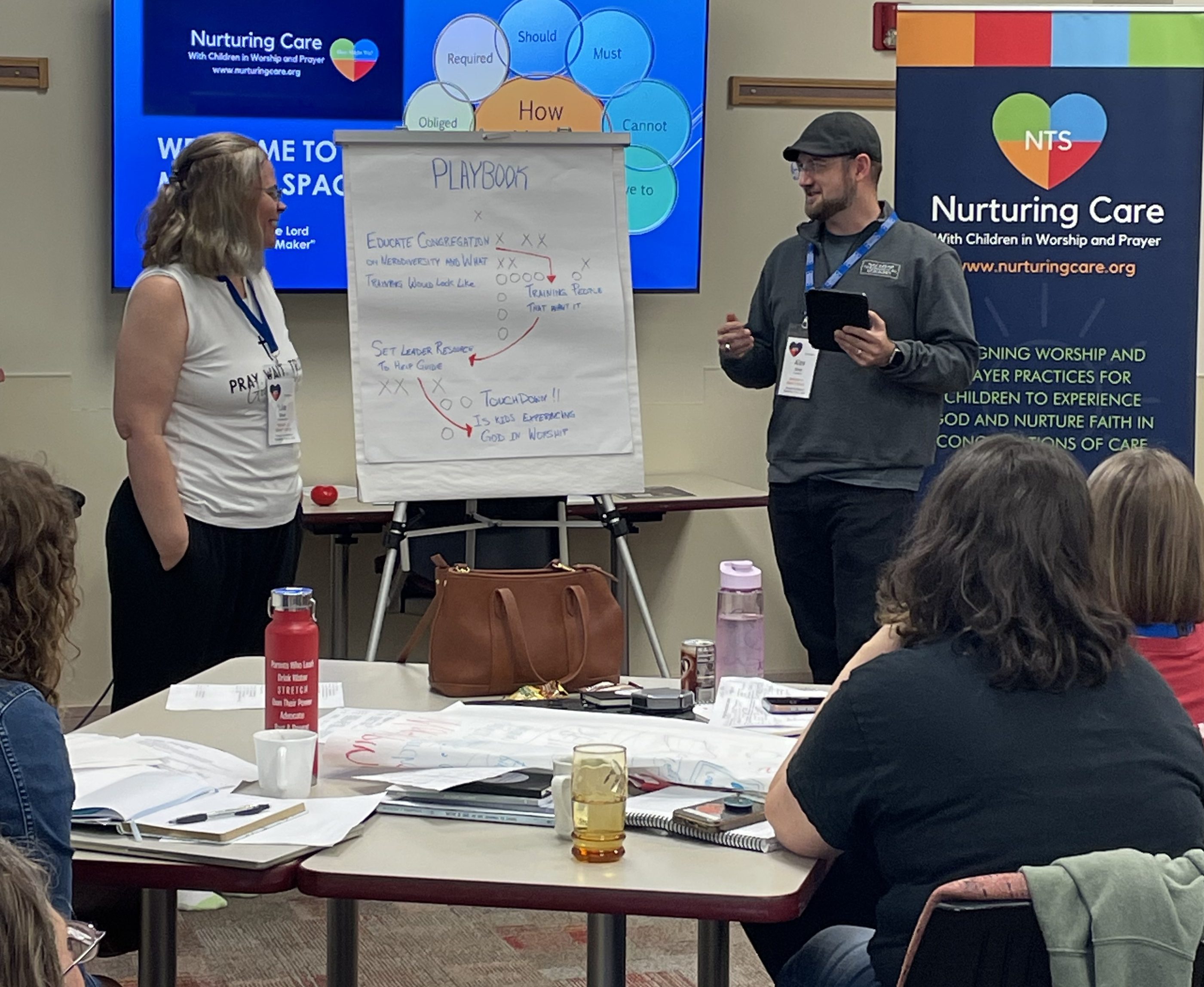
Alex Oliver and Julie Oliver of New Vision likewise emphasized reciprocal hospitality. Entering a second year of work, they hope to build a core of committed congregational support for neurodivergent children. Their plan combines education, hands-on training, visual guides and consistent expectations for worship. They also want to tell the stories of members such as Brennan, an autistic adult who has served on the worship team for years. Such stories can help a congregation see inclusion as ordinary participation in the body of Christ, not a specialized program at the edge of church life.
Spaces That Support Participation
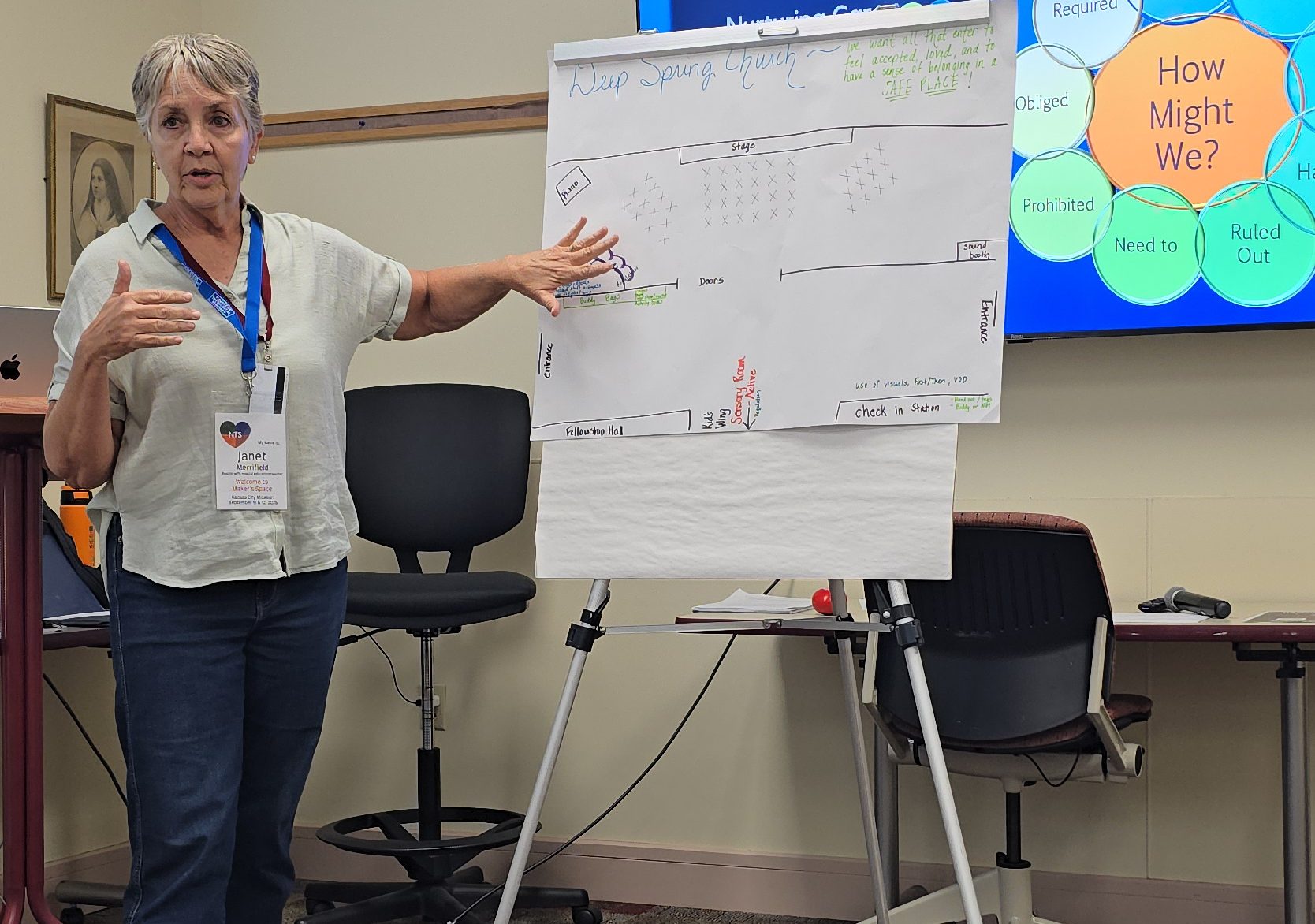
Janet Merrifield of Deep Spring described a church restart that has grown from seven people to a core group of 25. Before its public launch, the congregation wants its building to communicate welcome. Connected children’s rooms include a quiet room, a sensory room, an indoor recess area, a preschool room and a nursery. A separate active sensory space gives children opportunities to jump, crawl or use compression when they need to regulate. The next steps are a calm room for children and adults, with adapted seating and quiet activities, and buddy bags that children can pick up when they enter. Merrifield also wants worship to make room for banners and movement. The prototype recognizes that a safe church may need both quiet and activity, not one standard environment for everyone.
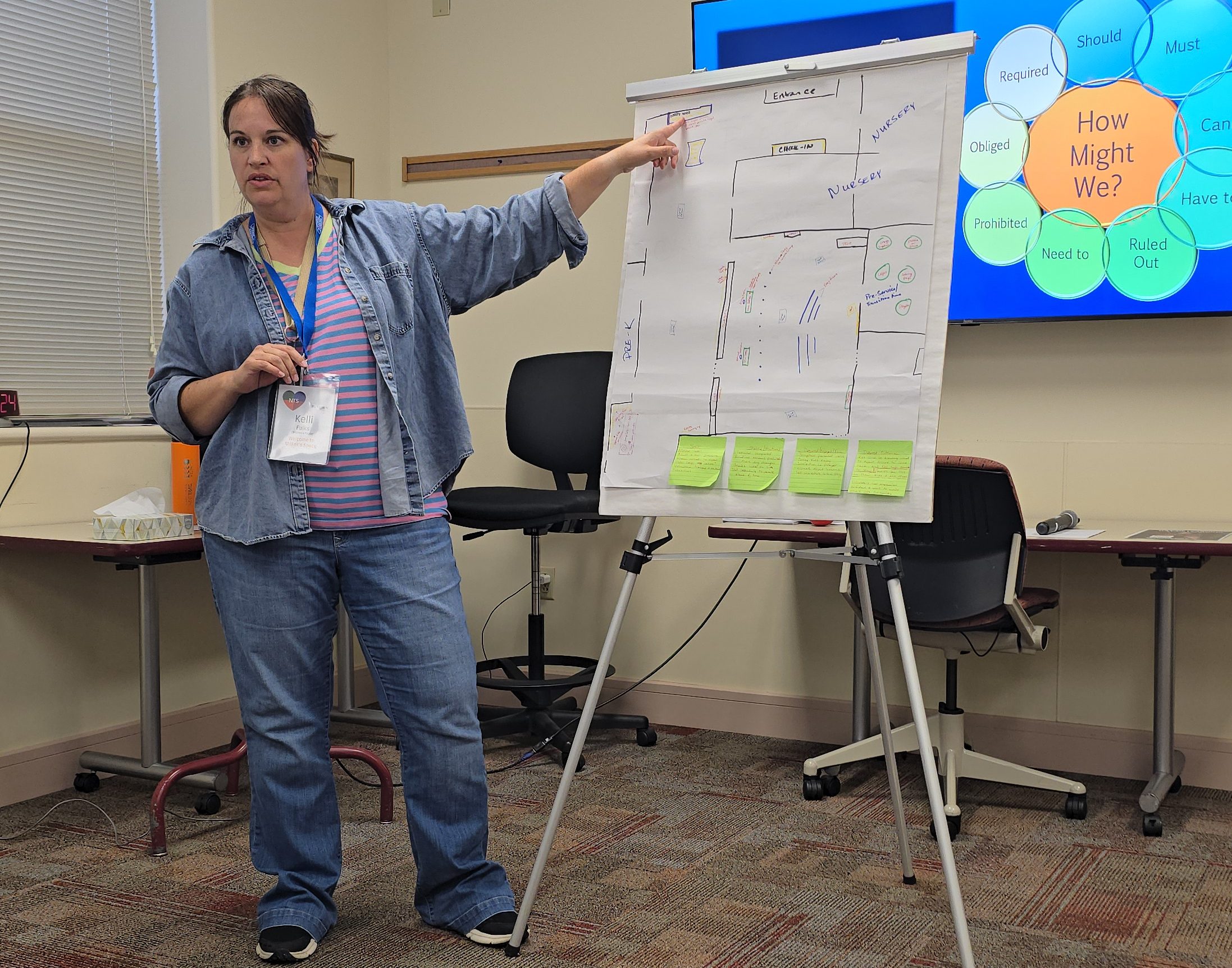
Kelli Fulks of Harvesters Church of the Nazarene focused on Kids Connection, the congregation’s children’s area. Her plan begins before a child enters the main room: move check-in to the natural entrance and place fidgets and headphones outside so children can prepare for a stimulating environment. Inside, softer light covers, a dedicated sensory corner, adjustable tables, movement cushions and clear visual schedules would provide choice and predictability. A preschool lunchroom would become a transition area for early arrivals. Fulks framed the redesign as a way to help children connect with God, one another and the church while giving parents confidence that the setting is safe and stable.
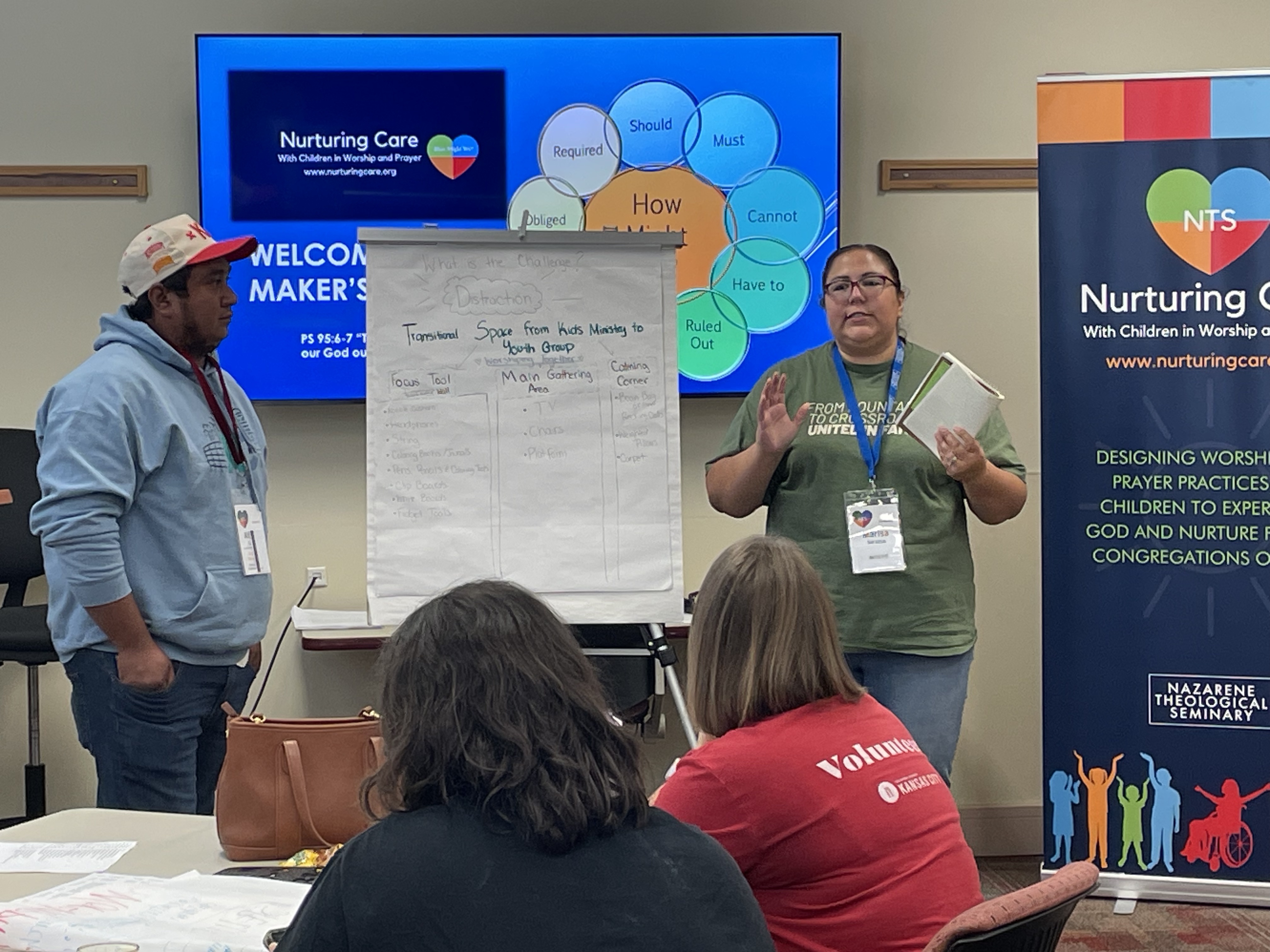
Marisa Sarazua and Alberto Sarazua of New Hope Church addressed the move from a structured children’s ministry into a less predictable youth group. They described students with traits associated with ADHD or autism who can find the noise, movement and looser schedule overwhelming. Their proposal transitional space for late elementary aged children and pre-teens by creating a focus-tool wall, a central gathering area and a calming corner available to any student. They also proposed separate middle-school and high-school groups, with curriculum matched to each stage. By offering supports without requiring a label, the church hopes to keep students connected during a transition when some are tempted to withdraw.
Training That Changes Congregational Culture
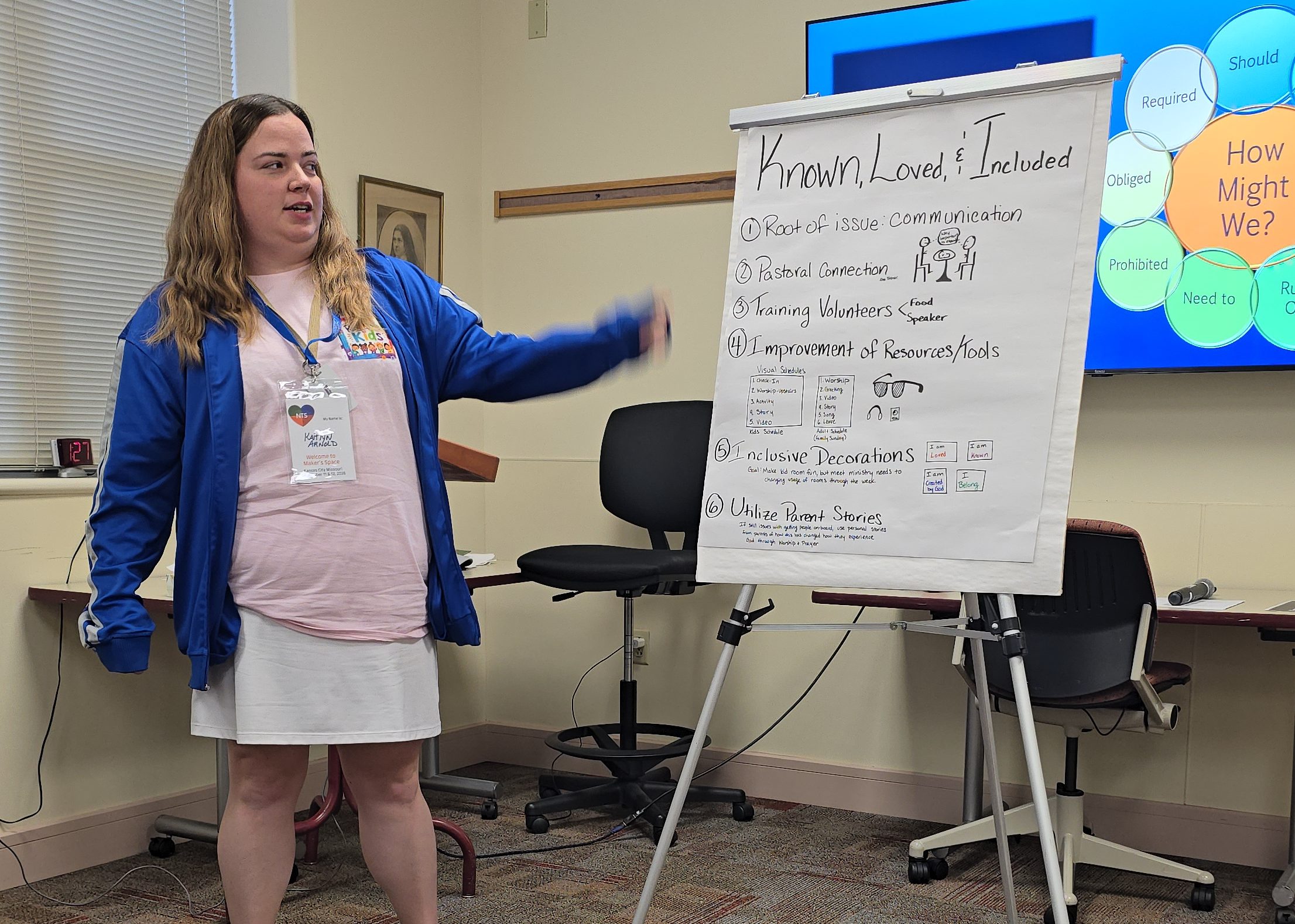
Several teams concluded that equipment alone cannot create belonging. Kaitlyn Arnold of The Light Church said the first obstacle is communication with leadership. The ministry wants every child to be known, loved and included, but she described pastoral skepticism about neurodivergence as a barrier to progress. Her proposed starting point is an informal dinner where the pastor can listen directly to a family’s experience. With leadership engaged, the church would rebuild volunteer training, seek outside expertise, add visual schedules and replace ineffective resources. If needed, more parents would be invited to tell their stories. Arnold’s project treats listening as the first act of preparation.
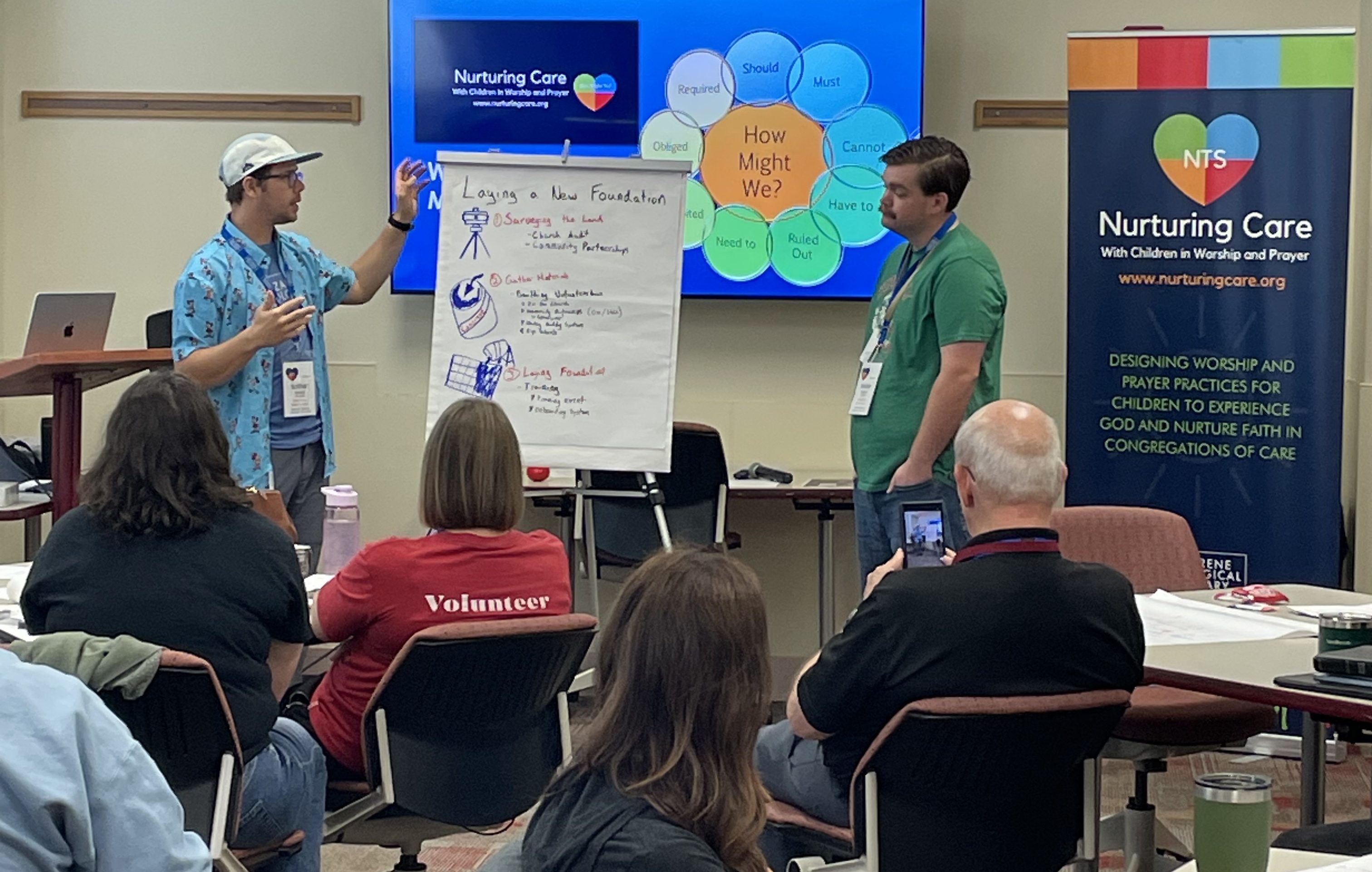
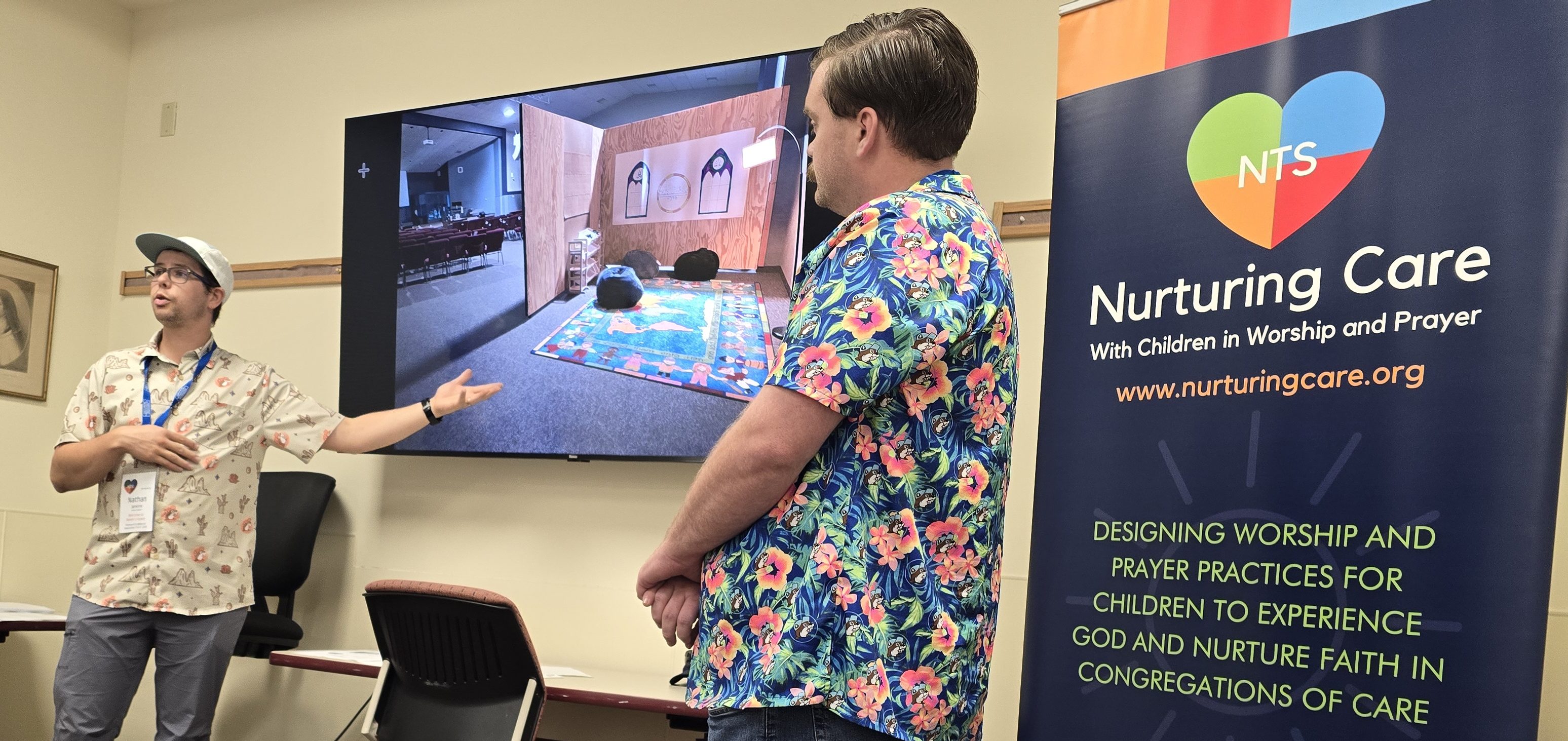
Nathan Jenkins and Wesley Grippen of Norman Community presented a full rebuilding plan after children moved into youth ministry and volunteers departed. With a new children’s director, the church has an opportunity to make disability ministry part of its foundation. The team will audit the church’s accessibility, survey community needs and partnerships, and clarify volunteer expectations so service does not automatically mean every Sunday. They hope to recruit across youth and adult ministries and explore partnerships with the University of Oklahoma, Southern Nazarene University and local high schools. A dedicated training event would then become part of ordinary volunteer onboarding. The long-term vision extends beyond one congregation: share training with the Nazarene district and other churches that lack similar resources.
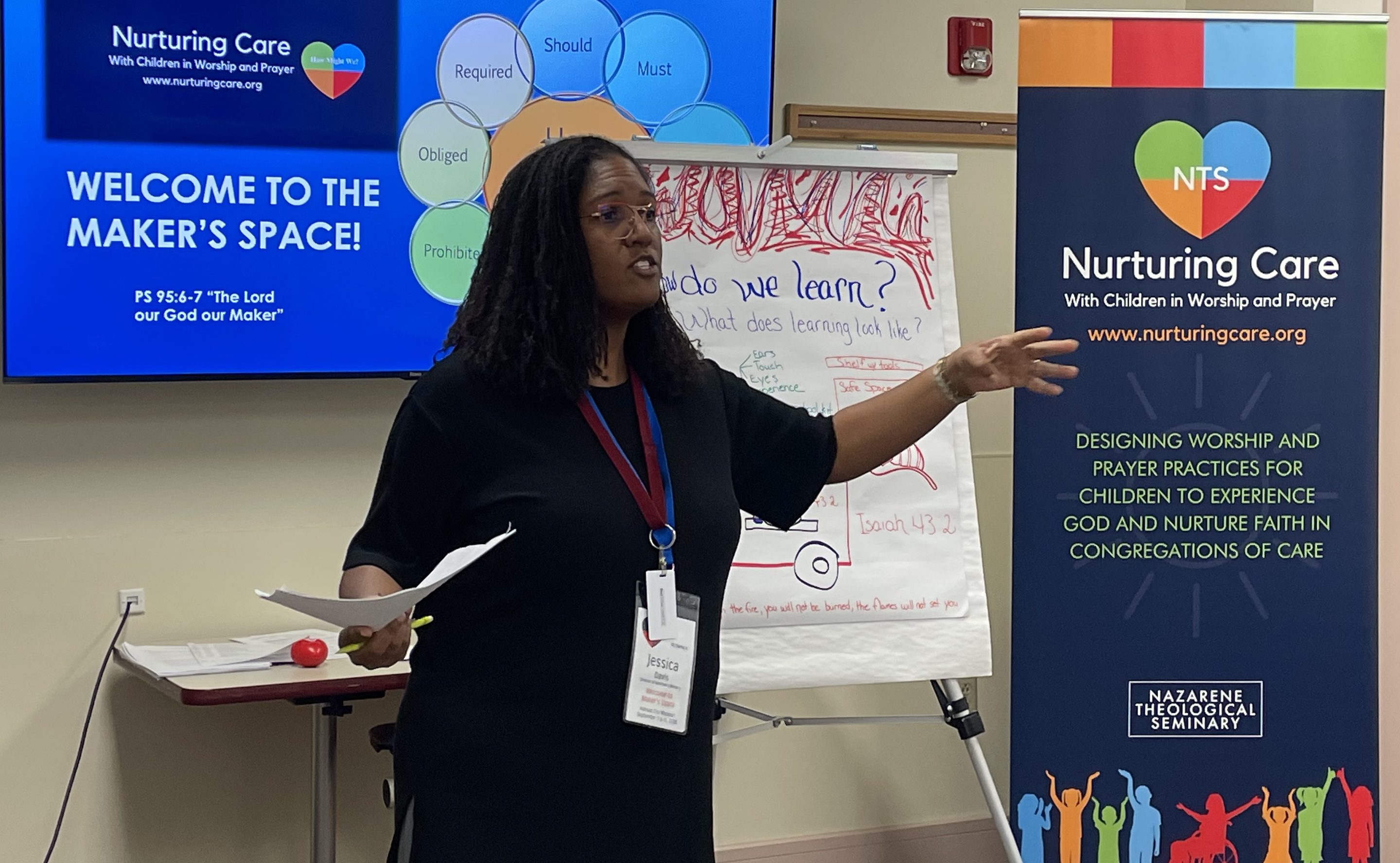
Jessica Davis of Resurrection proposed a training model built around the image of firefighters preparing before an emergency. Volunteers at nine locations would receive a bag containing headphones, fidgets, sunglasses and other sensory supports. They would then practice realistic situations in the same safe spaces or nooks where ministry occurs, learning what to notice and which tool might help. Drawing on Isaiah 43:2, Davis wants volunteers to respond without panic and to stop treating a distressed child as a problem to remove. Her central measure of training is not how much information volunteers receive, but whether they feel ready to remain present and offer wise support.
Mission Beyond the Classroom
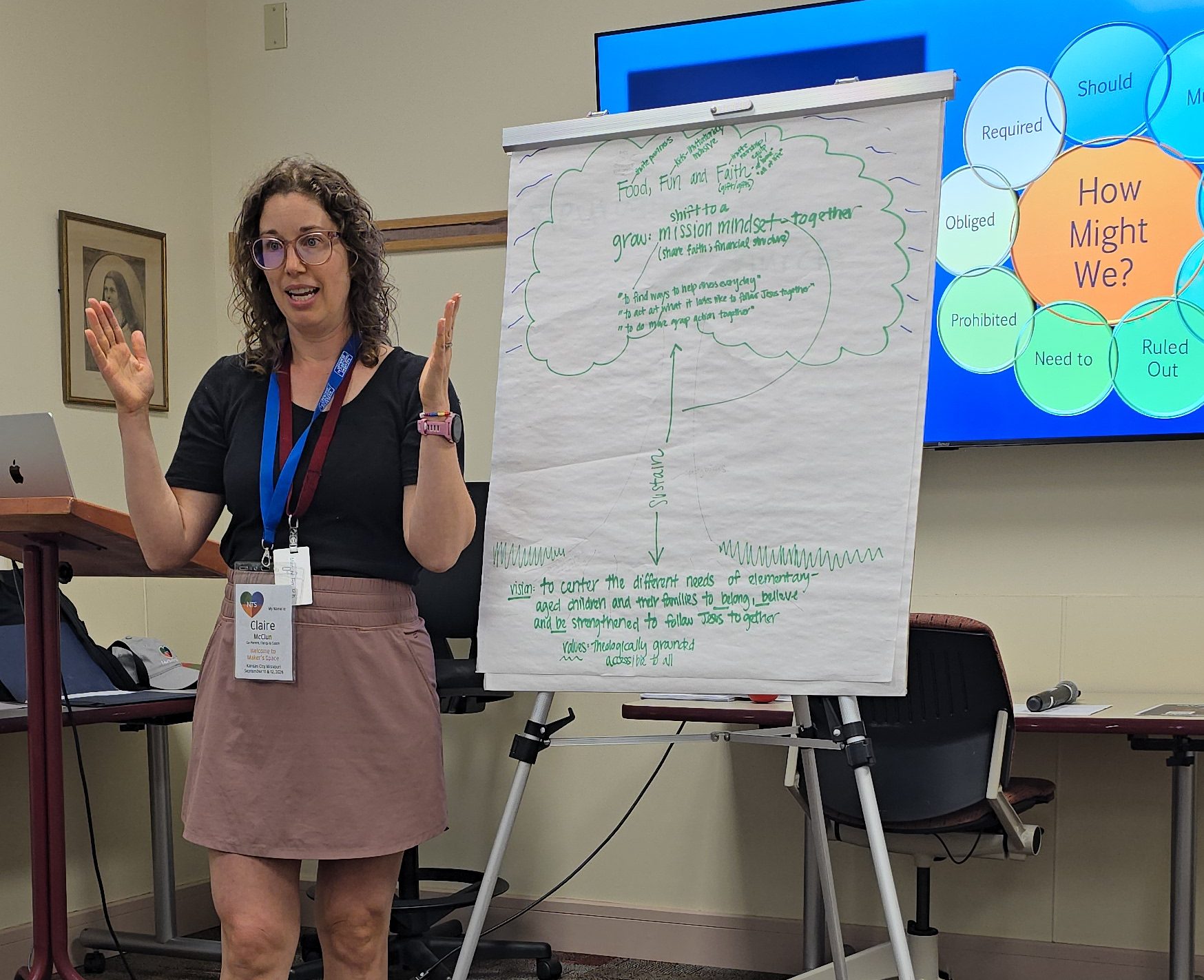
Claire McClun of Engage South KC widened the discussion from accommodations to a missional way of life. Her team’s framework joins food, fun and faith. Food means meeting needs such as hunger through sustainable partnerships. Fun makes room for children’s joy. Faith includes worship across daily life and equips parents and caregivers to practice faith at home. Evaluations showed that participants want to help others, follow Jesus together and take part in shared action. The challenge is moving from a closed group to an open one when members feel uneasy about invitation. McClun proposed prayer, relational evangelism, stronger partnerships and practical equipping. Visual schedules, tactile learning and shared baptism practices developed in the microchurch are already influencing the wider congregation.
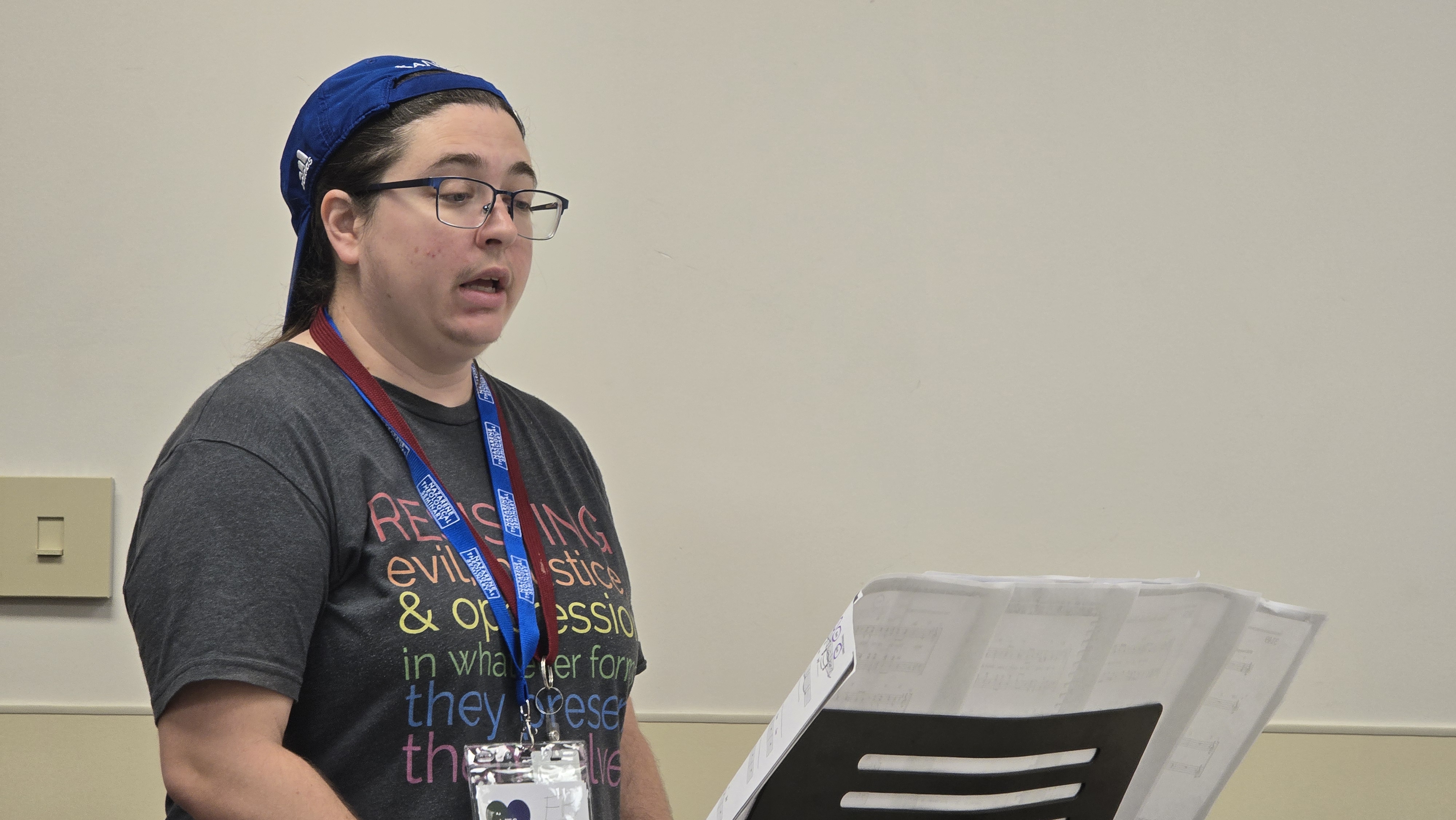
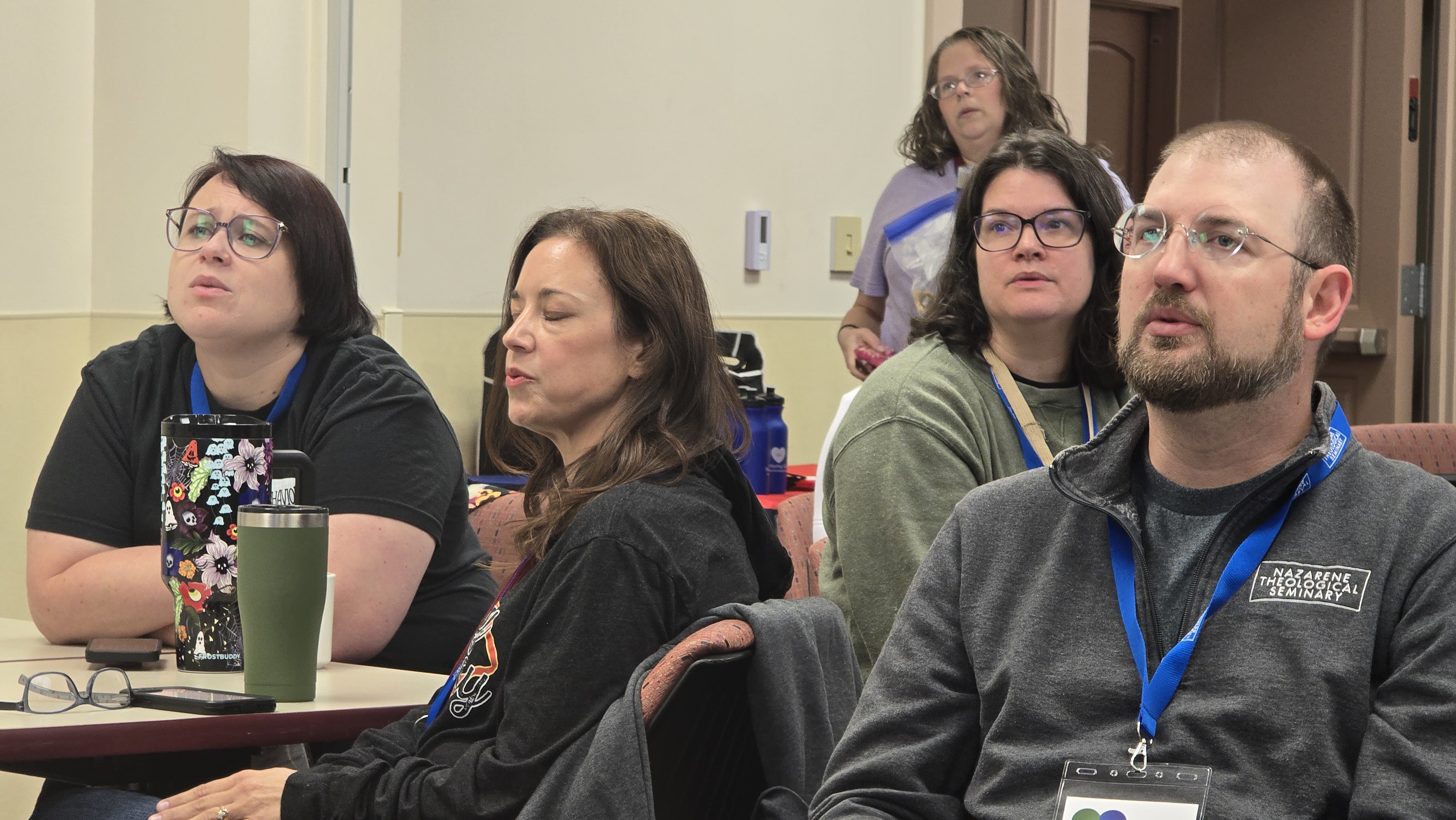
Led in worship and centered in prayer, that posture reflects the 2025 Maker’s Space invitation to launch early and learn as the prototype develops. Reports from the Kansas City cohort described children leading prayer, spiritual families growing around nonspeaking children and sensory resources becoming visible in church foyers. The new proposals carry that learning forward. They ask not whether autistic and neurodivergent children can fit existing church patterns, but instead ask “how might we?” How might the church can practice the welcome it proclaims.
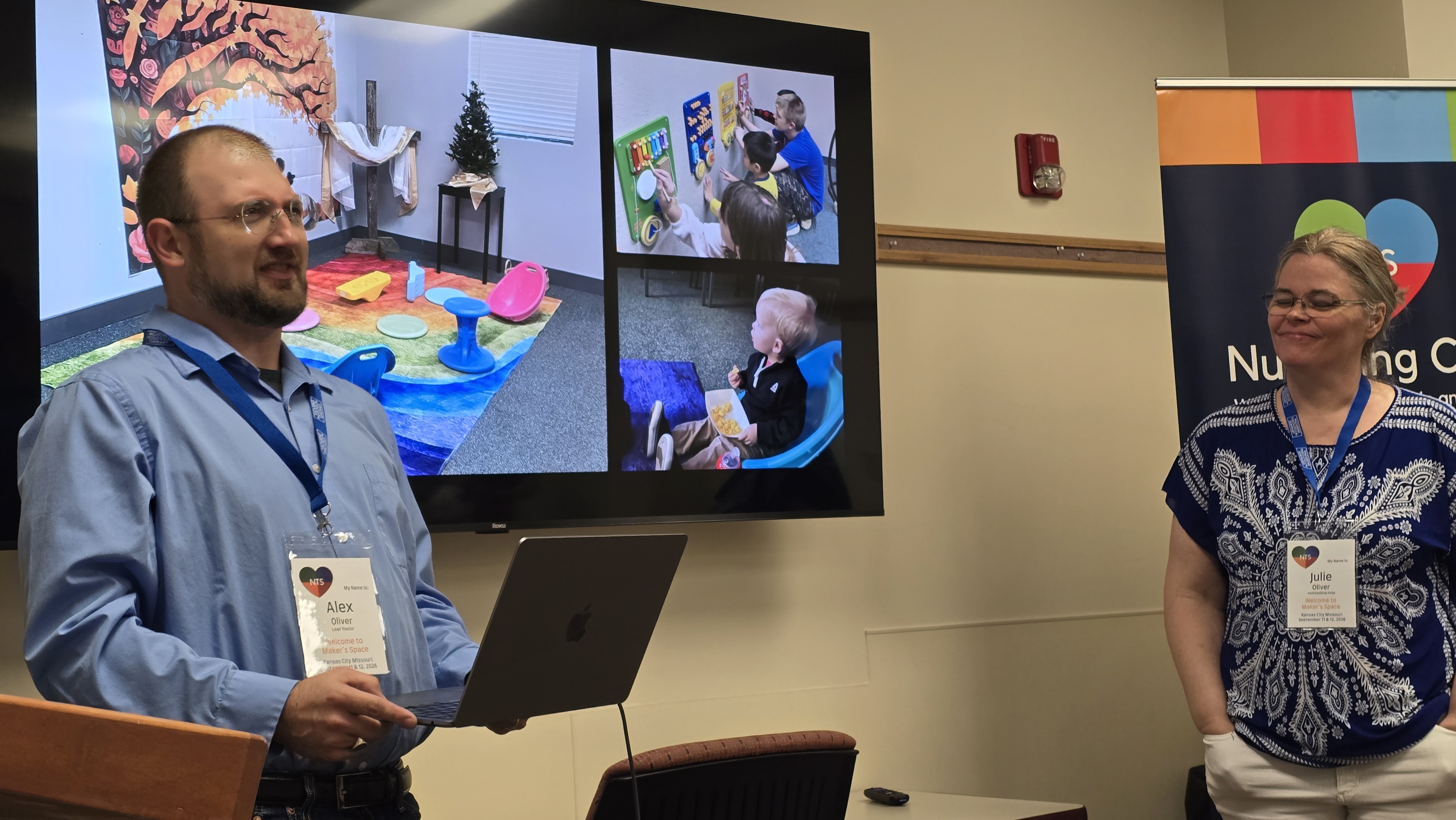
Across the presentations, sensory rooms and volunteer kits mattered, but they never reveal the whole story. The deeper question emerged whether congregations would change their habits so children can worship as themselves. Some teams began with architecture; others began with a pastor’s understanding, a student’s transition into youth group or a church’s willingness to receive leadership from nonspeaking children. Each project located a concrete place to begin.
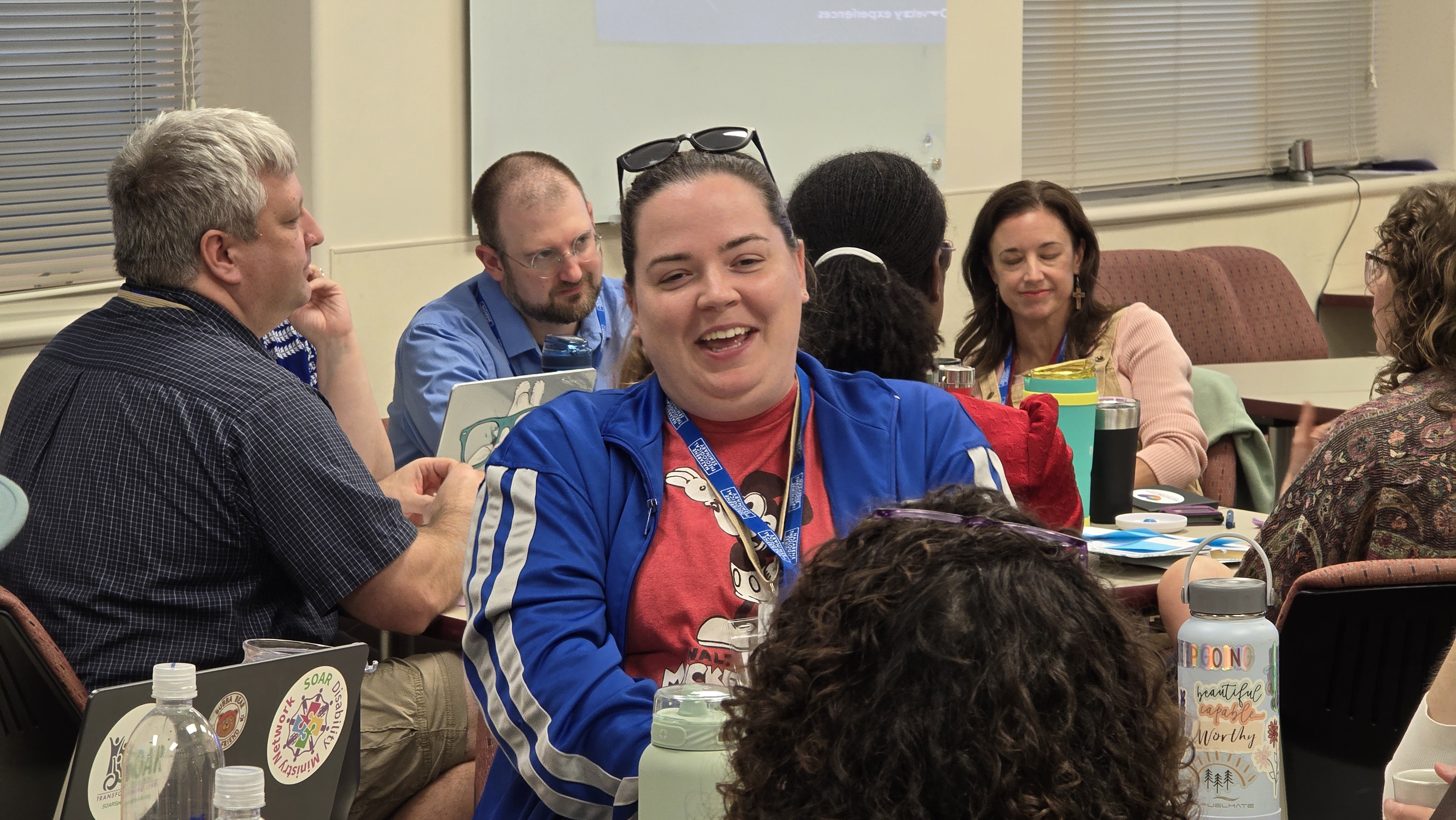
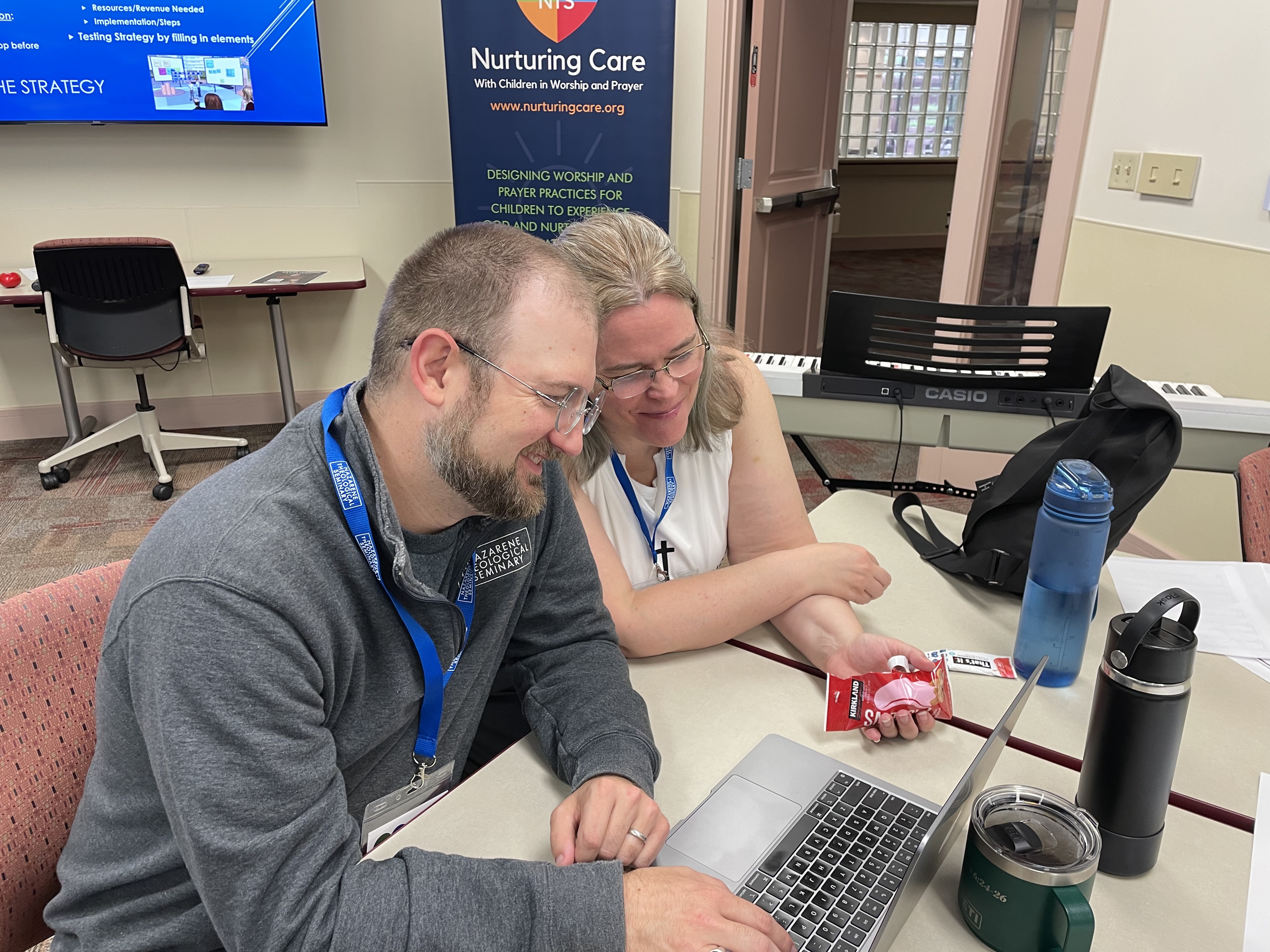
For these teams, the answer will emerge through listening, testing and prayer. The prototypes may change. The Christian claim beneath them should not: every child bears gifts for the church, and every congregation has work to do to receive them.
Related Coverage
Maker’s Space New Projects for Neurodivergent Kids Dean G Blevins September 26 2025
A Season of Nurturing Care Dean G Blevins August 17 2025


