
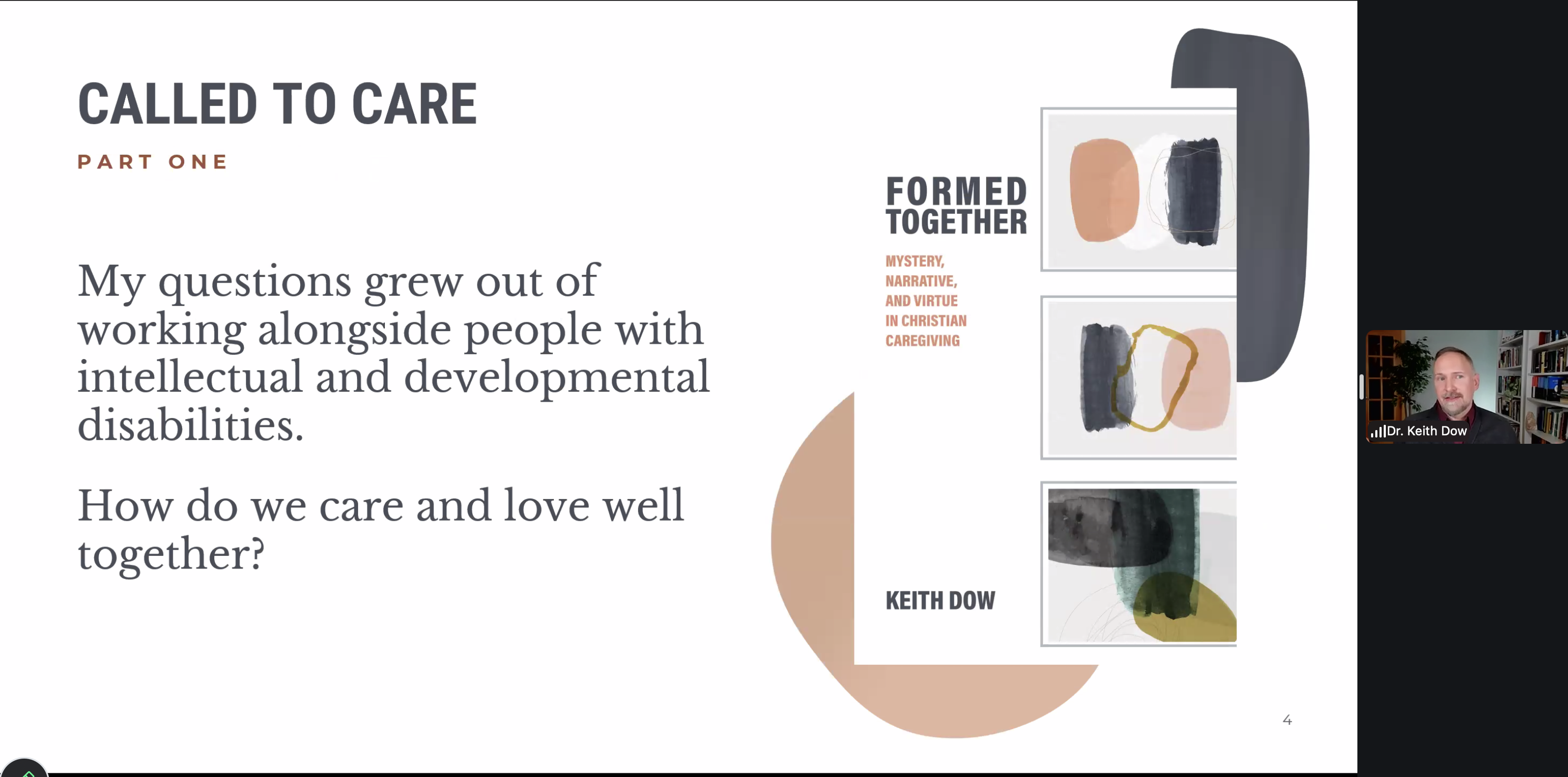
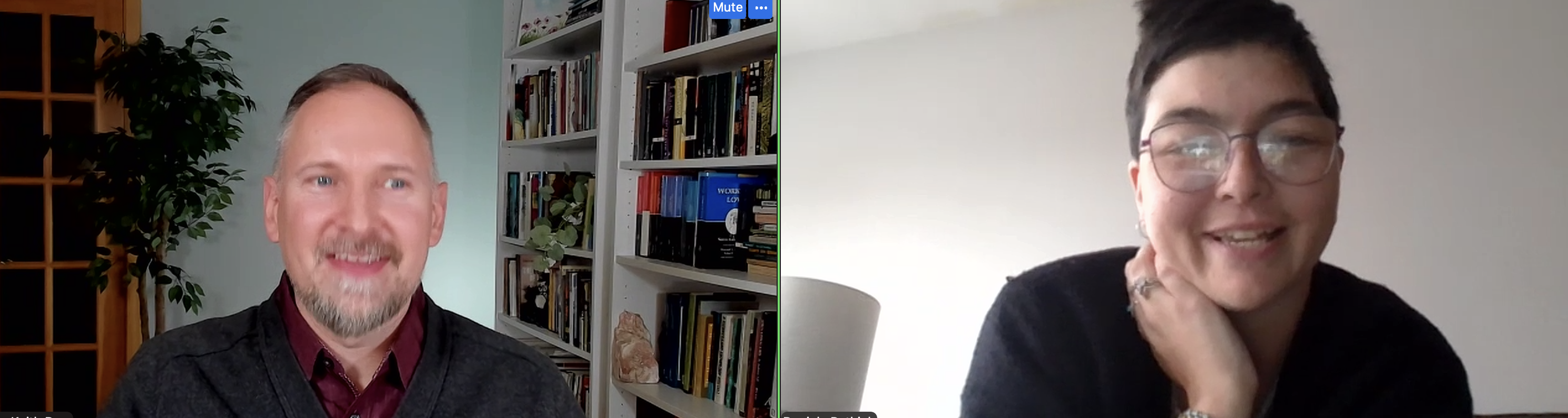
For congregations seeking to welcome people with disabilities, the first challenge may be learning to receive care as well as offer it. That conviction anchored Nurturing Care’s online Day of Learning on November 2, when theologian Keith Dow explored how disability, Christian caregiving, and belonging reshape the church’s understanding of faithful community. Dow, director of culture and mission alignment at Karis Disability Services, drew on his book Formed Together and the collaborative Images of God research project.
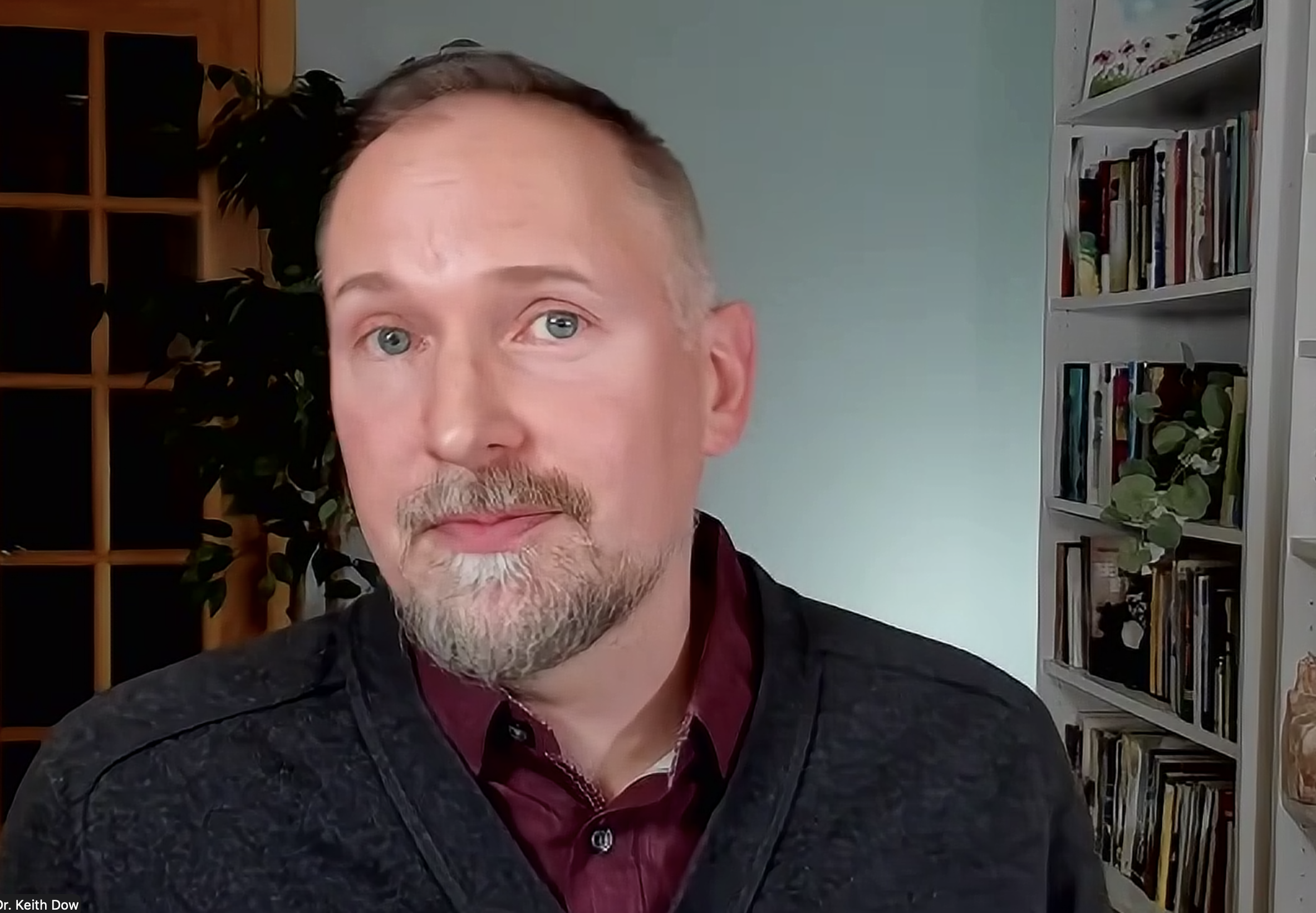
Dow’s central claim carries implications for pastoral practice: care forms everyone involved. The person receiving assistance remains a participant in a relationship through which both people can change. Christian formation unfolds within that mutual dependence.
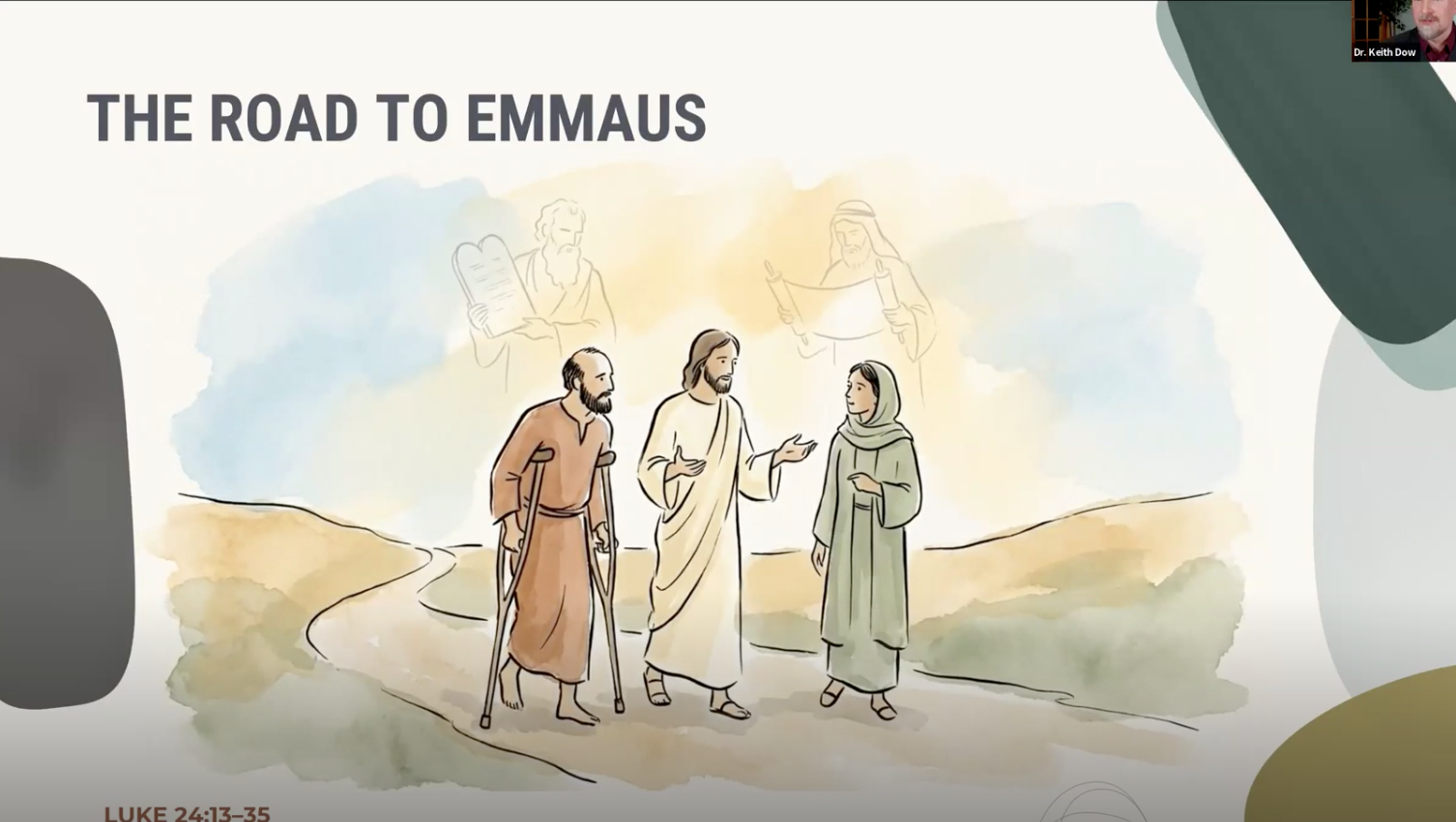
Drawing on the road to Emmaus, Dow urged participants to approach others with openness to mystery. Recognition, the biblical narrative suggests, can arrive gradually. His critique of the “myth of transparency” challenged the assumption that caregivers fully understand another person’s experiences, or even their own motivations. Such certainty can conceal prejudice beneath apparently benevolent intentions.
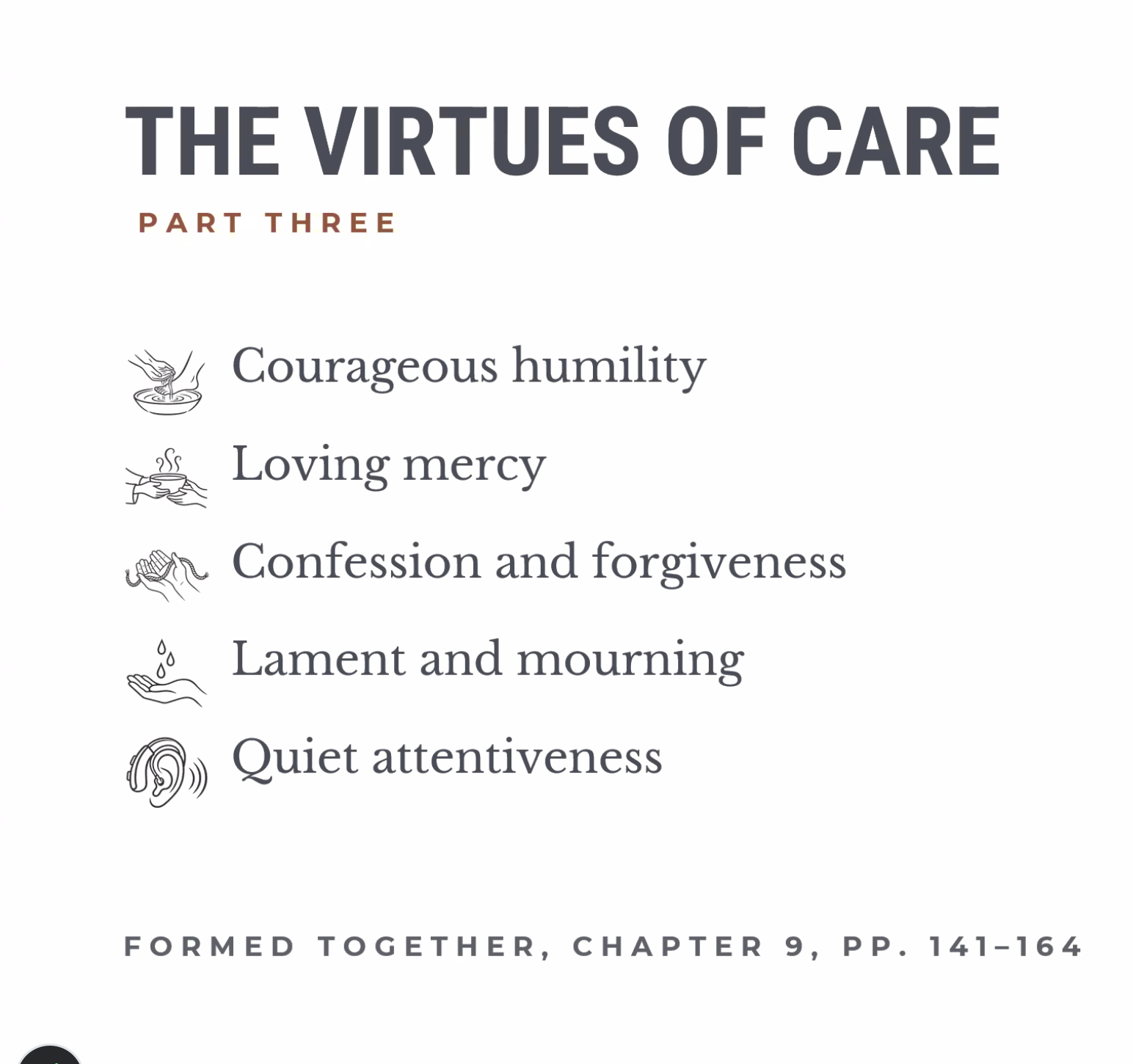
Dow offered five virtues for navigating these relationships: courageous humility, loving mercy, confession and forgiveness, lament and mourning, and quiet attentiveness. Together, they describe care that acknowledges human limits, acts compassionately, repairs harm, accompanies grief, and makes time to listen.
These practices also complicate familiar Christian language about healing. Participants considered how churches might affirm the Gospel accounts of healing while honoring disabled people without making cure a condition of wholeness or belonging. The discussion left a demanding pastoral question: how can communities pray faithfully while attending carefully to what people themselves want and need?
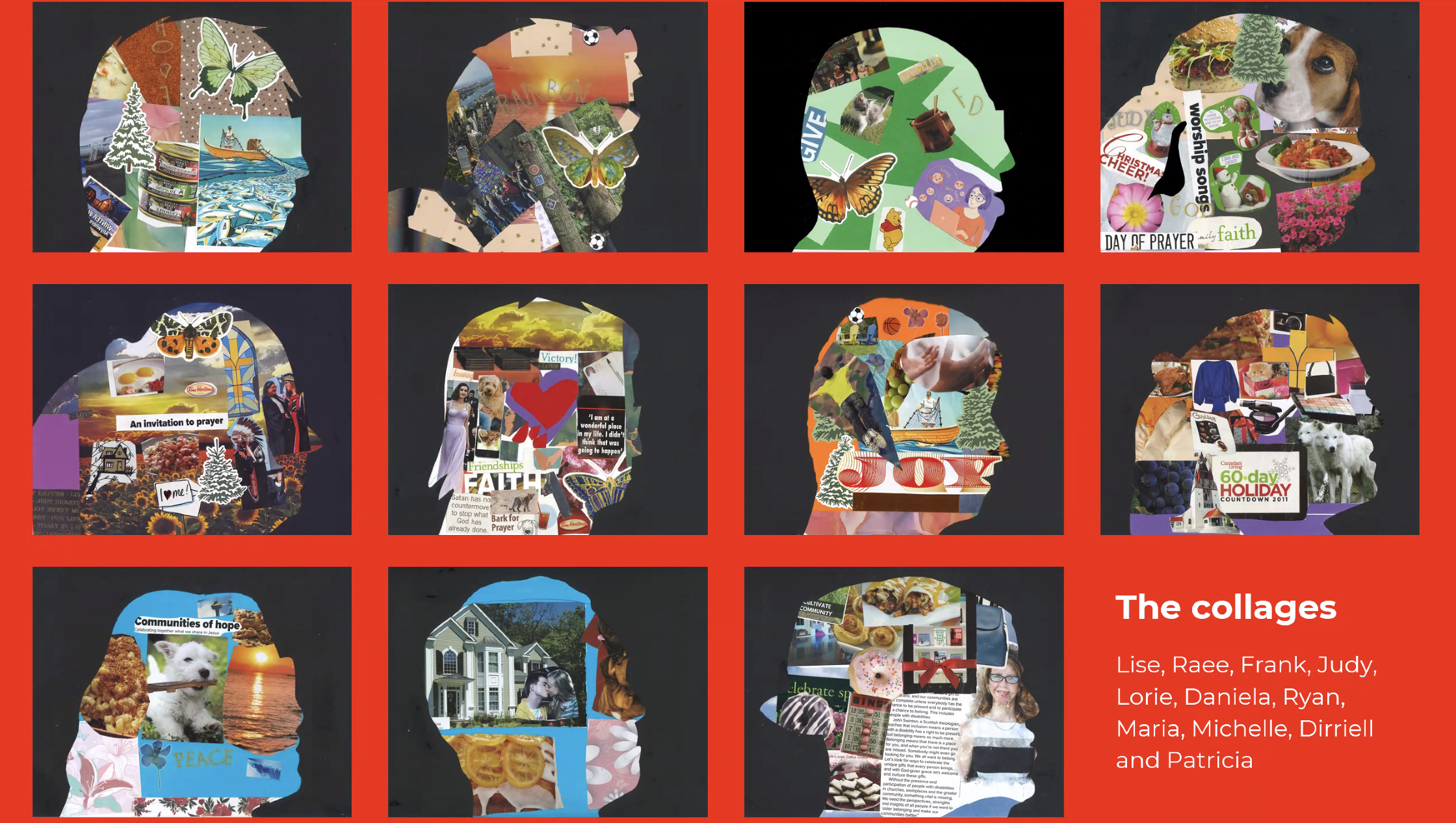
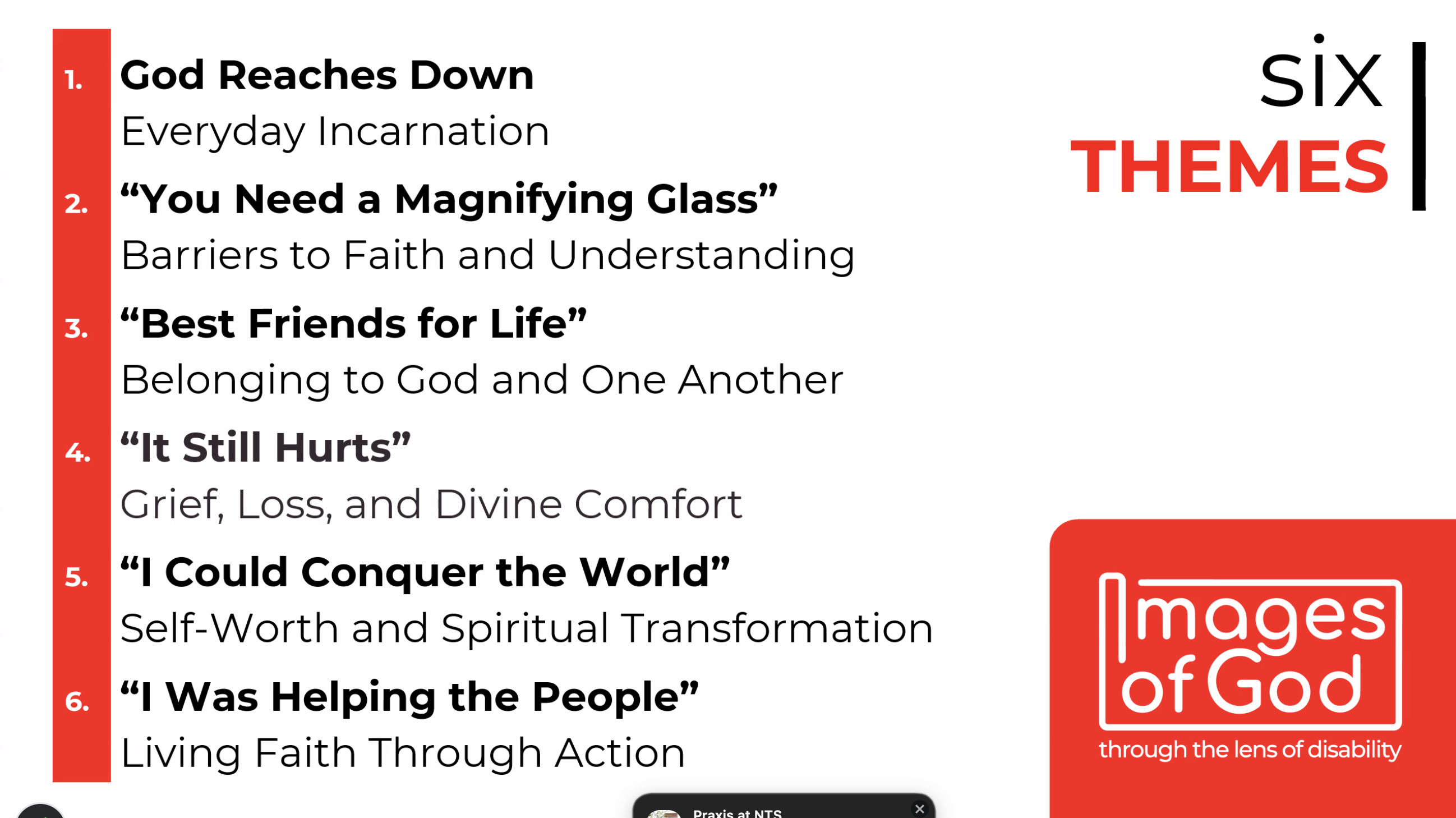
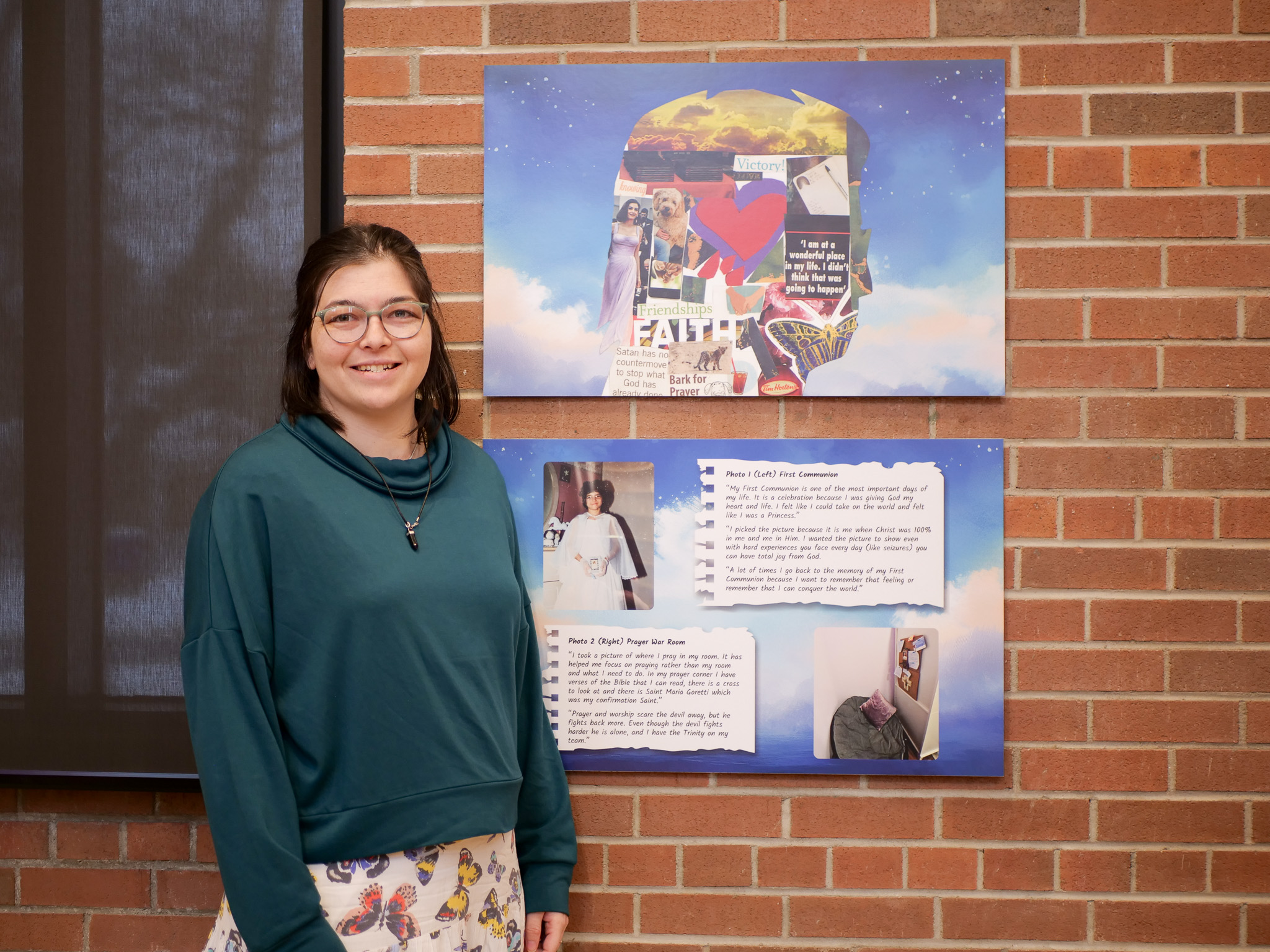
The second session brought that question into conversation with the Images of God project. Through photography, conversation, and collage, the research explored how 11 Christian adults with intellectual and developmental disabilities understood divine realities. Its six themes encompassed everyday incarnation, barriers to understanding, belonging, grief and loss, self-worth and transformation, and faith expressed through action.
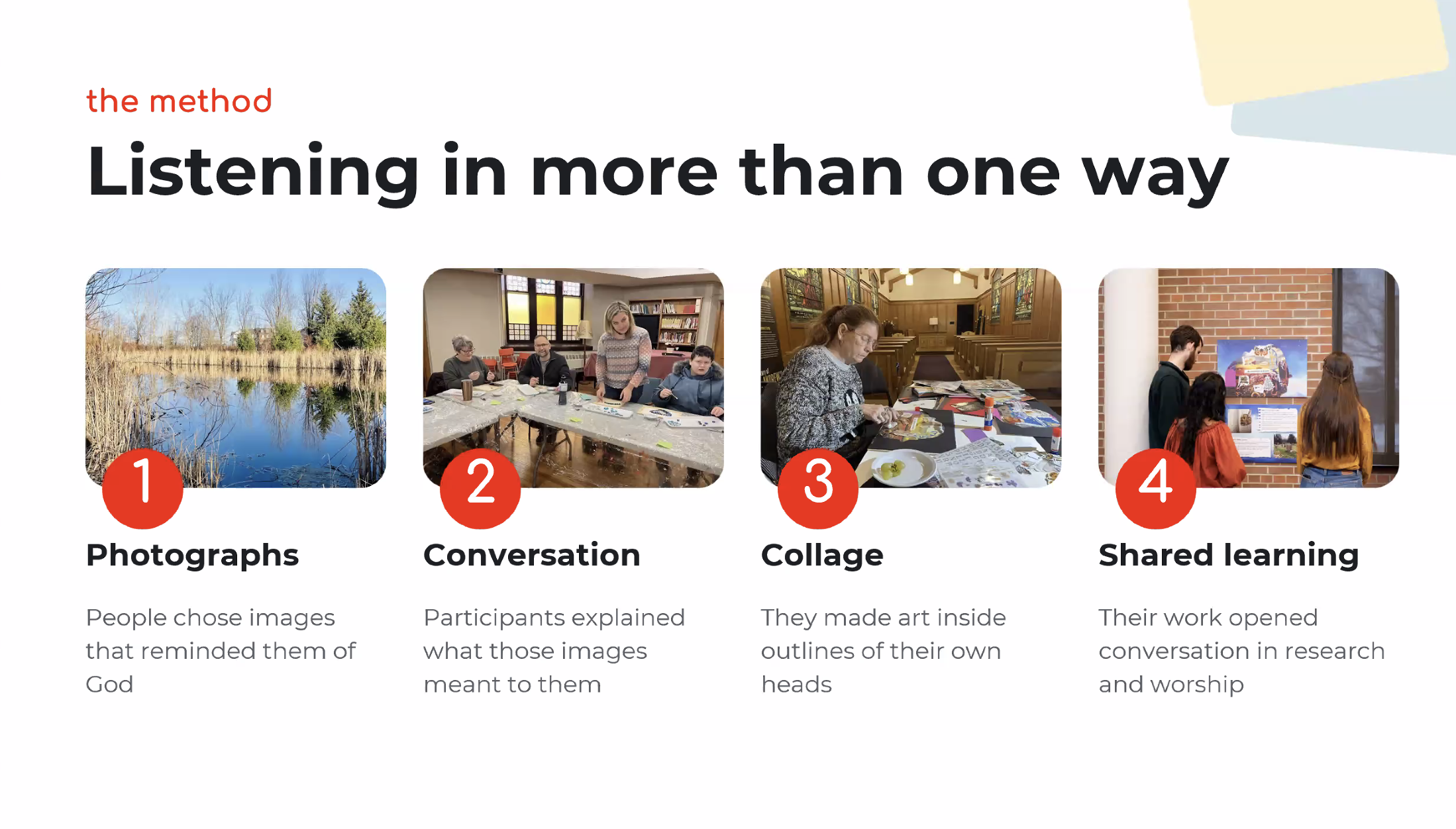
The project’s approach treated participants as interpreters of their own faith. Dow also cautioned against telling disability stories primarily as accounts of spiritual enrichment for people without disabilities. Such storytelling risks obscuring the person whose life supposedly supplies the lesson.
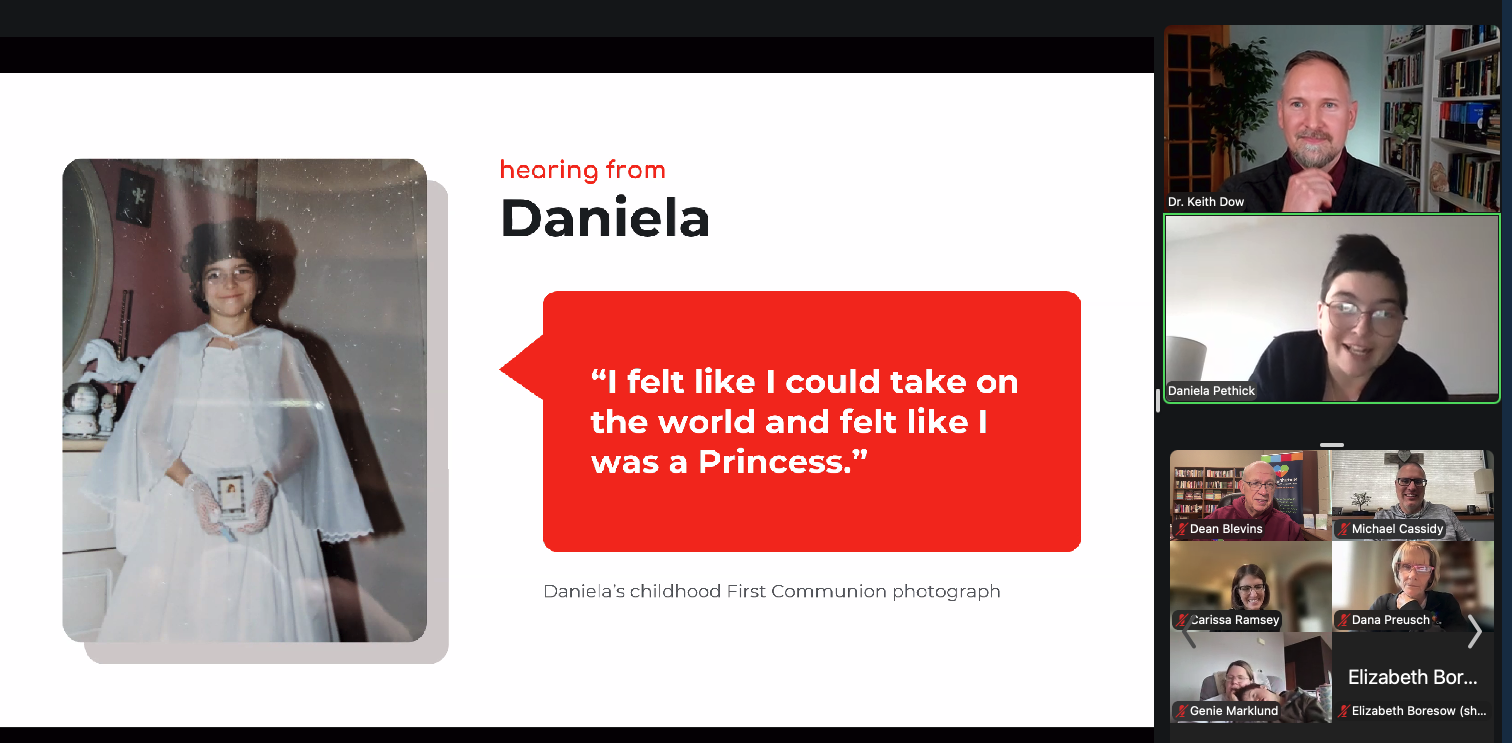
Daniela, a project participant, spoke about epilepsy, brain surgery, prayer, and her identity as a “Princess of God.” Alongside that affirmation, she described isolation and the importance of supportive community. Her contribution brought the conversation’s theological claims into contact with the practical realities of friendship and daily life.
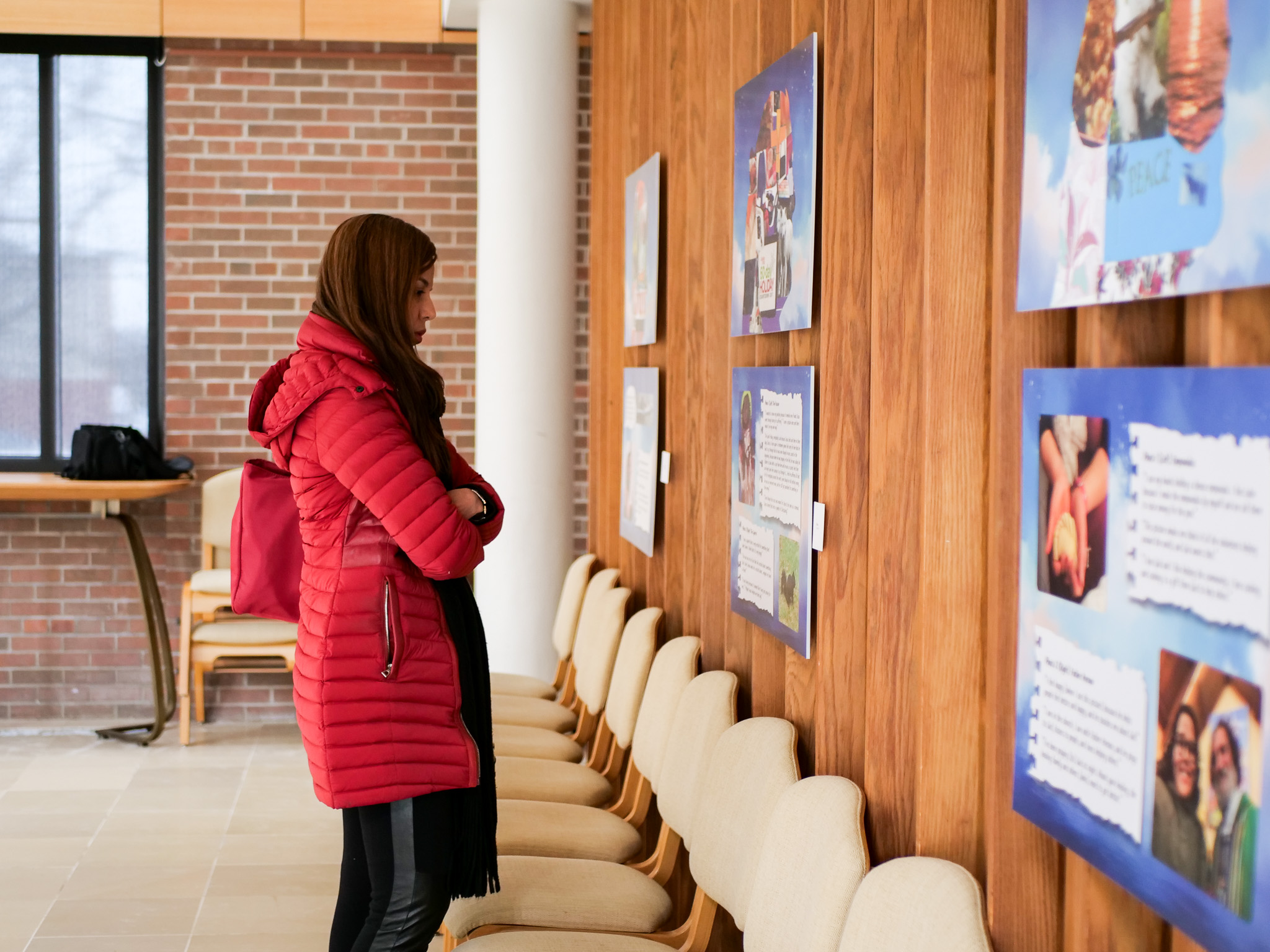
For congregations, the implications reach beyond accessible entrances or occasional special programming. Worship, prayer, and community life must offer meaningful opportunities for participation. Churches also face questions about adults who find themselves poorly served by existing ministry categories.
The day’s challenge was both theological and practical: recognize people with disabilities as fellow bearers of God’s image whose voices belong within the church’s discernment. That requires sustained relationships, room for grief, and the humility to discover that receiving another person’s care may itself become a school of Christian faith. Belonging grows as congregations learn to practice that recognition together, patiently and concretely. Video versions of the online presentations will be available under the Praxis/Nurturing Care video library.


