
Nashville Based Nurturing Care ministries turn prayer, sensory support and practical hospitality into signs of belonging Across the participating congregations, the summer’s Nurturing Care efforts shared a common conviction: children are not simply recipients of ministry but members of the body of Christ whose prayers, needs and gifts can shape the worshiping community.
The reports describe modest experiments—prayer kits, sensory objects, respite evenings and child-sized worship spaces—but their significance reaches further. Together, they show churches learning to recognize attention, movement, silence and participation as varied expressions of spiritual life.
Prayer as participation
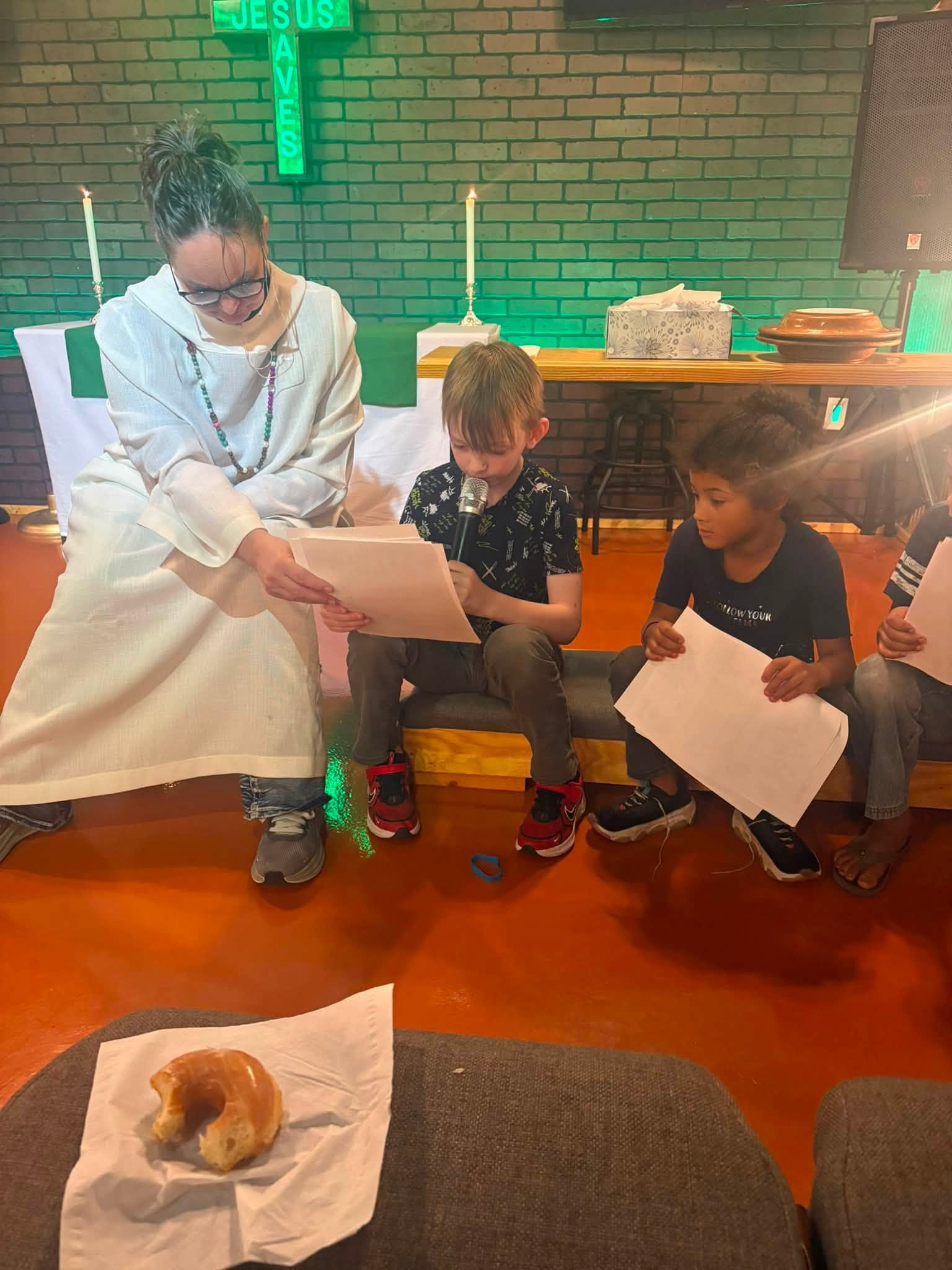
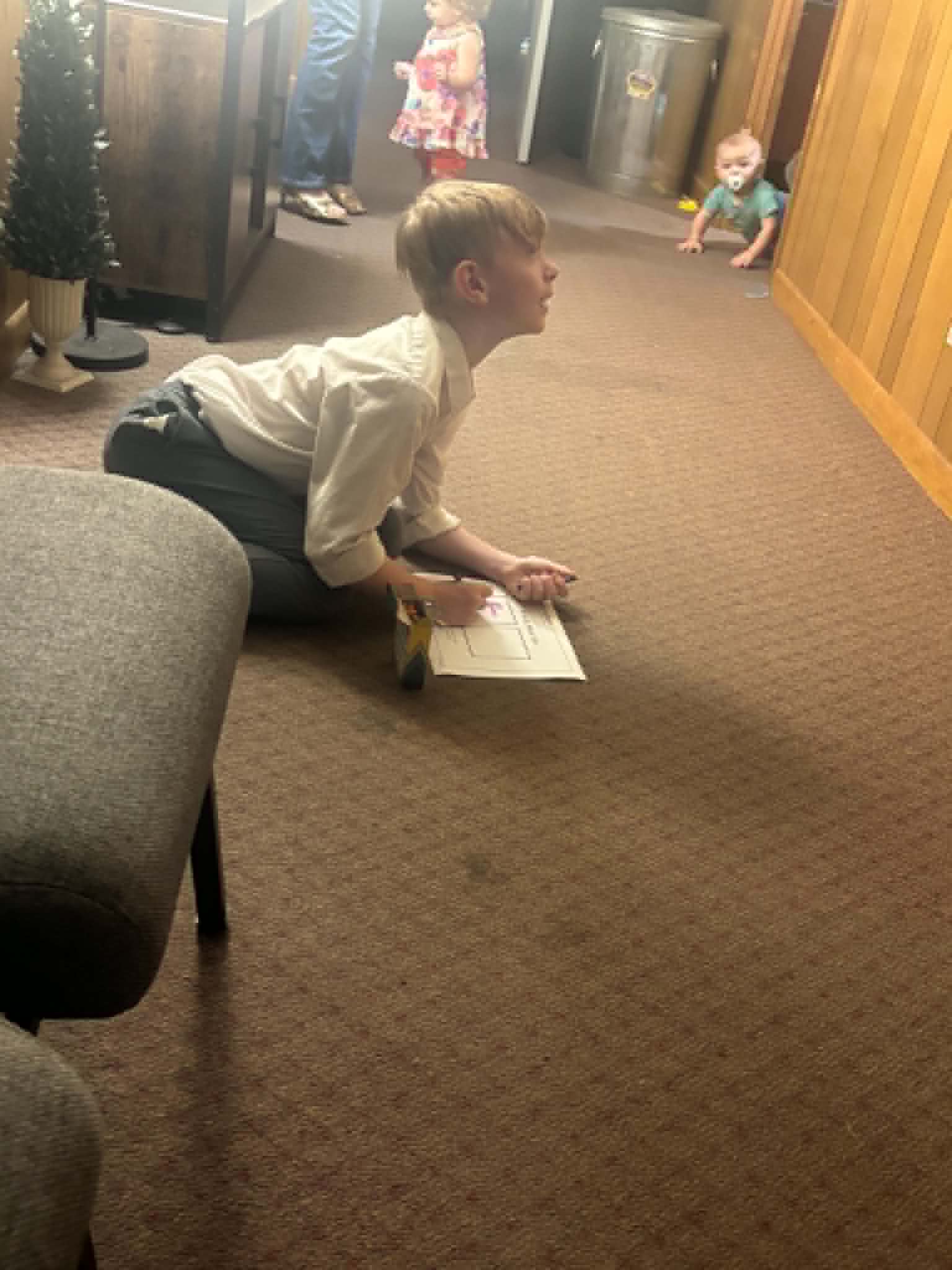
Prayer emerged as the strongest thread connecting the congregations. At The Hope ConneXion in Hope, Arkansas, Jennifer Martinez saw children become ministers of welcome. When nervous, apparently unchurched children visited with their caregiver, a nine-year-old approached them with a clipboard containing crayons and prayer-request materials. The child then explained prayer to the younger visitors, helping them become visibly more comfortable. The practice has also changed the wider congregation. On a Sunday when no children were present, a 23-year-old congregant recalled the concerns the children had shared in previous weeks and asked the church to pray for them. Another member requested prayer pages for children she babysits, later returning their requests to be displayed with the others. The children’s prayers, in other words, were not treated as a temporary program; they entered the congregation’s shared memory.
Oxford Nazarene Church likewise made children’s prayer part of congregational worship. Children draw prayer partners, prepare written requests and praises, and once a month gather at the altar with adults. Importantly, the church developed a simple way to honor a child’s agency: a cross sticker signals when a child wishes to pray alone. The children have also requested a podium “like Pastor Jeff’s” so they can offer opening prayers before the congregation. Their request reflects more than enthusiasm—it signals that they can imagine themselves as visible leaders in worship.
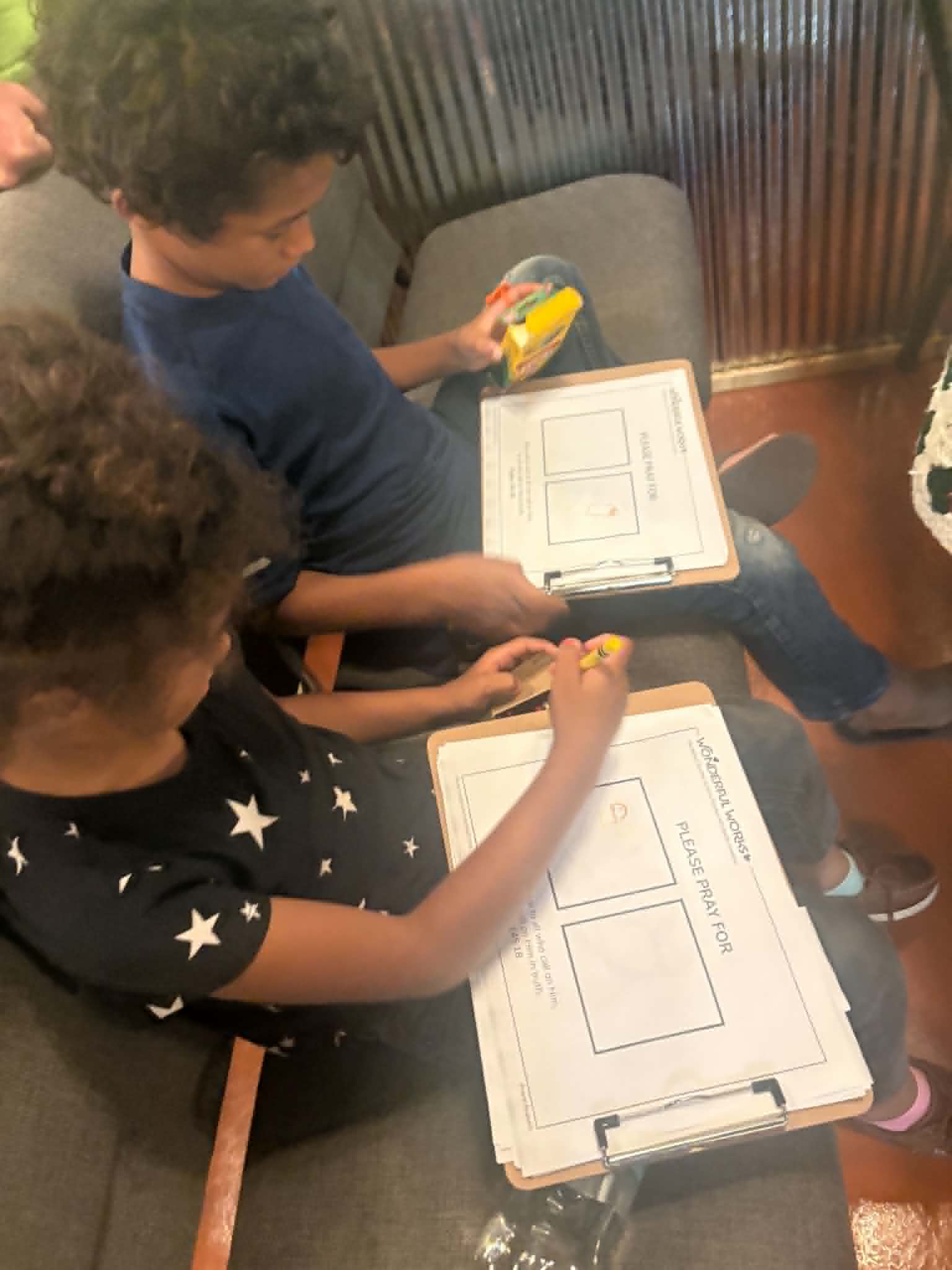
During the August gathering, Jennifer and Kayla Schenk at Hope ConneXion reported that intergenerational prayer practices were helping both children and adults participate more fully. One child who had never attended church began engaging in prayer and sharing those experiences with family members. The group also explored breath prayers and structured prompts, recognizing that children often enter prayer more readily when leaders provide a clear and accessible pathway.
Sensory care as spiritual hospitality
Several ministries discovered that sensory tools do more than manage behavior. They help children become present to God and to the community.
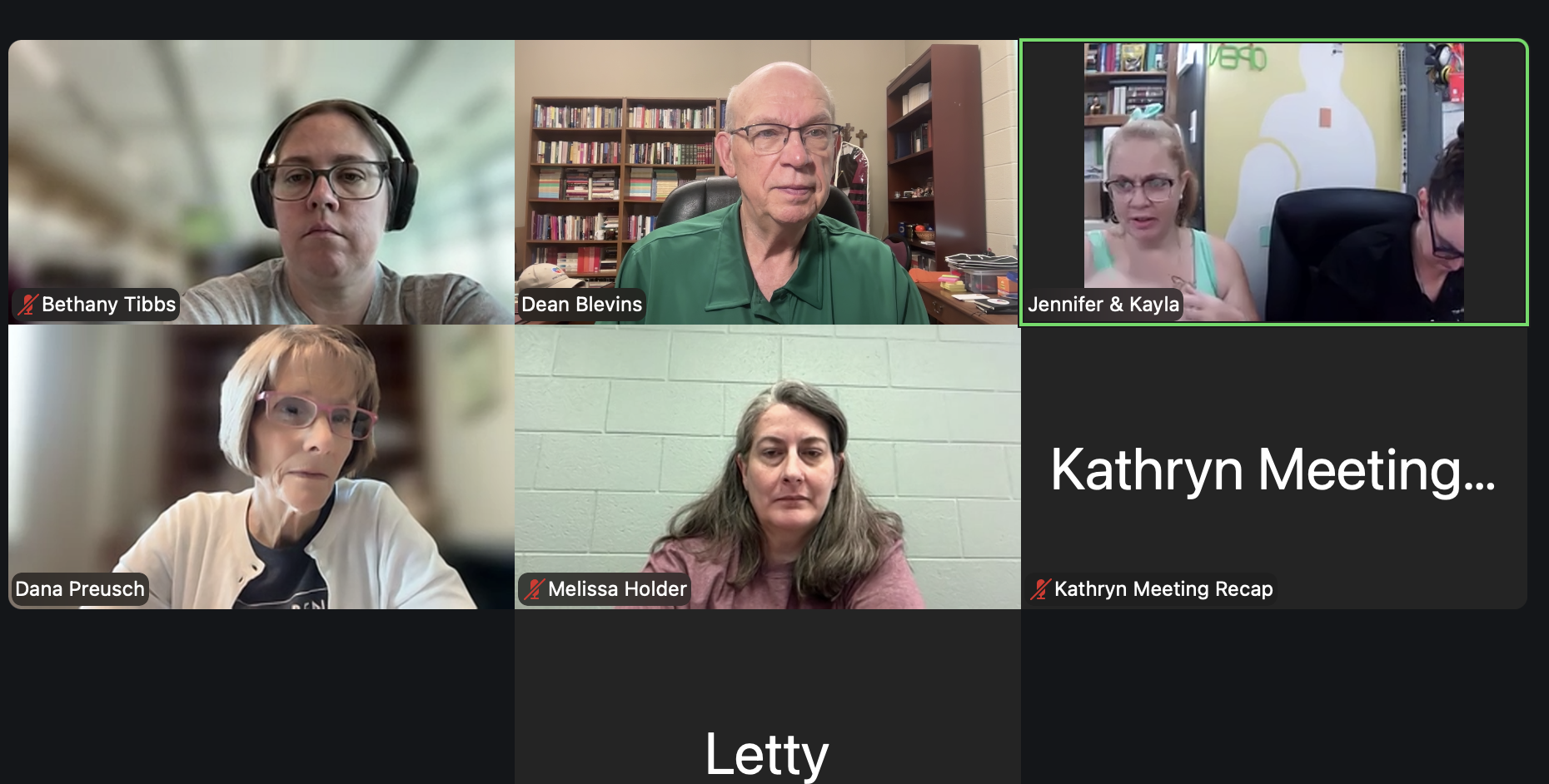
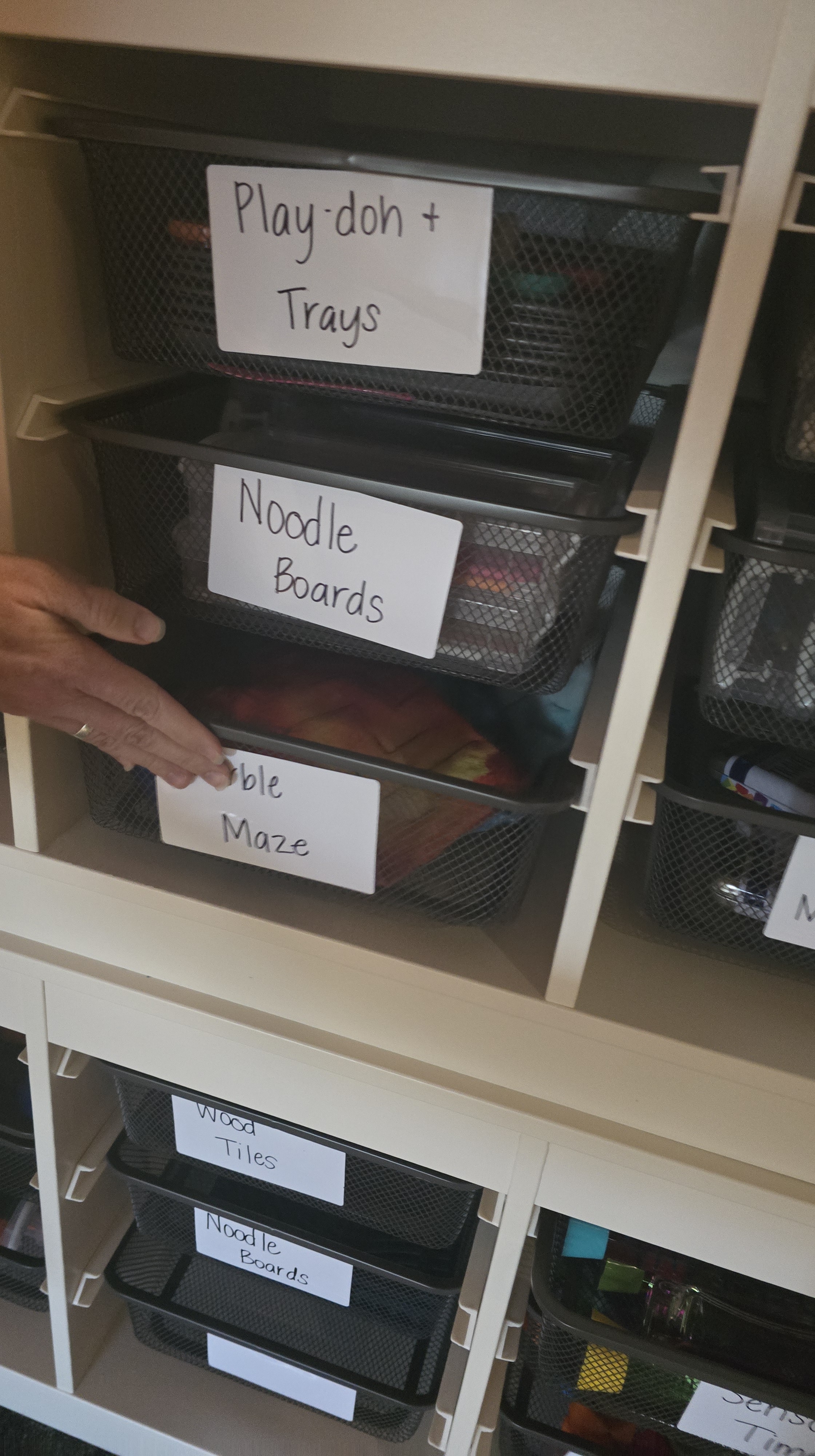
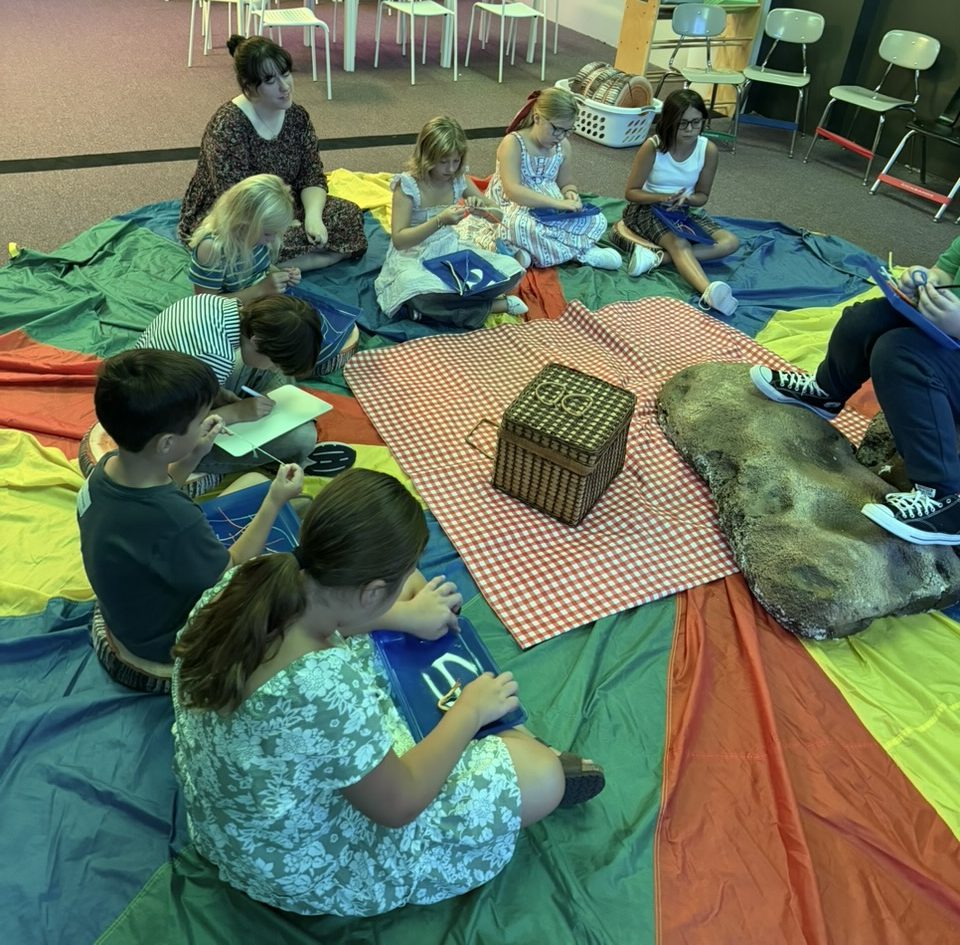
At Lenexa Central Church of the Nazarene, Bethany Tibbs introduced prayer tubs containing varied sensory materials. A neurodivergent child who often stayed beneath his seat became still and focused while watching a colored-oil timer. When Tibbs spoke with him, she sensed that the object had opened space for an encounter with God. The moment confirmed her belief that spiritual attention does not always resemble conventional stillness and that prayer materials can meet children through their particular ways of experiencing the world.
Lenexa Central’s church board responded enthusiastically to the prototype. Two board members initiated further conversations about how the children’s ministry could better serve neurodivergent children, suggesting that a small experiment was beginning to influence the congregation’s broader understanding of inclusion.
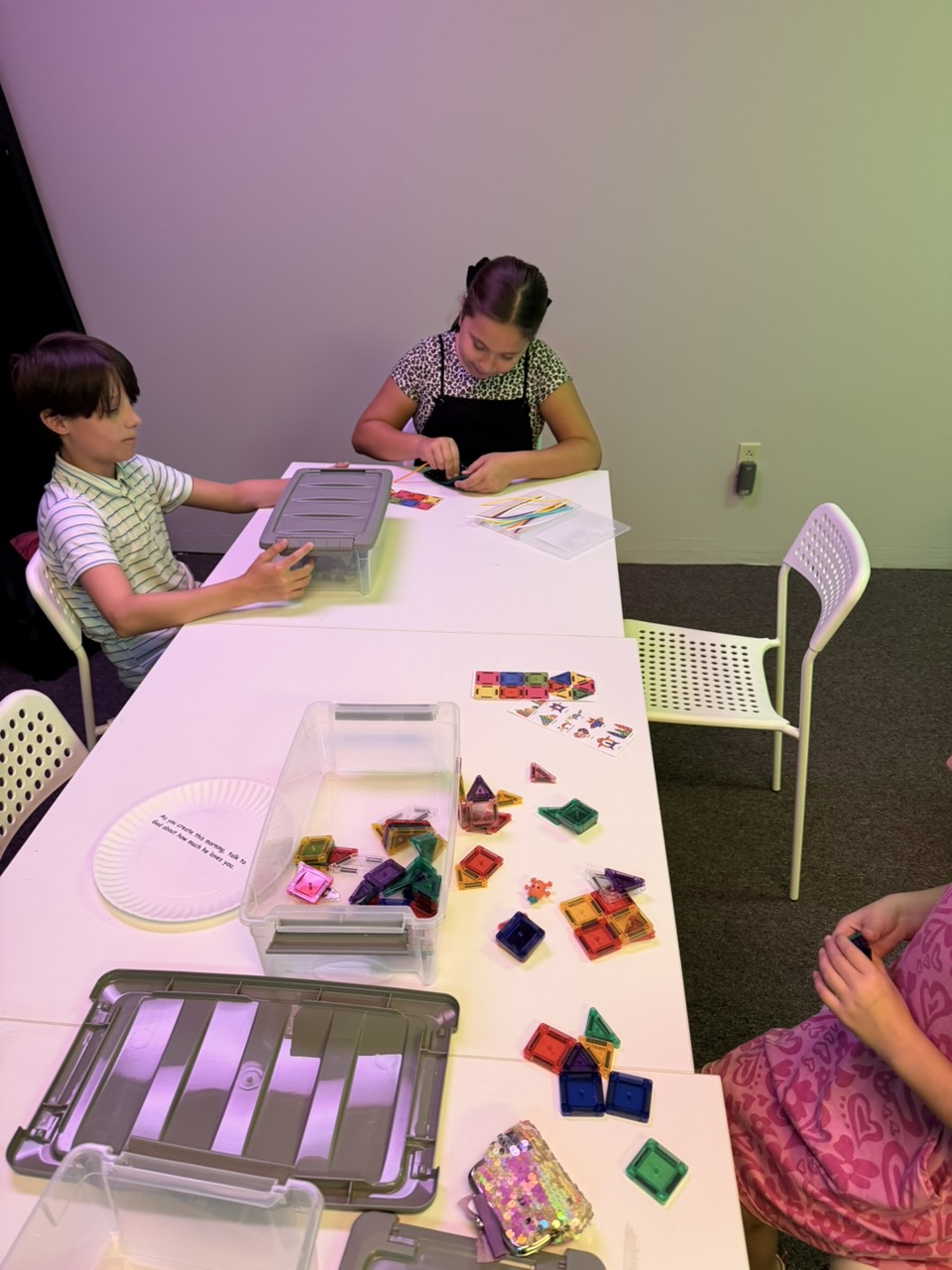
At Hermitage Church of the Nazarene, Melissa Holder reported a similar result. Prayer kits helped a highly active, talkative boy focus on a prompt and participate in prayer in a way he had not previously been able to do. In the August meeting, Holder also described kick bands attached to chair legs, which gave children an unobtrusive outlet for movement. Early difficulties with collapsing prayer-kit containers led to practical adaptations—a reminder that inclusive ministry often grows through attentive trial and revision.
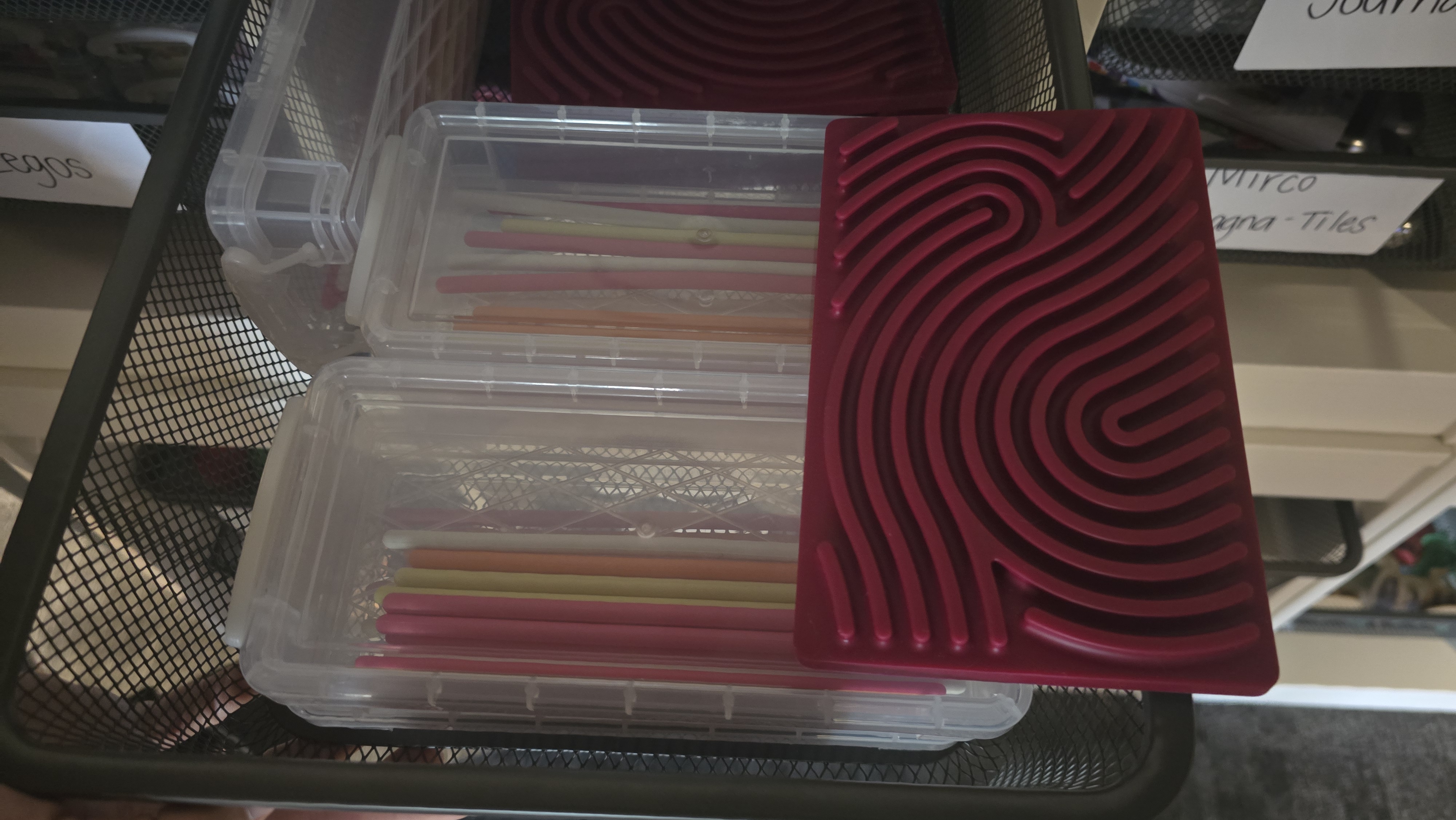
Other leaders reported success with noodle boards, fidget tools, timers, calming tents and classroom sensory stations. Bethany Tibbs’ structured eight-minute prayer time, beginning with instructions and a breath prayer, proved useful not only to children but also to adults during a church-wide worship night. What began as an accommodation for some became a spiritual resource for many.
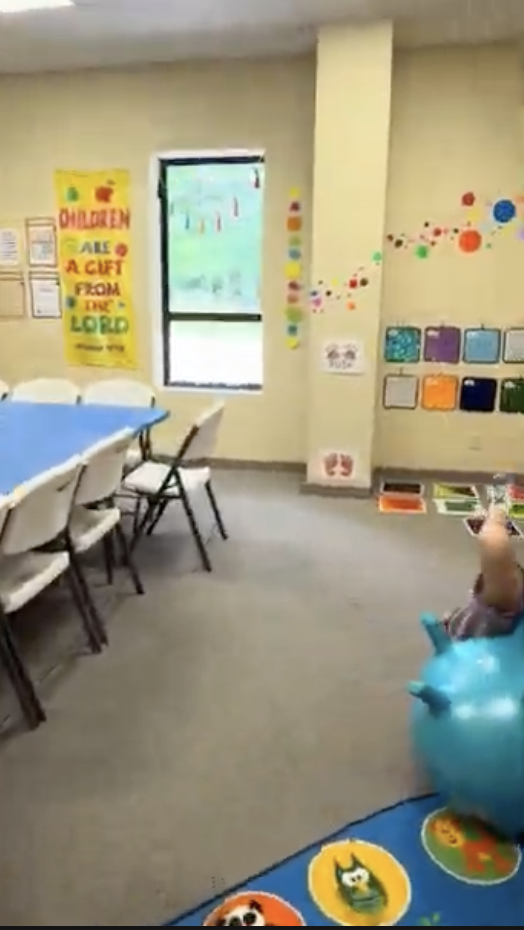
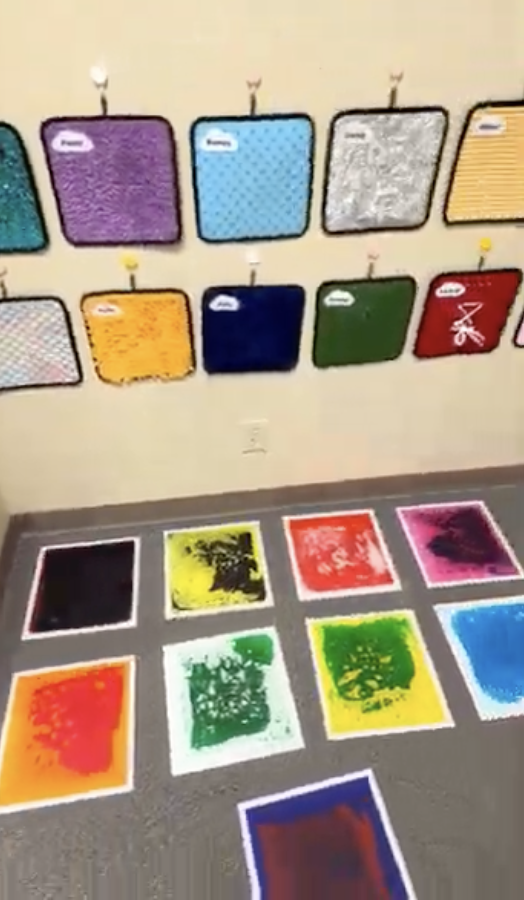
Oxford Nazarene renovated its nursery and children’s church rooms with sensory materials and a calming corner. The church continues to seek tabletop tools that will help children remain comfortably engaged. Letty Gonzales of Las Palmas Nazarene noted the use of a calming tent and sensory stations in two classrooms. Letty also described another particularly concrete act of welcome: adjustable custom cushions allowed a child who uses a wheelchair following a car accident to sit more comfortably and feel more fully included. The family’s response affirmed that accessibility communicates belonging before a lesson is ever spoken.
Caring for families, not only programs
Oxford Nazarene broadened Nurturing Care beyond Sunday programming through three respite nights. Families received three hours of qualified childcare, planned activities including prayer and dinner for their children, while adults went out to eat, play games and enjoy uninterrupted fellowship. Parents described these evenings as a genuine relief—a chance for their minds to “shut off” because the details of care had already been considered.
This ministry recognizes that nurturing children also means sustaining their caregivers. Respite becomes a form of congregational mercy: the church carries responsibility for a few hours so families can rest and reconnect.
The distance between welcome and readiness
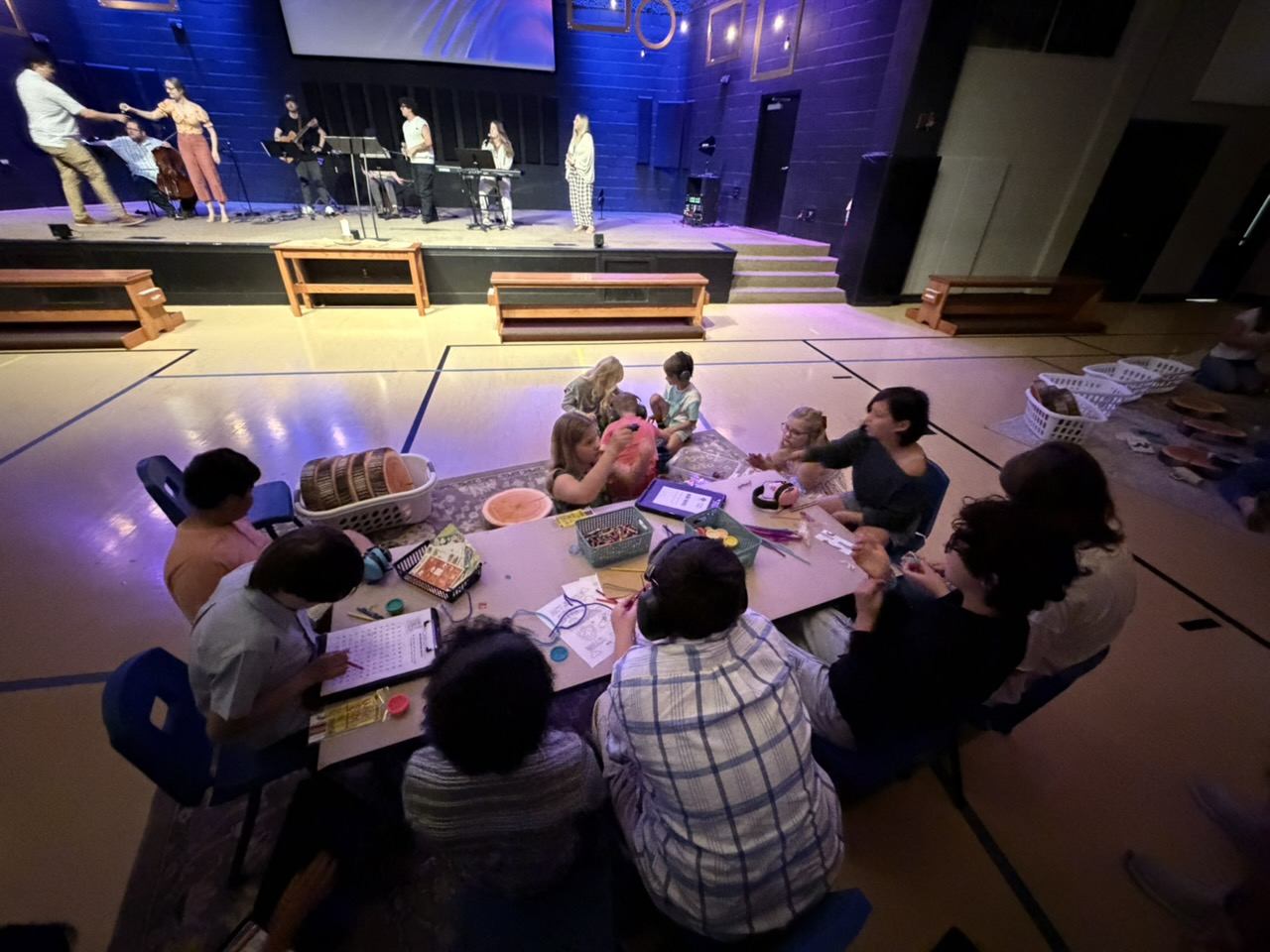
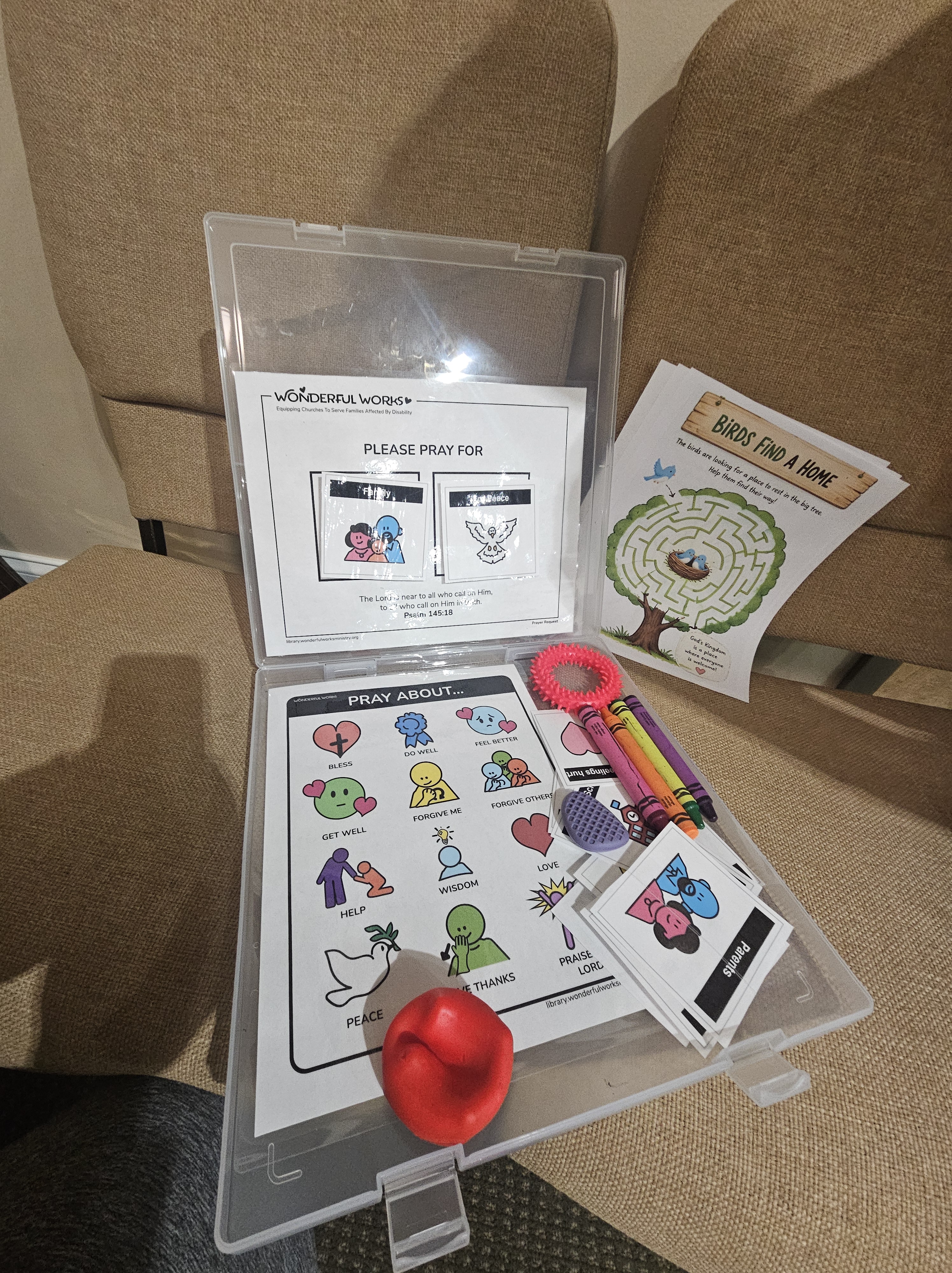
The summer reports were also candid about unresolved challenges. Zoe Witherspoon at Pine Hill church of the Nazarene noted that all the children loved the new sensory “sprout boxes” while other some older adults did wrestle to some of the earlier use of velcro so the team adapted. Melissa Holder described a nonverbal seven-year-old arriving at Hermitage on a Sunday morning when neither a one-to-one buddy nor an appropriate classroom was available. The encounter exposed the painful distance between good intentions and immediate capacity. She concluded that, until Hermitage can provide the needed support, leaders should at least have current information about nearby churches with established special-needs ministries.
Volunteer recruitment remains another concern. Holder reported broad enthusiasm for inclusive ministry but little willingness from congregants to help implement it. Martinez similarly noted limited progress in recruiting young people for The Hope ConneXion’s creative team.
Yet there were signs of emerging leadership. One boy at Hope ConneXion grew confident enough to deliver announcements at the end of worship. He is also learning audio, video and animation skills while helping transform children’s prayers into short cartoons that can be shared online.
A summer of practical theology
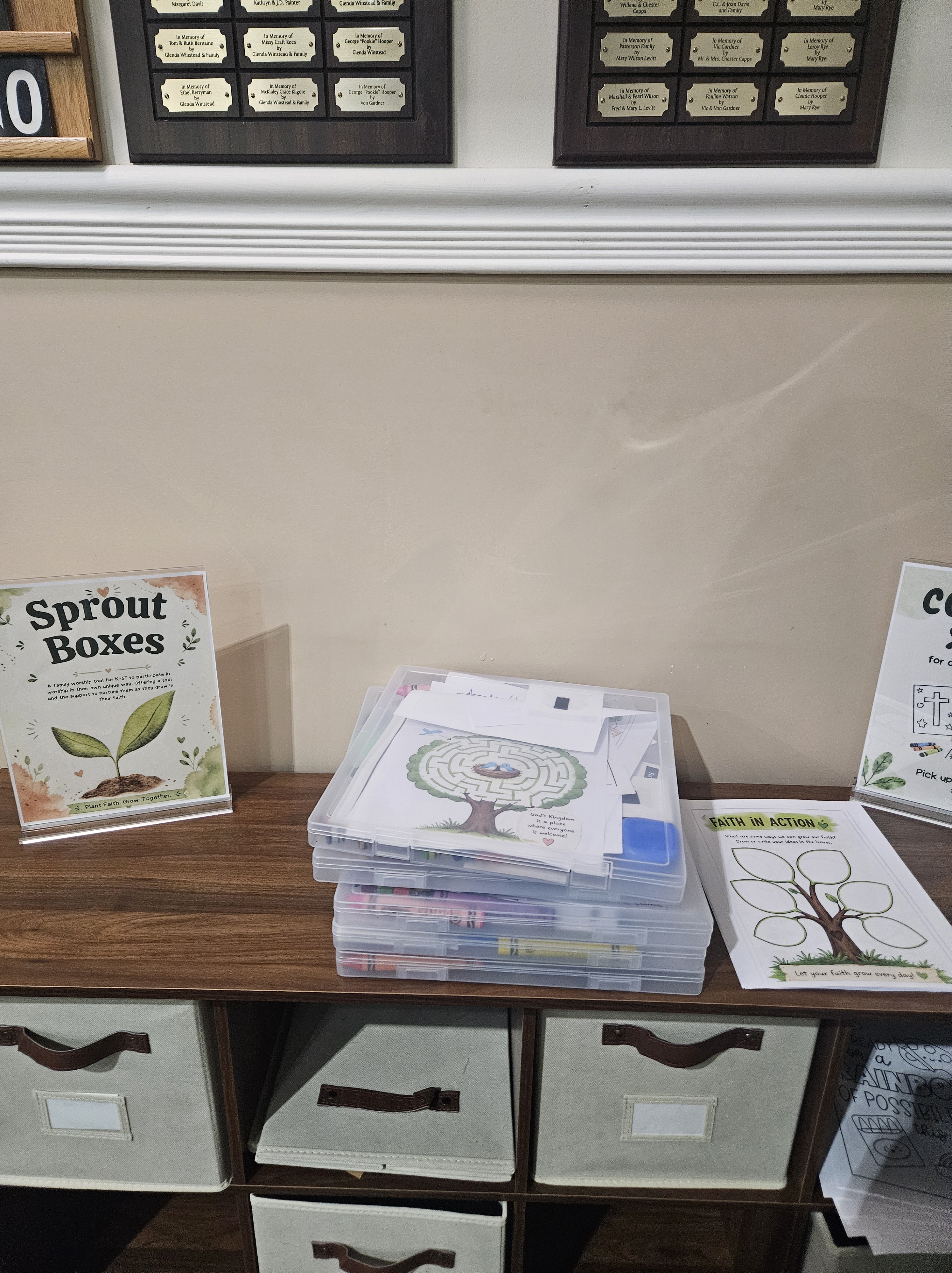
The summer’s work did not follow a single model. Each congregation responded to the children and families already before it: Lenexa Central explored sensory prayer; Pine Hill unveiled Sprout boxes; Hermitage tested prayer kits while confronting gaps in volunteer capacity; The Hope ConneXion cultivated intergenerational prayer and young leadership; Oxford combined worship participation, sensory environments and caregiver respite; and leaders such as Letty and Kayla contributed insights about physical accessibility and shared prayer.
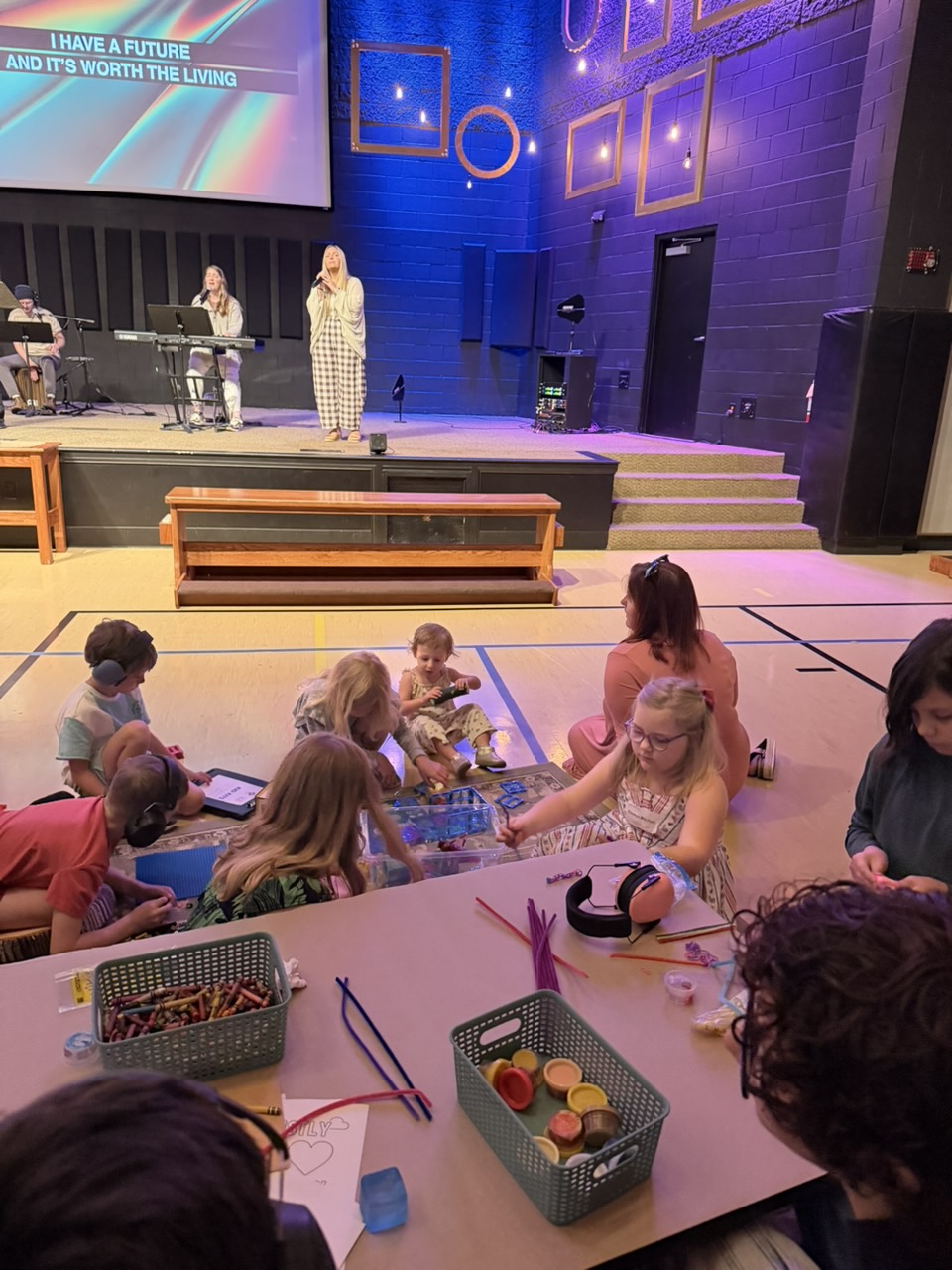
Taken together, these efforts express a practical theology of the church as one body with many members. Inclusion was not presented as a specialized side ministry. It appeared in a child explaining prayer to another child, an adult remembering an absent child’s concern, a wheelchair cushion prepared with care, a parent receiving an evening of rest and a congregation learning that attention to God can take many forms.
The prototypes remain works in progress, which may be one of their greatest strengths. These churches are learning that Nurturing Care begins not with having every answer, but with paying close attention—and then making room.


Love what you guys are doing!