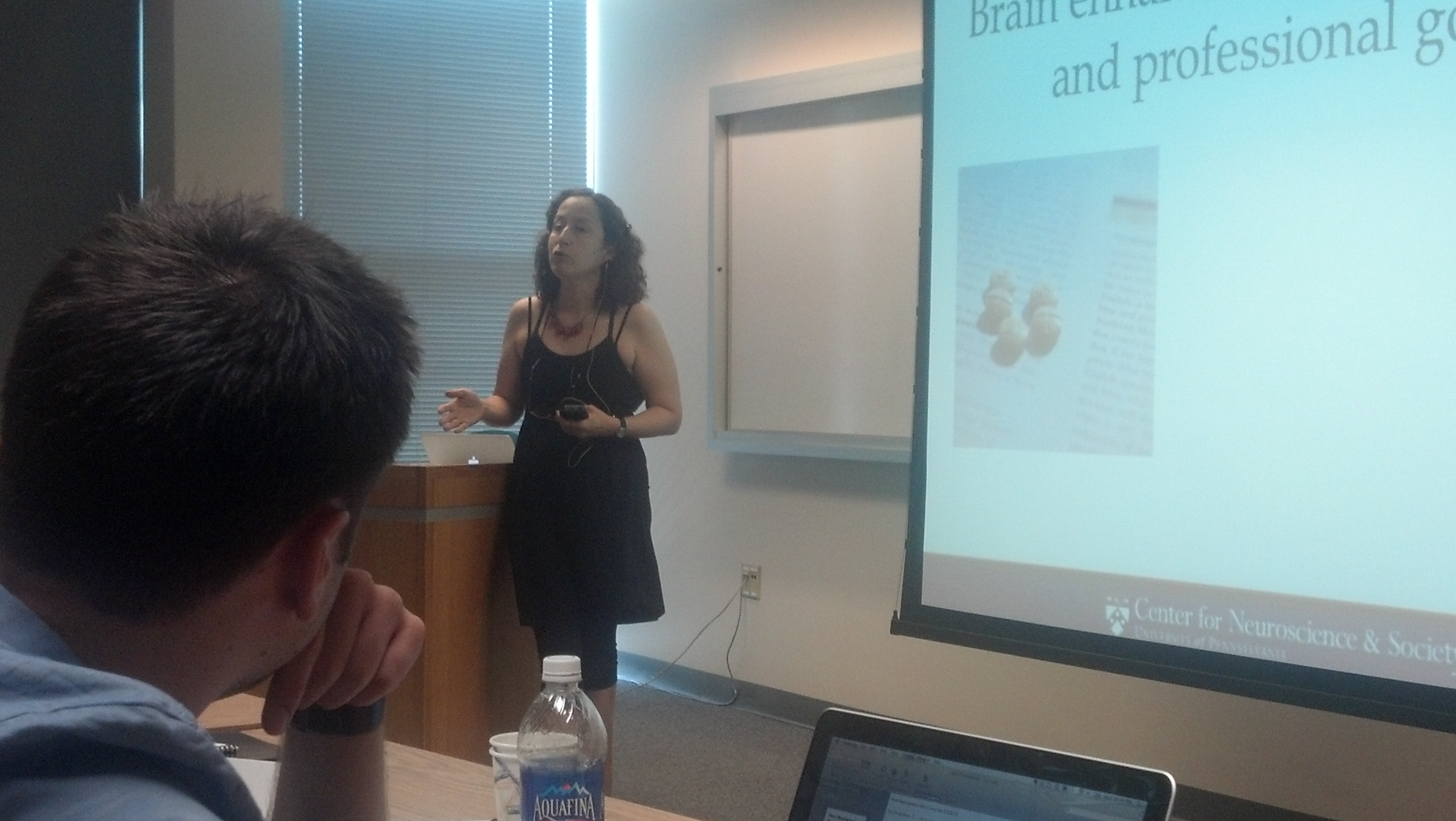
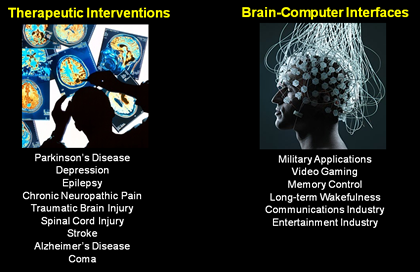
Farah provided a closing overview of the new ways neuroscience is interacting with society including examples of current and near-term applications of neuroscience in our lives through manipulating brain function and measuring brain function. And closed with a discussion of the neuroscience “worldview.”
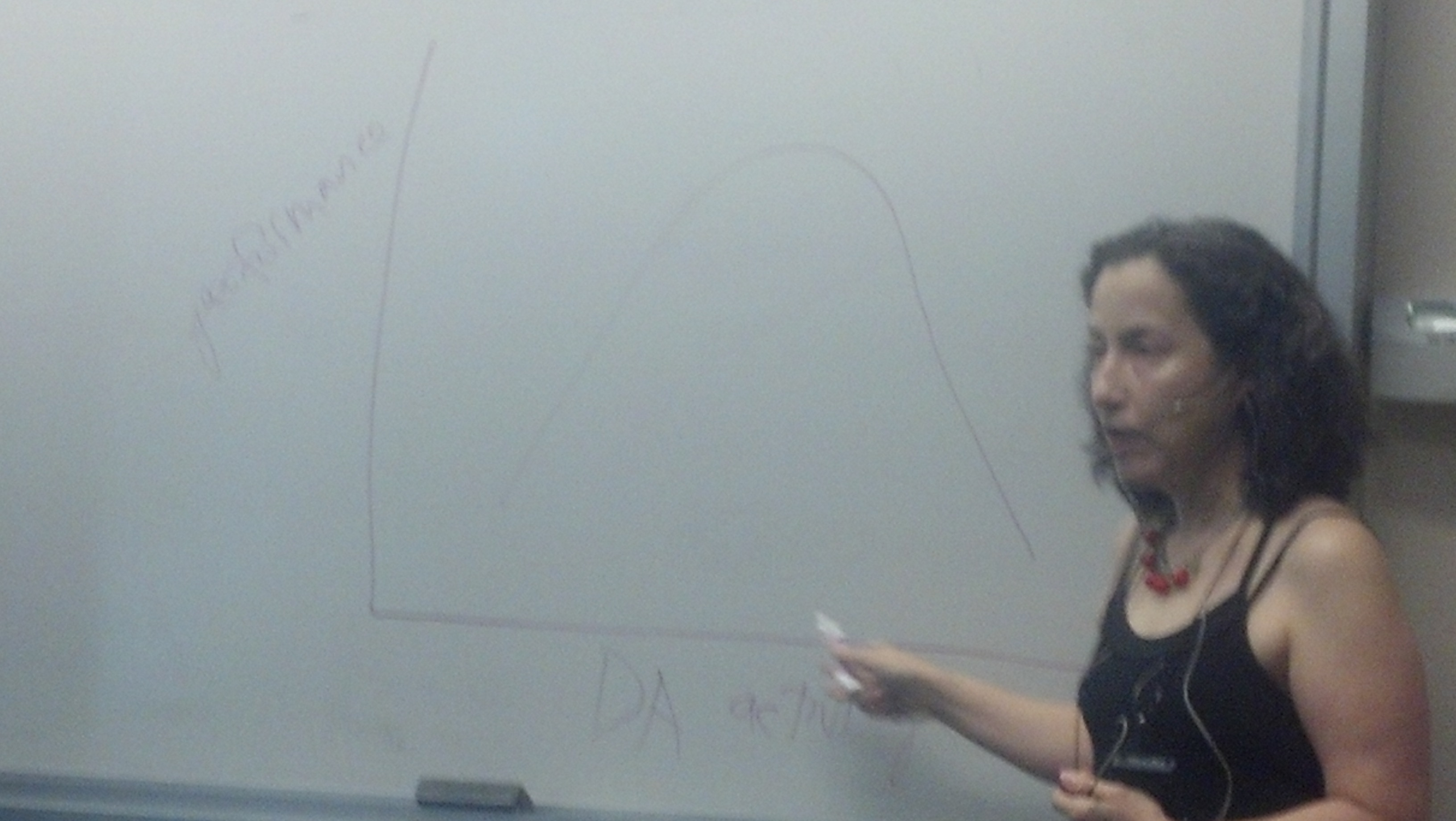
The first engagement revolves around the use of brain enhancement for personal and professional goals (using Adderall and Ritalin by college students to try to gain cognitive enhancement). Farah noted that other drugs have had a similar history of questionable practice (including coffee) but statistical and anecdotal evidence indicate a growing indicator that these drugs are being used “beyond therapy” or “non-medical” growth but actual surveys seem to be suspect. Drugs are used episodically when students need it either for a project or when they feel bored. What is fascinating is that drugs are not procured like street drugs but through friends and family. What is amazing is the studies are not conclusive that it is helpful in cognitive enhancement (as many null results and conflicted results) but may at least provide motivational “bonuses” (people “feel” smarter taking the drug). However, discriminating between the task at hand (writing a paper) and a social situation (talking with friends) tends to be the same so these drugs do not insure staying “on task” once taking them.  Is there any concern between people with ADHD vs. those who don’t? In Neurochemistry there are a lot of inverted “U” functions so that continued drug use (so dopamine increased in someone who is at optimized already results in a poorer performance).
FYI, caffeine does not interact with dopamine so it does tweak chemical pathways but differently.
A different drug used by adults is Modafinil (for doctors, pilots, hard-driving professionals) which helps people go a long time without sleeping without the normal cognitive/mood side-effects. I.e. those undergoing massive jet lag really recover. It has just recently gone off patent so it is cheap and easily prescribed by Doctors. Danger may be that adults may be harmed since it disconnects the “alarm” when we need sleep but may help others, like surgeons working at 2 am or pilots, cope well. Long term implications are unknown and there may be a social p roblem if professionals begin to “pressure” employees to work longer and harder using this resource. A side question emerged if lack of sleep also might mean a lack of memory consolidation… unknown. So, could we have “the greatest vacation we can never remember?”
Other issues emerged around other memory drugs in pipeline being designed to help older adults improve memory. They are on the way. Of interest is that most of the drugs that seem to enhance memory were not first used for something else first in psychiatry that seems to have incidental help (“me too” drugs) but actually designed for memory (probably with the hypocampus).
In addition people have explored how drugs help relationships (see book Listening to Prozac). An emerging class of drugs use of Oxytocin (and agonists) for relationships and other application. Oxytocin is a hormone in all animals best known for parent-child bonding as well as the bonding feeling following sex. The molecule does not easily cross the blood brain barrier but if you squirt enough of a LARGE volume across the nasal barrier it makes you more generous and giving than usual. Yes, altruism in a nasal spray (or, better, nasal air gun). However, there may be a perceived downside since the nurture focuses more toward an “in-group” but perhaps greater hostility toward other groups. However, some research demonstrates this drug may help autism so more information to follow.
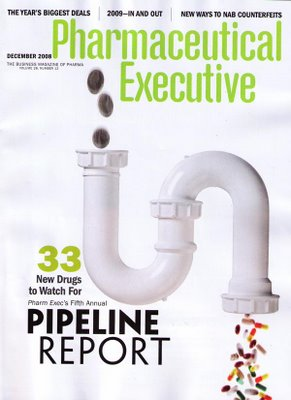
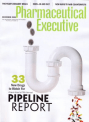 One issue discussed was the crisis in pharma that the pipeline is running drive in new drugs for psychological treatment. This change is motivating interest in noninvasive brain stimulation which raises new questions concerning basic science, clinical translation and Do it yourself communities.
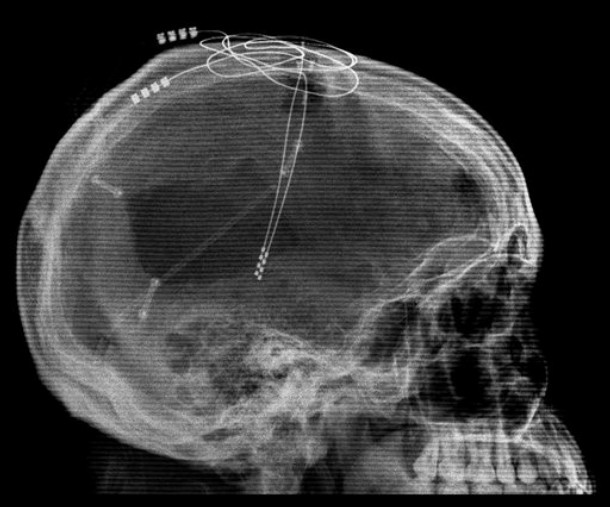
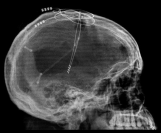 Of course there is also discussion about the role of deep brain stimulation (obviously for issues more than self enhancement). In US the approval is for the device not for treatment procedures. However the impact of DBS on depression has proven phenomenal (a kind of pacemaker for the head). See this site’s twitter feed for complementary readings.
Other technology and brain interfaces include the use of pulse related dbs and brain interface.
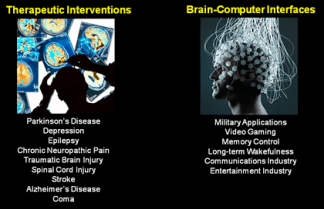
Farah also noted there may be other innovations using genetic interventions, stem cell and other neural tissue grafting, as well as interesting work in optogenetics (splicing in light sensitive genes into neural cells and by controlling for color you can fire different neural circuits) i.e. playing wavelengths of color to “play” neural pathways.
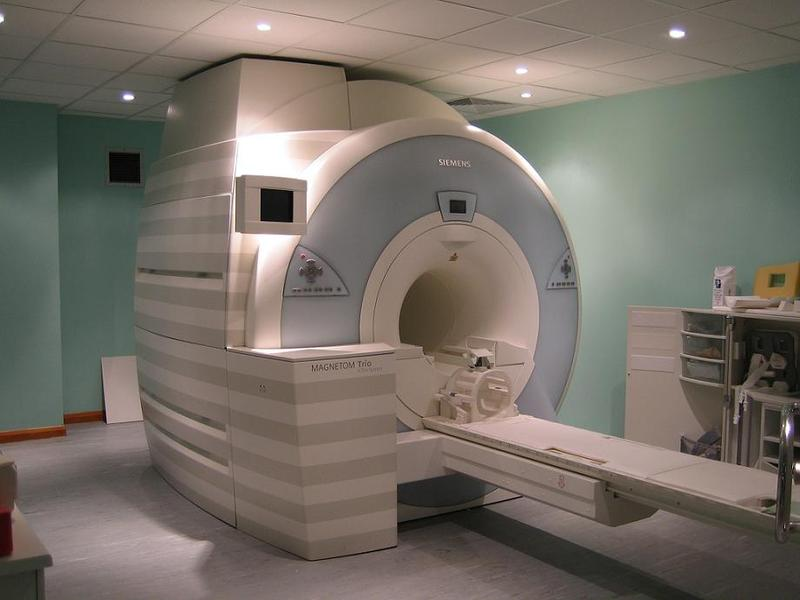
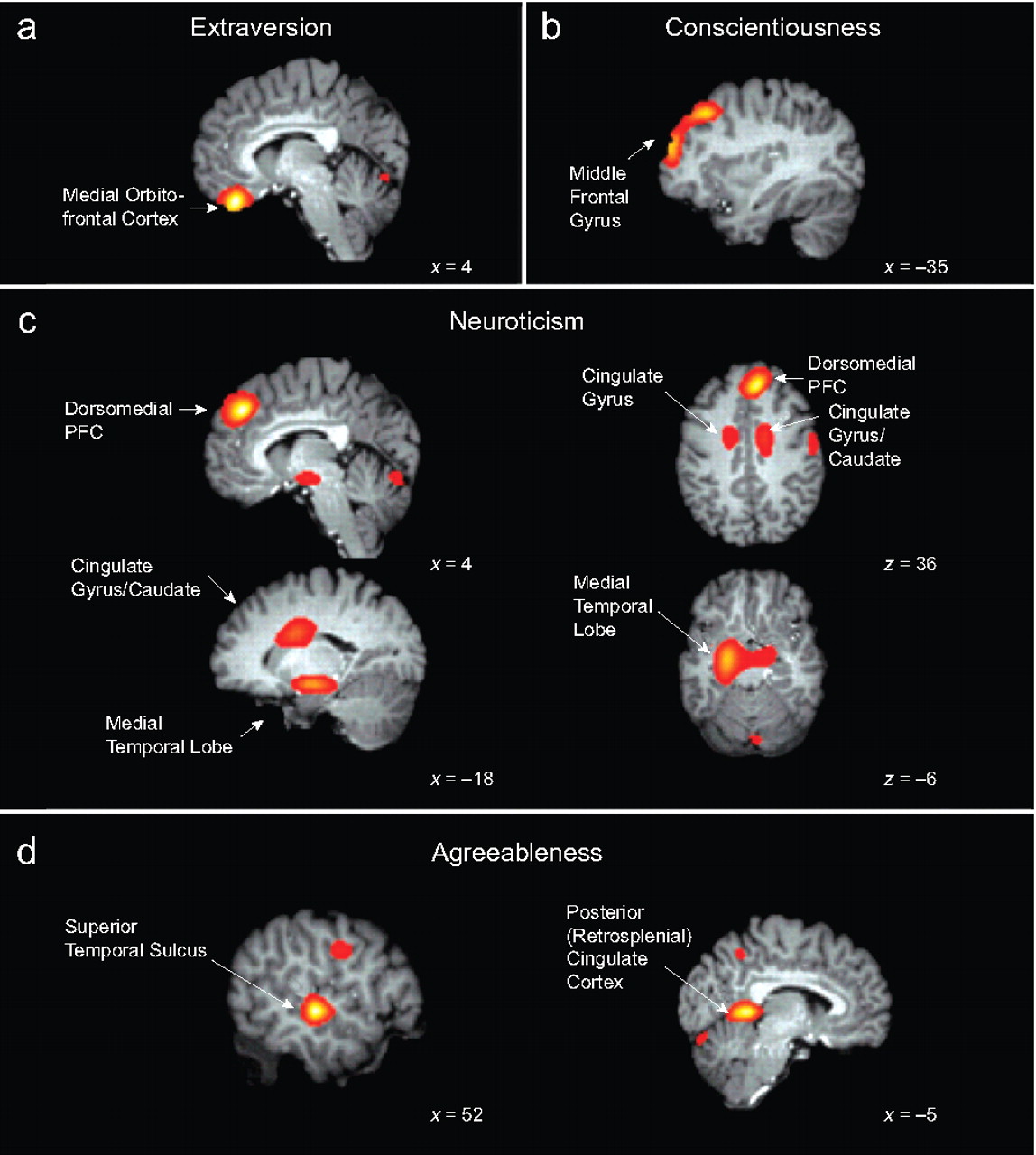
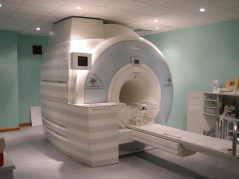 In addition Farah noted how imaging and other methods are being used in new applications, medical and non-medical for the future such as assessing awareness of non-responsive awareness. Unfortunately some people are using SPEC scanning and other scans for diagnosis (and people really abusing it). Of course that is problematic as the class discussed (just because a part of the brain “lights up” as the result of a disorder does not mean the disorder is the only thing that lights up that part of the brain… the standard logical fallacy of inference). This approach has also generated a lot of poor inferences (neuro marketing, family counseling, and brain based lie detection). Issues like variability in diagnosis, the difference between laboratory settings and real time actions/explanations, general population versus individual predictability, and even the standards for accuracy in court settings, create a number of issues that allow many questionable practices to continue while neuroscientists work through a range of research methods.