
Four Days of Surveying parents and children bringing moral integration theory into direct conversation with worship and prayer experiences of children









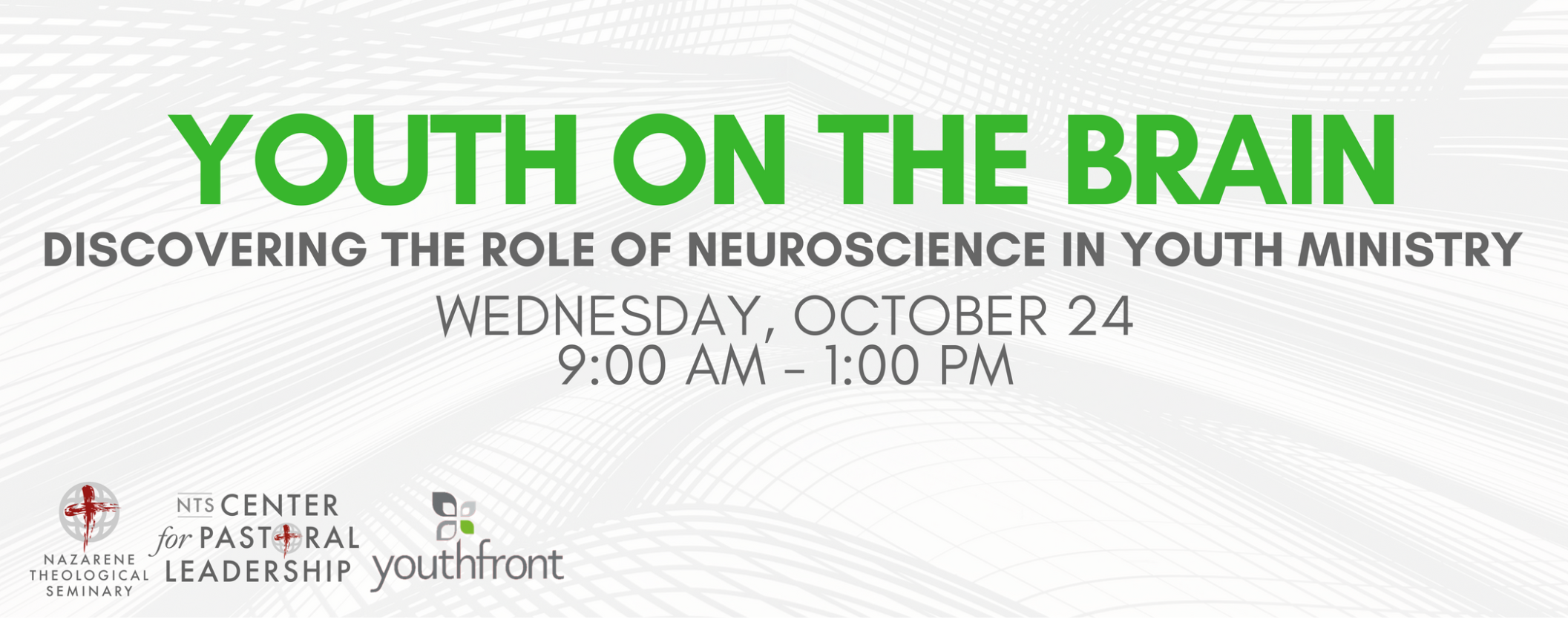 This Fall 2018 I will be providing a special learning opportunity for “both” local youth ministers/workers who live
  around the KC area “and” for global youth pastors or other concerned ministers intrigued by with how neuroscience might influence our understanding and ministry with youth.
  Recently I was invited to take part in an experiment hosted by Dr.
  technology and learning. This experiment included my watching several videos using VR Goggles. The videos really merely reflected different experiments with VR from simulations to live experience, often in remarkable settings.
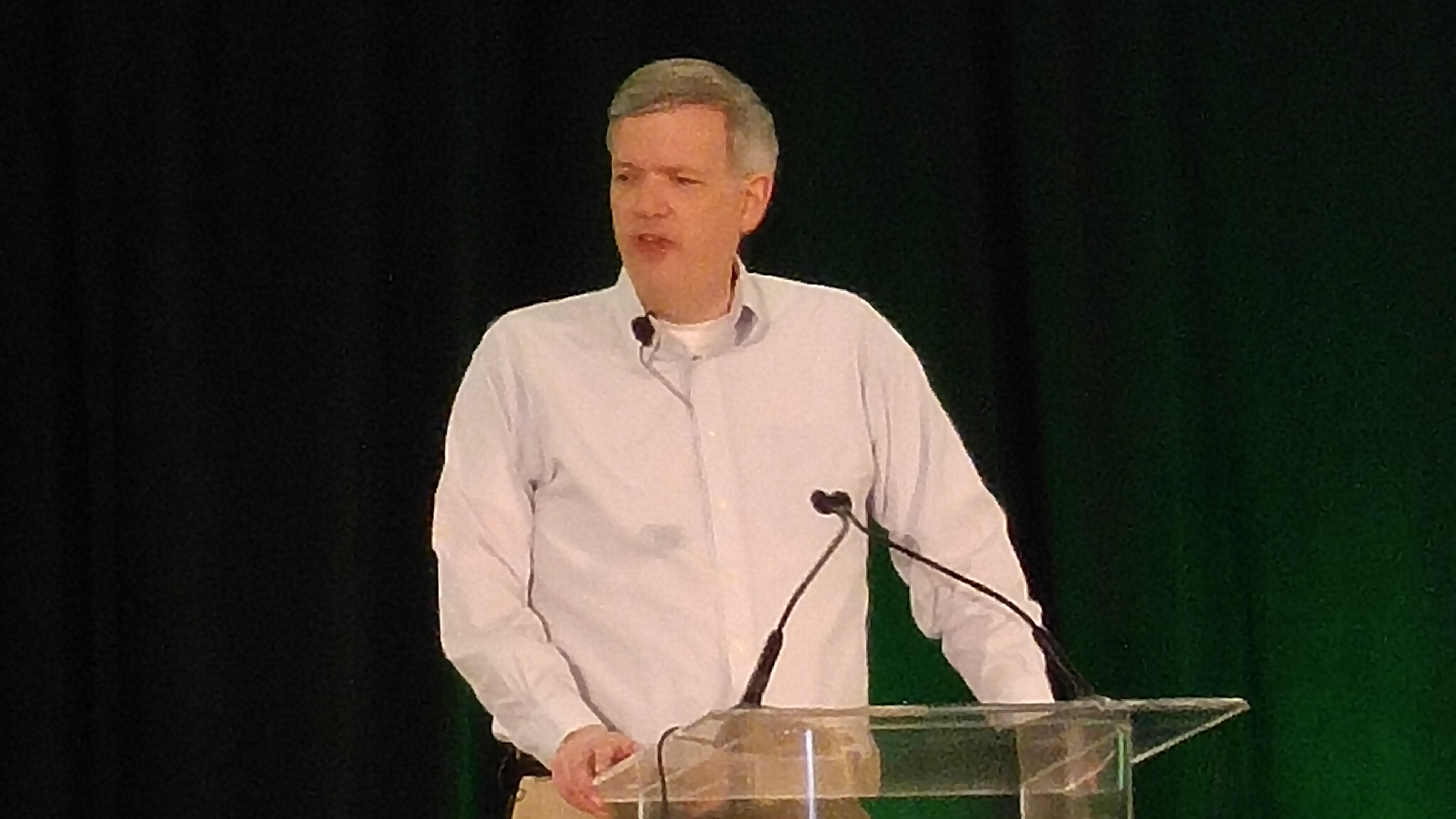
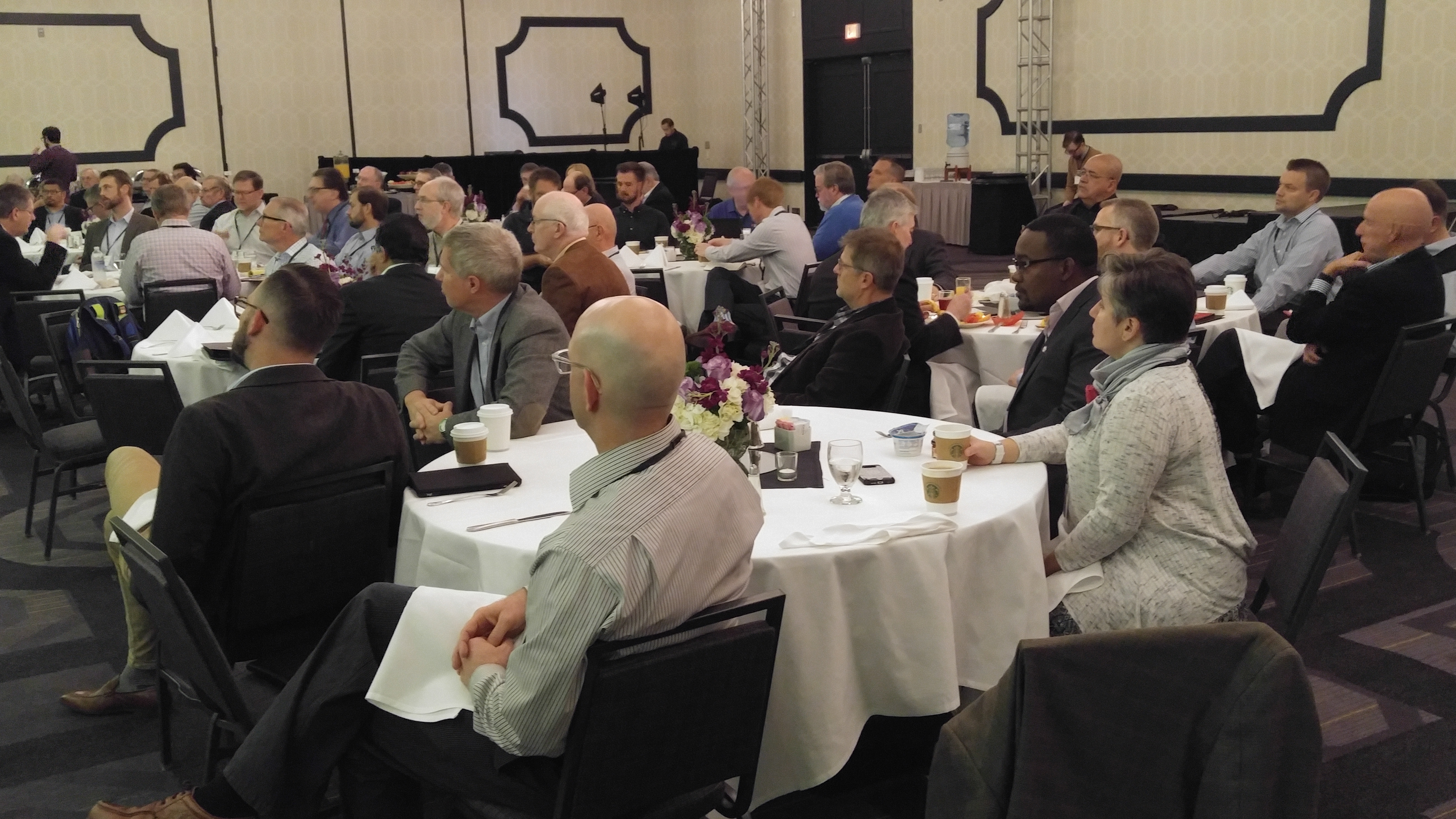
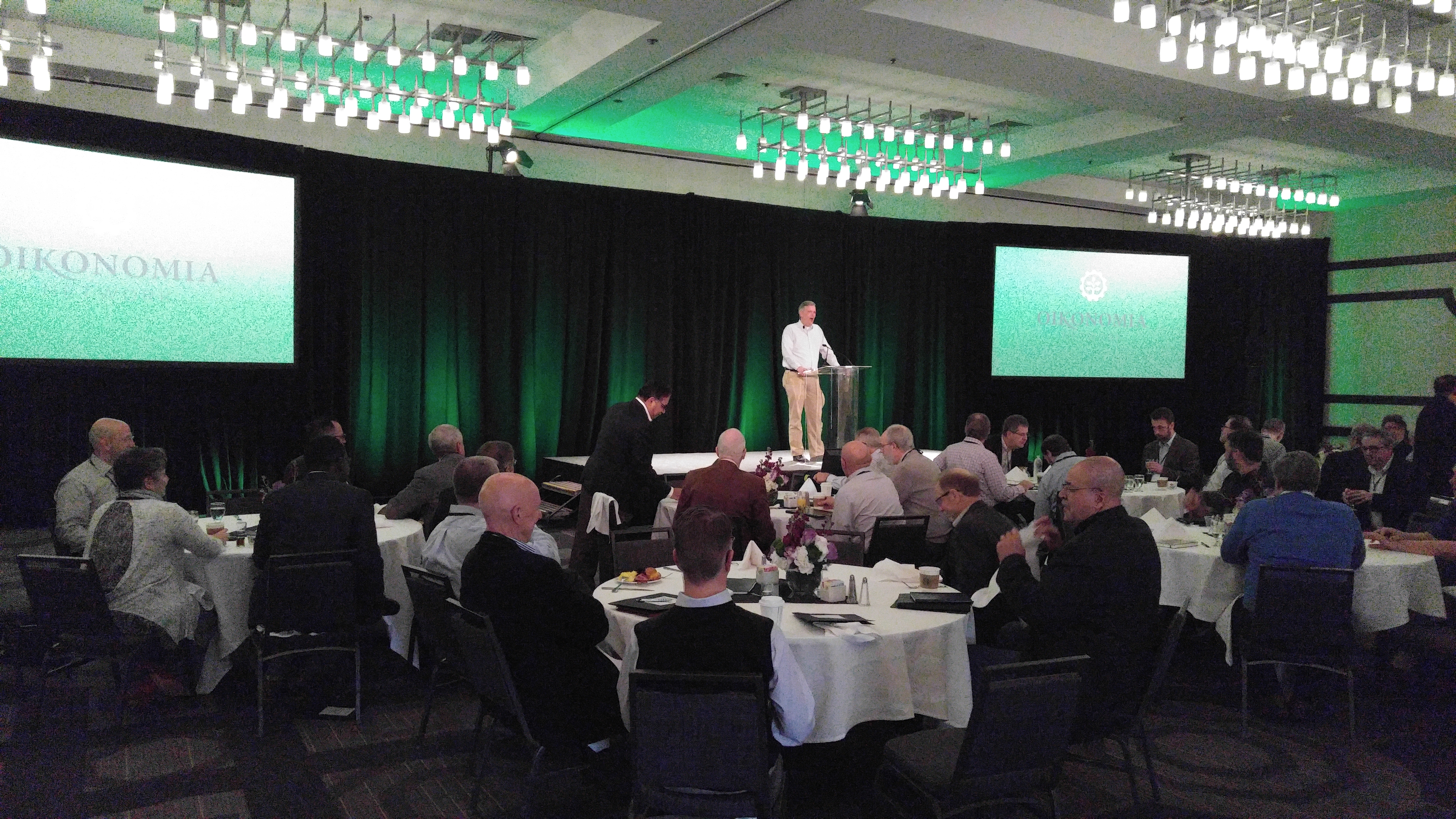 Greg Forster, with the Center for Transformational Churches at Trinity International University, opened the second day of the
  deeper levels of exploring faith, work, and economics in theological education. The Oikonomia Network also explicitly partners with the
  economic wisdom and human flourishing. Such efforts include Tom Nelson’s new book
 -
Recent Posts
- Nurturing Care Consultants Active at DATC Nashville Tour October 2, 2026
- Kayla Smith Teaching Trauma Informed Children’s Ministry October 1, 2026
- Nurturing Care at DATC Nashville Tour October 1, 2026
- Isabella Harding Honored September 22, 2026
- Nurturing Care at Preacher’s Conference September 22, 2026
Categories
- Autism
- Bible
- Children
- Clergy
- Continuing Education
- Culture
- Degree
- Design
- disability
- Discipleship
- Economics
- Entrepreneurship
- Family
- Global Theology
- Higher Education
- Homes
- Intergenerational
- Journals
- KC Nurturing Care
- Leadership
- Media
- MidAmerica Nazarene University
- Mission
- Moral Integration
- Nashville Nurturing Care
- Native American
- Neuroscience
- NorCal
- Northern California
- NTS Praxis
- Nurturing Care
- Pedagogy
- PLNU
- Practical Theology
- Preaching
- Preaching Conference
- Race
- Religious Education
- Research
- Scholarship
- Science
- Short Term Mission
- Social Media
- Spiritual Formation
- Technology
- Theological Education
- Theology
- Uncategorized
- Virtue
- Vocation
- Wesley
- West Coast
- Women
- Work
- Young Adult
- Youth
- Youthfront


_001.jpg)