#DATC2024 Disability and Church Conference open with worship. Sandra Peoples offers an opening session on “three reasons to be optimistic about Disability Ministry.”
1) churches, and church leaders are more invested particularly in “invisibility” disabilities like autism,
2) more seminaries/colleges are engaging (in 2014 seminaries/colleges reported 74% graduates were not prepared for these types of ministries),
3) the present ministries represented by the 500 people at this conference, breaking down barriers for the sake of inclusion and care. Glad #NTSwww.nurturingcare.org is joining this initiative.
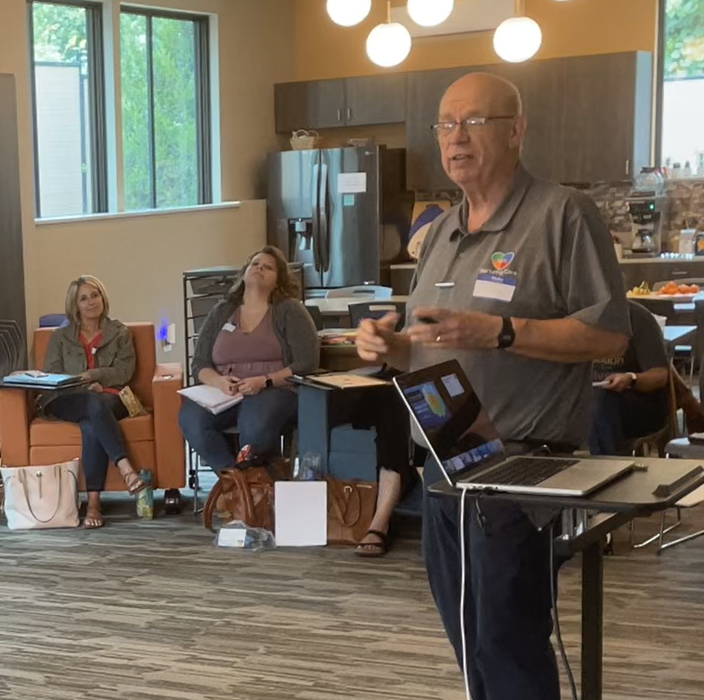
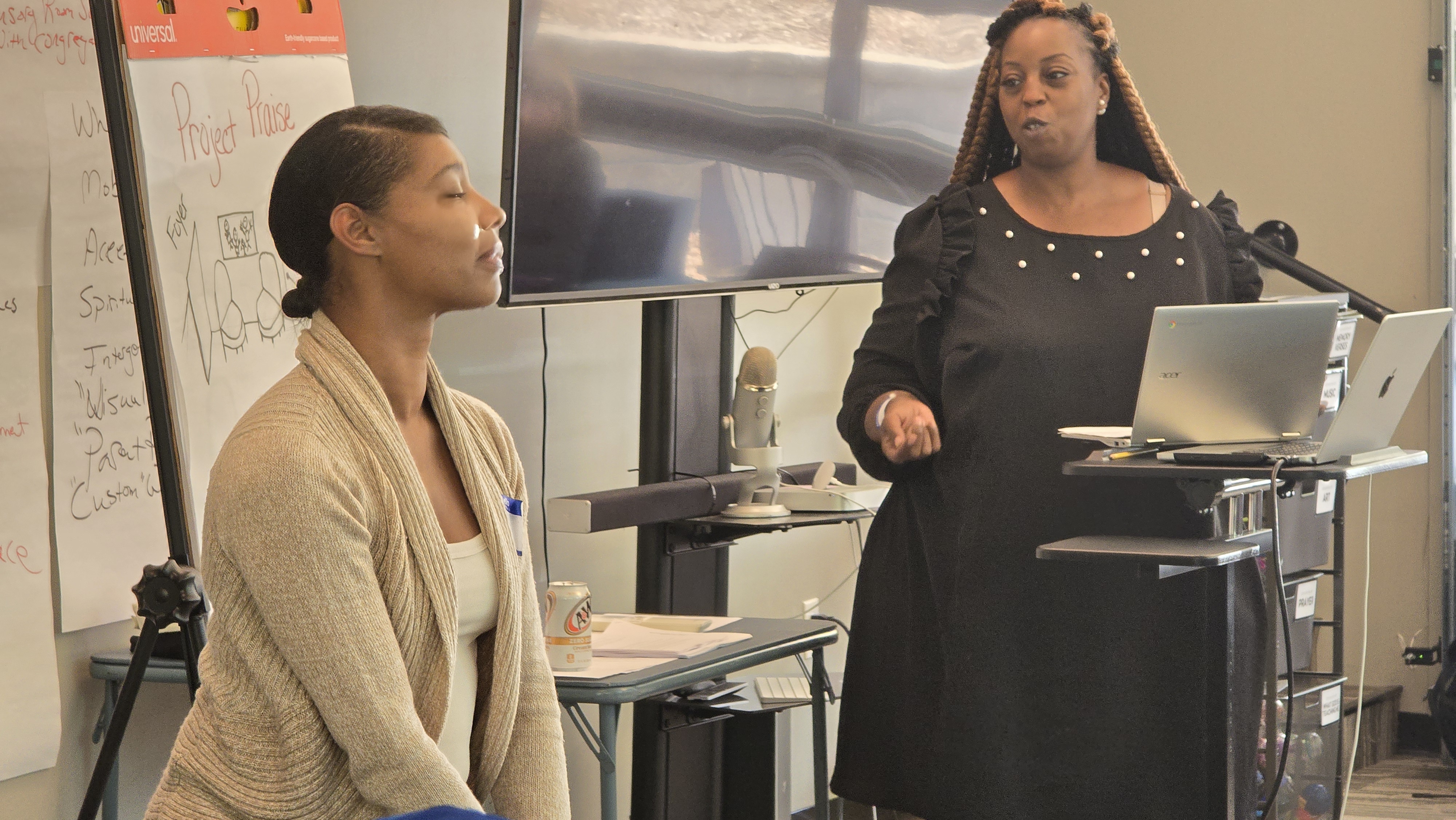
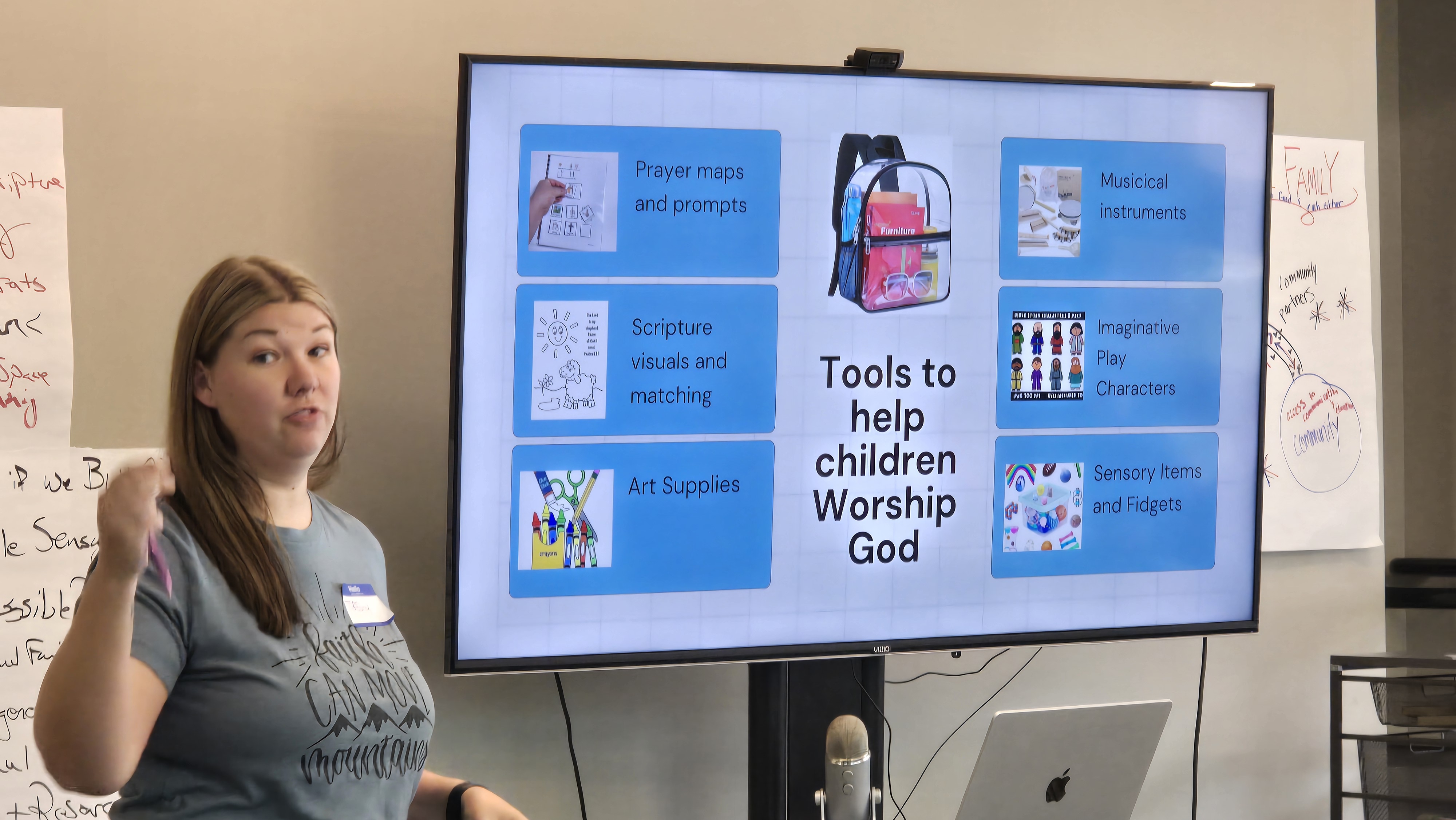
Opening ministry intensive at the #DATC2024 conference addressing the theme Accessible Gospel, Inclusive Worship: Ministry With Every One, presented by Victoria White of “With” Ministries & Dr. Erik Carter, Baylor Center for Developmental Disabilities, and With Ministries
The team offered ideas for presenting the Gospel message in ways that people of all abilities embrace, and worship practices that invite universal participation. Carter opens addressing the need, noting 70 million Americans, 1 in 5 individuals, experience some form of disability and 1 in 7 children in local schools engaging special education resources, while 50 percent of people over 65 have some profound physical limitations. So 1 in 3 families in any community have some encounter with disabilities. The trip underscores our #NTS Nurturing Care/KC initiative. https://www.nts.edu/nurturing-care/#KC
How important is faith to people with disability? Dr. Eric Carter notes the importance of faith remains pretty similar between people with disability and traditional church participants. Yet the ability to participate (at least once a month in a church) reveals a “gap” for the disabled. In a separate study, youth (as reported by parents) seemed to prioritize their participation in faith. However the parents of the same youth demonstrate just how important faith is in their lives. Yet approximately one third leave churches (usually after a prolonged period of alternating attendance, with one parent often remaining home with the disabled person). One challenge rests with congregations mirroring communities that previously tended more toward exclusion and segregation… rather than inclusion and belonging. Co-presenter Victoria White notes one of the key contributing factor is to include people with disabilities in leadership if a church seeks to change. #DATC2024.
Erik Carter continues the seminar on Believing and Belonging in Disability Ministry at the #DATC2024 Pre-conference. Carter unveils research that unpacks the dimensions of what true belonging reflects when disable feel they belong. The ten elements work collectively to move from inclusion to a full expression of belonging. Carter’s presentation was supported by Victoria White, director of With Ministries who incorporated biblical imagery to undergird all ten perspectives. Participants were invited to assess their congregational contexts to both celebrate what is working but also discover where to begin next.
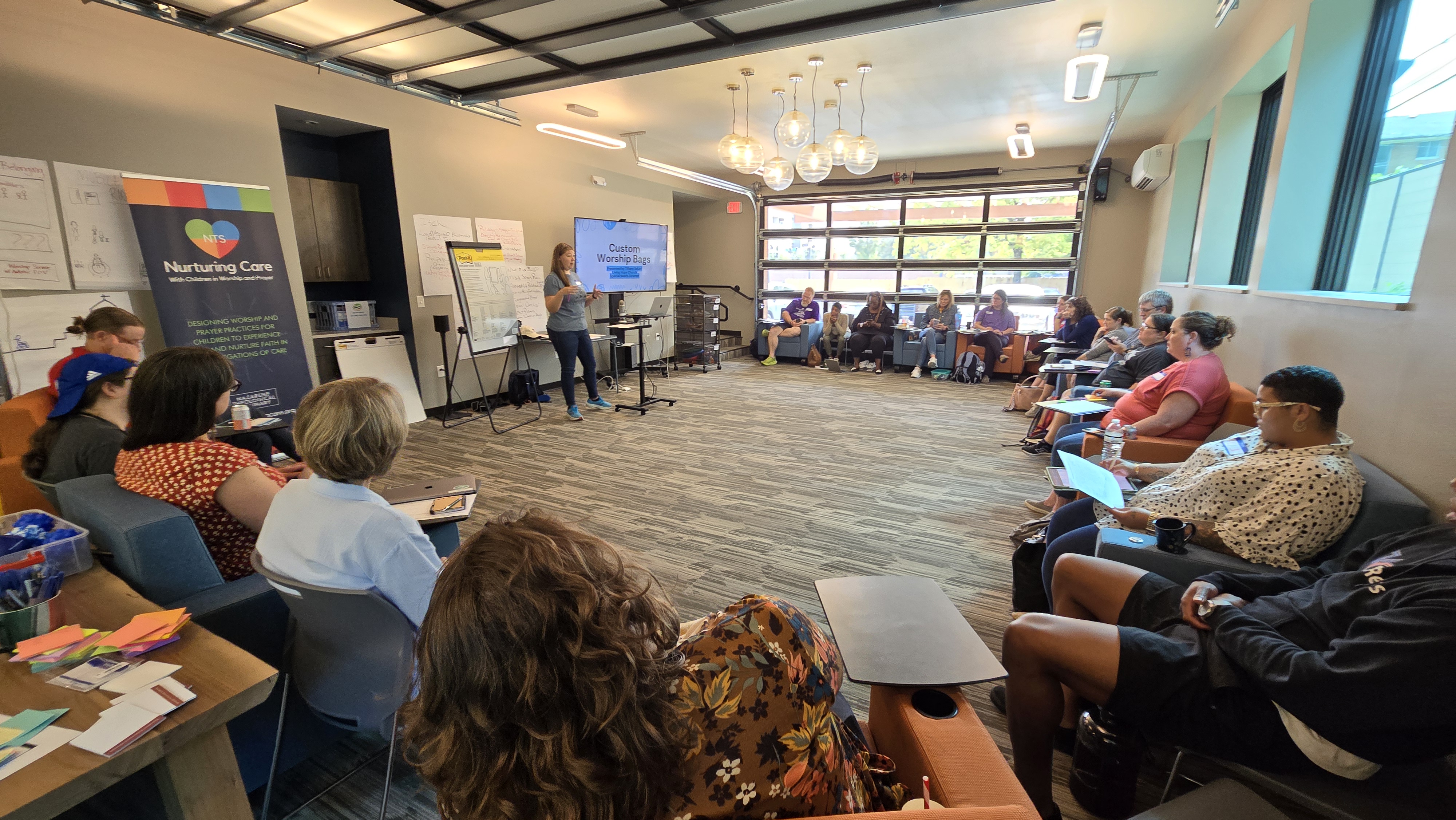
The Nurturing Care two day engagement with Northern California pastors reminds us that creativity requires hard work at times. The gathering of 20 ministers across seven churches resulted included people with definite passion and a deep awareness of their context and expressed passion for children.
Opening night included a brief orientation to our work together (using a variation of design thinking/learning as the backdrop), a time of choosing “words” that describe children and naming challenges the congregations face. Throughout the exercise the invitation was to find a problem worth exploring through new ministry strategies, rather than new solutions to apply. While focusing on elementary children’s experience of God remained center to the conversations, the group was also invited to consider how gratitude, giving thanks, could be woven into the projects.
The next morning afforded time to cluster congregations according to similar challenges and then invite those congregations to try to look for the underly theme or flow across those challenges that might provide a way forward. Never an easy task, the three groups began to coalesce around three themes:
The focus on children’s experience during congregational worship,
A concern of the distractions outside the church that often influence children’s Christlike identity and how prayer might respond,
And the simple practice of helping children “be seen” in congregations where children often are not a fully appreciated.
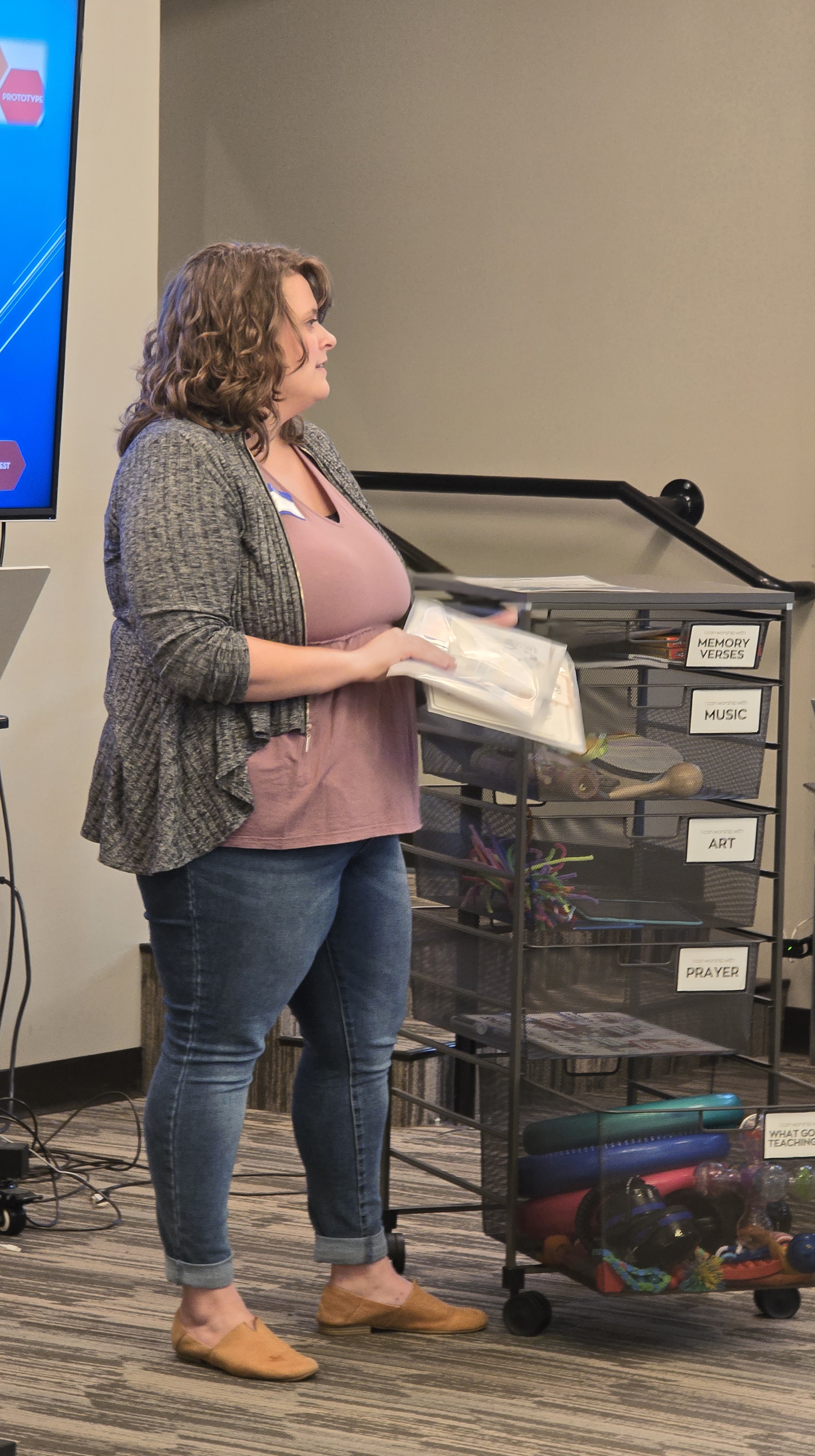
The next phase of the “work” of creativity entailed bringing churches “together” in setting up a working strategy/prototype that might address the varying needs. Much like the our California weather if intermittent sun and rain, there were bright spots and “cloudy moments” as people wrestled to bring general challenges, and myriad activities, into a semblance of a shared strategy or prototype.
Some groups struggled around the process and focus (how to balance distractions by adults with experiences of God and the question of infusing thanksgiving), others worked across language barriers and context (English/Spanish collaborations that entailed different congregational practice and use of space), and still others wrestled with integration of a new concept, prayer partners, alongside well established plans and protocols already in place. Design thinking allows for creativity across partnerships but can be daunting integrating various congregational practices. Often churches had to find the connectors (much like legos) but retain elements true to their worship flow or physical setting. Two examples emerged.
One of the most intriguing concepts was the creation of a children’s “Garden” where children’s could be seen through their expressions of creativity in one setting where the congregation has “space” to engage, while a different worshiping community “rents” from an existing congregation. The partners worked toward a conversation around bridging the gardening experience with worship so that both congregations might find points of intersection.
A second challenge emerged with two congregations seeking to empower children in worship yet one church already includes children in worship throughout the service and the other congregation seeks to introduce children during the entire worship session. Balancing the need to prepare adults alongside empowering children brought different questions, as did wrestling with making gratitude a central focus or merely as secondary theme.
As the Nurturing Care team introduced the guidelines for preparing for the mini-grants, fresh questions arose whether some ideas really require funding or actually might prayer partners be introduced without additional funding? Investment and stewardship raised fresh questions alongside the difficult of partnering across long distances between churches.
Which funded projects will finally emerge will not be known for several weeks. Churches need time to take their final strategy/prototype and determine which activities deserve the greatest attention and which “steps” within those activities require specific funding. During this phase there may be opportunities to coach and even find additional ideas that remained unspoken or unforeseen at first (as happened in Kansas City). I suspect this next phase will include additional “cloudy” moments of parsing through the strategy… but hopefully with some sunshine and even a rainbow of hope at the end.
Overall we hope that grants will empower at least four of the seven churches to find a way forward working together, perhaps more. Time will tell. Still, the retreat itself yielded insights, ideas, and activities that may well be used time and again within each congregation. Hopefully the hard work of these caring pastors will bear fruit for the future.
A beautiful morning at Christ Community Church in San Ramon after a rainy night. A LOT of group work trying to find a challenge neither too big, nor too simple, to explore…not solve… today. Thankful for the creativity and leadership in the room as we explore prayer and worship opportunities, and interweave how we might incorporate Thanksgiving/gratitude in our efforts. Ready for a lunch break!
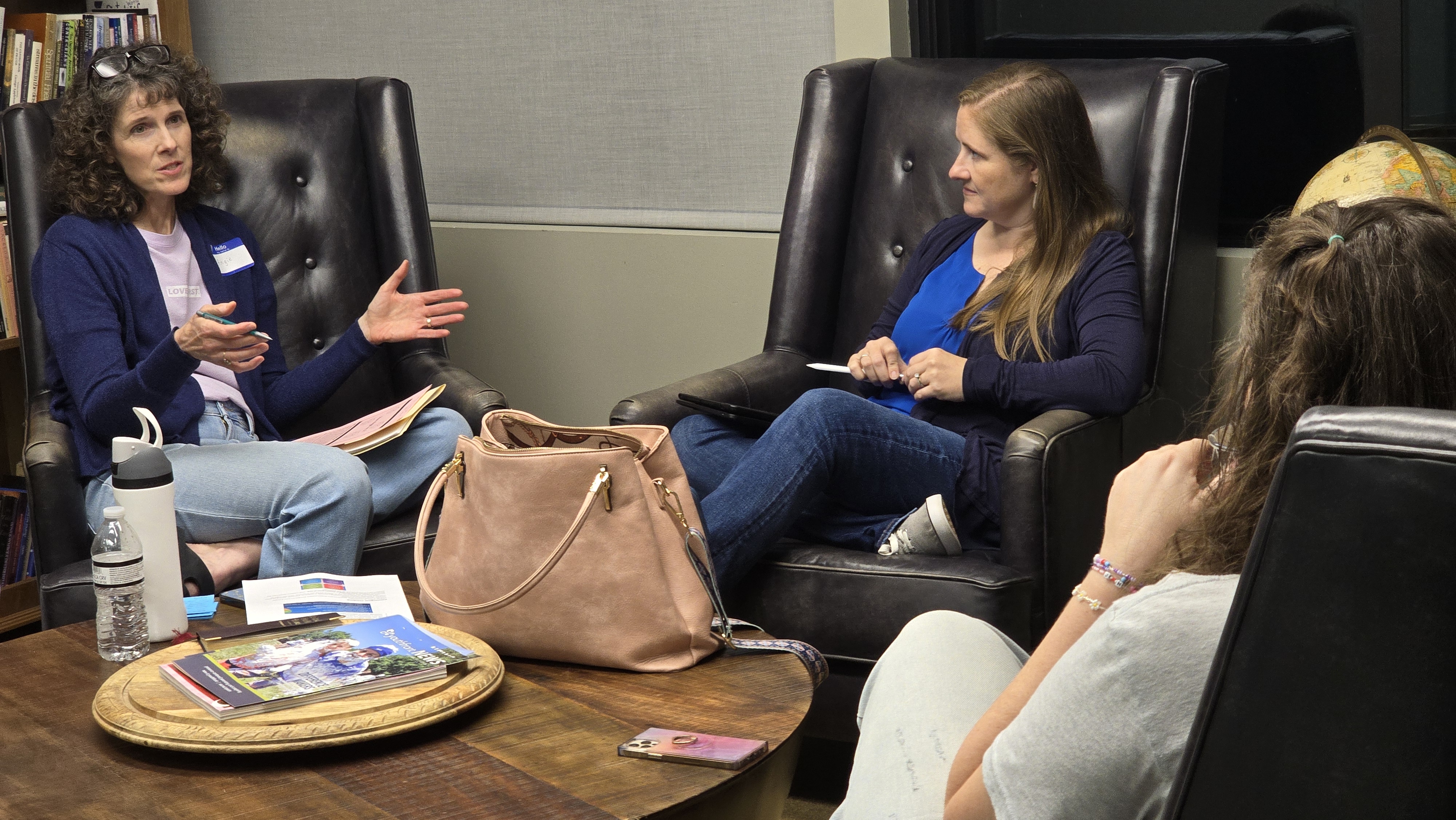
A great first evening with ministers on the Northern California District as part of the #NTS Nurturing Care NorCal Initiative https://www.nts.edu/nurturing-care/#NorCal. Tonight was basically an introduction to our work together by asking, in a world of “shoulds,” “oughts,” “cannots,” and “prohibited” mindsets… “how might we?” How might we foster experiences of God among elementary ages children from diverse settings while fostering a deep sense of gratitude and care among the children and adults in our conversations.
The first exercise really entailed a process of “naming” children we knew: the experience they have had, the hopes and expectations they might hold, the challenges they might face in their journey, the concerns and questions they might raise in their journey.
After discussion we merely gave one to two single “words” that summarized the journeys of the children represented in the narratives shared. Those words began to place children in the middle of the table discussions and later placed as words of devotion for our efforts going forward.
The next phase really began our process of where the congregations will:
Name Challenges
Find Problems worth exploring
Develop Strategies to find solutions
Build Partnerships with Mini-grants for support
Tonight we closed with challenges, naming a number of challenges and problems, but then selecting the one challenge or problem that might hold the promise of finding strategies to explore over the rest of the retreat and across the next year. Participants were reminded the retreat is designed to leave with a Strategy to explore, not a solution to implement. Hopefully we will have some great strategies tomorrow that will inspire partnerships across the congregations represented.