
-
Recent Posts
- Nurturing Care Consultants Active at DATC Nashville Tour October 2, 2026
- Kayla Smith Teaching Trauma Informed Children’s Ministry October 1, 2026
- Nurturing Care at DATC Nashville Tour October 1, 2026
- Isabella Harding Honored September 22, 2026
- Nurturing Care at Preacher’s Conference September 22, 2026
Categories
- Autism
- Bible
- Children
- Clergy
- Continuing Education
- Culture
- Degree
- Design
- disability
- Discipleship
- Economics
- Entrepreneurship
- Family
- Global Theology
- Higher Education
- Homes
- Intergenerational
- Journals
- KC Nurturing Care
- Leadership
- Media
- MidAmerica Nazarene University
- Mission
- Moral Integration
- Nashville Nurturing Care
- Native American
- Neuroscience
- NorCal
- Northern California
- NTS Praxis
- Nurturing Care
- Pedagogy
- PLNU
- Practical Theology
- Preaching
- Preaching Conference
- Race
- Religious Education
- Research
- Scholarship
- Science
- Short Term Mission
- Social Media
- Spiritual Formation
- Technology
- Theological Education
- Theology
- Uncategorized
- Virtue
- Vocation
- Wesley
- West Coast
- Women
- Work
- Young Adult
- Youth
- Youthfront
Moral Integration Retreat Session Two
Posted in Moral Integration, NorCal, Nurturing Care, PLNU, West Coast
Tagged #NurturingCare, #PLNU, #WestCoast, Children, ministry, Moral Integration, NorCal, NTS, Nurturing Care
Leave a comment
Moral Integration Retreat Begins!
Posted in NorCal, Nurturing Care, PLNU, Virtue, West Coast
Tagged #Care, #NurturingCare, #PLNU, #Virtues, #WestCoast, Children, ministry, Moral Integration, NTS
Leave a comment
Moral Integration Discussion and Debrief
Posted in Moral Integration, NorCal, Nurturing Care, PLNU, West Coast
Tagged #NurturingCare, #PLNU, #WestCoast, Children, ministry, Moral Integration, NorCal, NTS, Nurturing Care
Leave a comment
Spelling 2 Communicate Update
An update from Stephanie Answer at New Community Church, one of Nurturing Care’s grant participants.
Posted in Autism, Children, disability, Intergenerational, KC Nurturing Care, Nurturing Care, Pedagogy
Tagged #NurturingCare, Autism, Children, disability, mental-health, ministry, NTS, Nurturing Care
1 Comment
A Christmas Story Worth Re-Telling
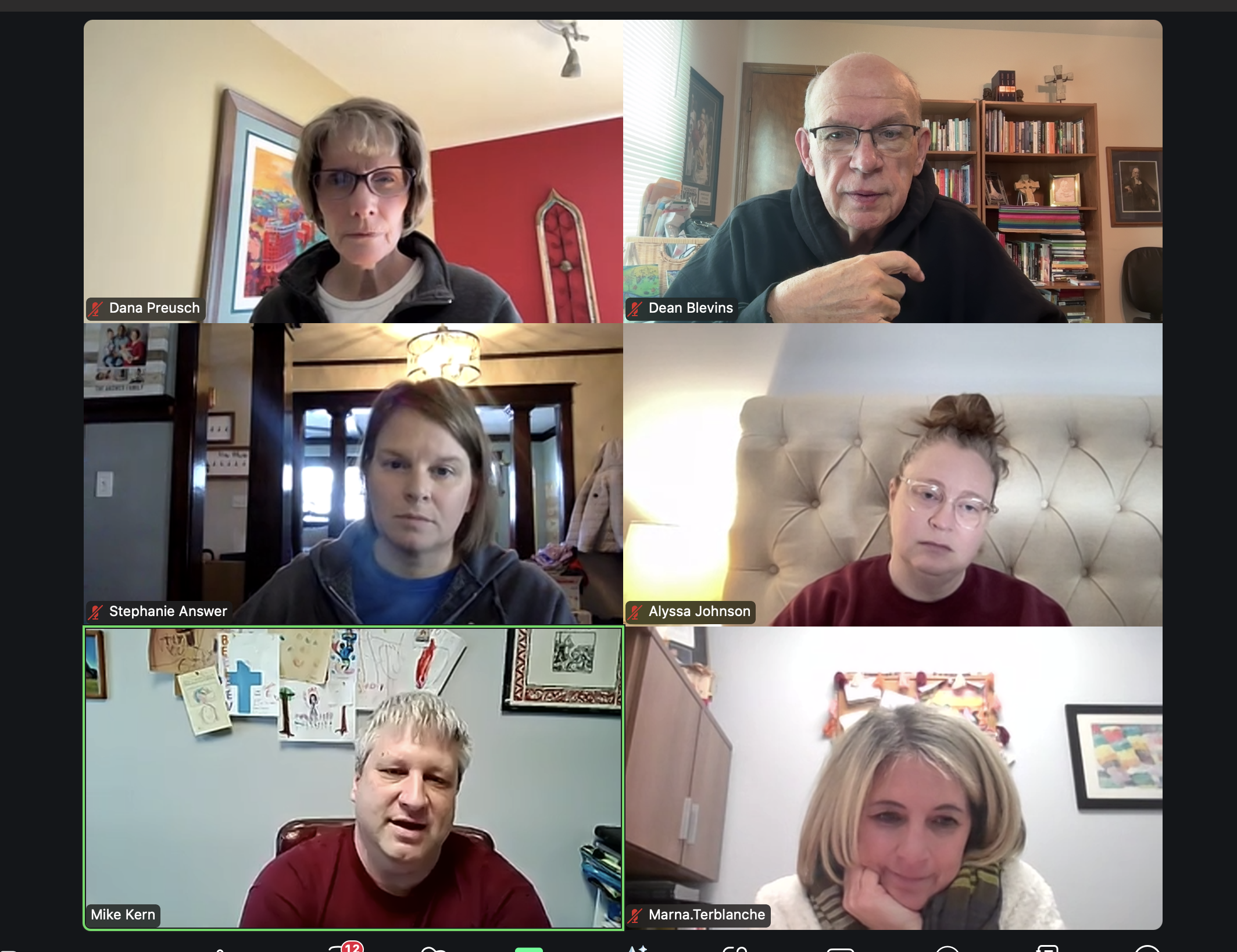
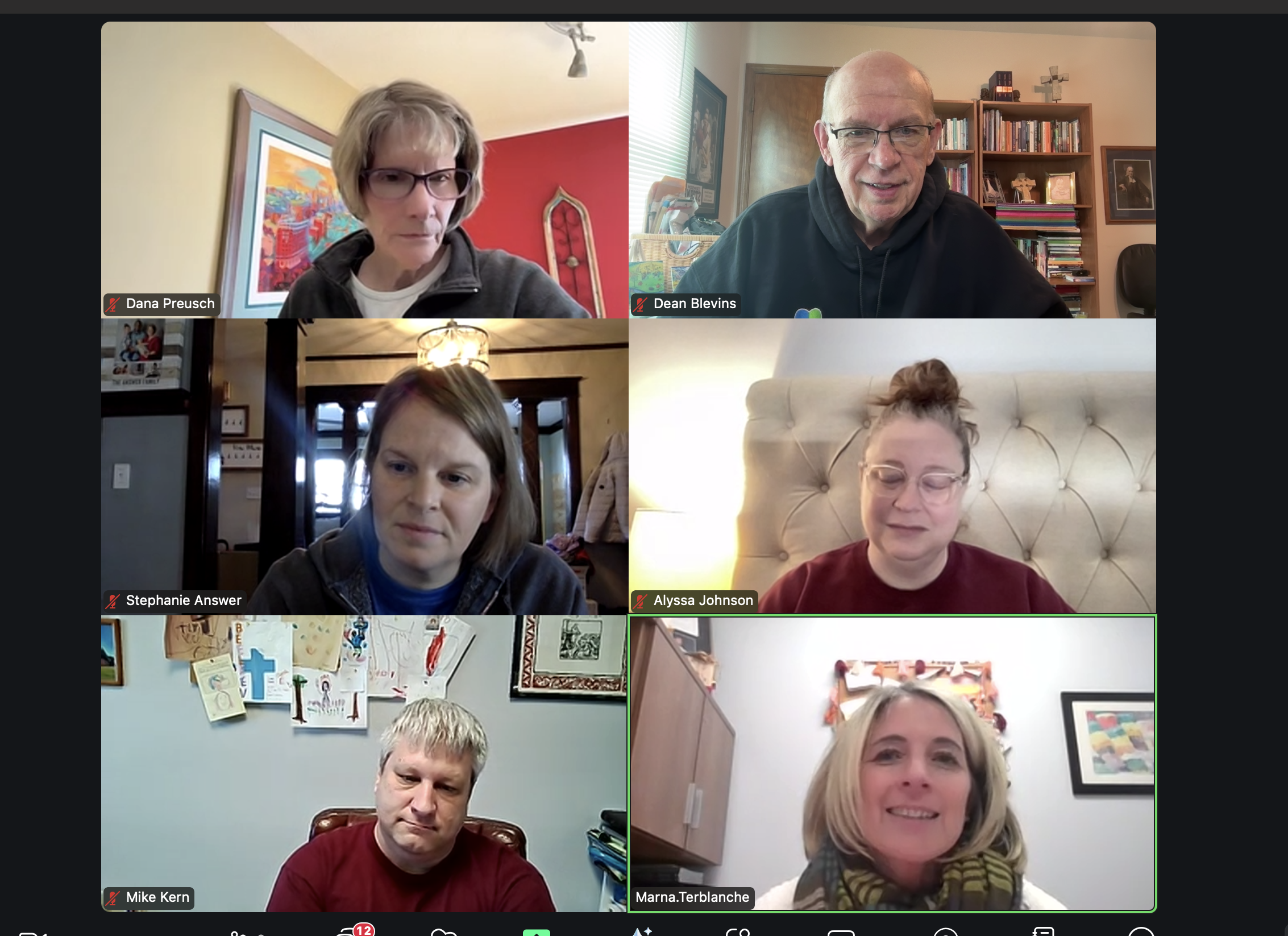
The New Year rang in another gathering of Nurturing Care grant participants from our Kansas City initiative. The zoom gathering, masterfully led by Dr. Dana Preusch, included several upcoming events (see below), and an intriguing conversation around our attentiveness to special needs children during unique worship services, both painful moments and special events. Hosanna! Lutheran pastor Michael Kern shared his experience of having a conversation with a parent who was concerned about her child’s special needs during a memorial service for a lost loved one. Mike discussed how they could make the service more accommodating for the child and offered to help the parent find a more inclusive congregation in her area. The conversation ended on a hopeful note, with the parent feeling relieved and excited about the possibility of a better experience for her child.
Marna Terblanche, Director of Matthew’s Ministry and a grant recipient, shared a Christmas story worth re-telling for everyone. Marna writes, This past Christmas, I was reminded that, having preconceived ideas about children/individuals with disabilities and what they’re capable of will negatively impact your ability to properly serve them with grace and humility. During the many Candlelight Christmas Eve (CCE) services, Matthew’s Ministry opened the sensory classroom for two of the services and invited individuals with disabilities of all abilities and ages to the room since the Children’s and Student Ministry was not offering programming.

Two of our ministry children who typically attend regular Sunday school (with 1:1 support) joined us in our sensory classroom and had the best time playing with one another! We are so used to children playing parallel to one another as opposed to with one another, that it caught me by surprise when they were appropriately interacting with one another. As I continue to develop our prototype (training material for volunteers) made possible by the grant, this CCE experience will have a significant impact on the message shared with trainees regarding caring for and supporting children with disabilities.
Marna’s Christmas Eve “gift” reminds us all that our call to care for children includes their giving to us in the most unexpected moments.
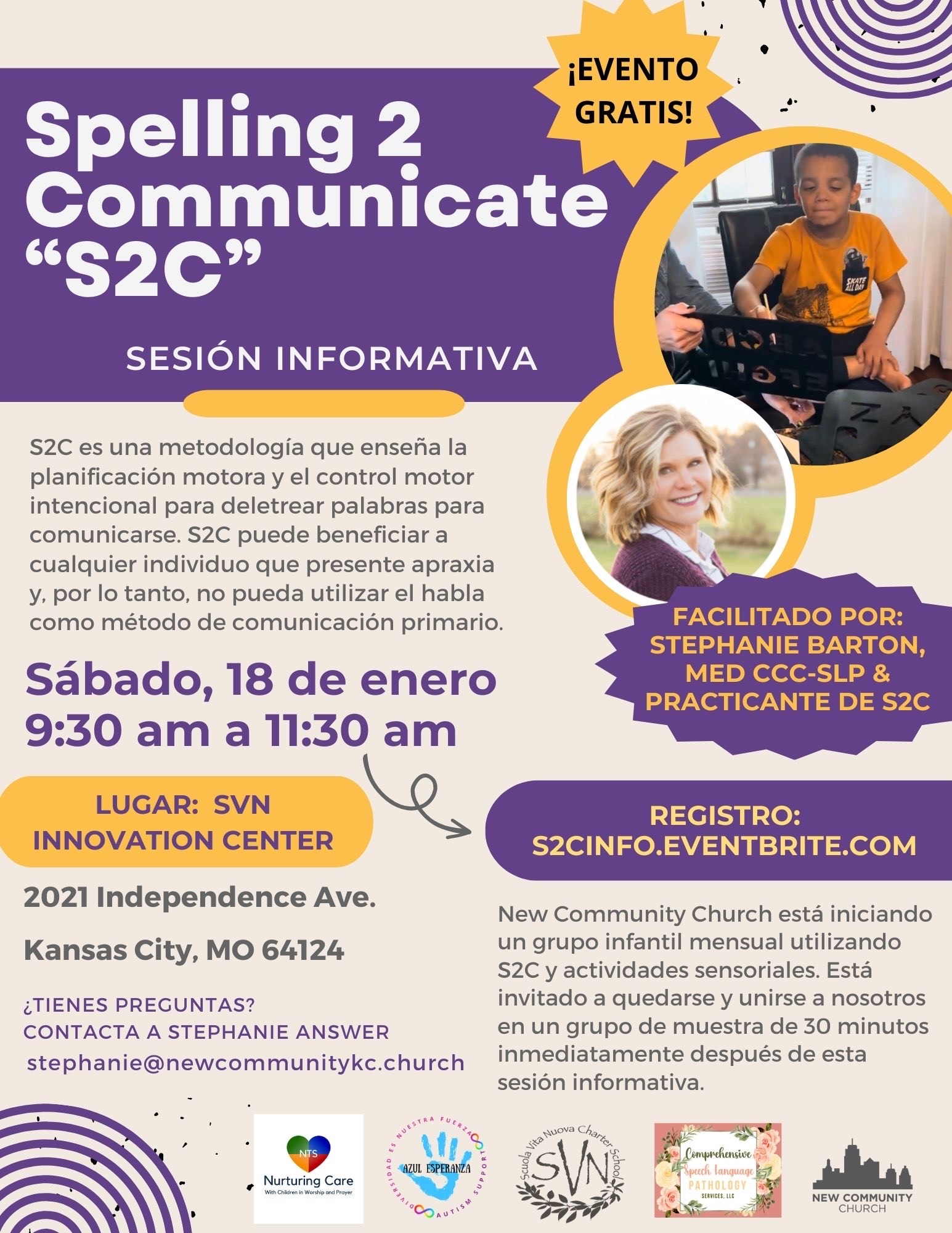
As noted, Kansas City has three events coming that address autistic children and their parents. The first, on January 18 continues Nurturing Care’s support of churches engaging minimally or nonspeaking children with another information session by Stephanie Barton and New Community Church. Listen to a recent interview with Daryl and Stephanie Answer about their journey with Kian at this podcast.
https://rephonic.com/episodes/3klhf-pathways-to-communication-daryl-kian-and-ste

The second event occurs on Nazarene Theological Seminary’s campus as we host our second annual Day of Learning with Dr. Amy Jacober a renowned author and educator on disability, youth, and mental health. Dr. Jacober, the author of Redefining Perfect: The Interplay Between Theology and Disability (Wipf and Stock, 2017), is a minister and theologian with over 20 years of teaching experience. She has taught graduate, undergraduate, and professional students, focusing on how faith, culture, and systems shape our understanding of individuals. Known for connecting beliefs with practical actions, Dr. Jacober bridges the gap between theory and practice in her work. The event occurs from 9:00 am to noon with lunch following. Register Online: nts.edu/day-of-learning

Finally Matthew’s Ministry will host Ron Sandison, author, speaker and minister with Autism will visit the church on Saturday, April 5th in the Foundry at the Resurrection Leawood location for a morning of family friendly, informative conversation addressing parents around ministry to children and teens. The event will start at 10am and Ron’s 2 sessions will roughly last for about 1.5 hour each (15 -30 min break in between). For more information go to https://my.resurrection.church/Registration…

A busy spring of events but also look for more stories as our Nurturing Care participants gather and share how God is at work in the midst of neurodiverse children, often where we least expect it.
Posted in Autism, Children, disability, KC Nurturing Care, Nurturing Care
Tagged #NurturingCare, Autism, Children, disability, faith, ministry, NTS, Nurturing Care, parenting
Leave a comment


