
While taking a vacation from Discipleship Commons, I have been busy on a new blog
http://kcfcmissionparaguay.wordpress.com/

While taking a vacation from Discipleship Commons, I have been busy on a new blog
http://kcfcmissionparaguay.wordpress.com/
 Following the end of the Global Theology Conference the work continued in meetings of the International Board of Education, including debriefing the structure and flow of the event. I am sure that those insights alongside others will help
  in future conferences. In particular there is a deep desire to see how each global region will carry forward the information from this conference to their constituencies. Hopefully the conference will provide an impetus for that possibility and the conversations in those settings influence a future global theology conference.
There are a number of unsung heroes at this event.  Greg Crofford with the Africa Region of the Church of the Nazarene recognized (right to left) the invaluable work of the Linda Braaten, Barb Najarian, and Tammy Condon. Alongside them, the rest of the Clergy Development staff needs recognition: Dana Porter, Carol Rittenhouse, and Stan Rodes. Our several translators, including Phil Rodebush, and particularly Angel Siguir and Simone Twibell need recognition for the hard work of translating not only the conference but two additional meetings (no easy task!).
 Two unsung heroes were Brad Firestone and Josh Williams who worked tirelessly to update the internet system at the retreat center
 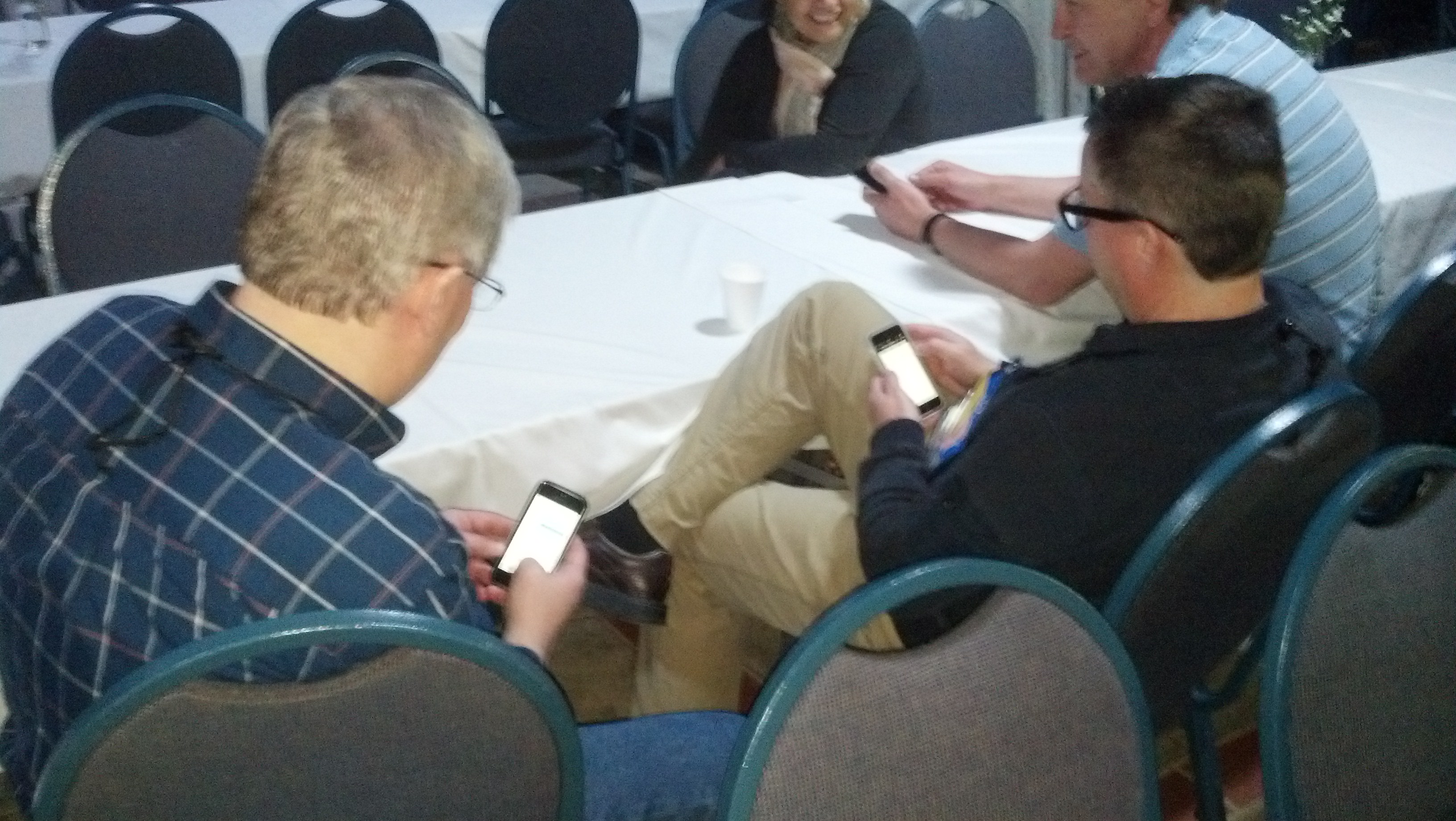 and the college so that participants could maintain academic and administrative responsibilities…
  and even report on the conference. Of course, the hospitality of the Good News Center need be mentioned as well.
While there were a number of memorable moments, including times of recreation that actually bonded conference members as much as the times of intentional theological  conversation. The full impact (and mandate) from the conference surfaced Sunday morning as I attended worship at Trinity Church of the Nazarene on the campus of Nazarene Theological South Africa in Mulderdrift. While adjacent
  to the Good
 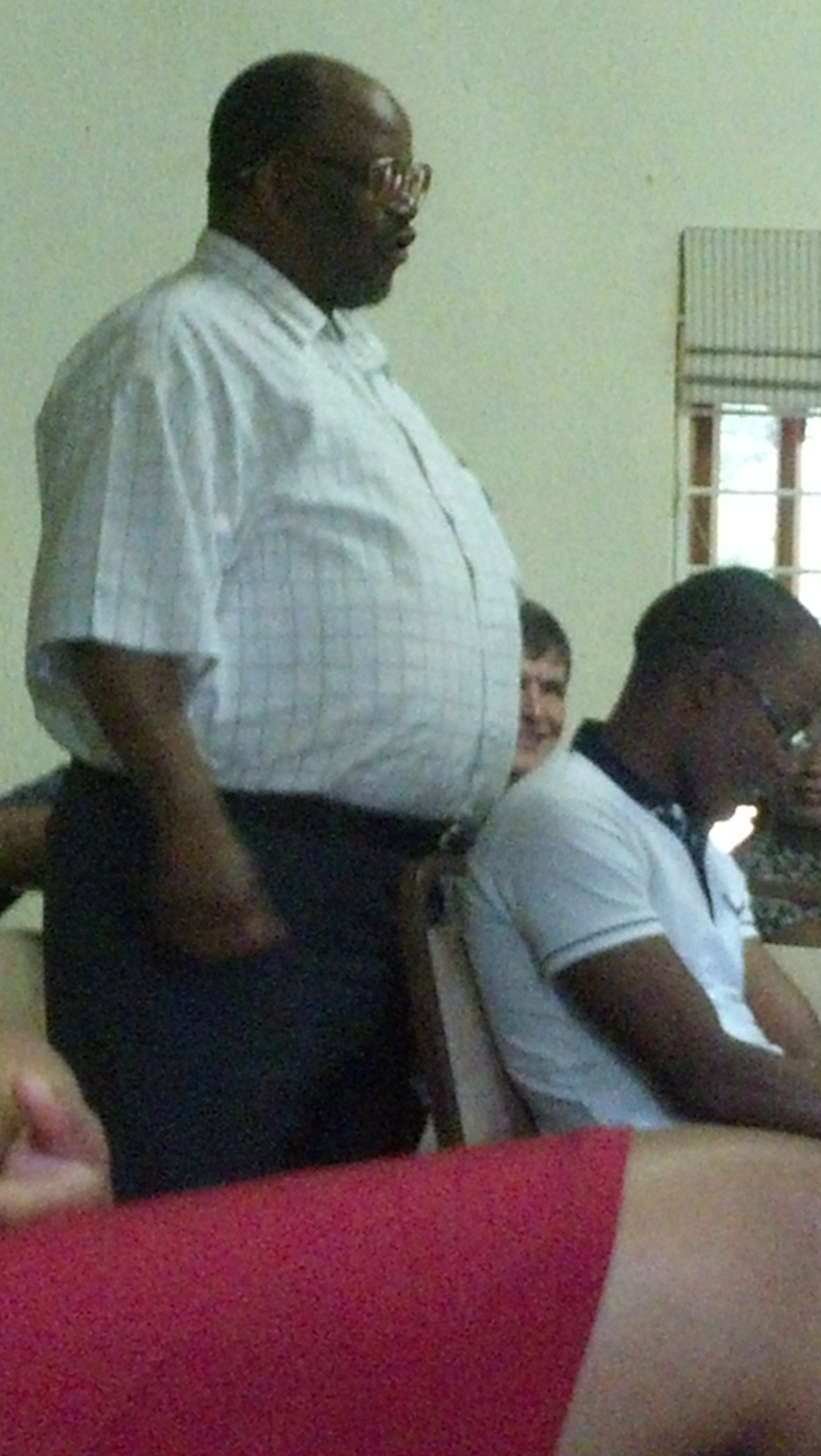 News Conference, the campus reminded me of the deep beauty of this place… and its people. Worship was energetic, testimonies authentic, fell
 owship deep and a sincere. My congratulations to Reverend Catherine Lebese, pastor of Trinity Church, as the new principal of Nazarene Theological Seminary South Africa on this campus.
 Reflecting with Trinity
  congregation Dr. Dan Copp, International Board of Education Commissioner, took as his text Joshua chapter four as a message for the church but also for the entire conference. Copp
  described how the nation of Israel crossed the Jordan at the end of Chapter three but then priests returned (returned!) to gather stones that could be raised as an altar and testament to God. Copp noted too often we
 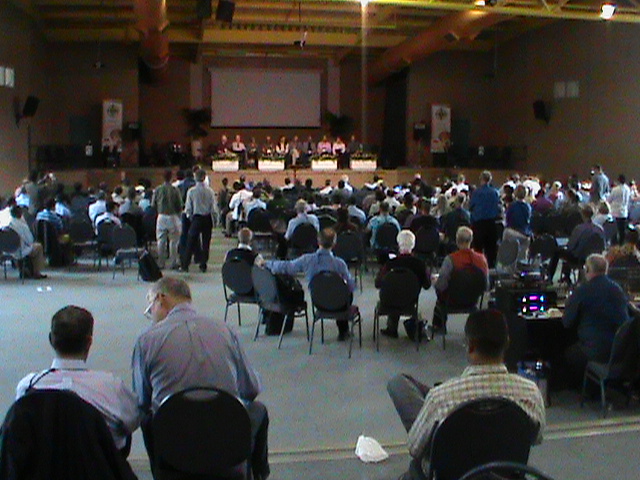 have events and then just return to our lives as if nothing has happened. We need to pause and build an altar to what God has done. He admonished:
“To tell the story and just move on is not sufficient. We need to stop and see what God is doing, pause to reflect on what God has done, to give thanks to God, to know what is to be accomplished, and then move on in the confidence of what God will do… and we will not be the same. “
 Dan’s message, and this congregation in worship, reminded me once again that the task of ecclesiology is both global and exceptionally local. We are bound together as the body of Christ, bring our own gifts in response to the grace
  of God, in service to Jesus, and empowered by the Holy Spirit. May we always remember this place and time in order to steward these days for the sake of God’s Kingdom.
 Day three of the global theology conference began with the same focus on worship as the first two days.
  While the program noted these times as “morning devotions” in a sense the reflected more the praise and worship of morning “services” as
  young leaders from NTC-Muldersdrift led (physically led) many of the congregation.This remarkable time was also peppered by
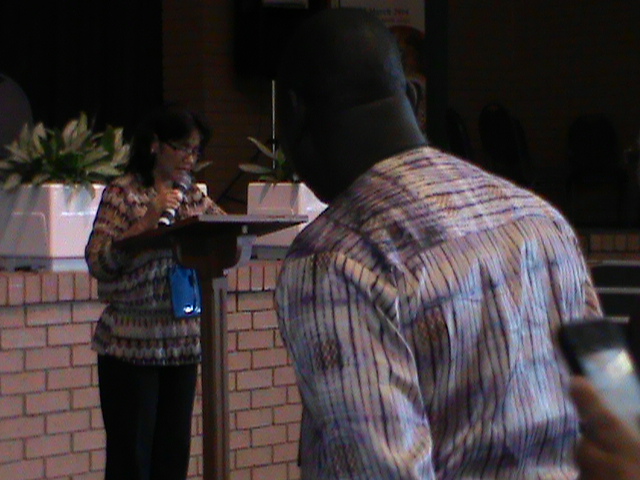 selected readings in multiple languages including German,
  Chinese, Spanish, French, Portuguese, and other “heart languages” that shaped the participants of our gatherings. Our thanks to Kathy Mowry for facilitating these moments of morning devotion.
 Day two of the conference began once again with
 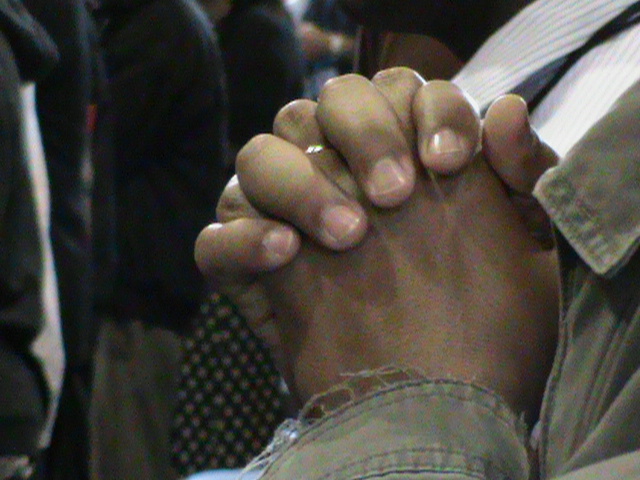 exuberant worship but moments of serious prayer and scripture. It seems amazing how the body of Christ responds to God’s word and our
 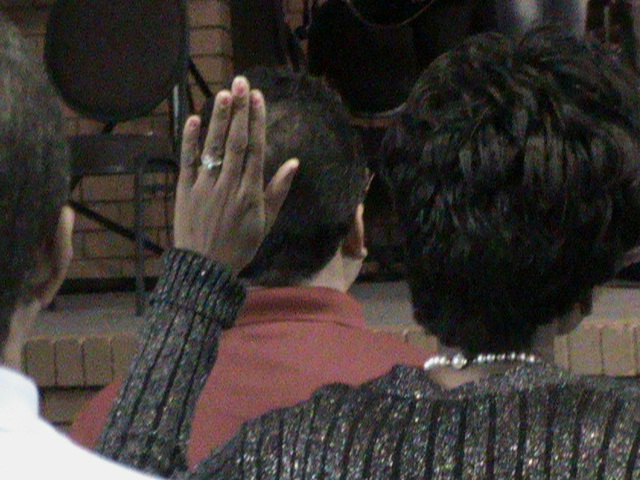 words of praise, petition, and intercession regardless of the language.
 Regional Education Coordinator Dr. Ruben Fernandez introduced our second senior scholar tasked with summarizing and synthesizing papers addressing the question “how did we get here?” a historical investigation of the church.
Dr. 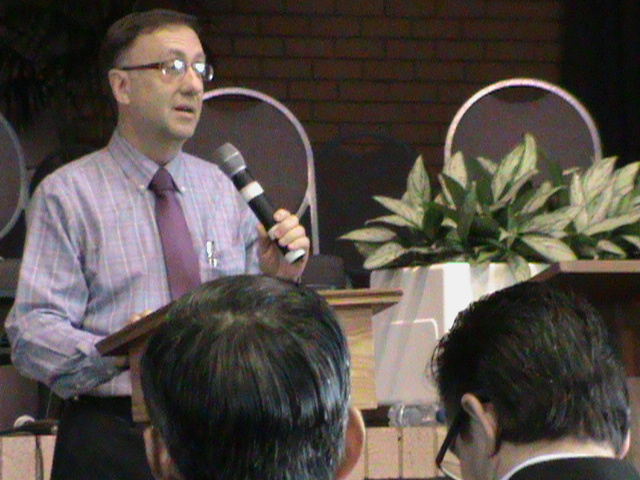 Floyd Cunningham opened by noting the papers, while historical in nature, were also shaped by practical concerns and some came with specific suggestions. Cunningham organized the papers as they discussed not only the past but also the present and a hoped-for future. Cunningham (whose paper alongside the panelists is located on Didache: Faithful Teaching), concluded these observations.
 We launched into our global theology conference today to the praise of the NTC Muldersdrift student-led worship.
 The opening devotions included prayers and
 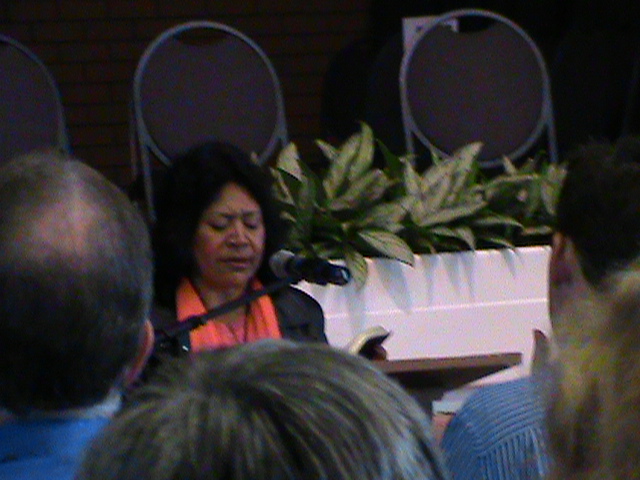 scripture reading from some of the emerging scholars in our midst. The scriptures and prayers were read or prayed extemporaneously in the languages of the
 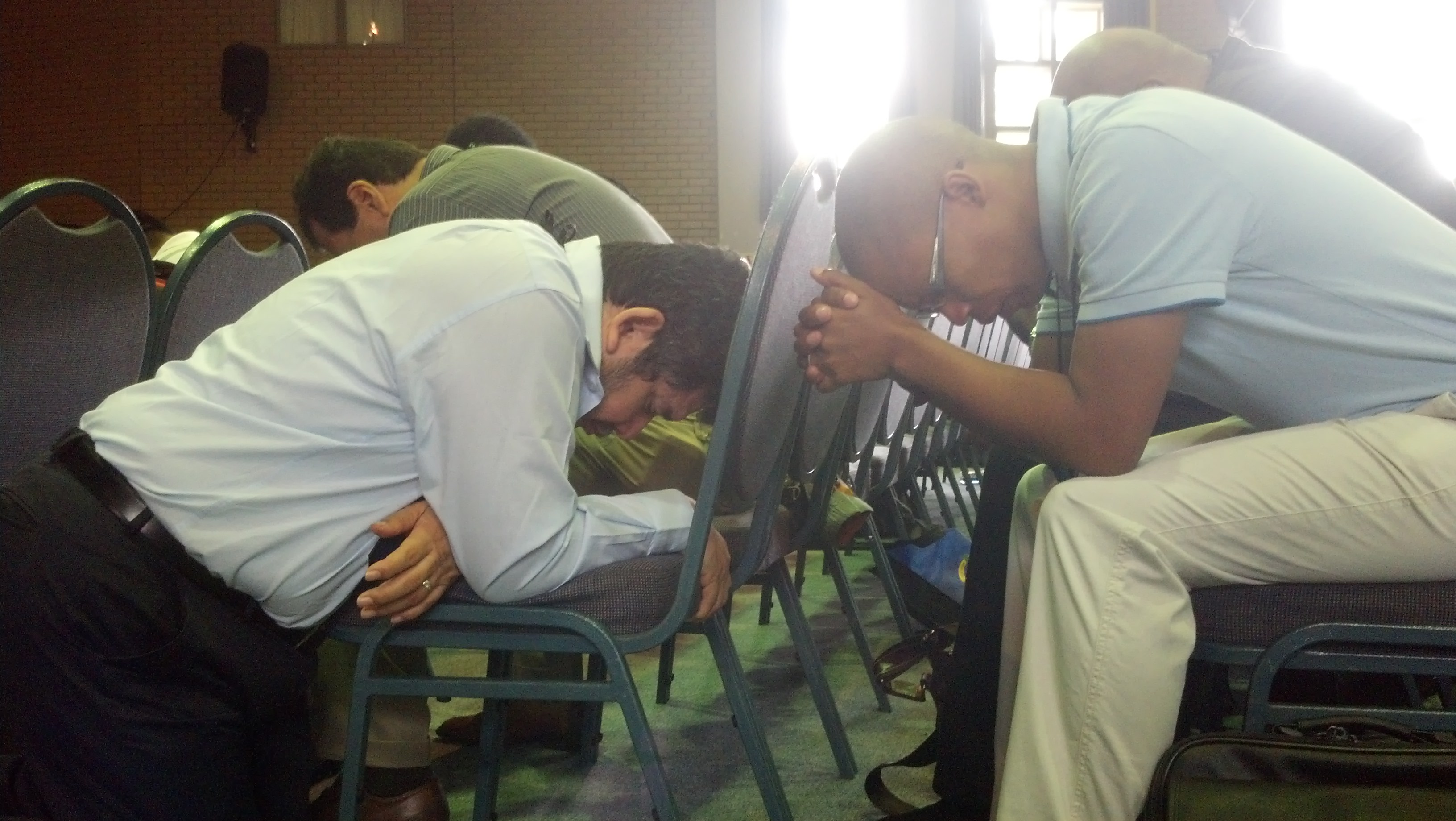 participants, signaling both
  the necessity and promise of a diverse church in harmony with our common commitment to holy love manifested in the grace of God, the person and work of Jesus and the constant presence of the Holy Spirit.
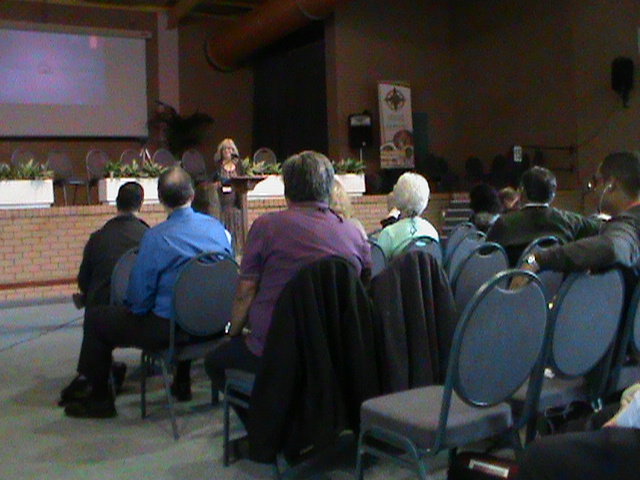 The opening session set the stage for the conference. Greetings were given by our co-chairs, Dan Copp and Carla Sunberg. Dr. Sunberg opened the session by reminding attendees of the challenge of our task, to raise issues of ecclesiology with a global context, understanding that both the study of the
  church (ecclesiology) and the diversity of our global setting were “necessarily interwoven.” She stated that our dealing with the church must involve a variety of voices rather than doing theology merely in light of one or several historically powerful settings. Dr. Sunberg stressed our making room at the table for all voices to be heard, both in expanding the table and relinquishing power (where needed) to insure all voices are heard.
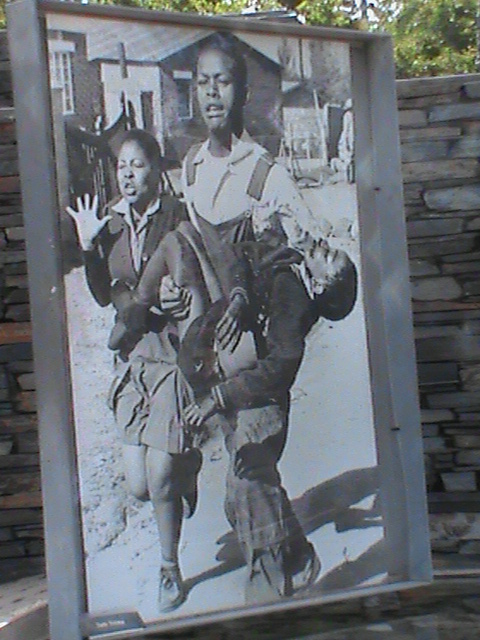
 How does one deal with the failures within one’s own history? Scripture often recounts stories of human unfaithfulness, perhaps as often as it celebrates obedience to God’s faithfulness. What about our own history?
 As a part of a meeting with the International Course of Study Advisory Committee of the Church of the Nazarene (ICOSAC) the group had the opportunity to visit the Apartheid Museum that recounts the struggles with Apartheid across South Africa.
For the next few days I will be attending an important gathering of global theologians around the theme “Issues in Ecclesiology” I will be busy with the conference but hope to post some observations. To begin you can find the conference papers (Vol. 13:2) at the website
Didache: Faithful Teaching http://didache.nazarene.org/
You can also follow the conference on Twitter at #gtciii

Professor of Practical Theology and Christian Discipleship, Nazarene Theological Seminary

 Discipleship Commons