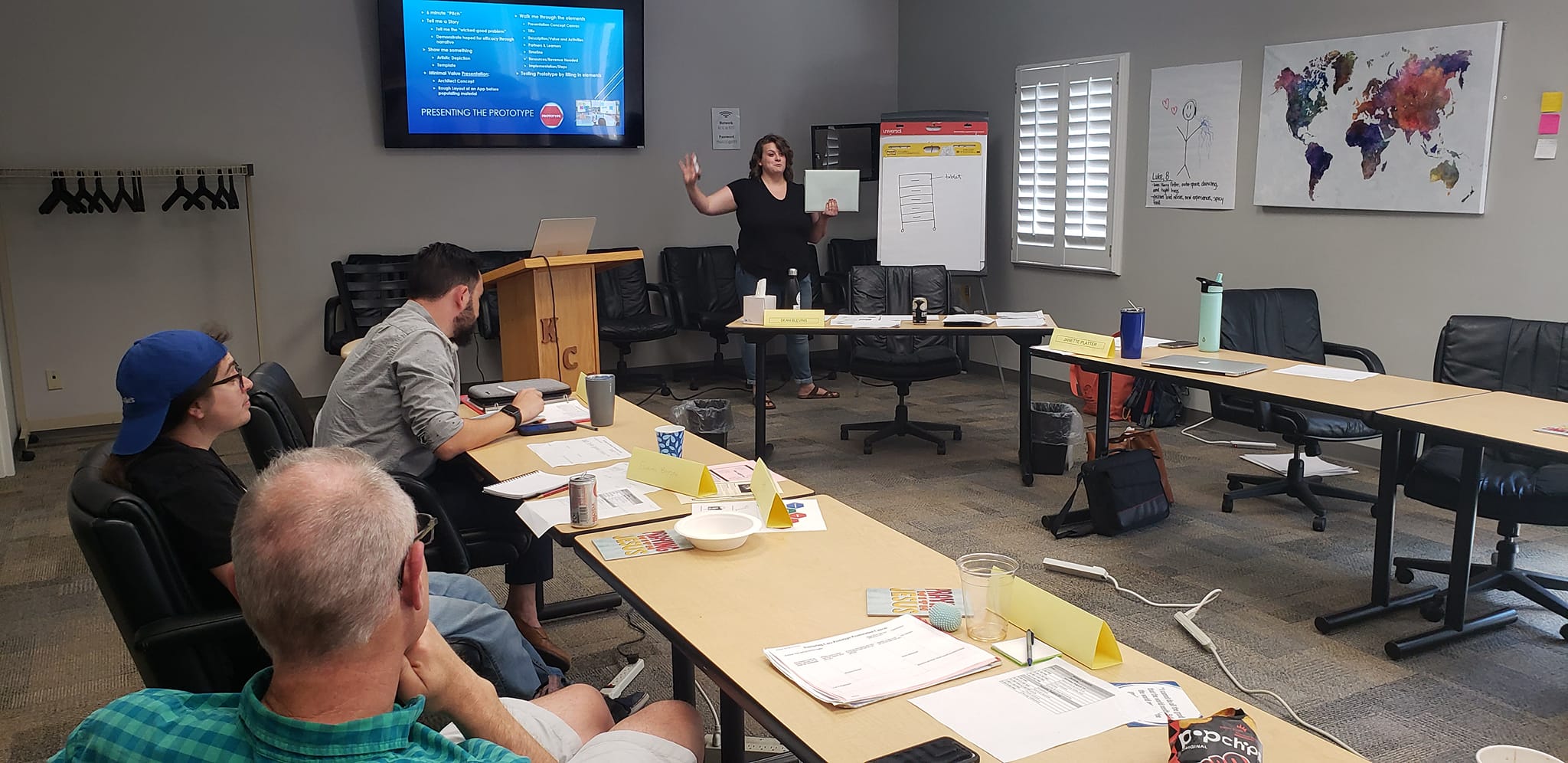
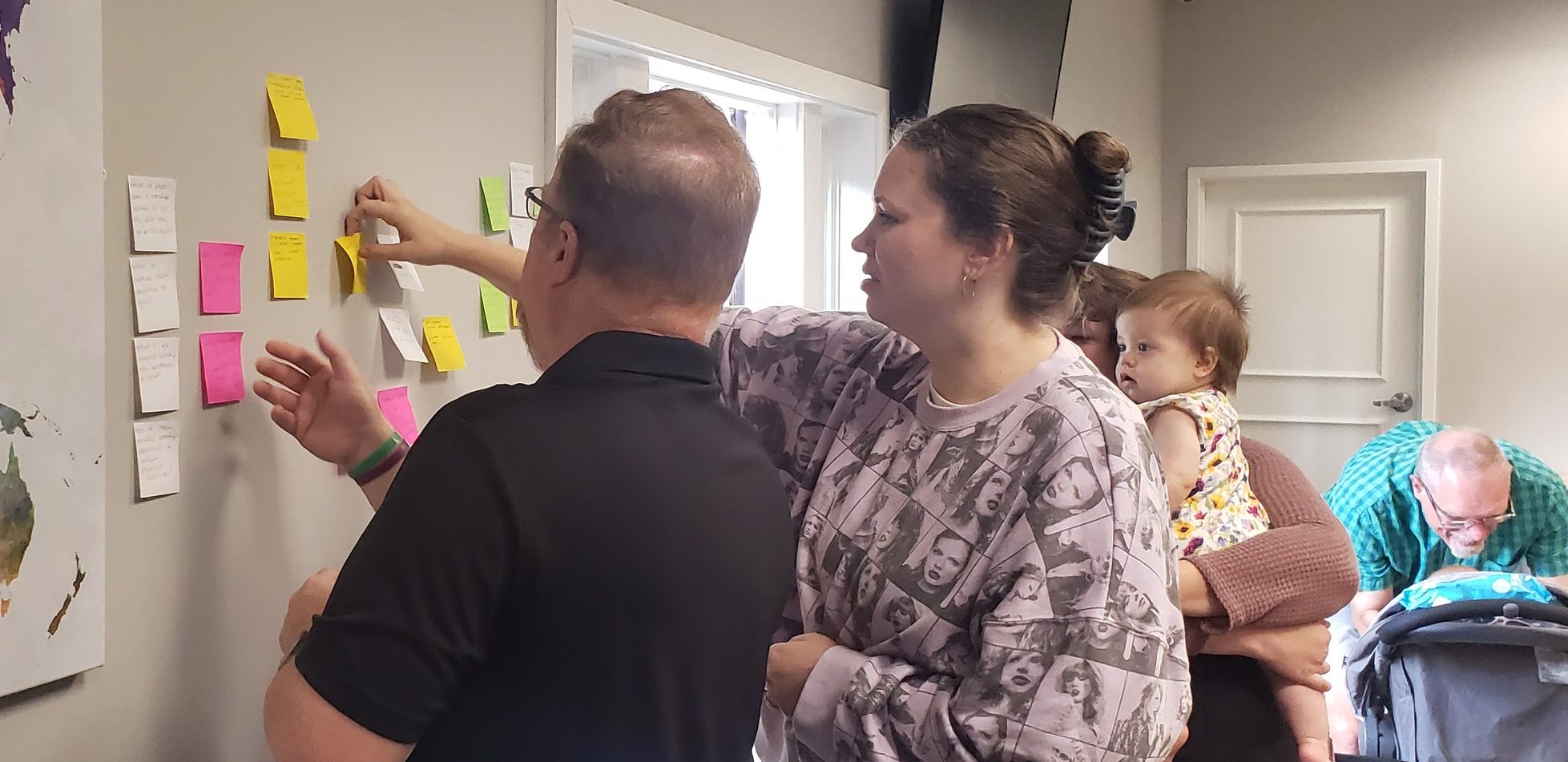
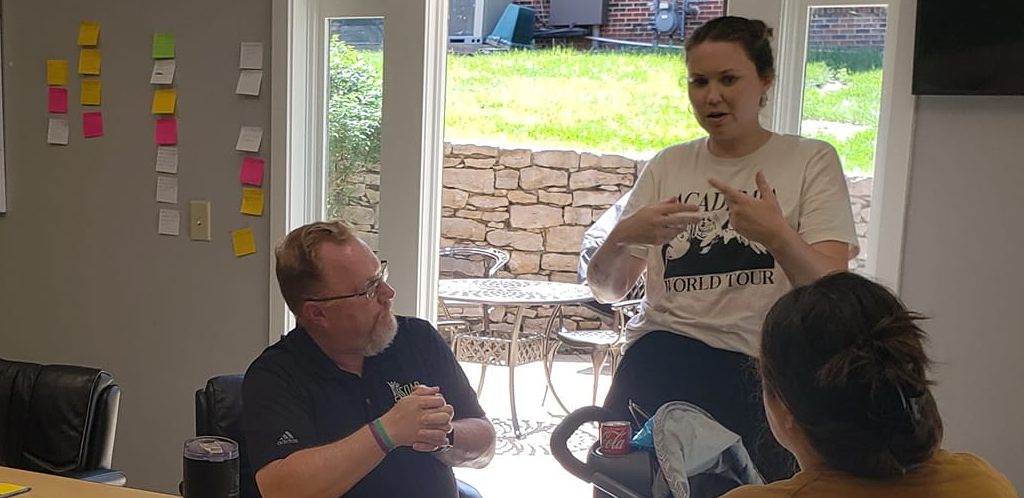
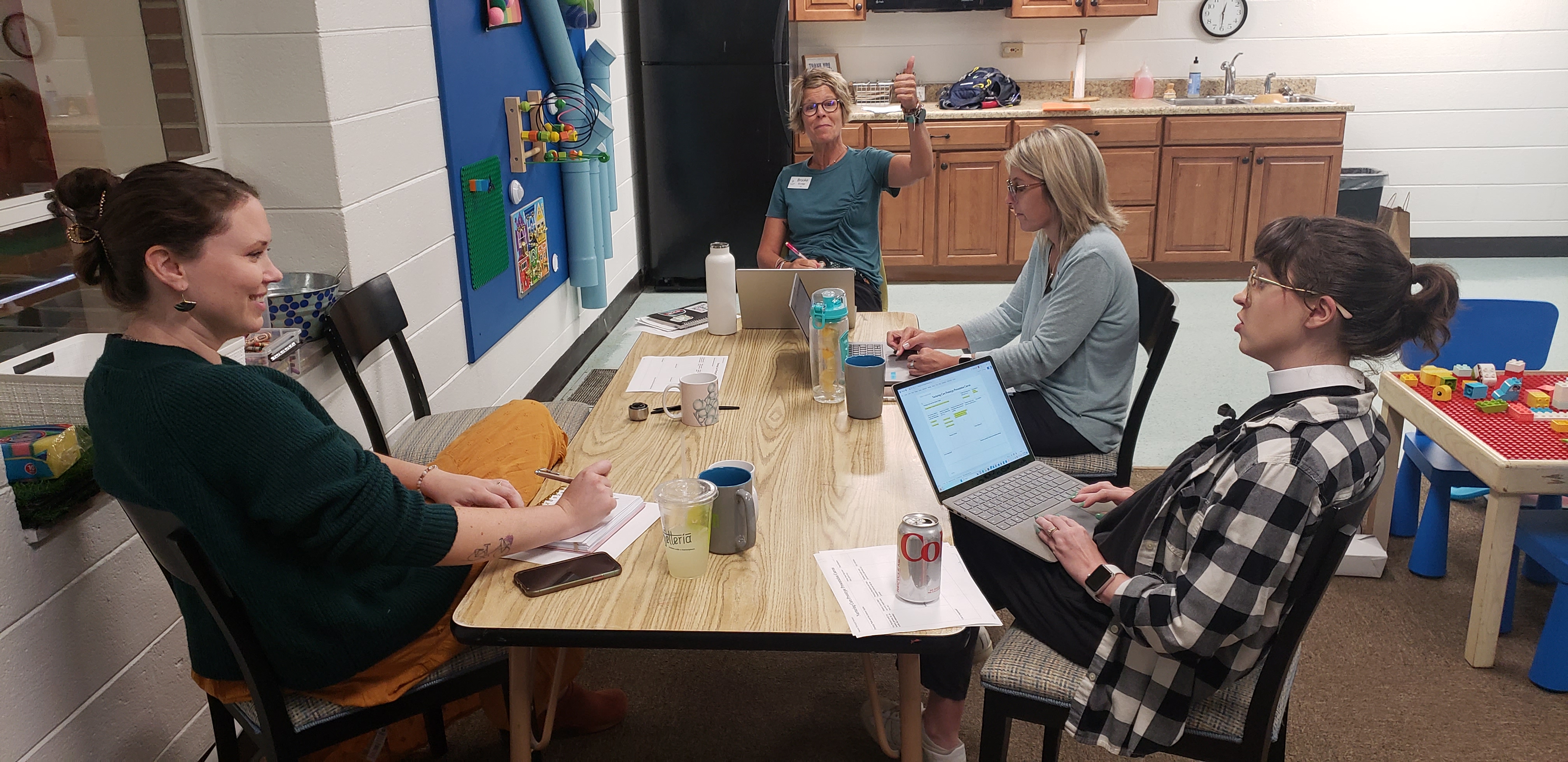
Over the last months we have been working to make sure our Maker’s Space projects (Ps 95:6-7) could take shape and launch to provide worship and prayer practices for children with autism. The effort began at the retreat at #NTS but continued off site with several other leaders in children and disabilities ministry. Our meeting spaces often invoked the kind of creativity we hope to obtain,
I was thankful that my KC Coordinator, Chaplain Janette Platter, is working alongside these creative leaders to bring to fruition our first mini-grant projects. Overall the efforts cover quite a range of initiatives:
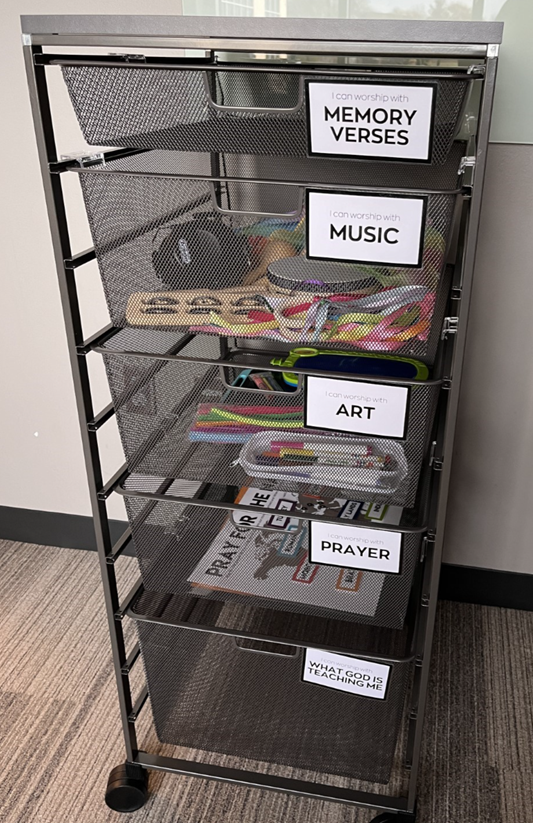
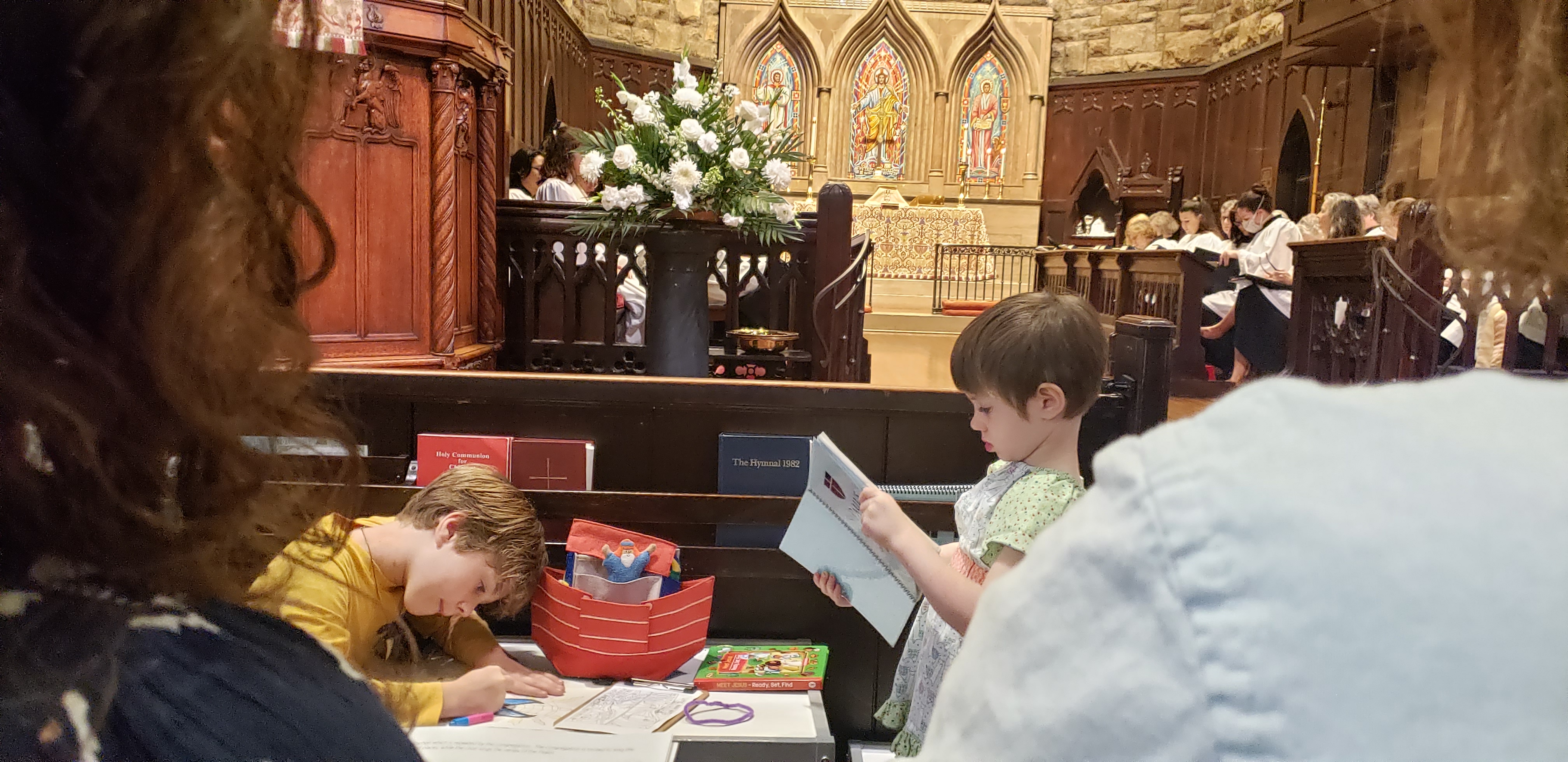
Worship “wagons” that really intentionally bring together resources for children with autism and a specific plan to work with worship teams to bridge the gaps often hamper autistic children’s participation
Leadership training for volunteers that intentionally bridge the practice of prayer with training guidelines
Resources that incorporate sensory resources directly into high church liturgy in combination with Godly Play resources
Curriculum designed to help minimally verbal children to express prayer
We are just beginning, but the preliminary reports reveal the imagination resident in this group and their willingness to partner. A great start to a brighter future for children with autism through worship and prayer.
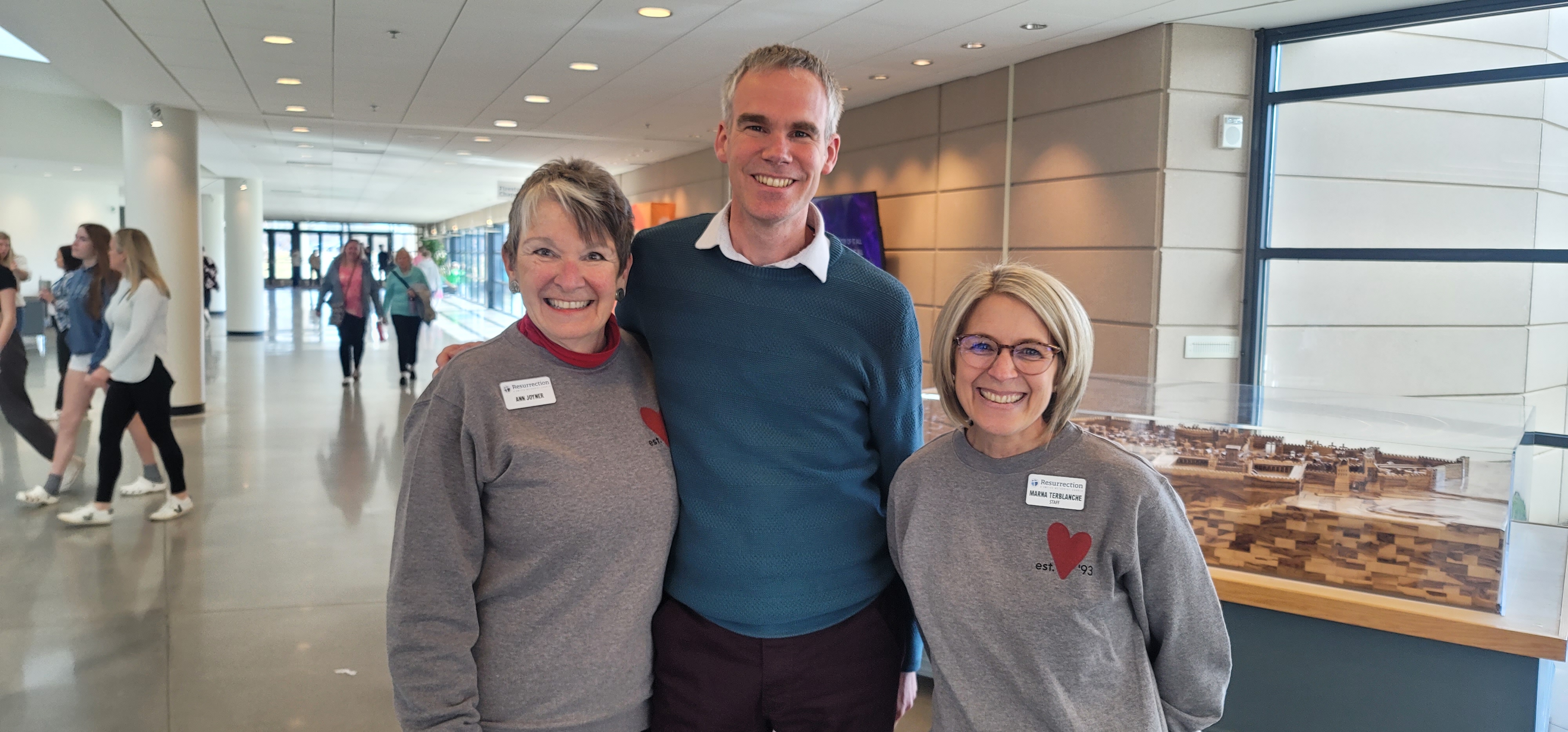
The engagement actually began on Sunday when van Ommen visited Church of the Resurrection whose disability ministry, Matthew’s Ministry, began in 1994. That ministry, originally under the leadership of Anne and Jerry Joyner, but now under the capable leadership of Marna Terblanche, a Nurturing Care participant.
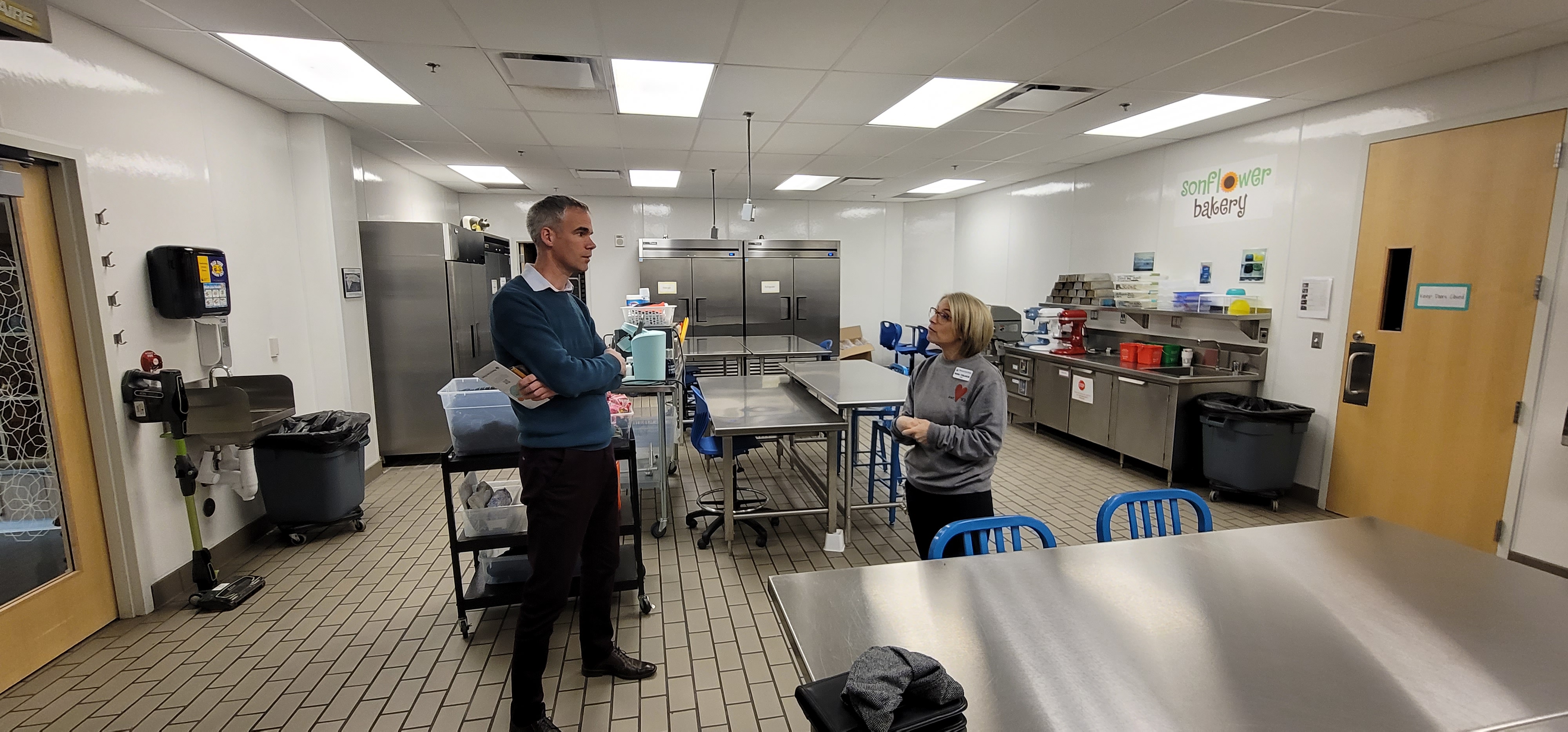
Matthew’s ministry incorporates a large array of ministries from Angel Care Support for children in classrooms and sensory rooms, to Sunday youth and adult fellowship groups, family night out respites, handbell choir, drama clup and the well know Sonflower adult learning program and bakery. van Ommen was able to engage in leadership and gain a understanding of the range of ministry opportunities evident. This experience provided a stronger context for his presentations on Monday. We are thankful for a research scholar open and ready to engage participants in our initiative. For more information see Nurturing Care KC
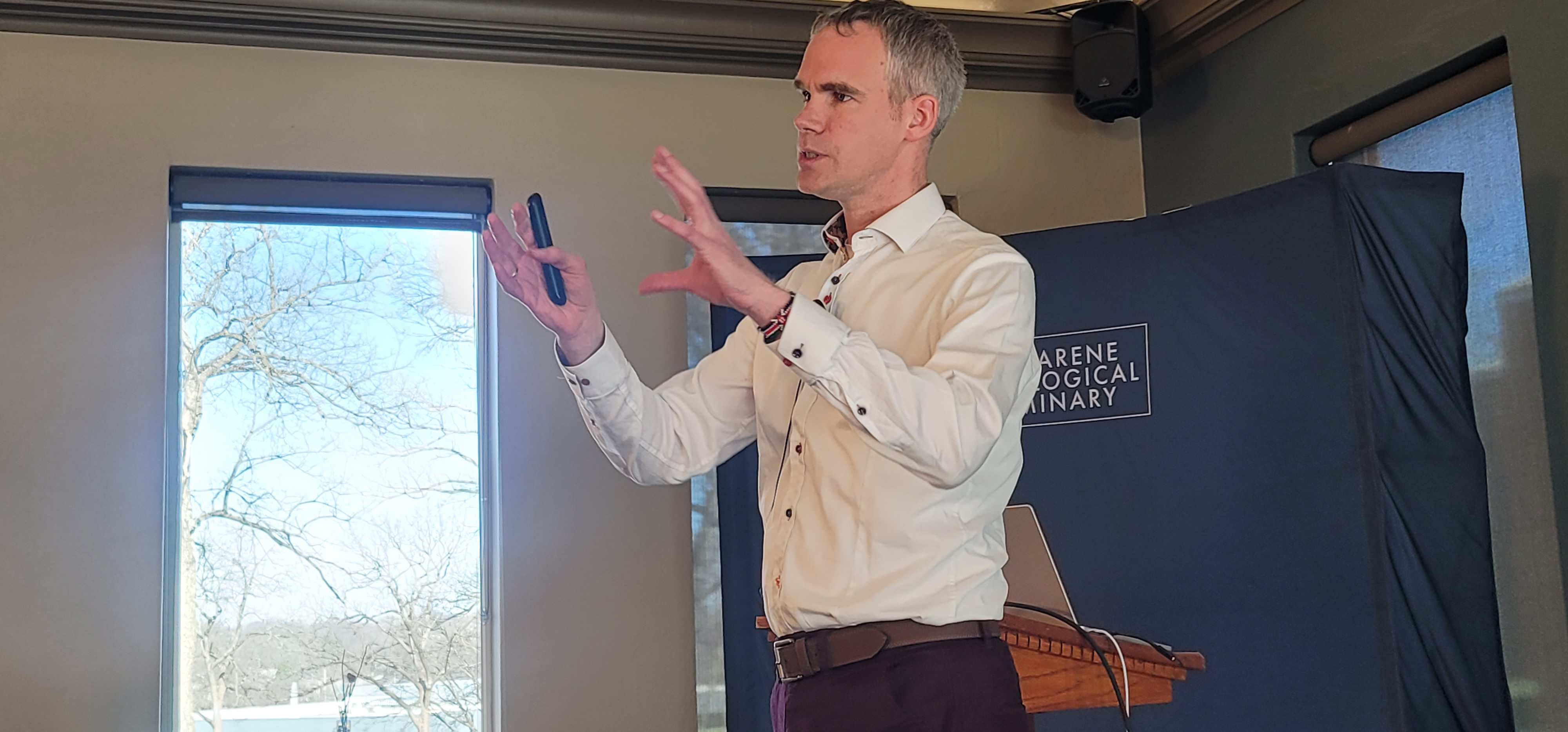
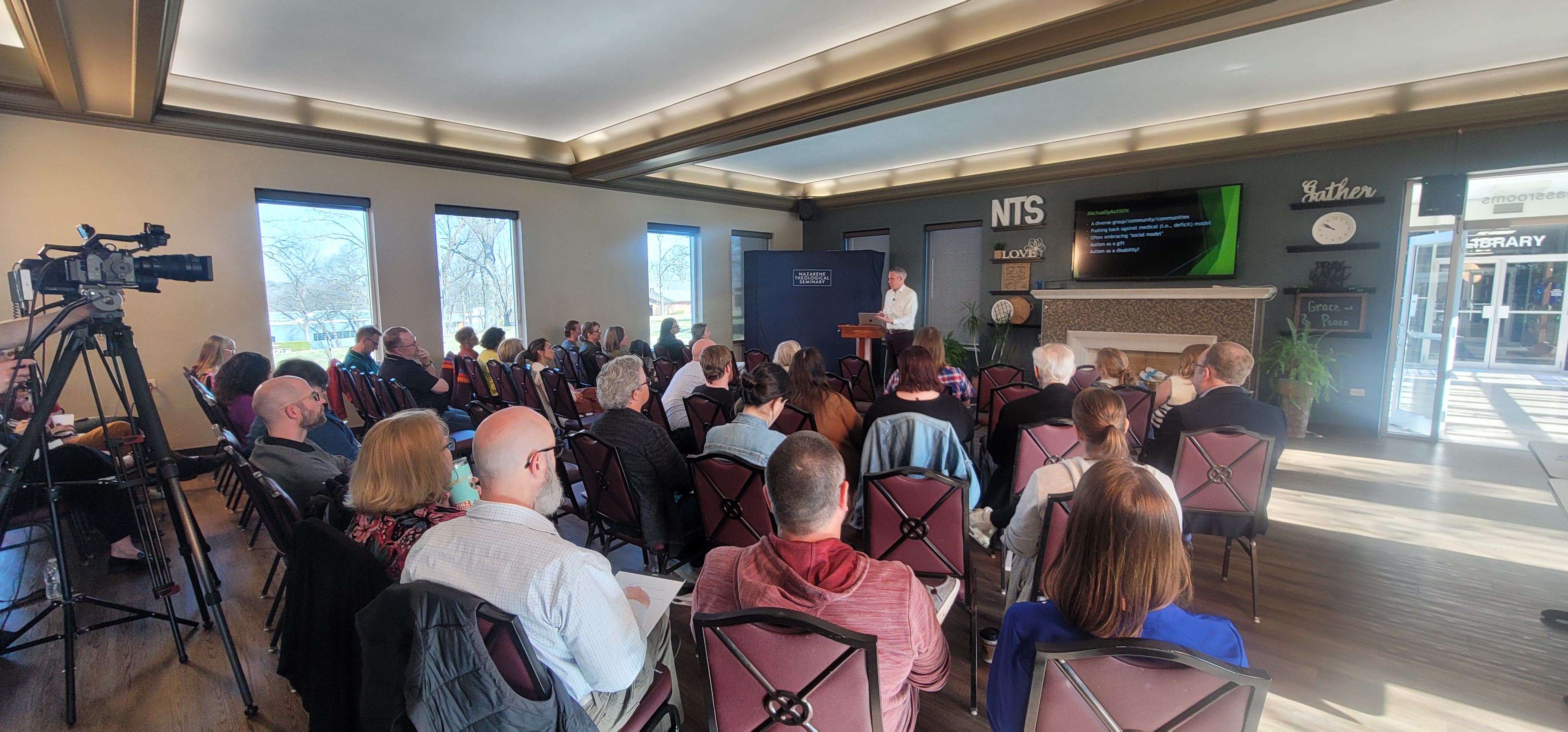
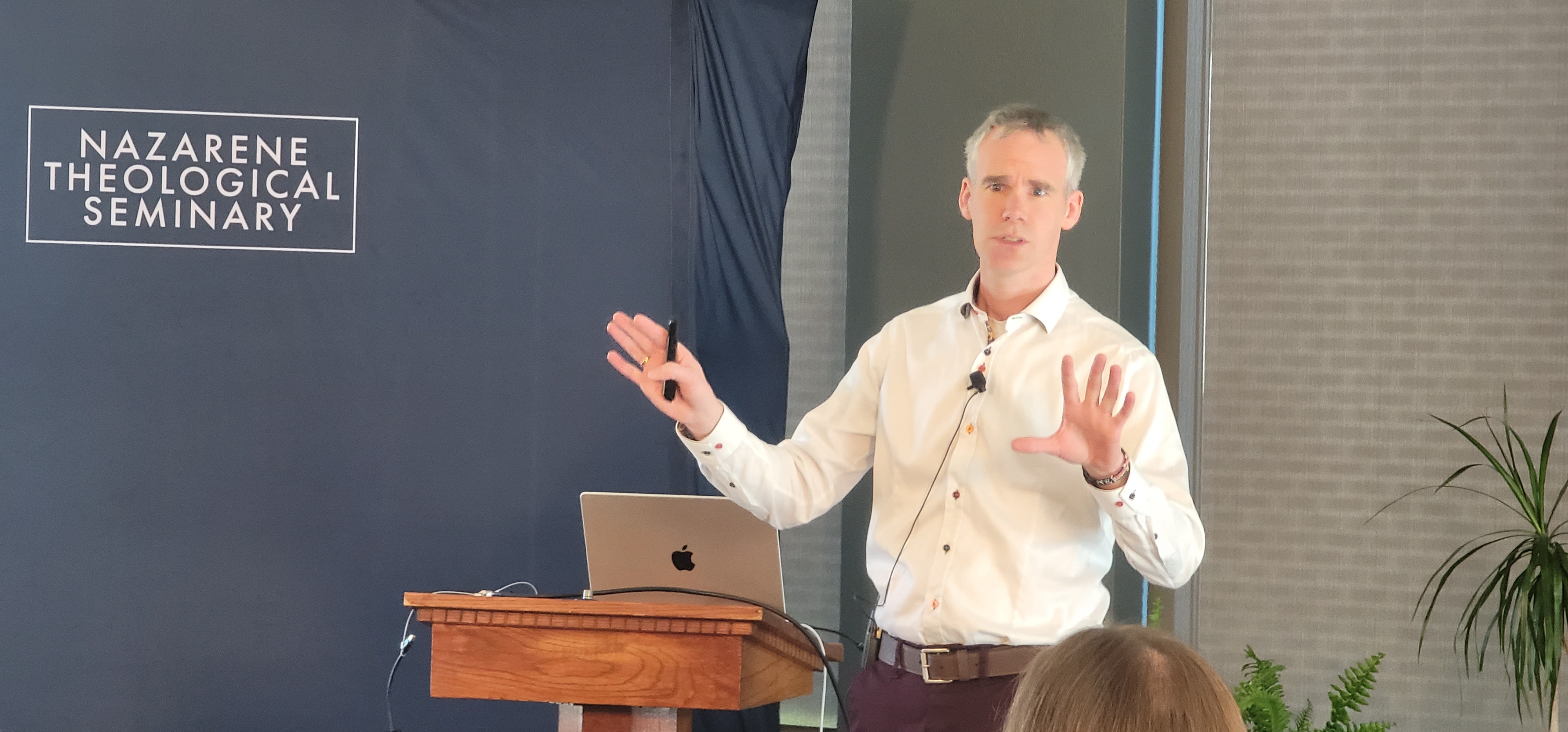
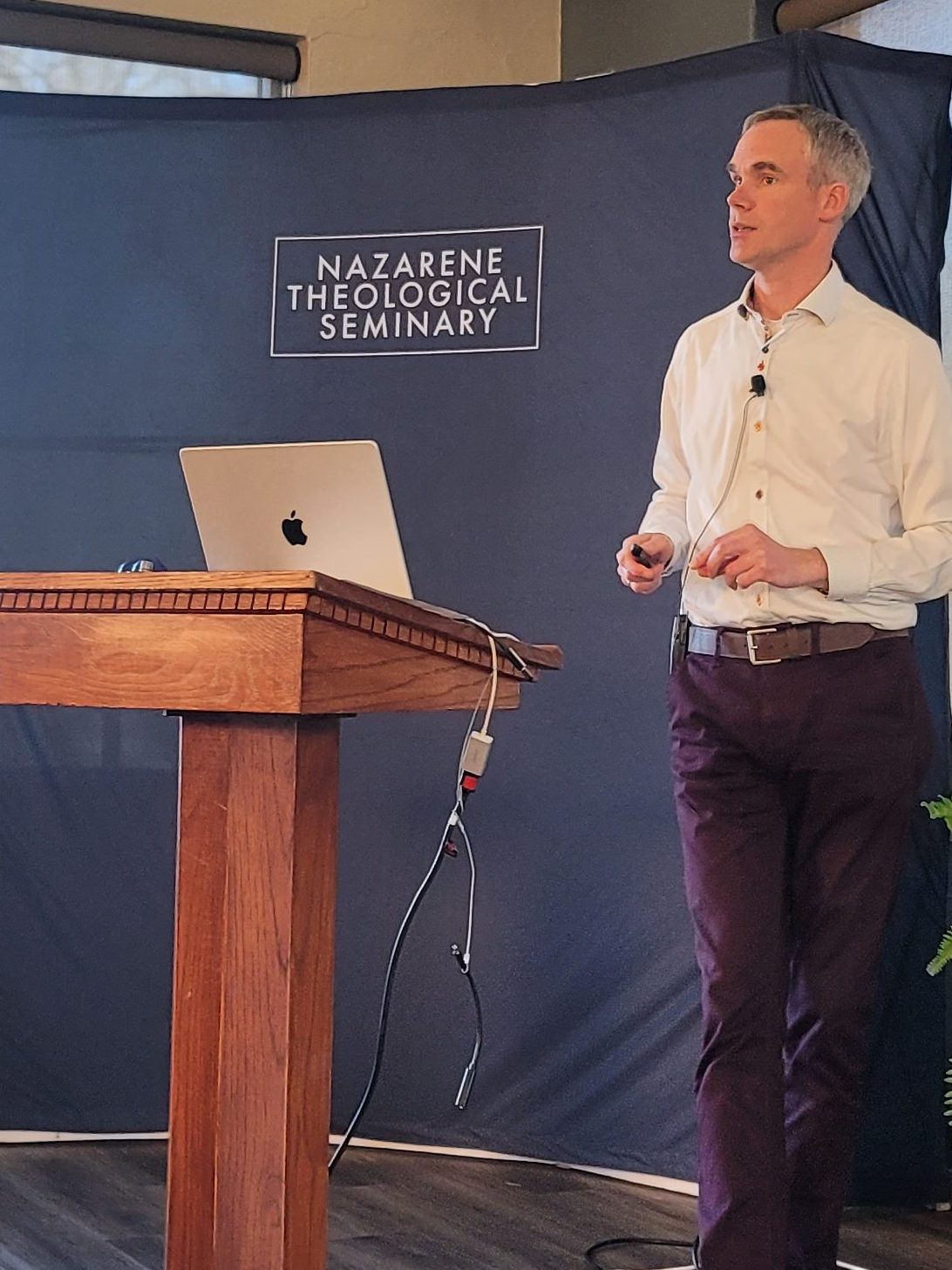
The NTS Nurturing Care/Kansas City Initiative just wrapped up a day of learning with Dr. Léon Van Ommen, Senior Lecturer, Department of Divinity and Religious Studies, University of Aberdeen and co-Director of the Centre for Autism and Theology. His presentations addressed both the social and theological considerations, particularly liturgical concerns, engaging autistic people in worship in our congregations.
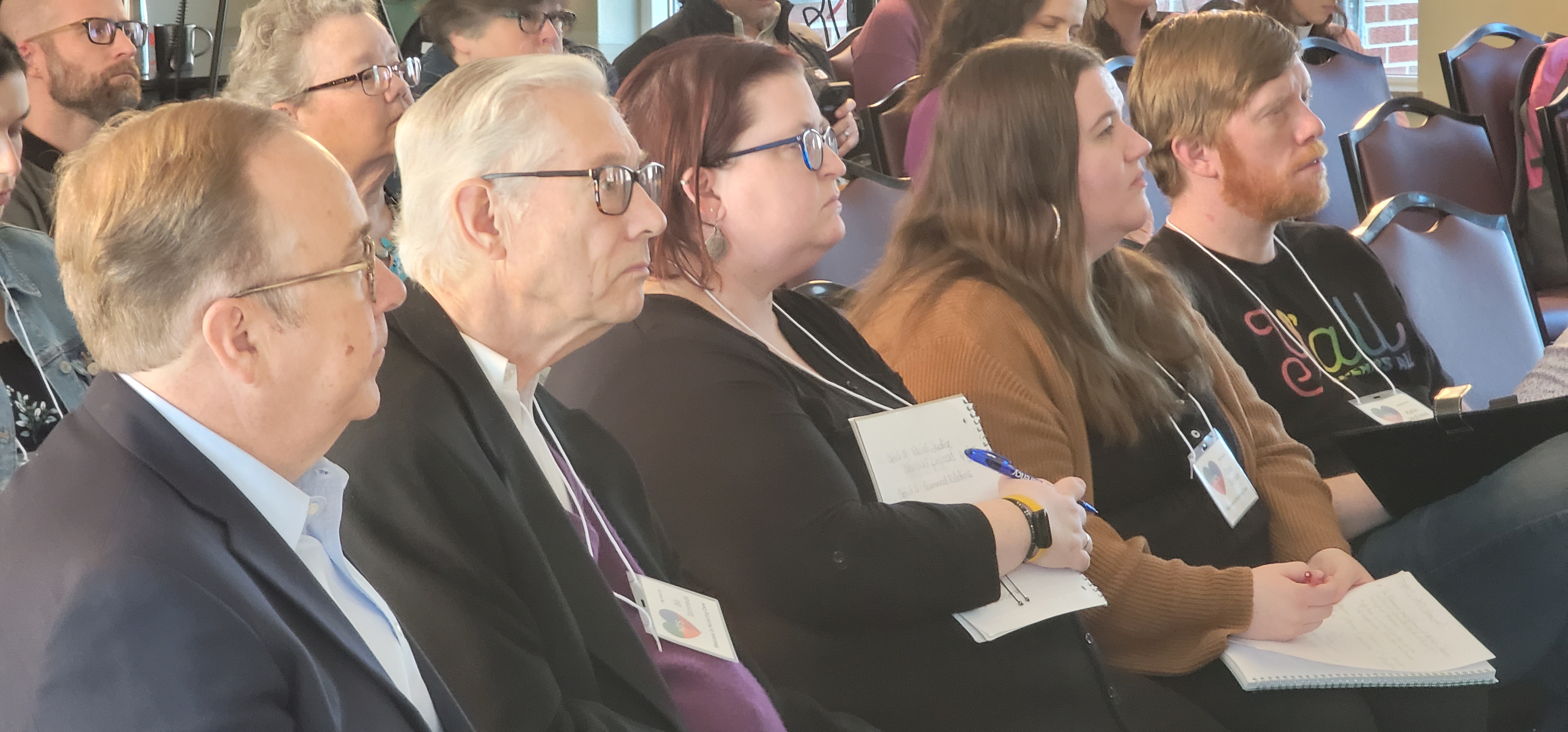
The second session of our #NTS Nurturing Care/KC initiative included a presentation for Dr. Léon van Ommen, University of Aberdeen, Divinity and Religious Studies Department, Department Member and co-chair of the Centre for Autism and Theology. The presentation, Non- and Minimally-Speaking Autistic People in Church, followed Dr. van Ommen’s original presentation the same day to participants in the Nurturing Care initiative (which focuses on children with autism) and interested churches and media present for the day-long event.
Dr. van Ommen acknowledged first that he prefers minimally speaking versus minimally verbal to avoid the assumption that autistic people cannot process language (they can) but merely that they use other means of communication instead of speech… a problem in for many of our churches to recognize due to our culture. Dr. van Ommen noted most demographic research reveals 1-2% of the population has a diagnosis of autism (but growing) and that 25-35% of autistic people are non- or minimally-speaking. Unfortunately, of all autistic participants in research, only 2% are non- or minimally-speaking. So, van Ommen’s soon to be published research provides a real service.
Beginning with a method of having minimally speaking autistic participants indicate via photos what they thought was important in the church, van Ommen discovered a wide range of elements that proved meaningful through pictures and also saw the method encourage parents and pastors to get to know autistic people in new ways.
Overall Dr. van Ommen ask attendees: “How do you enable non- or minimally-speaking autistic people to make themselves heard and understood in your context?” The challenge appeared right away in how often most congregations rely on language spoken or sung as the primary mode of communication. However, Dr. van Ommen noted that, through careful attention, that minimally speaking autistic participants “did” like singing, and bodily participation in elements like taking/giving offerings, communion, and other places where they could participate at their pace. In all the pictures revealed both an appreciation/need for worship, but also for social interaction (almost all pictures included people).
Dr. van Ommen closed with a challenge both in how we might rethink liturgy in a way that provided more sensory methods for communication… but at the same time not intentionally exclude autistic people from regular worship. van Ommen asked:
Why would you adapt the liturgy? Why would you have a ‘special’ ministry? Why can’t the ‘regular’ service not include autistic people?
While there might be contextual reasons, Dr. van Ommen remarked that while separate groups can be useful if the motivation is to disciple people and support their spiritual growth at an appropriate level. But it can never be because ‘it is easier’ or ‘they are a disturbance.’ Also van Ommen conceded another possible reason is to provide a safe context where people can be more themselves. Yet, he closed with “but the question remains, why that is not possible in the ‘regular’ service?”
The presentation also provided a theological rationale, noting that some traditions call for a “full, conscious, and active participation” yet there might be horizons of participation include human action, but also the work of the divine through human action, and participation in the life of God. Yet language operates (performs) differently in varying situations, merely as mild communication, as a promissory covenant (to do something or accomplish a goal) or as a declarative, consequential, announcement. Could it be in worship that the interplay between the words spoken “for” others, and the bodily reception/response of those words by “non-speaking person,” prove to be “means of grace?” Could a non-speaking person’s visible actions “speak grace” to other members of the congregation? Dr. van Ommen’s research, and reflection, makes such a point. We all look forward to its publication.
Overall two excellent sessions providing the kind of insight and wisdom to fuel future work in ministry to children with autism through worship and prayer. Videos will be available through Praxis at Nazarene Theological Seminary, #NTS lifelong learning site, in the future. For more see https://nurturingcare.org/kc