

As congregations open up again during the Coronavirus pandemic, I want to be the first to say that pastors are under extreme pressure. There are historical moments when ministers (whether they admit it or not) really feel pressure to “get it right” even when the answer of what is right, or wrong, remains a mystery. COVID-19 is one of those times. I call these spaces “middle spaces” or liminal times where the past does not provide assurances and the future only raises questions.

For people used to linear waysof thinking, this time is just crazy-making. For people with cherished plans that seem to go awry (and suffer the condemnation or consternation of watching a good “plan” dissolve), I often recommend a system’s thinking awareness. A system’s thinking approach accepts we are not always in charge since each decision we make is later governed by other decisions… so we have to be learning and adapting as we go. We do not know the future. We may say “God’s got this” but we have no idea exactly what our role is in how God “is” getting it done.
Yet I do think ministry provides analogies that help us, particularly for those pastors who want to serve staff and volunteers during re-entry to the church. The analogy may help us adopt a “posture” to respond to the moment. What I offer is not a plan. However, I do want to offer observations that might help us communicate “why” being well prepared during COVID 19 services proves important.
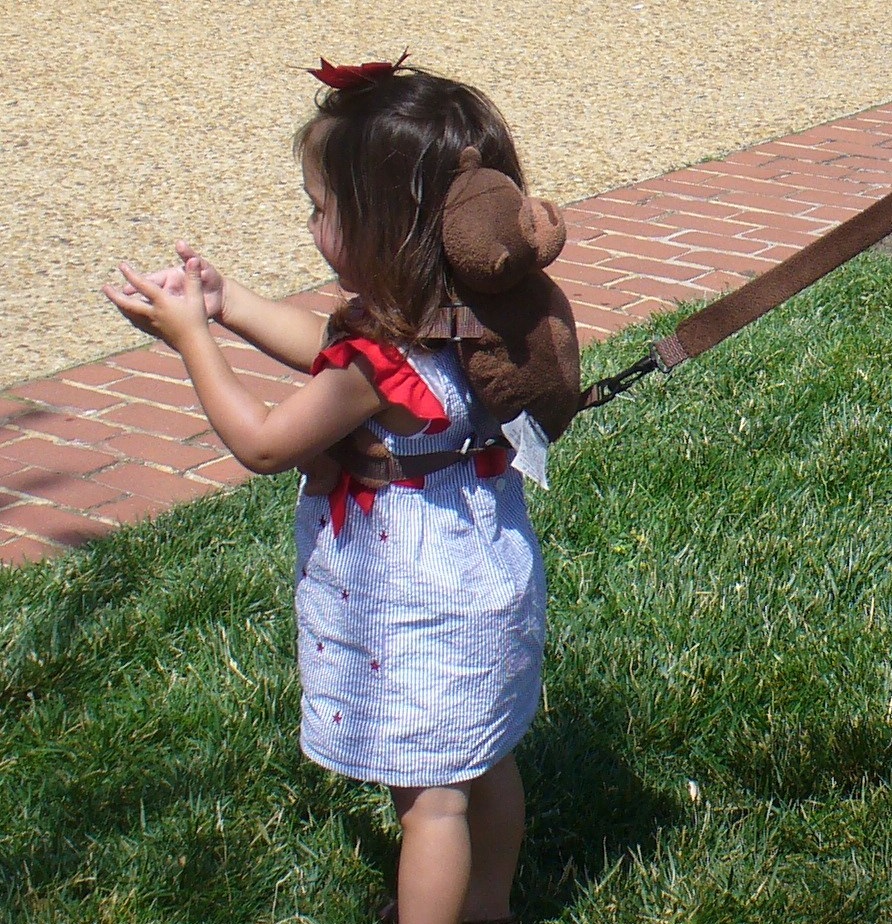
from Flickr. User: “Sean Hackbarth”. URL: https://www.flickr.com/photos/seanhackbarth/4658839512/
The analogy comes from my professional experience with another challenge the church wrestle’s with, child safety. For twenty-five years I have worked to either fashion policy around child safety or teach it to students and pastors. It has been an episodic journey, but a journey strong enough to help me see the analogies as churches plan and encourage volunteers to adopt social distancing practices. There are limits as well (I will name them at the end of the blog) but I want to start with the connections.



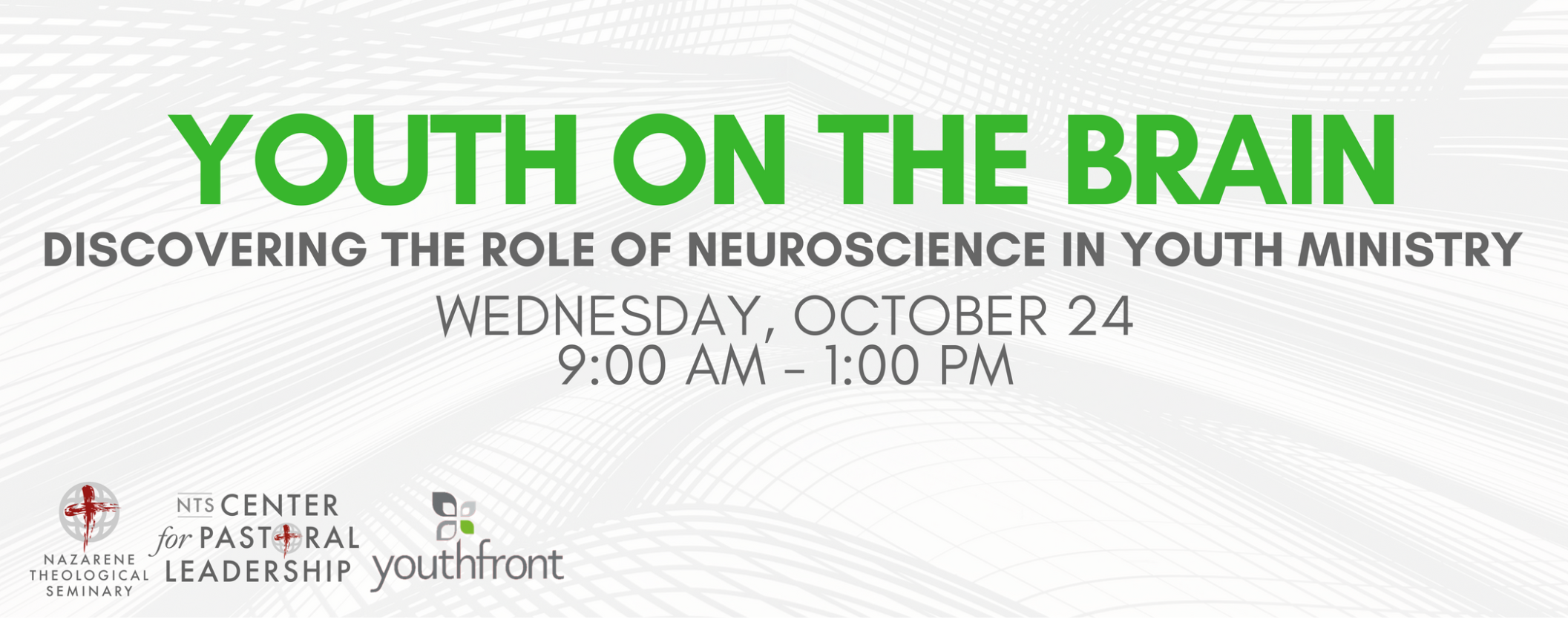 This Fall 2018 I will be providing a special learning opportunity for “both” local youth ministers/workers who live
  around the KC area “and” for global youth pastors or other concerned ministers intrigued by with how neuroscience might influence our understanding and ministry with youth.
  Recently I was invited to take part in an experiment hosted by Dr.
  technology and learning. This experiment included my watching several videos using VR Goggles. The videos really merely reflected different experiments with VR from simulations to live experience, often in remarkable settings.
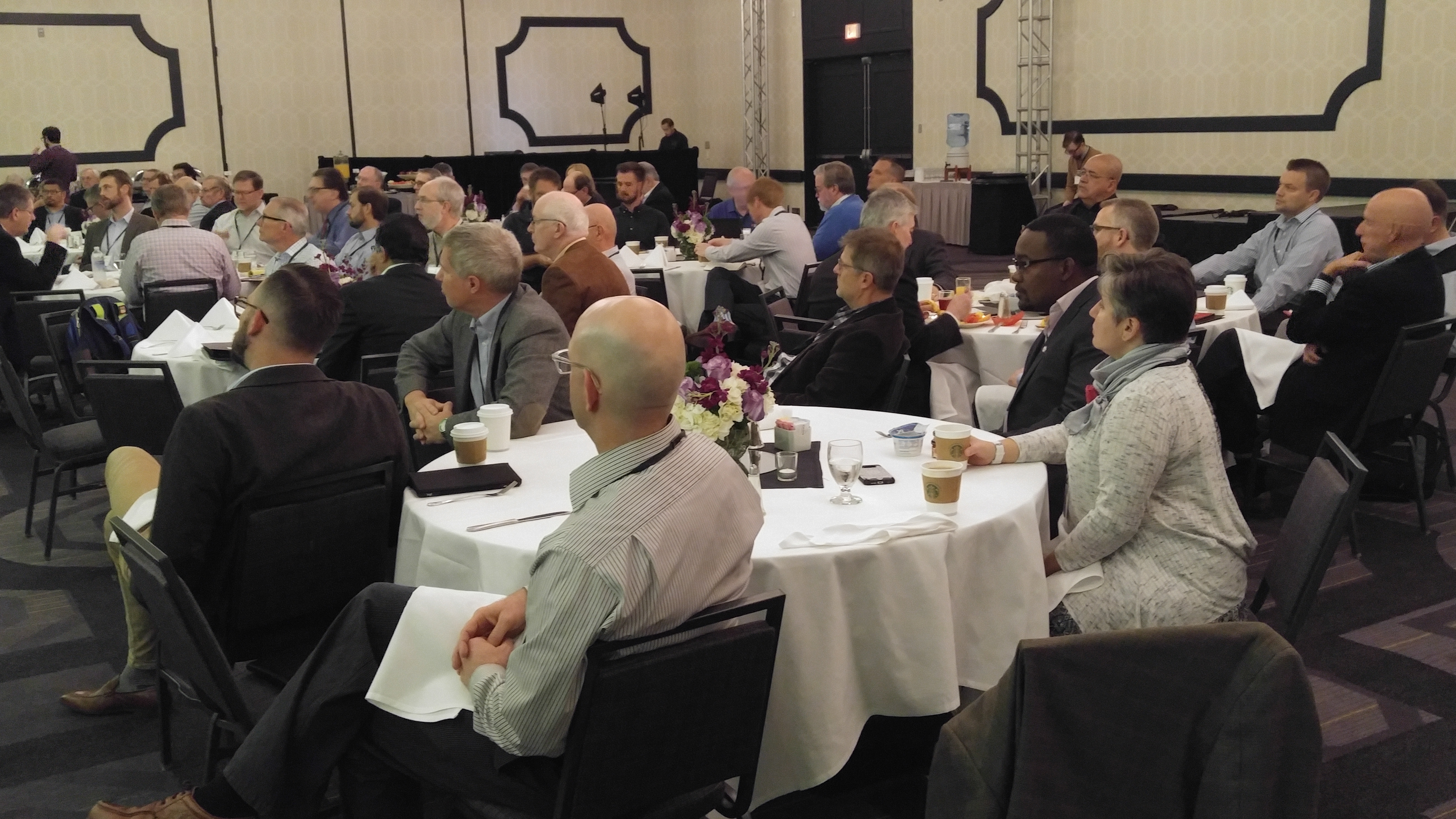
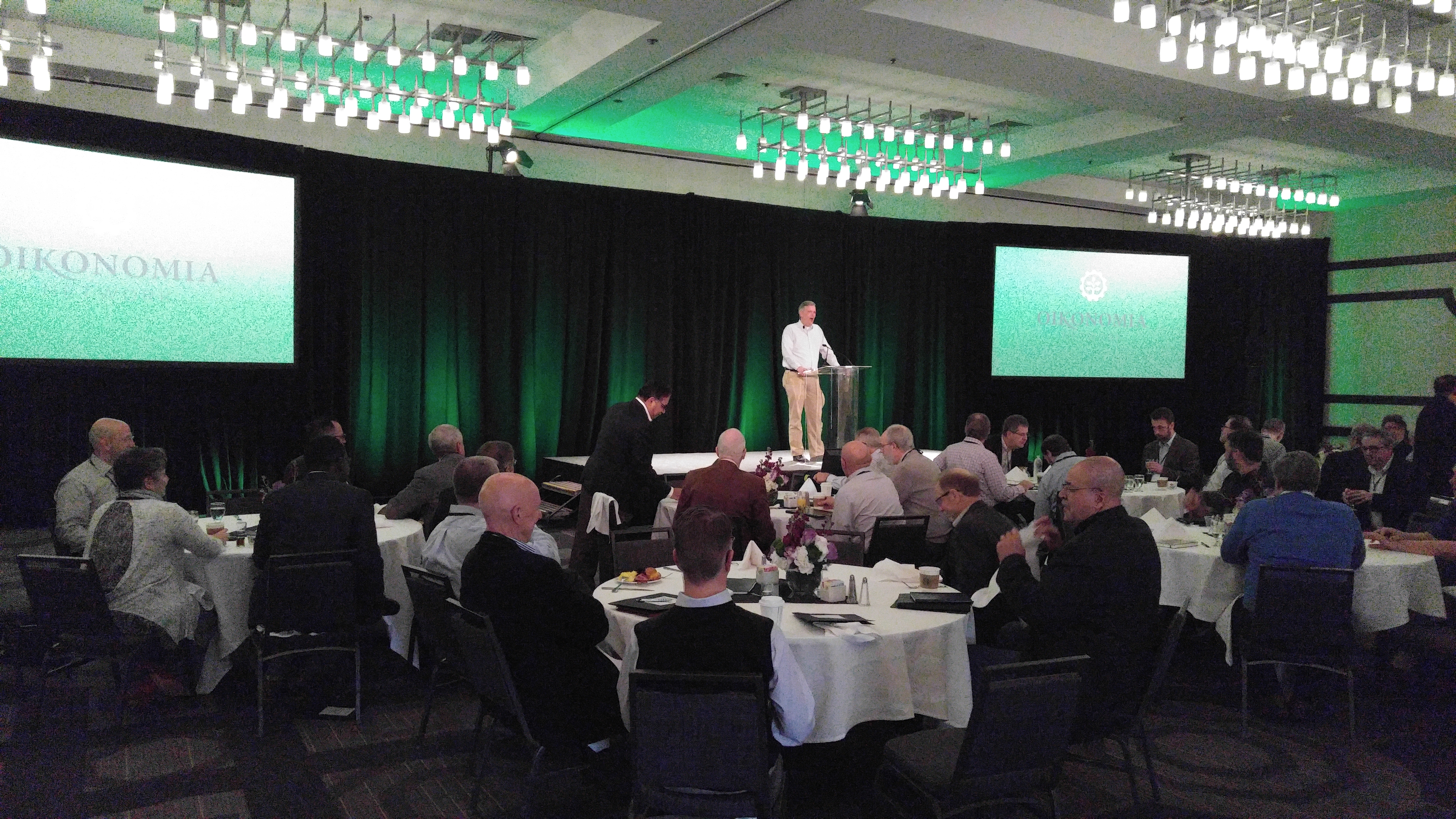 Greg Forster, with the Center for Transformational Churches at Trinity International University, opened the second day of the
 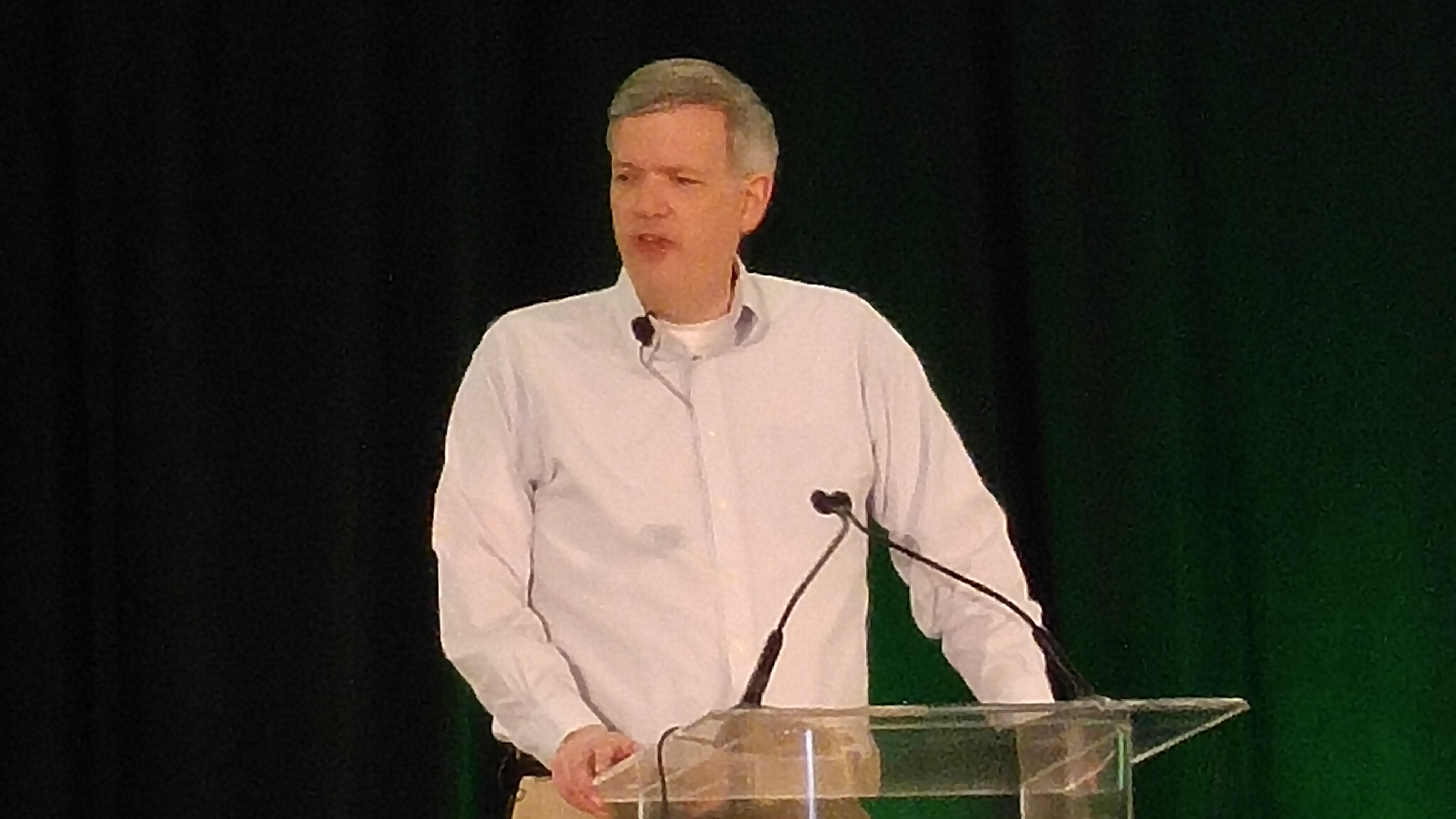 deeper levels of exploring faith, work, and economics in theological education. The Oikonomia Network also explicitly partners with the
  economic wisdom and human flourishing. Such efforts include Tom Nelson’s new book
  The Faculty Retreat for the Oikonomia network opened this evening at the Sheraton Gateway, LAX. The retreat serves as a
 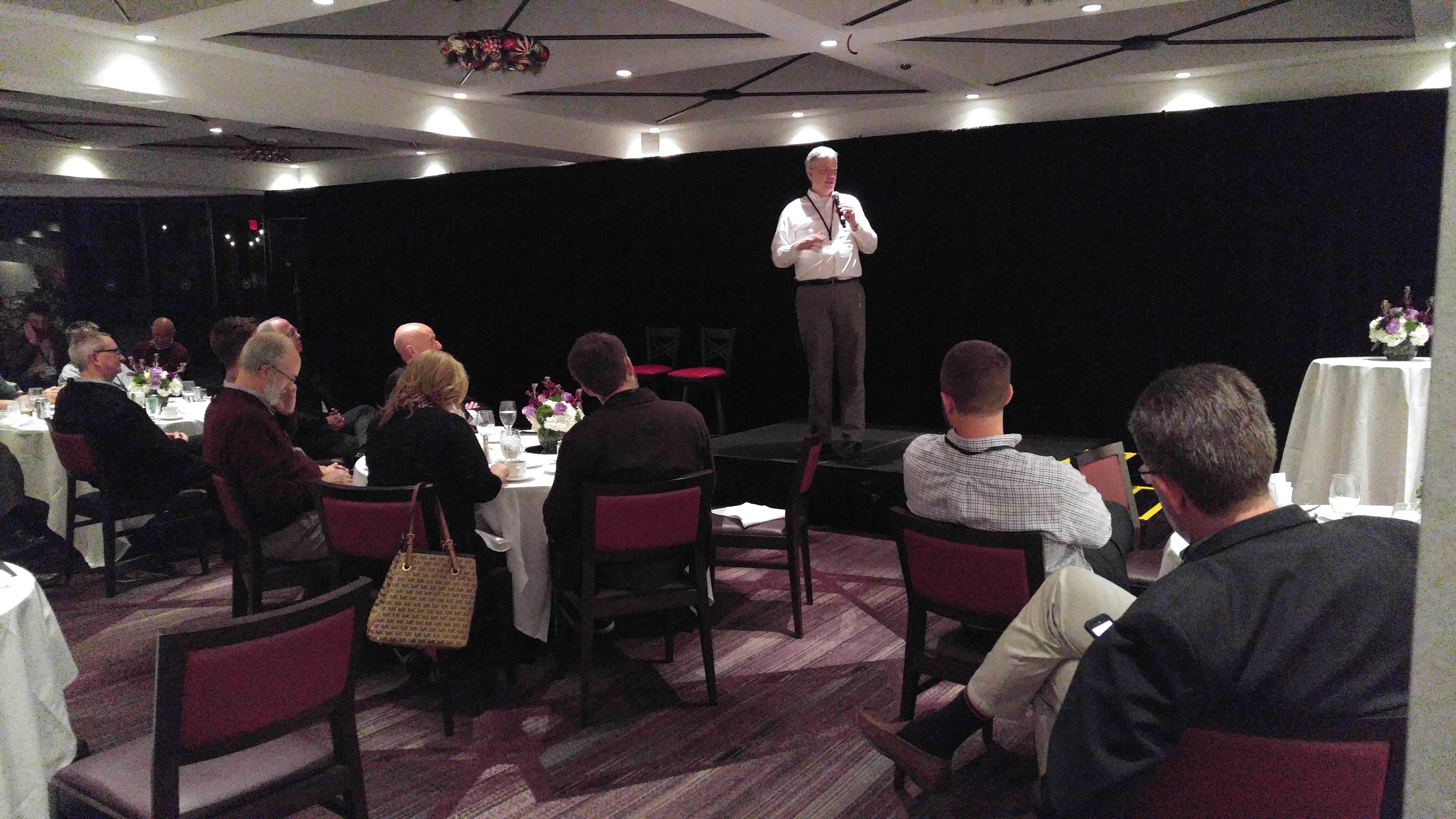 one day precursor to the Karam Forum that follows. Greg Forster greeted visiting faculty and noted that the focus of the retreat revolves around the question “What is the Economic Responsibility of the Church?” Forster observed that often questions of faith, work, and economics begin and end in the
  practical life of the congregation. So, this year’s retreat hopes to raise questions about the church’s life and engagement with our current economic realities.
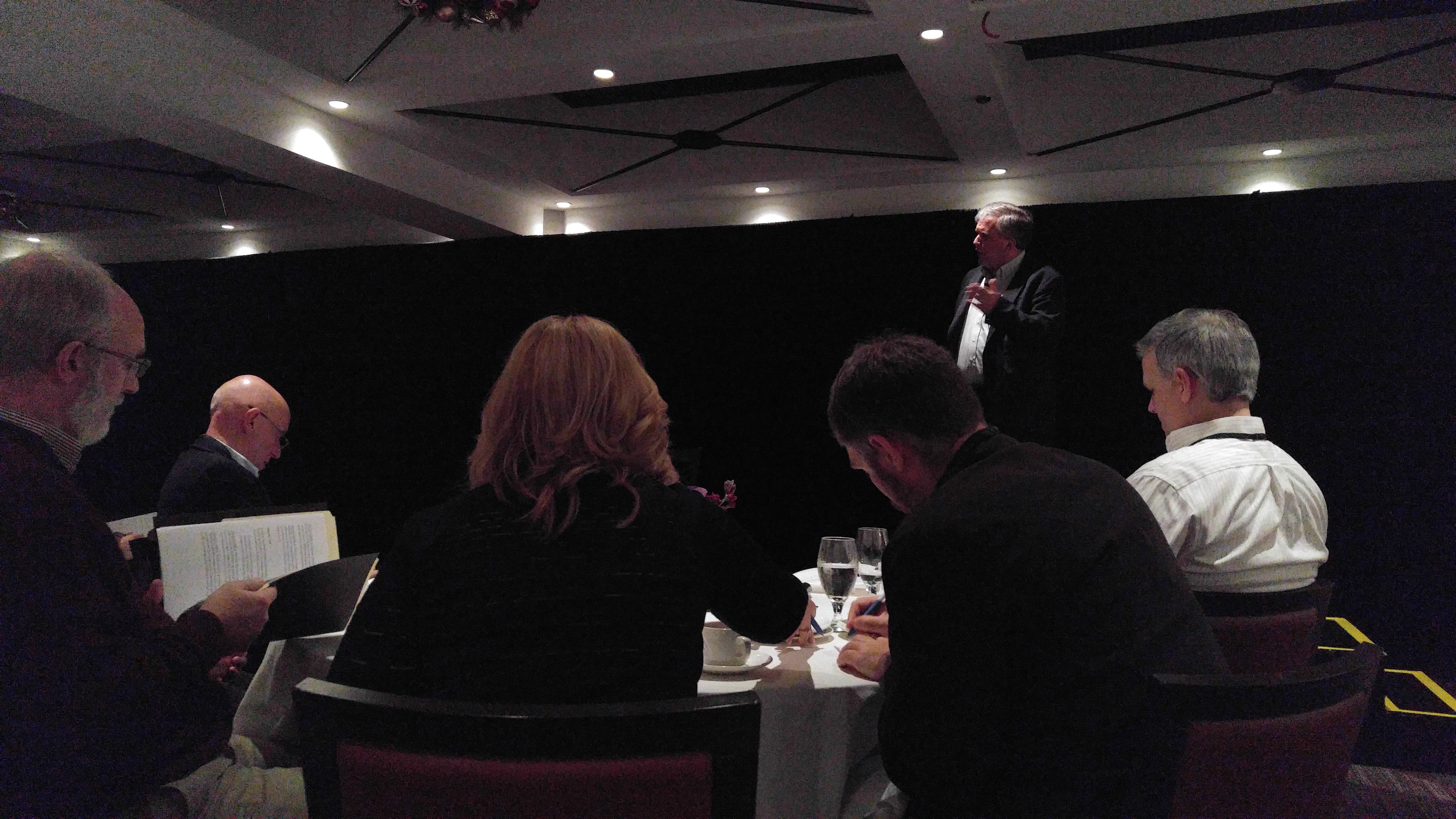 To orient the faculty to the theme, Forster introduced Dr. L. Gregory Jones from Duke Divinity School and Duke University. Dr. Jones has served both as the Dean of Duke Divinity and
 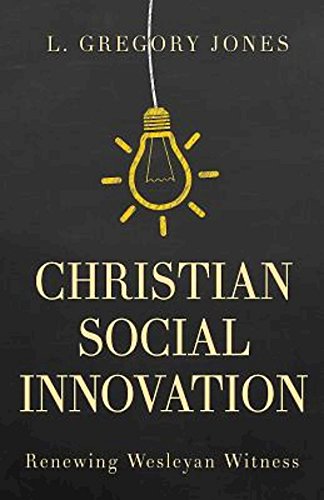 Provost at Baylor University before returning to Duke to teach and serve as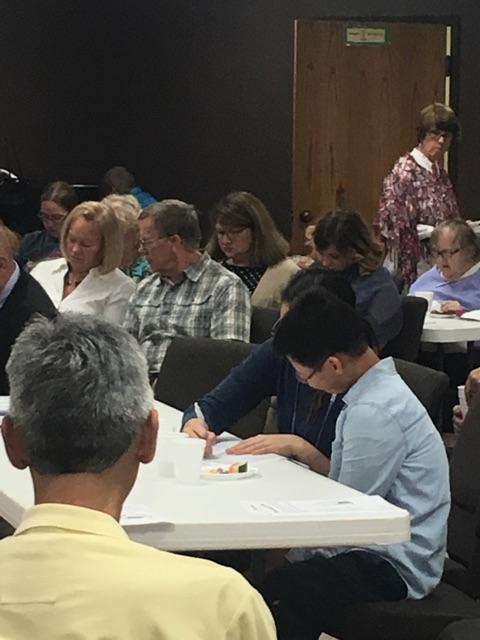
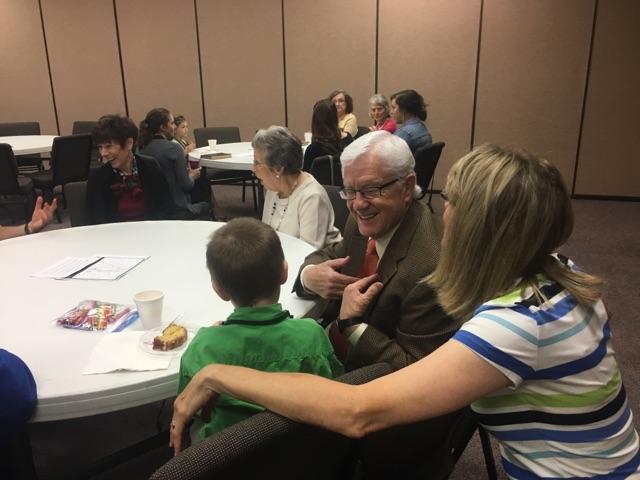 During 2017 the Sunday School ministry of Kansas City First Church elected to incorporate intergenerational efforts between classes of
 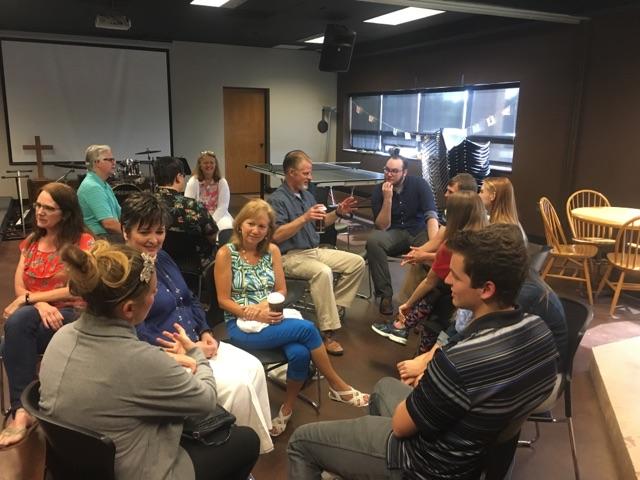 children, youth and adults every “fifth Sunday” as two classes combined on the last Sunday of every month that included five Sundays.


 Discipleship Commons
_001.jpg)