

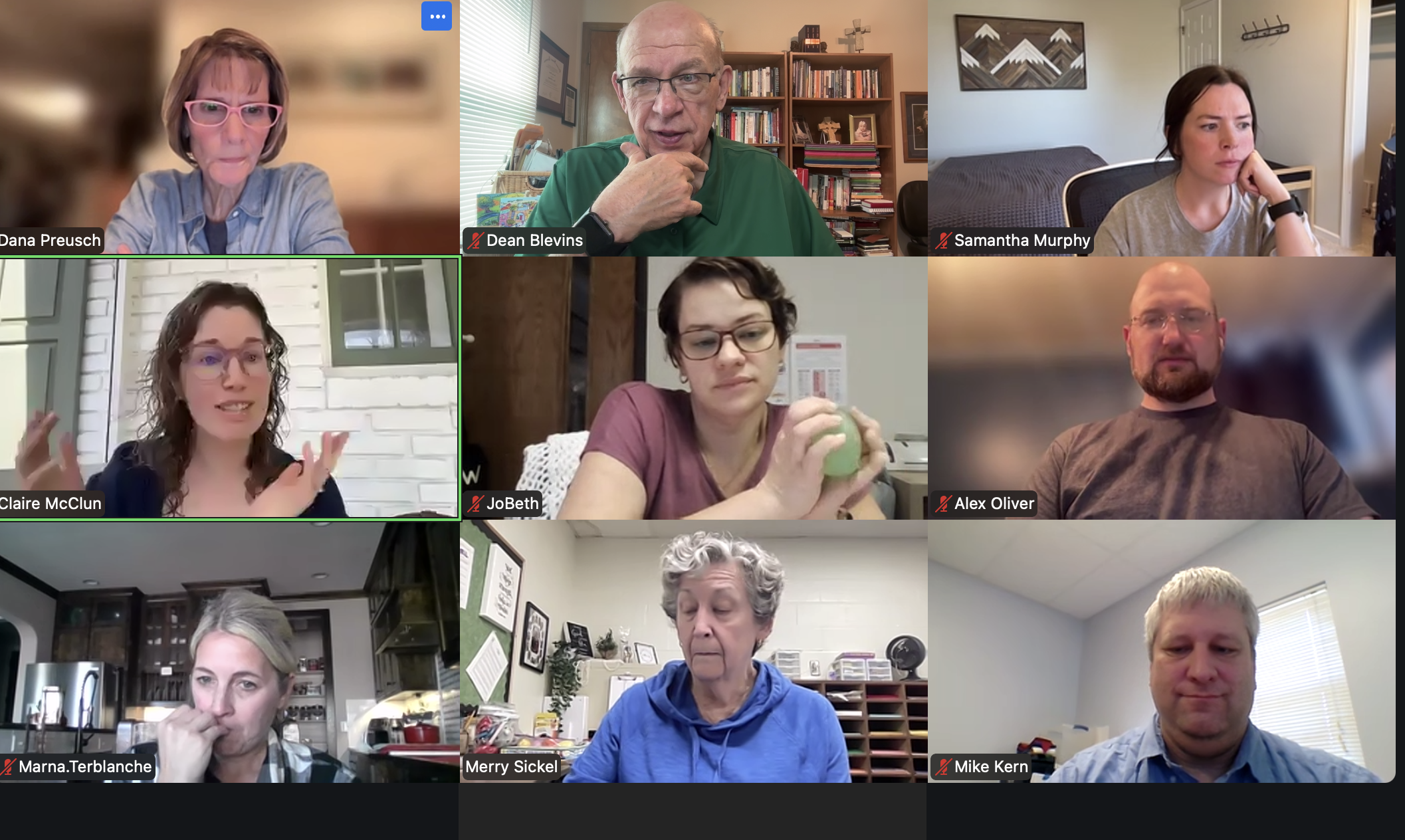
Faith leaders from across the Kansas City region, including Oklahoma congregations, gathered online recently to share progress and stories from a growing initiative aimed at making churches more welcoming for children with autism and other forms of neurodiversity.
The meeting of the Kansas City/Autism Nurturing Care network brought together pastors, ministry leaders, and nonprofit partners who are working together to redesign worship environments, train volunteers, and create spaces where neurodivergent children and adults can participate fully in congregational life. The group also celebrated milestones and exchanged updates from local congregations participating in the project.
Worship spaces designed for neurodiversity
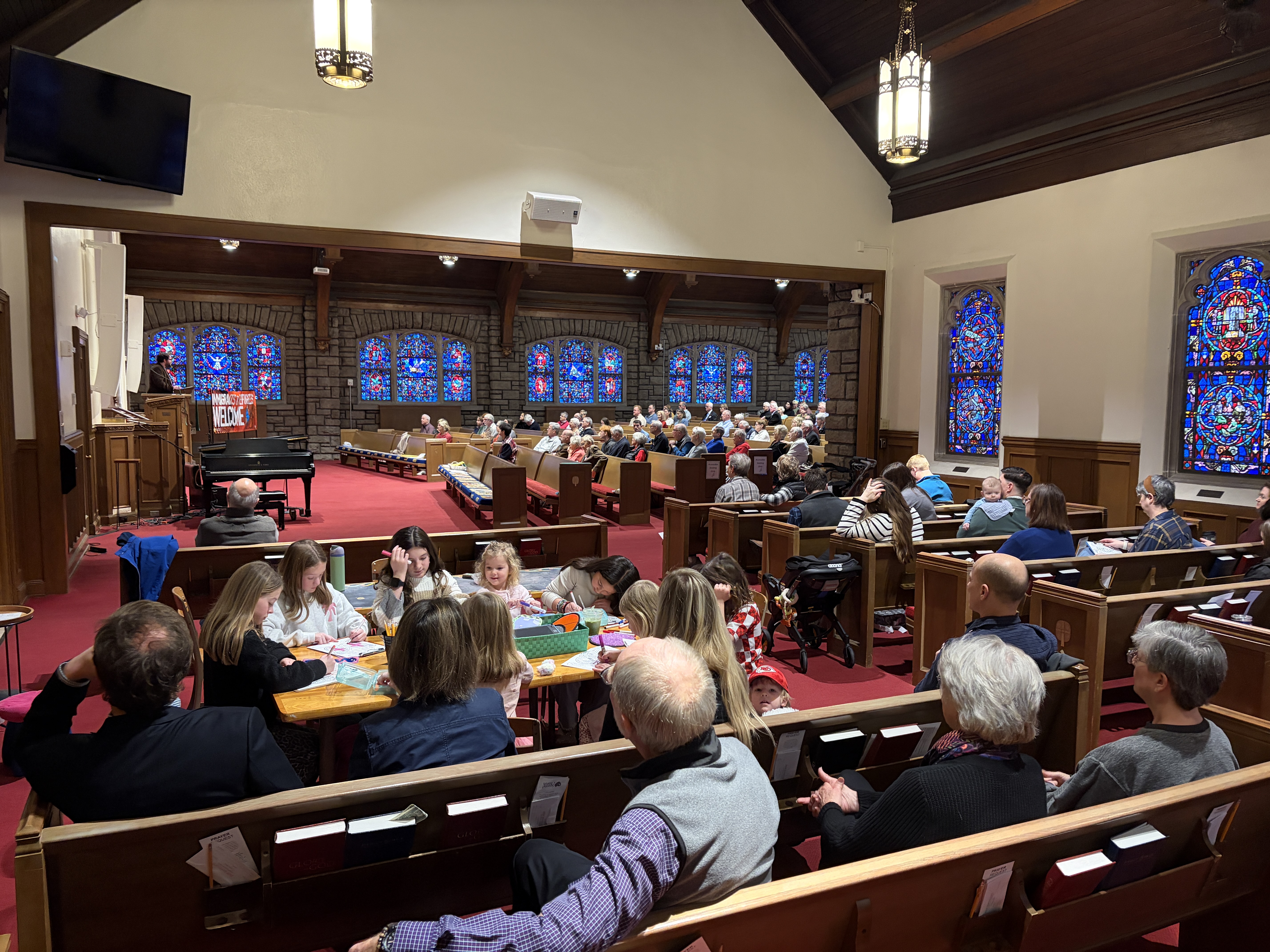
At Second Presbyterian Church in Kansas City, children’s director Samantha Murphy described how sensory tools — including noise-blocking headphones — have helped families feel more comfortable bringing autistic children into worship. During one recent service, a family visiting the “Pray Ground” area used the sensory tools, confirming that the church’s approach was helping families participate more fully.
Other congregations are taking similar steps. The Light KC in Overland Park has introduced fidget tools and noise-dampening headphones during children’s worship. Leaders reported that one child who previously could not tolerate anything on his head began wearing the headphones and remained joyfully engaged in worship, something that previously required him to leave the room for breaks.
Across the network, congregations reported experimenting with sensory-friendly worship practices.
Celebrating milestones and new partnerships
One highlight came from Rev. Alex Oliver of Raymore New Vision Church, whose congregation recently celebrated paying off its mortgage. During a recent “mortgage burning” celebration, the church distributed sensory kits to children attending the service.

The church is also planning to partner with SOAR Special Needs Ministries to host a respite night in September and will send volunteers to assist with a prom for individuals with autism this spring.
Oliver shared a story about a young guest with autism who used noise-reducing headphones during worship, allowing her to remain in the sanctuary rather than retreating to the lobby because of overstimulation. The child’s grandmother later expressed deep gratitude for the accommodations, which made the event accessible for the first time.

Another transition discussed during the meeting involved Marna Terblanche, who recently moved from directing Matthew’s Ministry at the Church of the Resurrection to a new role with the Autism Resource Center of Kansas City, focusing on services for autistic adults.
Slower, contemplative worship environments
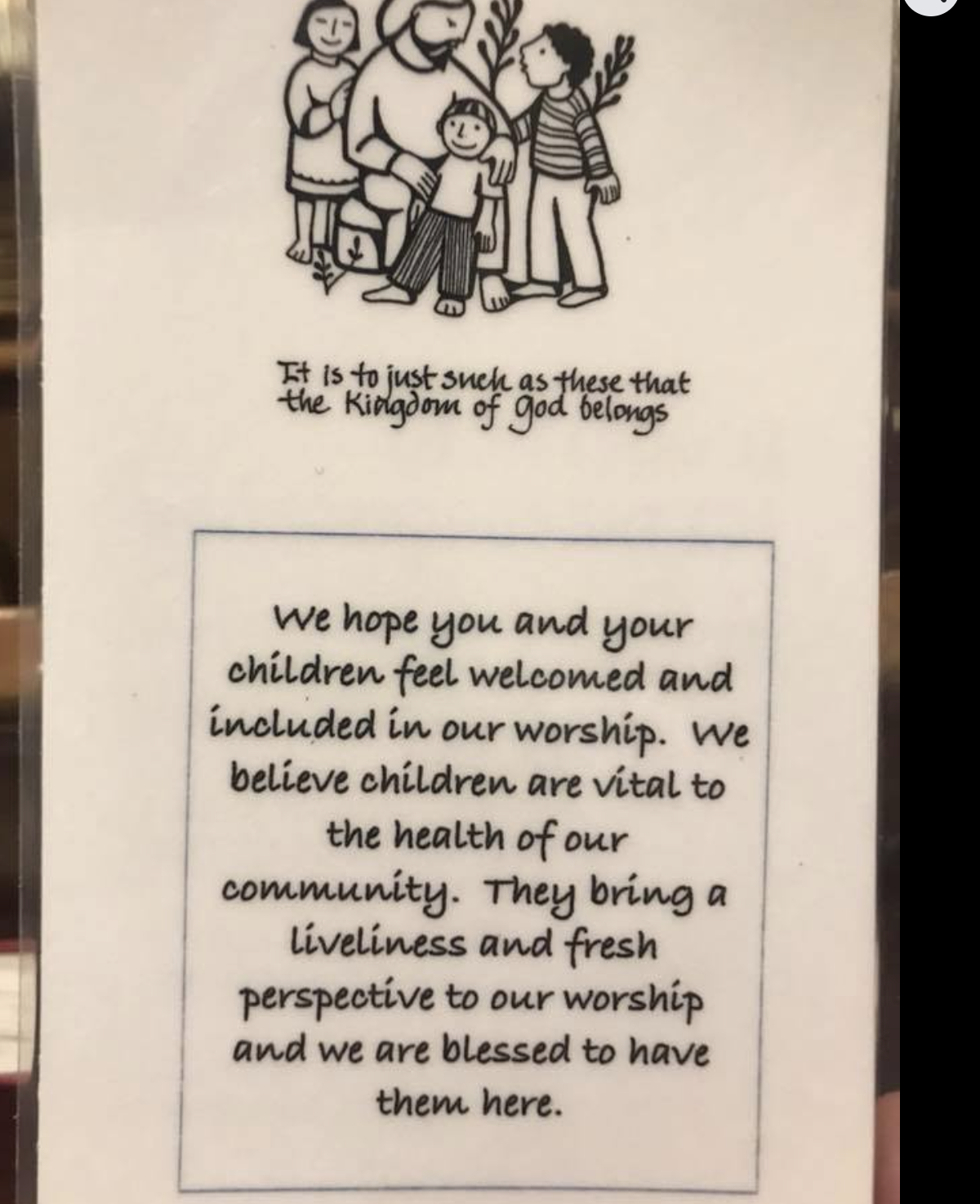
Some churches are also rethinking the pace and structure of worship. At 8th Street Church, leaders have been experimenting with smaller Lenten services designed to be slower and less stimulating. Hope Keimig noted the services incorporate imaginative prayer, art, and embodied forms of prayer to create a welcoming environment for neurodivergent participants. Church leaders say the format has helped children and adults engage spiritually without the pressure to sit still or respond in a single prescribed way.
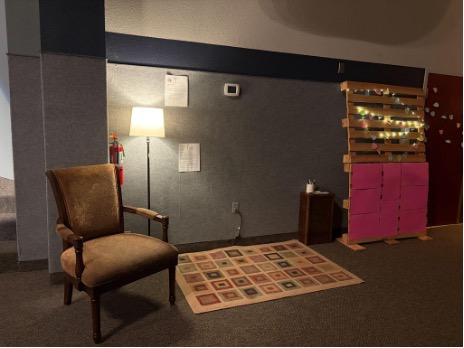
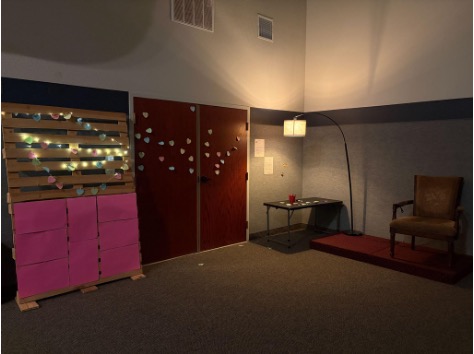
Norman Church reported the use of prayer stations during their Ash Wednesday service. The stations proved particularly helpful for children who wanted to participation. Pastor Nathan Jenkins noted that he hosted a visitor recently and explained their use of their Belong bags (mobile sensory bags). The individual responded, “As soon as I saw your wall and the pop-its, I knew what you were doing and I just want you to know how amazing it is that a church is doing this.”
Learning from lived experience
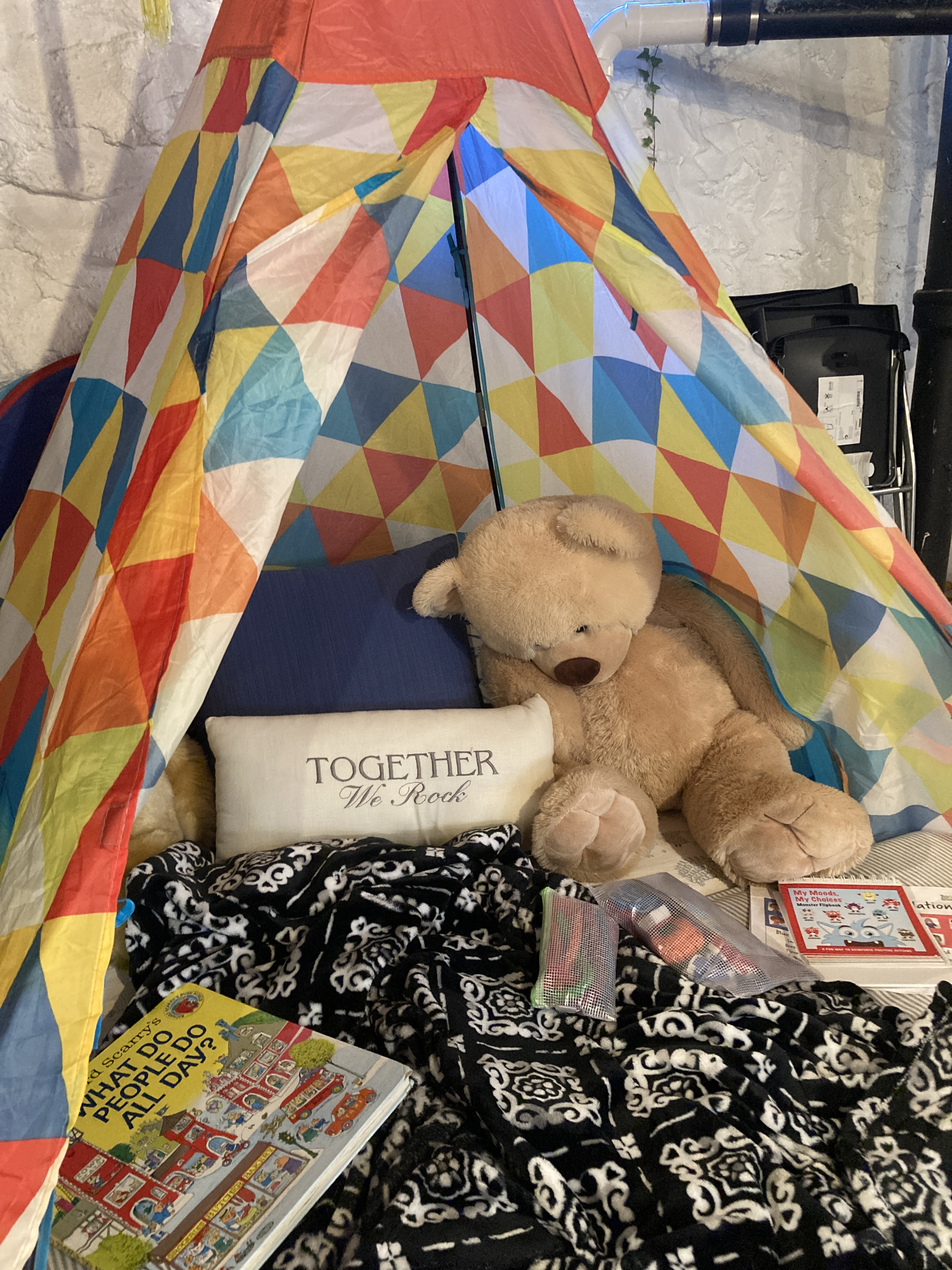
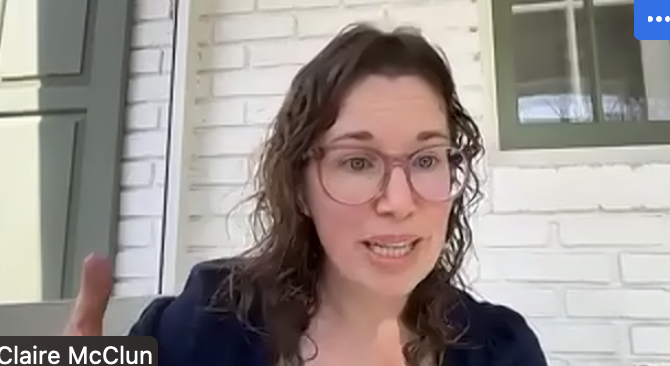
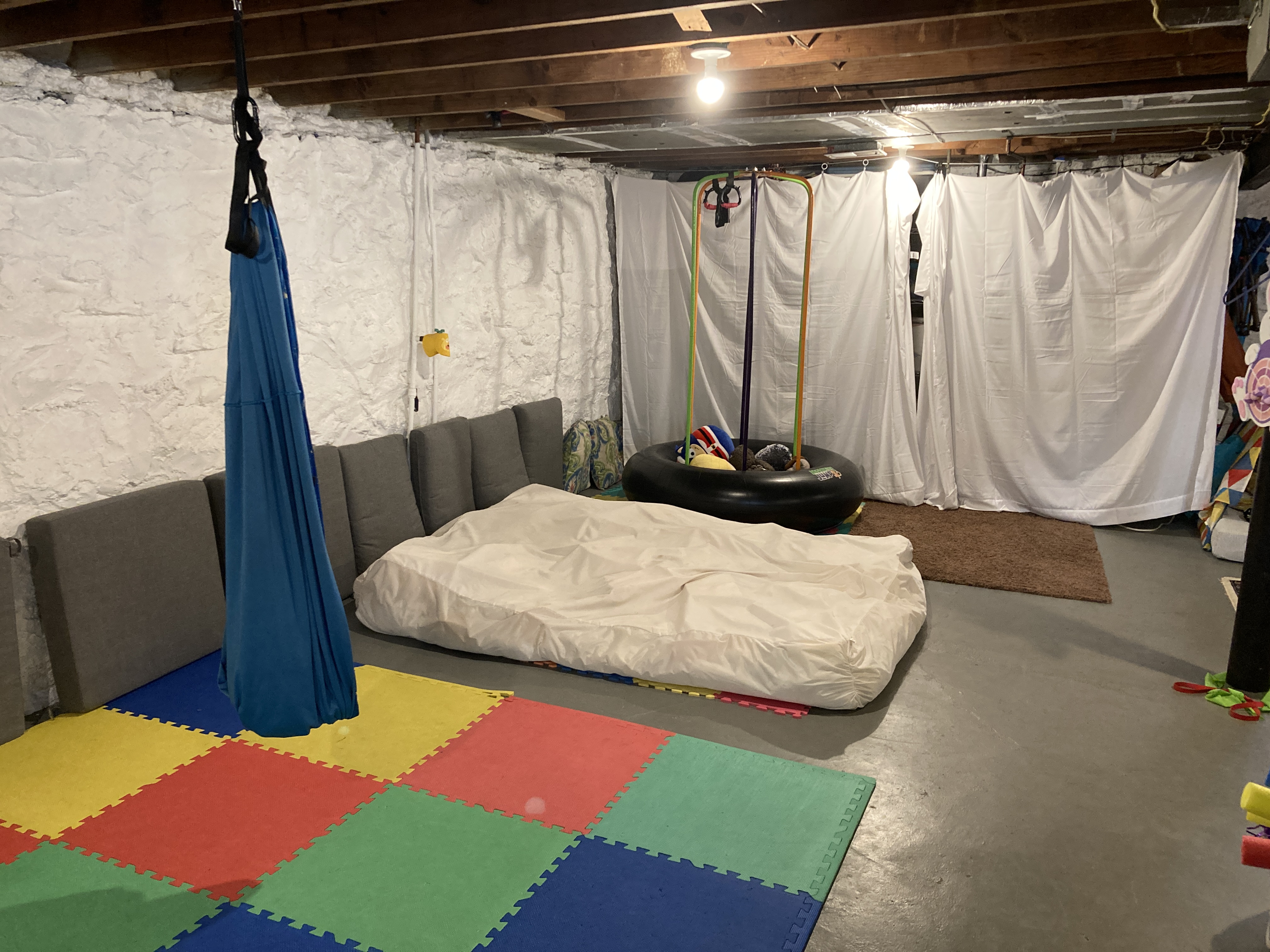
Throughout the meeting, participants like Claire McClun at Engage Church emphasized that the work of inclusion often grows out of everyday experiences with families in house churches as well as in congregations.
Leaders shared stories about volunteer “buddies” assisting children who may wander, congregations experimenting with sensory rooms, and parents expressing relief that their children could finally remain in worship. Many also highlighted how the changes benefit entire congregations, not just families affected by autism.
Looking ahead
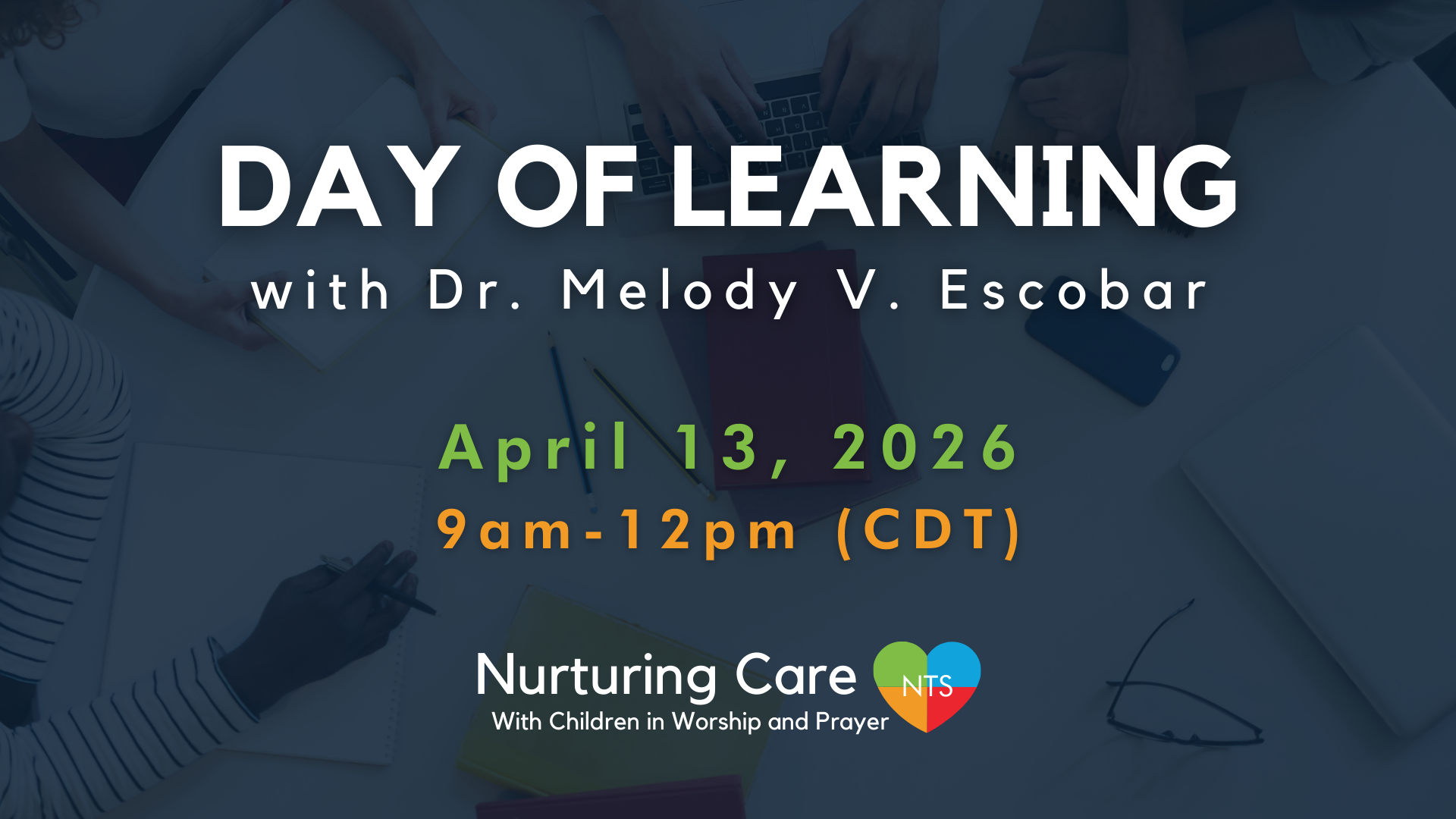
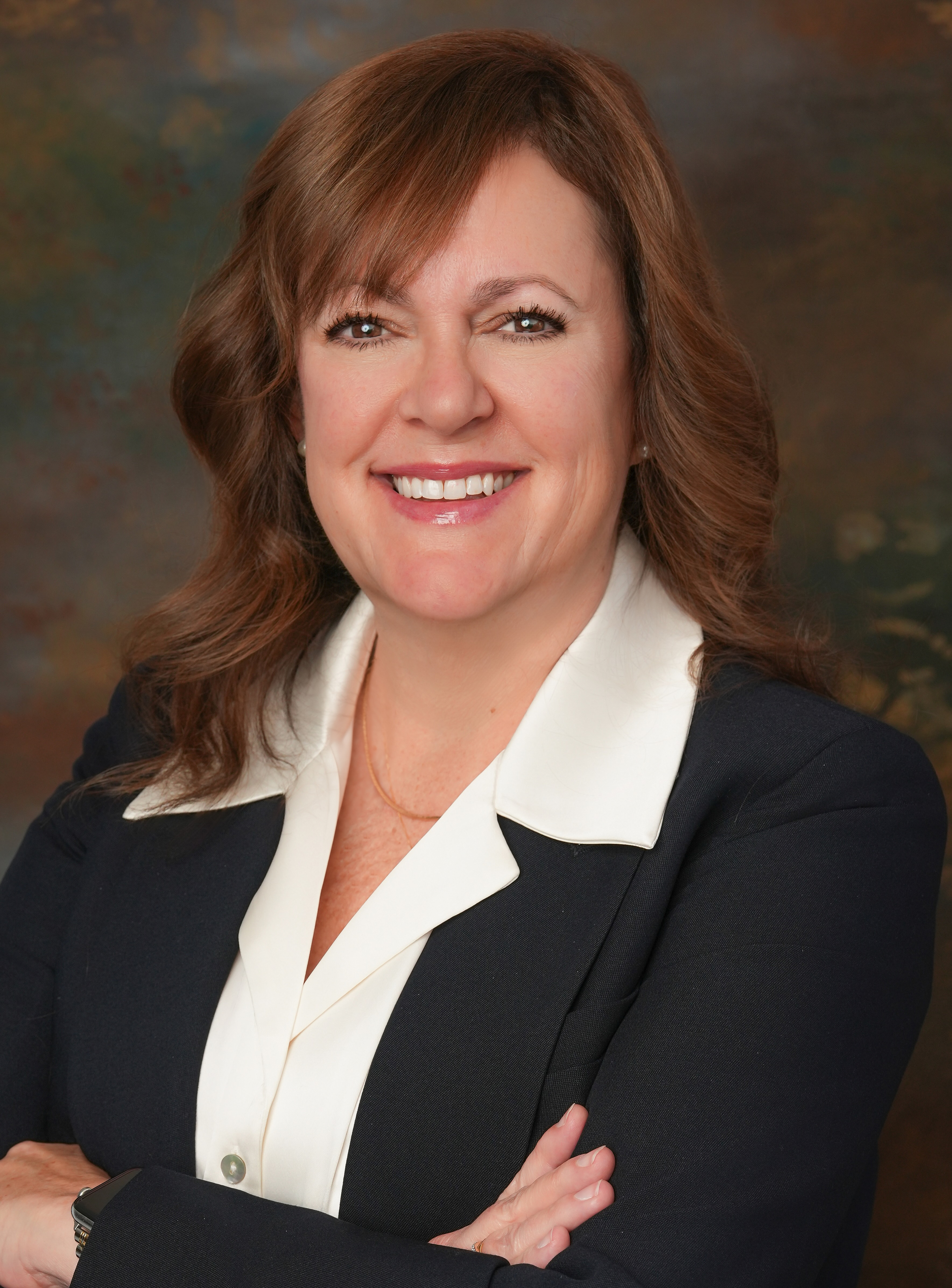
The network is planning several upcoming events, including a Day of Learning on April 13 featuring training and presentations by Dr. Melody Escobar related to autism inclusion. The gathering is expected to include representatives from 11 new churches across eight states, including several from the Kansas City area. Participants said the steady growth of the network — and the practical changes happening inside local congregations — are signs that the movement toward more inclusive churches is gaining momentum.
“Every small adjustment we make,” one leader noted during the meeting, “creates a place where more people can belong.”


 Discipleship Commons