
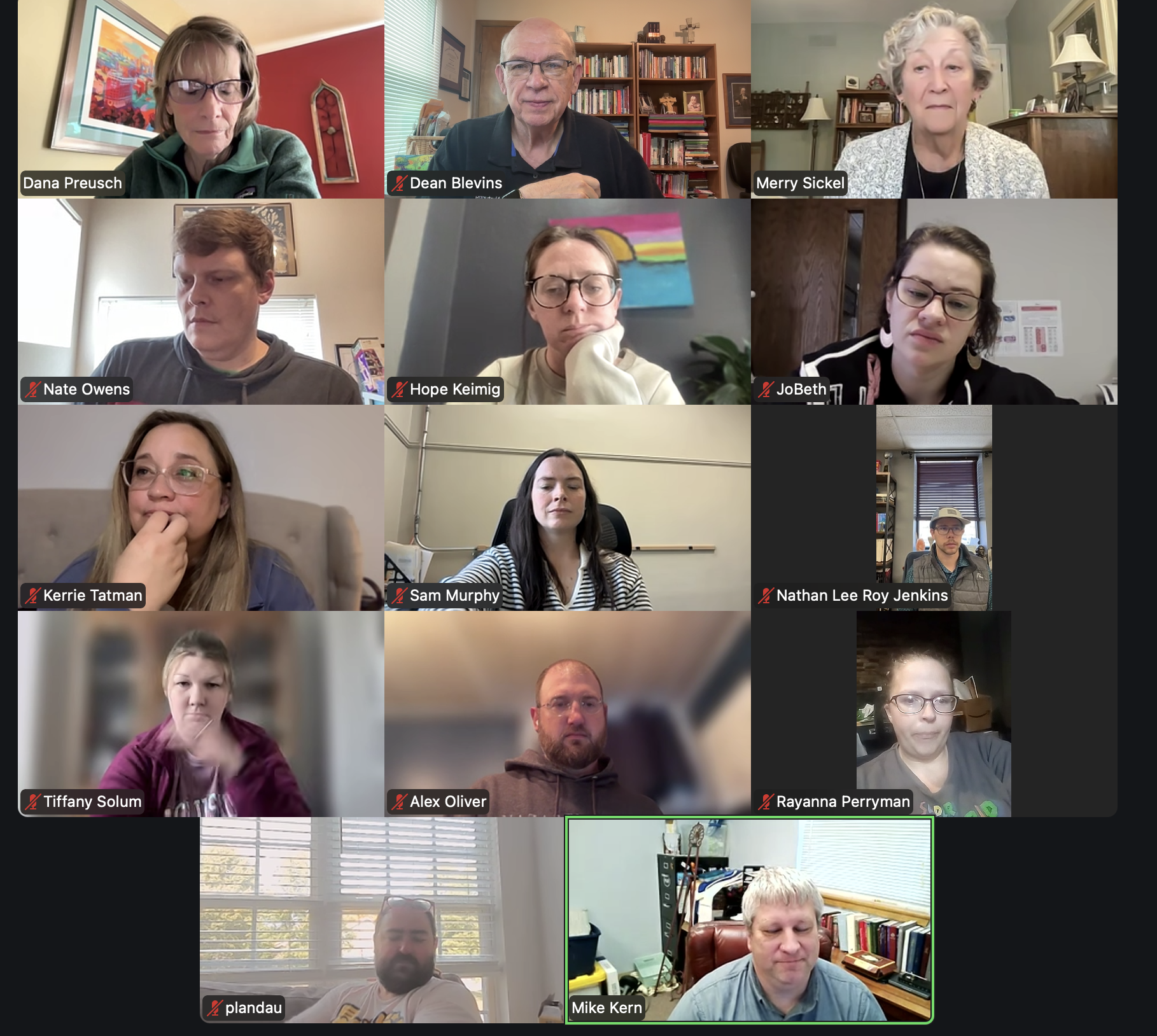

Across the Midwest, congregations are quietly redefining what it means to worship and pray together. From sensory-friendly sanctuaries to inclusive playbooks for volunteers, the Nurturing Care project is helping faith communities create spaces where every child—neurodivergent or not—feels they belong.
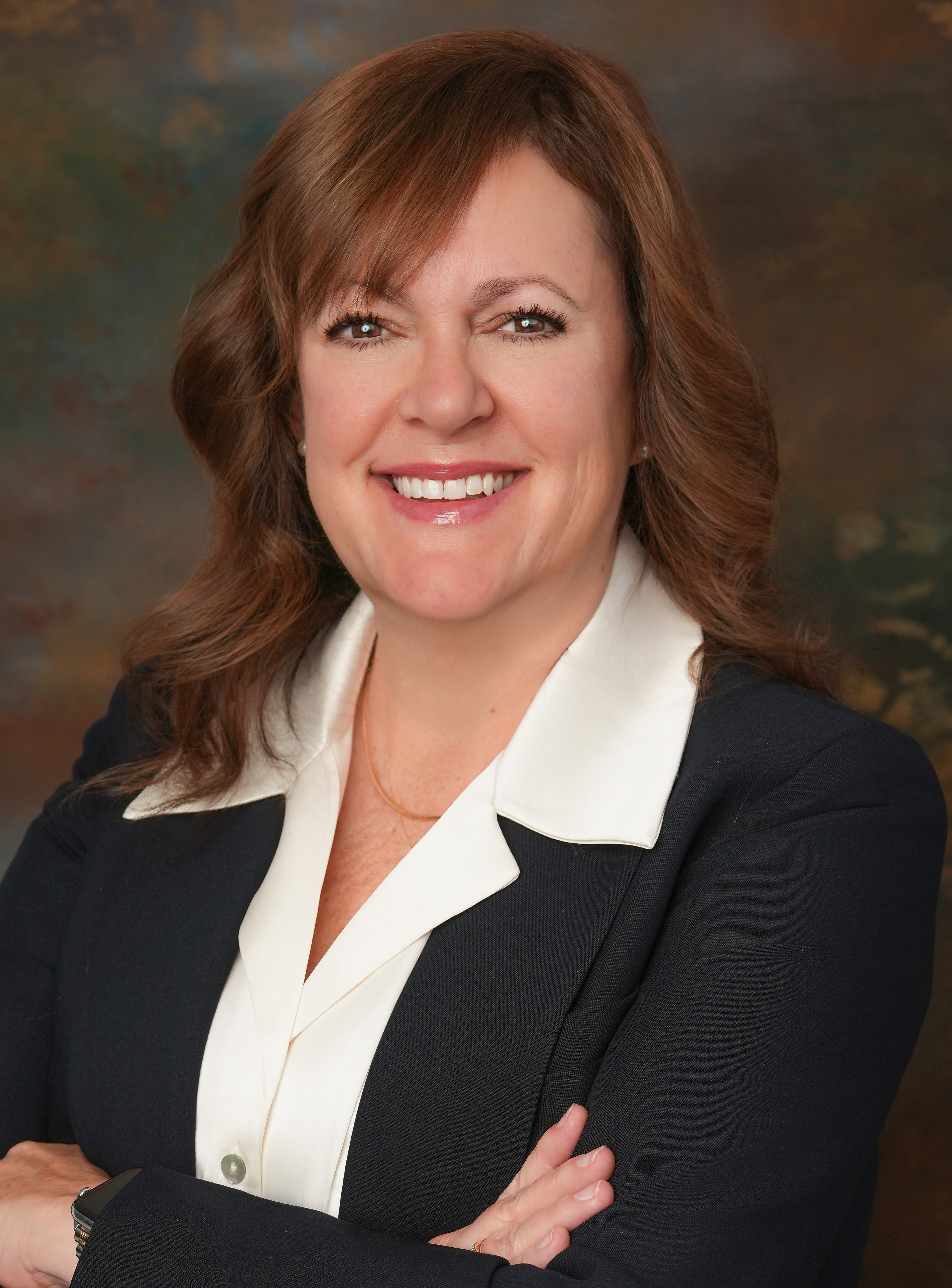

During a recent meeting of the Nurturing Care cohort, facilitated by national coordinator Dr. Dana Preusch, participants shared progress on prototypes funded through a Lily Endowment, Inc. grant, that soon will be replicated through a new Maker’s Space in Nashville Tennessee, March 6-7. In addition both groups will be invited for a “Day of Learning” scheduled for April 13. The event, featuring Dr. Melody Escobar, will be live-streamed to broaden the impact of these groundbreaking initiatives.
Reimagining Worship Through Play and Presence

Rev. Alex Oliver of New Vision Church of the Nazarene reported a powerful “God sighting” during a Trunk or Treat event, where a family with a child on the autism spectrum was moved to tears by the church’s commitment to inclusion. His gradual rollout of a mobile worship kit has already yielded moments of transformation: one student with ADHD joyfully exclaimed, “I can get my sillys out now!” after trying a wiggle seat for the first time.

At Christ Community Church of the Nazarene, Amy Schlepp and Rayanna Perryman shared how even small adjustments, like swapping out a rectangular rug for a circular one, have made profound differences in children’s engagement. Schlepp’s reflections on the story of Zacchaeus—how a tree provided the accommodation that allowed Zacchaeus to meet Jesus—resonated deeply with the experience. “It’s a perfect image,” she said, “of how accessibility can create sacred encounters.”
Meanwhile, Nathan Jenkins of Norman Community Church of the Nazarene shared how his congregation’s experiment with environmental changes led to an unforgettable moment. When a nonverbal teenager was given solo time in a bounce house set up in the sanctuary, his AAC device voiced the words “Nice, nice, people.” Jenkins reflected, “That one phrase told us everything we needed to know about belonging.”
Building Tools, Training Teams, and Sharing Resources
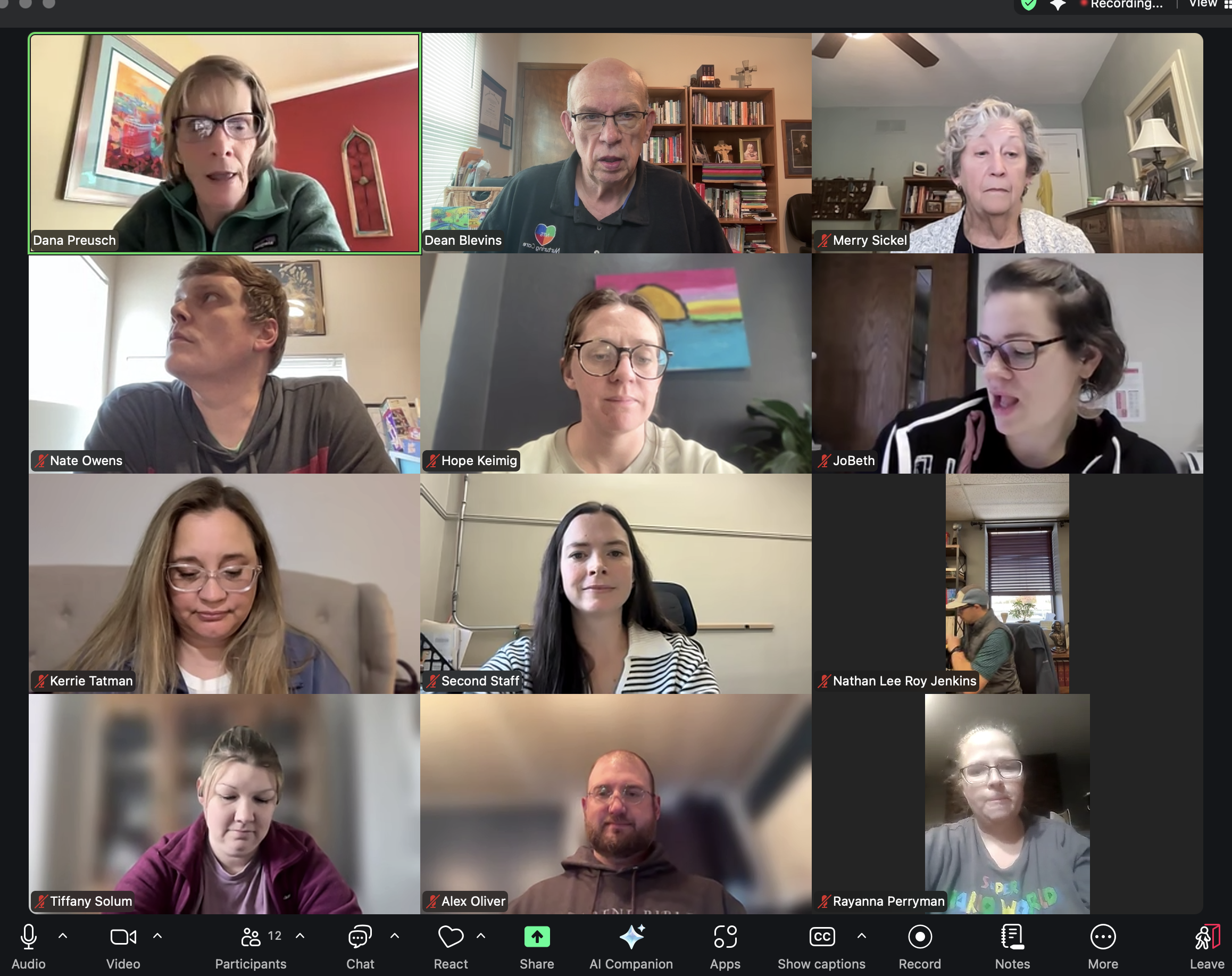

A recurring theme across reports and the oral discussion was collaboration—how churches are sharing tools and learning from one another. JoBeth Crank from The Light KC expressed challenges about creating a training playbook from scratch; group mentor Dean Blevins encouraged using existing resources like the Church of the Nazarene’s Wonderful Works Adaptive Library. Others, including Merry Sickel of New Hope Church, shared how those same Wonderful Works icons are helping children navigate worship routines.

Tiffany Solum at Living Hope Church is developing “Sensory Sundays” and tandem teaching models to help volunteers practice introducing sensory tools in real-time. Similarly, Hope Keimig of 8th Street Church described her “Sacred Belonging” prayer tapestry—an interactive spiritual exercise that allows children to weave prayers with colored threads. One child’s prayer for her ailing grandfather, she said, “reminded us that belonging begins in the heart.”

At Hosanna! Lutheran Church, Pastor Michael Kern is expanding the reach of neurodiversity awareness beyond the church walls. His presentation at a Rotary Club struck a chord when he compared sensory overload in autistic children to the challenges faced by those with hearing aids in noisy spaces. Kern’s church is also developing neurodiversity.church, a website dedicated to offering theological insight, educational materials, and practical resources for congregations nationwide.
Creating Inclusive Worship Experiences

Samantha Murphy of Second Presbyterian Church, Kansas City, described how her congregation’s intergenerational services have become a laboratory for inclusion. From inviting children to pass offering plates to using visual bulletins with checkboxes, her team, including Patrick Landau, has seen unexpected joy and engagement. “If the church isn’t crying, it’s dying,” she reminded her congregation during one chaotic but spirit-filled morning.

Similarly, Kerrie Tatman shared how her grant work is birthing a fifth Sunday service designed specifically for families with special needs. Early collaborations with nurse practitioners and families are shaping the service’s design, while a beloved photo booth has already become a favorite spot for one autistic child—proof that small details can create deep comfort.

Nate Owens at Olathe Westside reported: “The leader of our Wednesday night ministry, who also serves on our children’s council and has an autistic daughter, was particularly excited about the grant proposal. Before we had even submitted the final application she began implementing some of our proposed changes to worship. She started using a “roadmap” of icons on Wednesday night, to show kids what is coming up next in worship and prepare them for the transition. She also has experimented with alternative seating in a rudimentary way, using resources we already have in our kids area”
Learning, Adapting, and Growing Together

Across all reports, several patterns emerged:
- Small changes create large impact. Whether through rugs, visual icons, or prayer looms, tangible sensory tools foster belonging.
- Volunteers are key. Churches are recognizing that inclusion begins with training and empathy.
- Theology of belonging matters. From scriptural reinterpretation to new liturgical practices, leaders are reimagining what it means to encounter God together.
As Nurturing Care Director Dean Blevins reminded the group, “Our playbooks will evolve through trial and error. The important thing is that we’re learning together.”
With both a new Maker’s Space occurring in Nashville March 6-7, and the April “Day of Learning” on the horizon, these congregations continue to model a faith that listens, adapts, and embraces difference—not as a challenge to overcome, but as a sacred invitation to community.


 Discipleship Commons
Pingback: Nurturing Care 2025 Retrospective | Discipleship Commons