
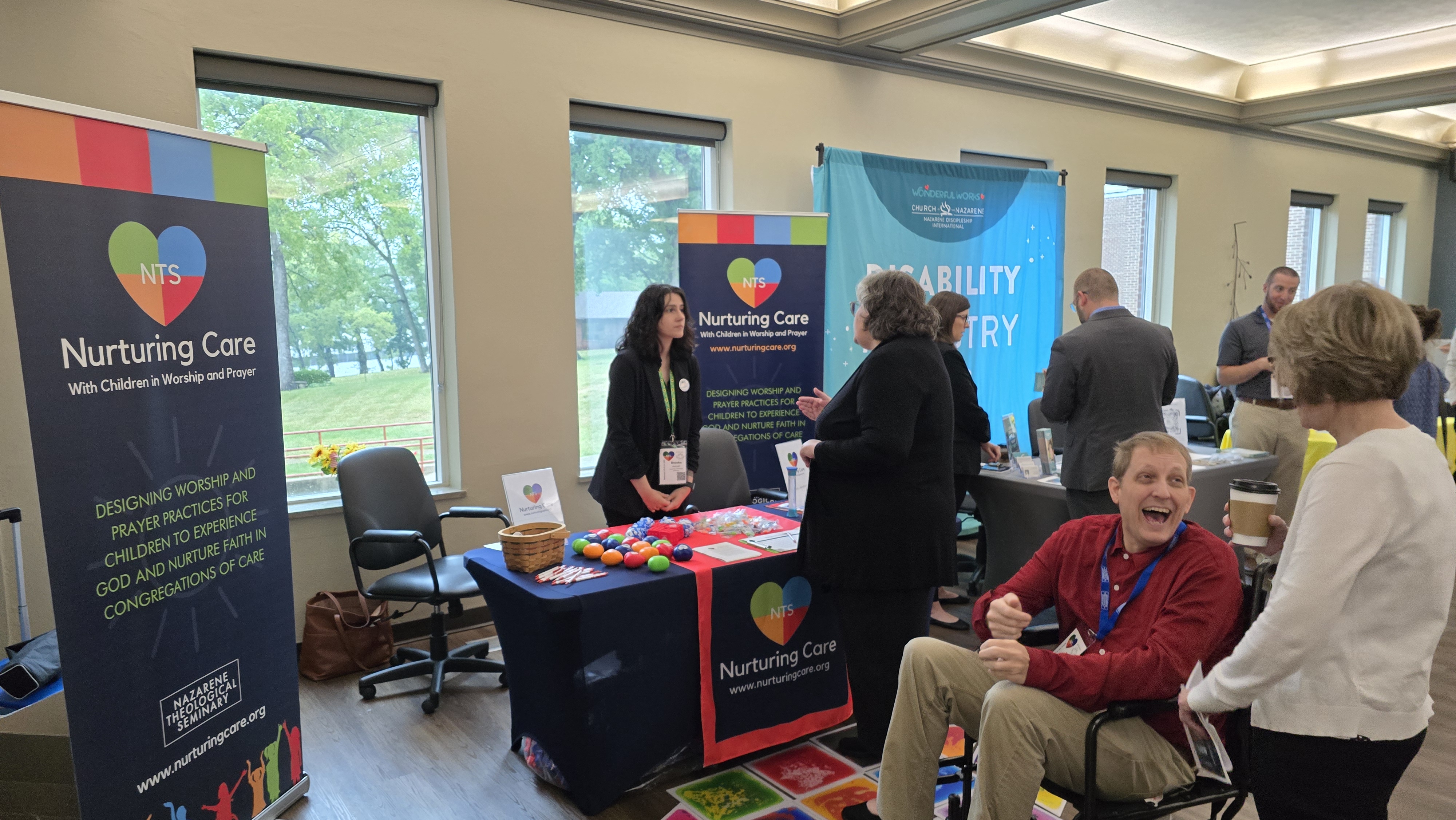

Nurturing Care participated in the 2025 Hugh C. Benner Preachers Conference at Nazarene Theological Seminary hosted by NTS Praxis. The event gathered pastors, educators, and advocates around the theme “All God’s Children”—a focus on engaging and supporting neurodiverse and disabled people through preaching and ministry.

Throughout two days of plenary preaching and workshops, speakers explored how churches can embody inclusion not as an afterthought but as a reflection of the gospel itself. The workshops exemplified the heart of this mission, each offering theological grounding, practical models, and deeply personal witness to how the Church can become a community of true belonging.
1. Stephanie Answer: Can I Still Pray If I Can’t Speak?
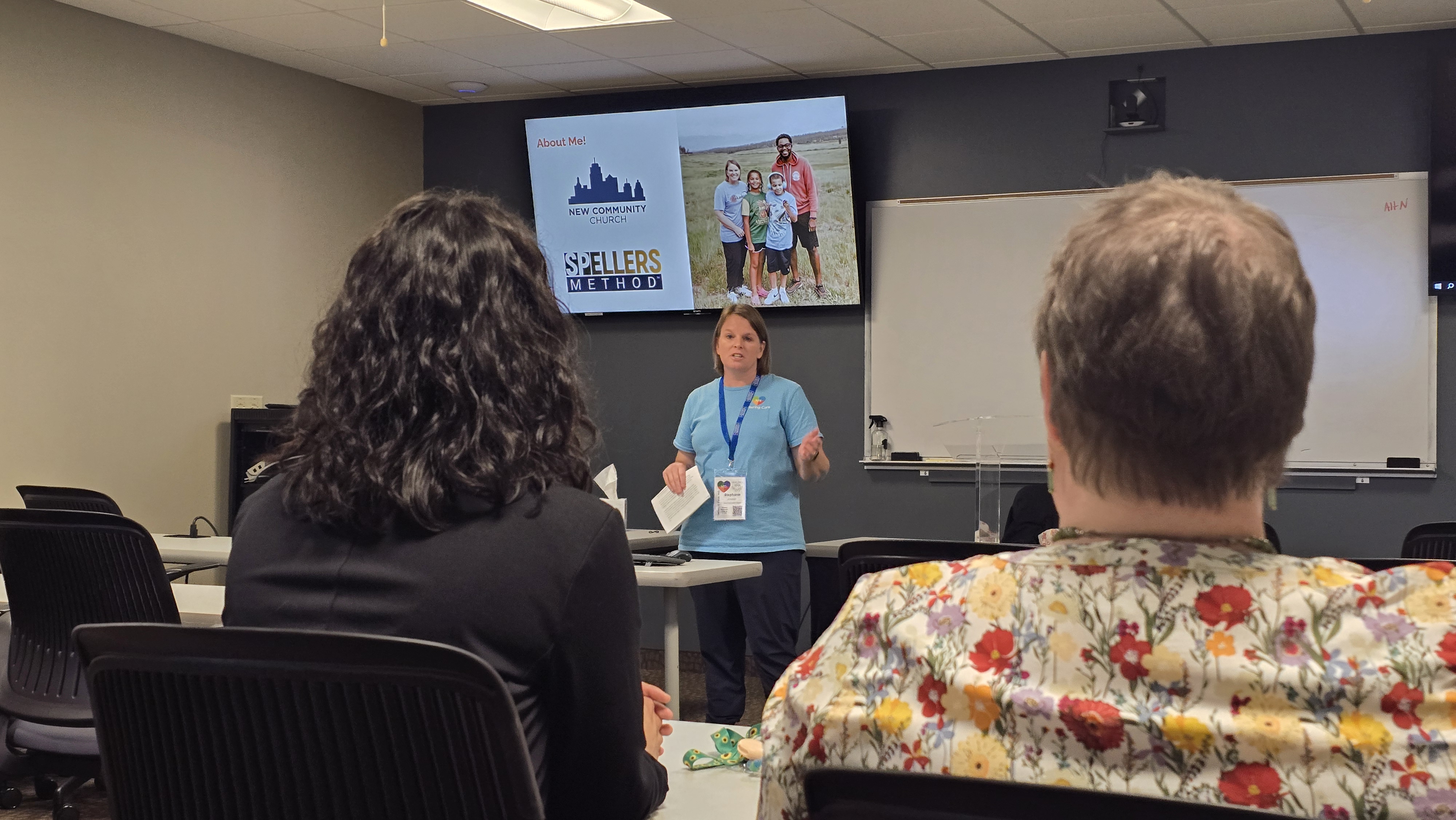
Pastor and community developer Stephanie Answer offered one of the conference’s most moving sessions, exploring communication, worship, and prayer through her experience parenting a nonspeaking autistic son. In “Can I Still Pray if I Can’t Speak?” she demonstrated alternative communication methods—partnering with a speller to welcome participants letter by letter .
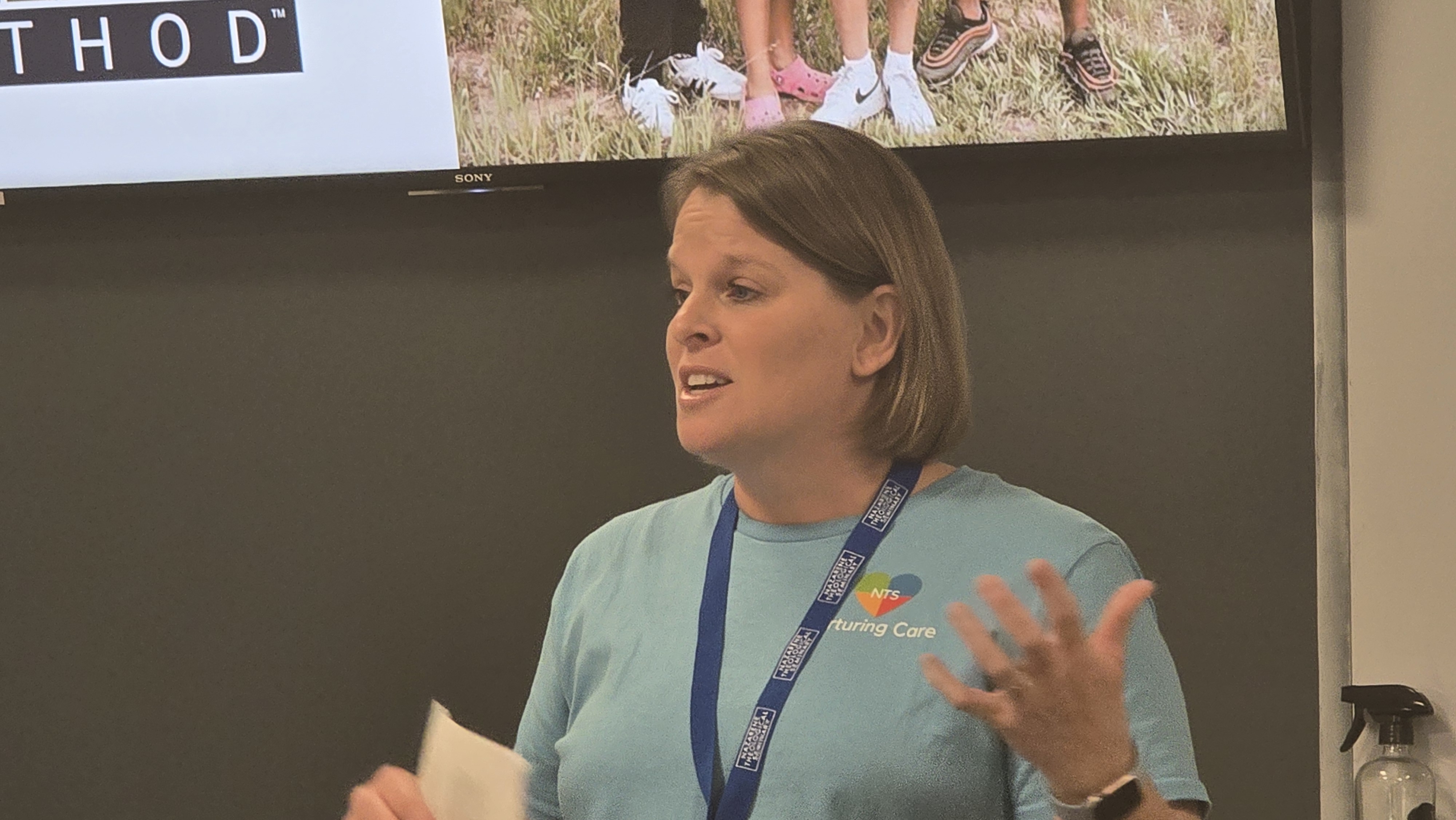
Answer re-read Luke 5’s story of the paralyzed man, asking, “What if this isn’t a story about healing, but about access to Jesus?” Her church, structured around inclusive micro-communities, practicing “family-style” worship at tables, integrating sensory items, art, and movement. For her, accessibility is not accommodation but theology: the church’s task is to ensure Jesus remains reachable for all.
2. Ryan Nelson: From the Pastor’s Heart—Disability Ministry When You Don’t Have All the Answers
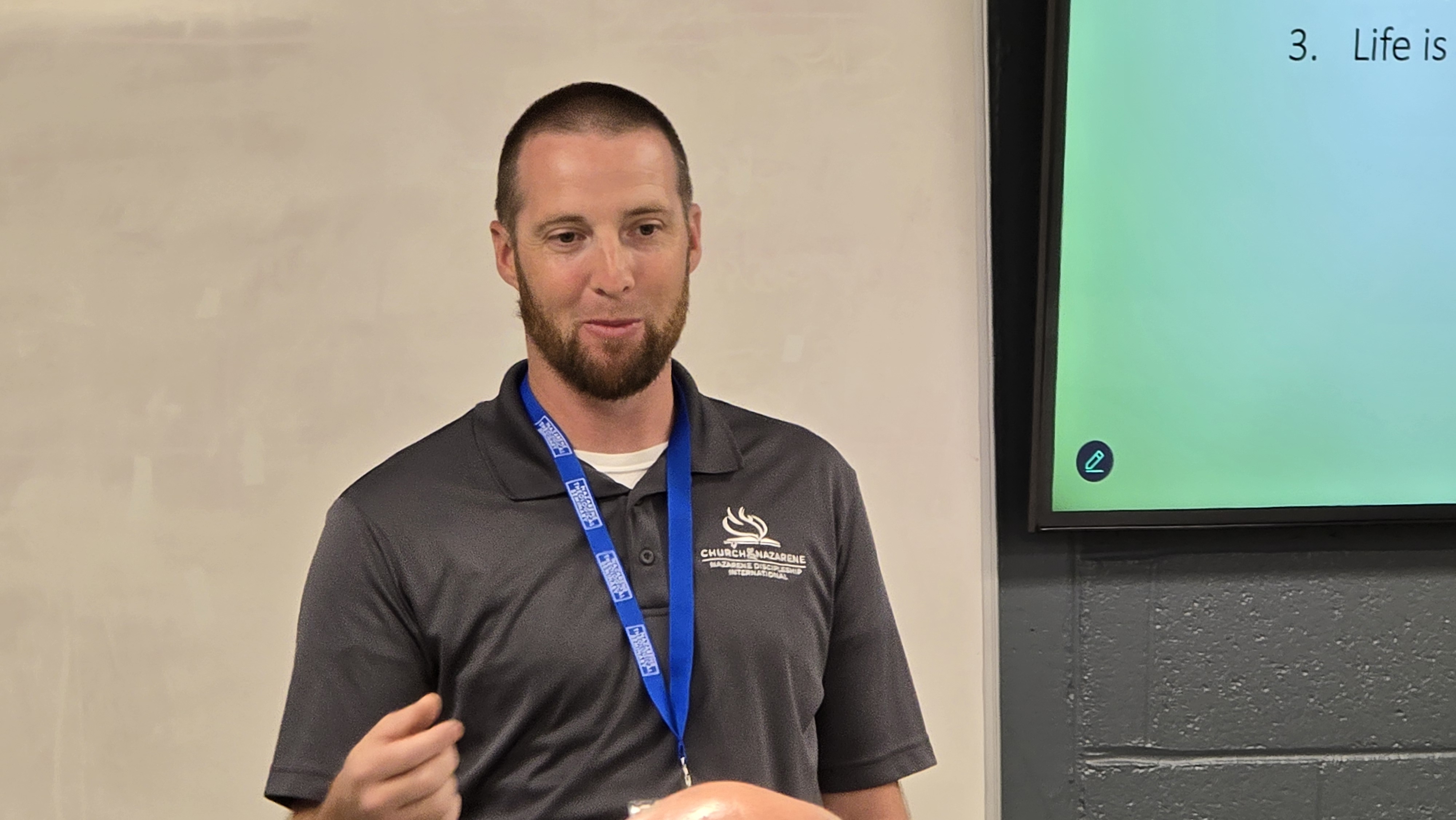
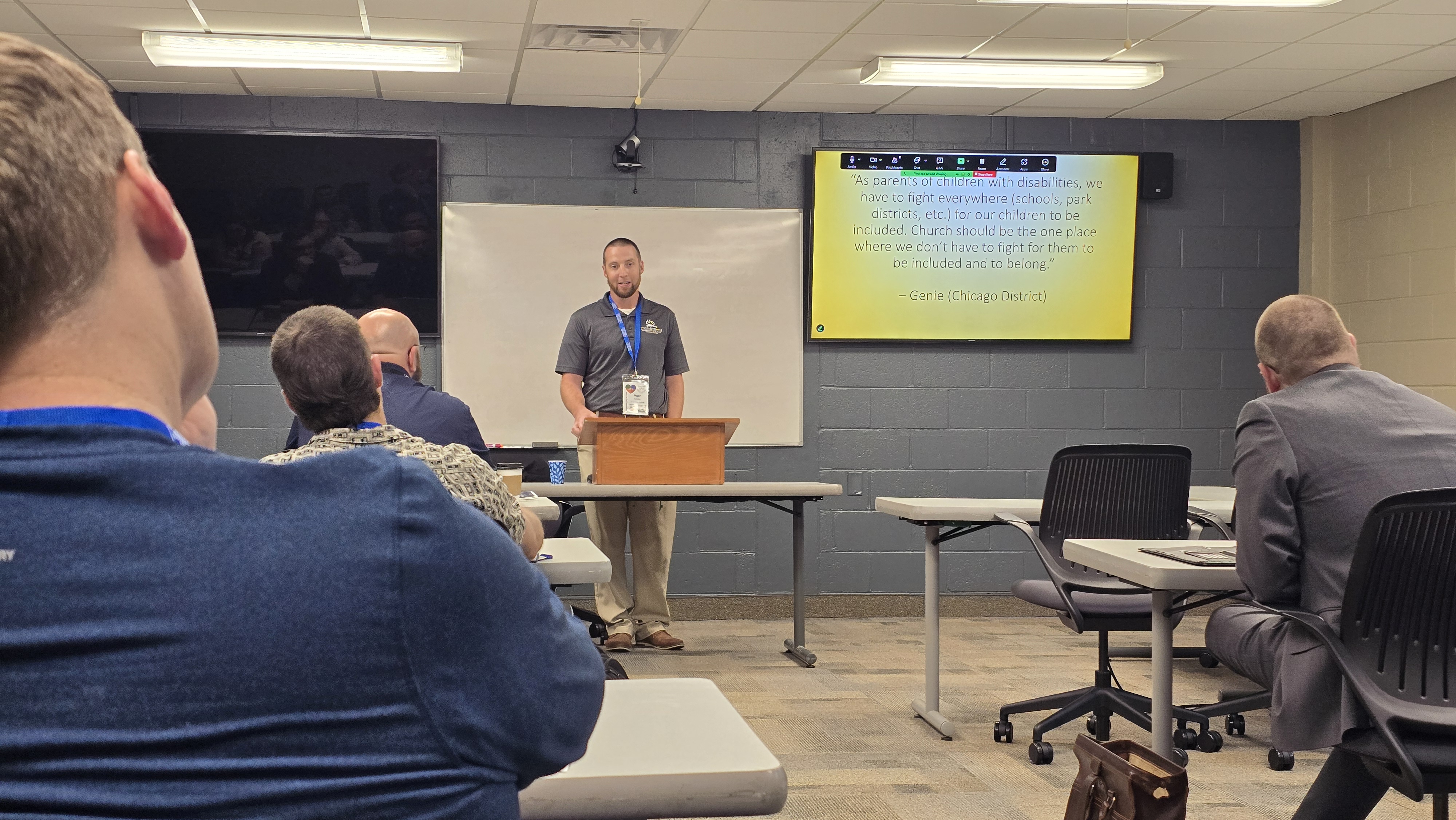
Ryan Nelson, disability ministry coordinator for the Church of the Nazarene, addressed leaders who feel unequipped to start. Using the story of friends lowering a paralyzed man through the roof (Mark 2), he asked, “What are the obstacles today keeping families from reaching Jesus?”

Nelson encouraged pastors to become “cheerleaders” for disability ministry even when they lack expertise. He highlighted practical resources like the Adapted Discipleship Library, a free online collection of training videos, Bible stories, and social narratives created with Wonderful Works Ministry. Sharing testimonies of families who encountered Christ through these tools, Nelson offered a simple message: revival begins when the church removes barriers to belonging.
3. Bill Gaventa: Preaching (on) Disability—Promise, Perils, Paradox, and Parable
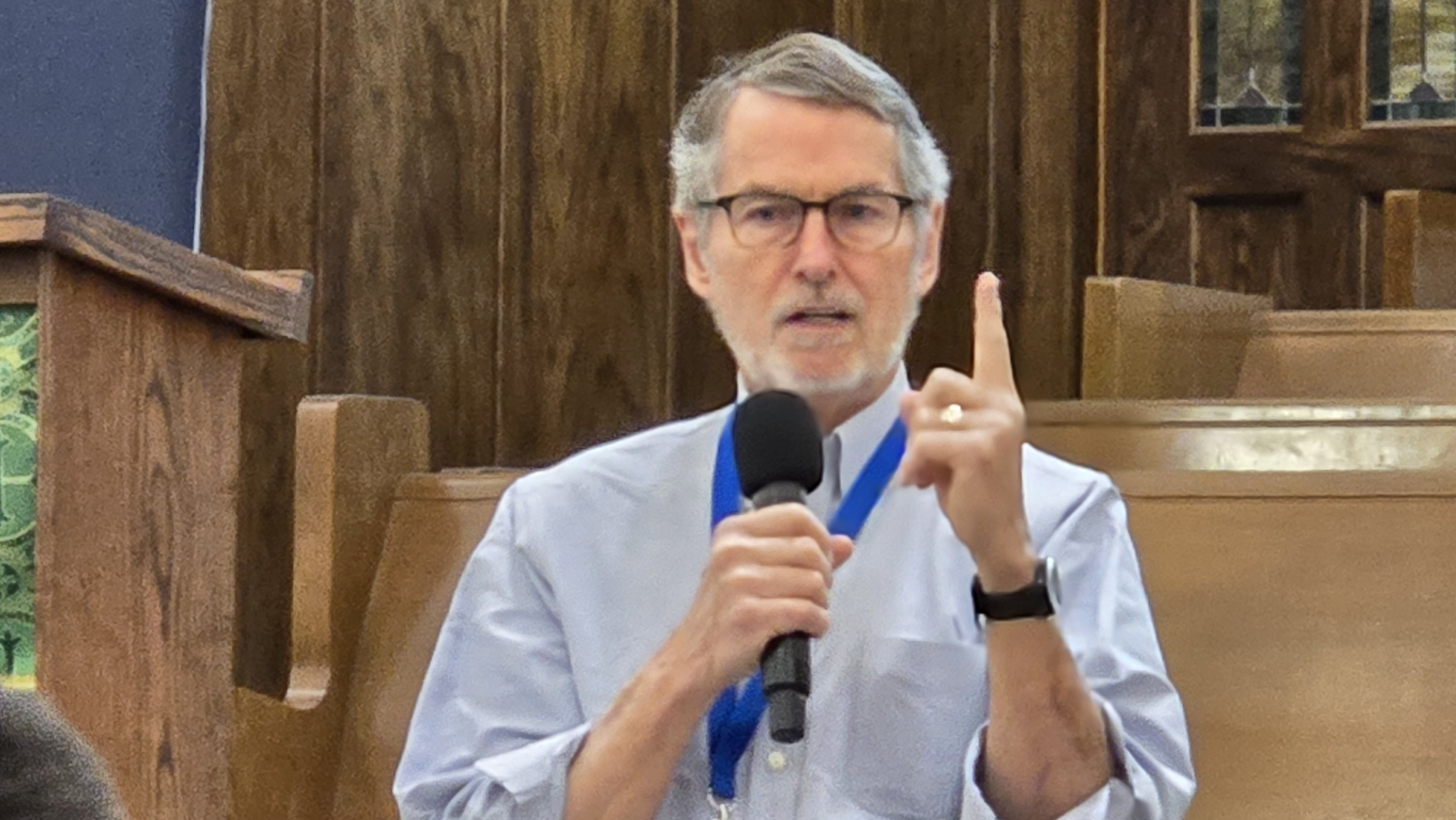
Rev. Bill Gaventa, a pioneer in disability theology, led participants through the language and ethics of preaching about disability. Drawing on fifty years of experience, he warned against portraying disabled persons as either victims or heroes and urged preachers to avoid using disability as metaphor for sin or moral failure.

Gaventa proposed that every sermon can speak to people with disabilities—not by singling them out, but by recognizing that “about a quarter of people have some kind of disability.” He emphasized listening: pastors should “ask people with disabilities to tell their stories” and learn from them as teachers of faith. His reading of biblical figures—Moses’ stutter, Jacob’s limp, Paul’s “thorn in the flesh”—revealed that experiences of limitation and vocation often coexist. In Gaventa’s theology, disability is not an obstacle to holiness but a context for grace, one that reframes how we understand embodiment and divine image.
4. Stephen “Doc” Hunsley: Becoming a Biblical Church of Belonging

Dr. Stephen “Doc” Hunsley’s session, “Why Disability Ministry: Becoming a Biblical Church of Belonging,” offered a sweeping vision rooted in Luke 14. A former pediatric ER doctor and father of a child with profound disabilities, Hunsley shared how personal tragedy transformed his calling. After losing his son Mark, he founded SOAR Special Needs Ministry, which now supports hundreds of families .
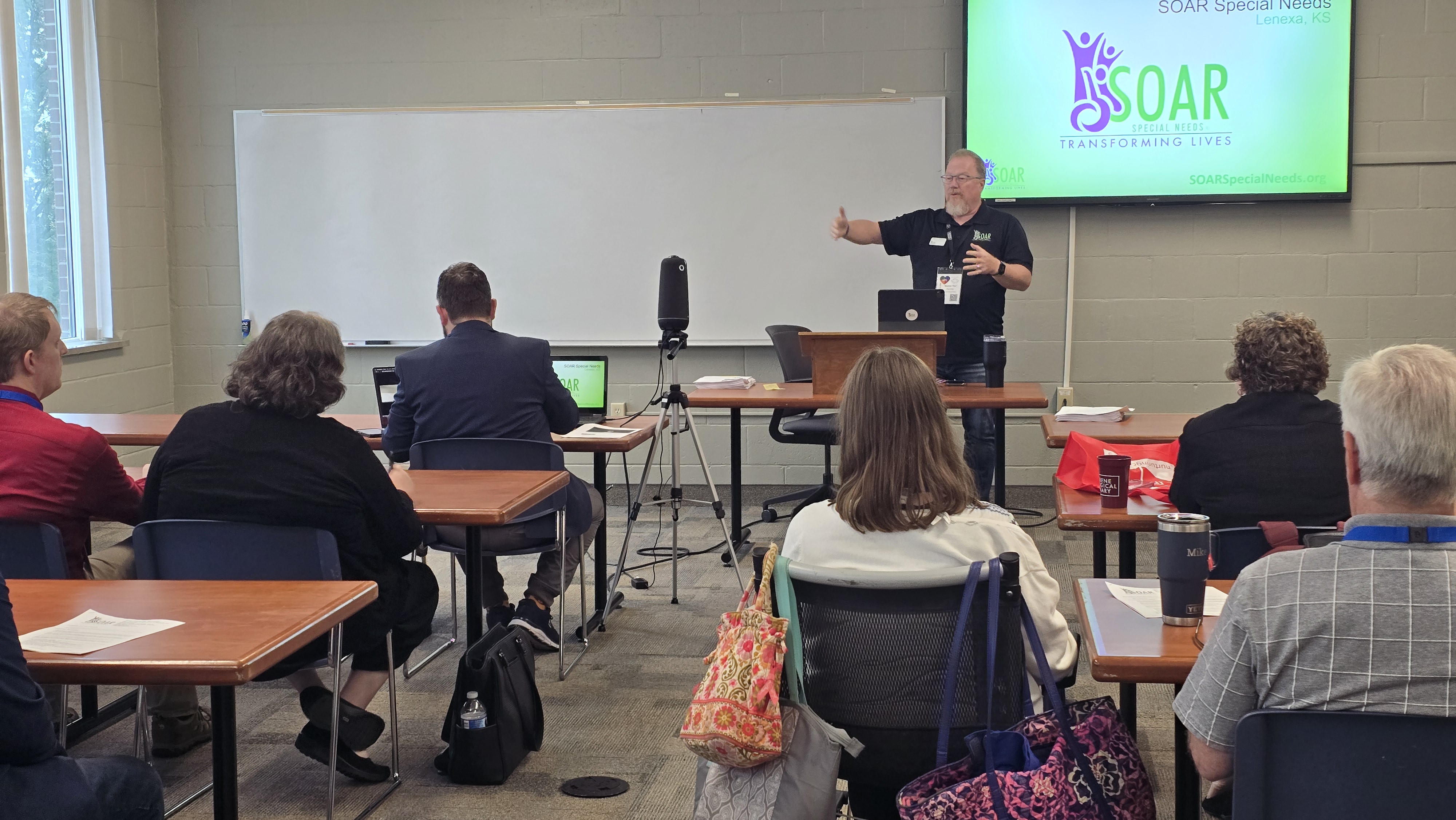
Hunsley wove data and Scripture into a passionate call for inclusion: only 11% of evangelical churches welcome families with disabilities, even though nearly one in three Americans possess a diagnosis. “The church,” he said, “cannot be complete without them.” He distinguished between inclusion and belonging—the latter meaning people are “present, invited, known, accepted, supported, cared for, befriended, needed, and loved.” His theological argument proved compelling: if 68% of Jesus’ miracles involved healing those with disabilities, then to imitate Christ is to welcome them. Hunsley’s mix of biblical mandate and ministry models reframed disability ministry as essential to the Church’s identity.
5. Kris Mitchell: The Language of Neurodiversity

Therapist and ordained elder Kris Mitchell delivered an energetic and pastoral introduction to neurodiversity, helping preachers understand ADHD, OCD, Tourette’s, and autism as neurological differences, not deficits. Using vivid case studies from his counseling work, he explained how misunderstanding communication styles or literal thinking can alienate neurodivergent individuals in church life.

Mitchell urged pastors to rethink language—avoiding metaphors, idioms, or theological phrasing that confuse or shame. He modeled empathy by showing how language can wound or heal, emphasizing that Jesus’ ministry was characterized by asking questions and meeting people where they were. His appeal was deeply pastoral: “The gospel must be communicated in ways people can actually receive it.”
6. Jesse Briles: Called to Lead, Wired Differently

Rev. Jesse Briles, himself an autistic pastor, spoke with candor and humor about neurodiversity in clergy life. His workshop, “Called to Lead, Wired Differently,” blended testimony with theology. Diagnosed at 33 after years, while in ministry, Briles described the freedom of discovering that he was “not broken, just operating with a different system.”
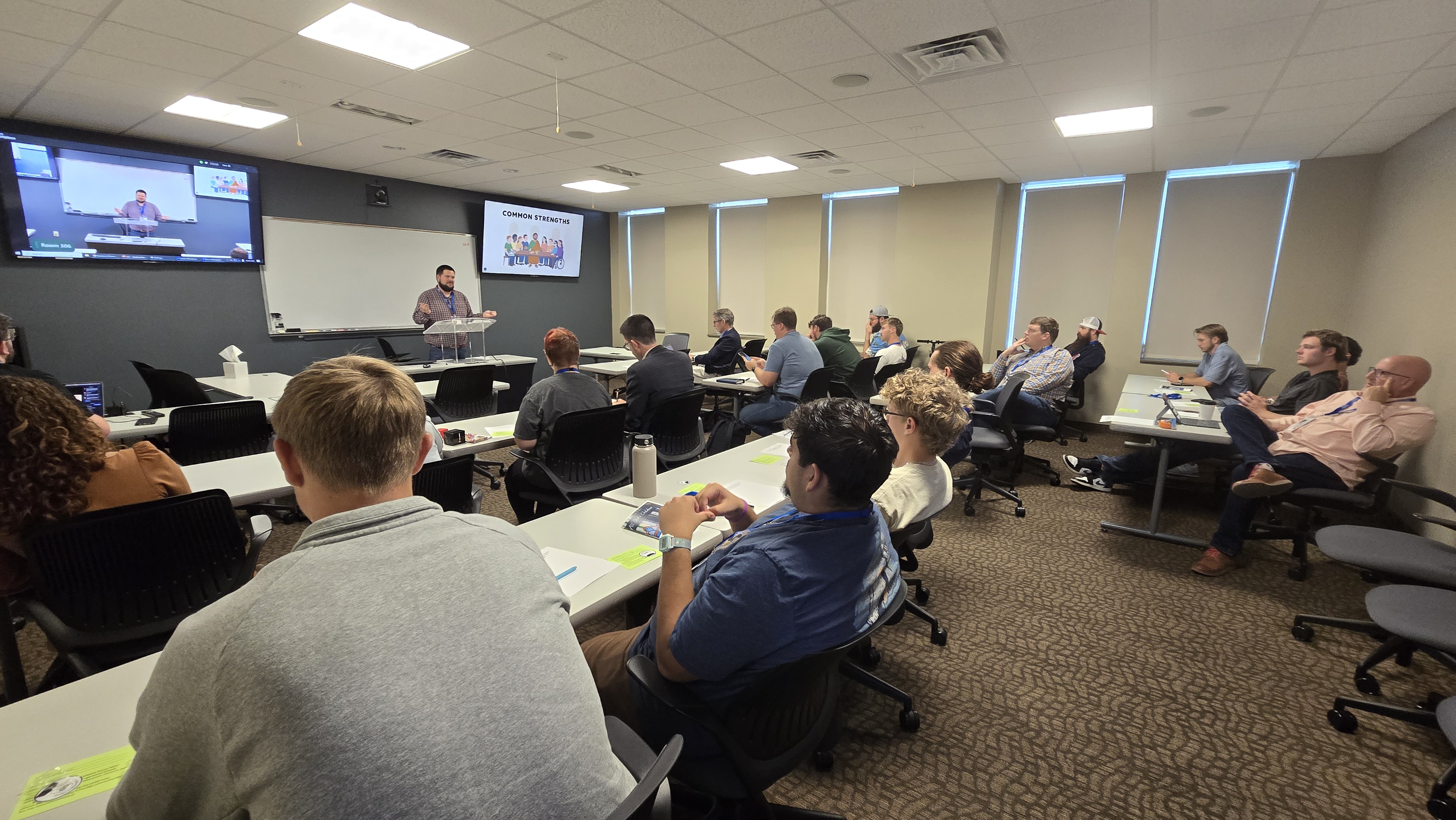
Briles introduced a practical model of inclusion, accommodation, and integration through the metaphor of eating together. Inclusion defines having a seat at the table, accommodation invites adjusting expectations, and integration requires participating in making the meal. He urged districts to examine credentialing and interview systems that unintentionally exclude neurodivergent leaders. His metaphor of the deer separated from the herd by a small fence captured the invisible barriers that prevent gifted people from crossing into leadership. “Some fences we can go around, some we can help others over, and some we just need to tear down,” he said—providing a vision for both courage and community.
7. Barb Stanley & Leah Wicker (Wonderful Works Ministry): Building Safe and Sustainable Systems

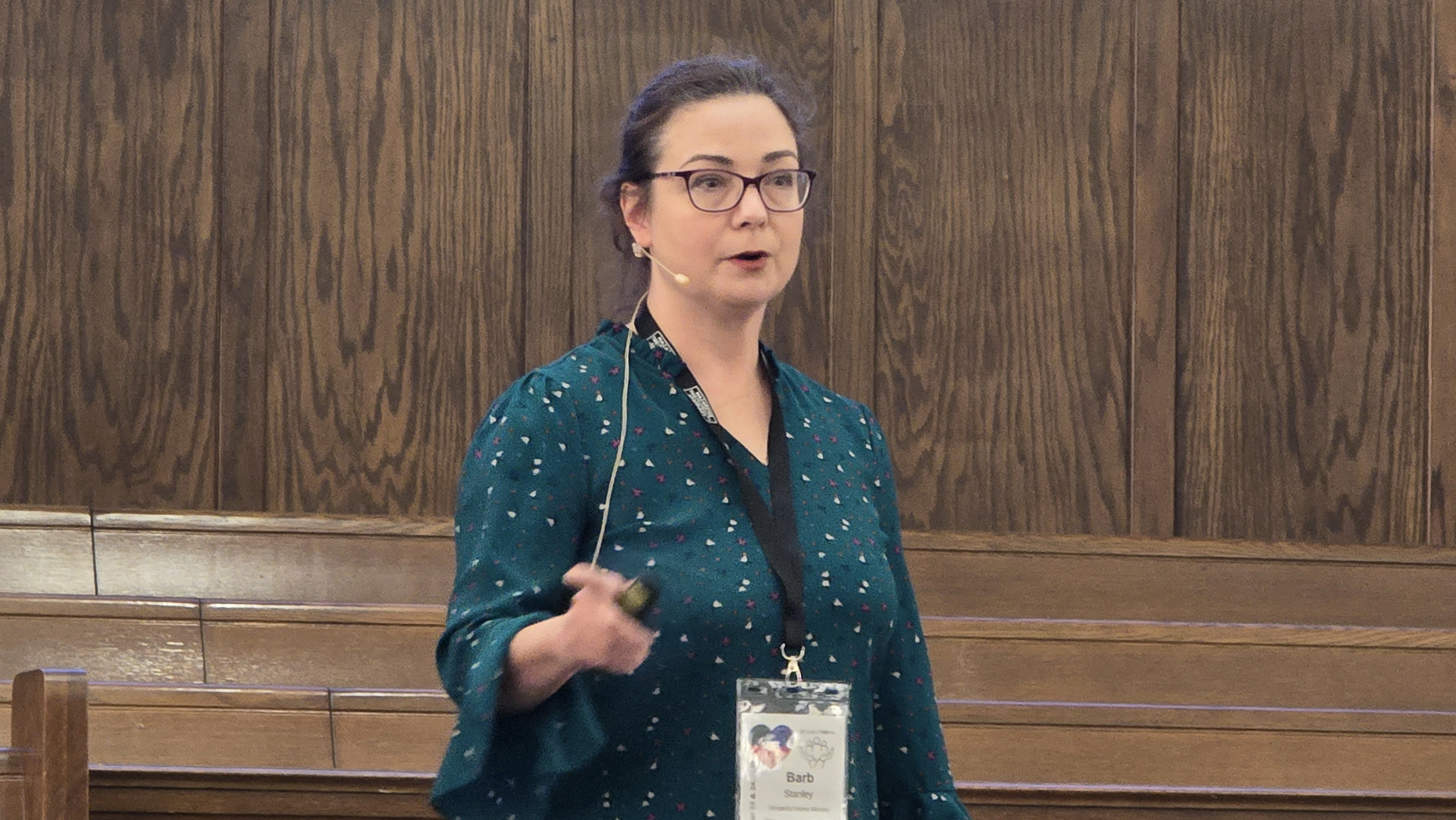
From the practical to the procedural, Barb Stanley and Leah Wicker’s “Wonderful Works” session tackled policies that support inclusion. They argued that accessibility fails when church systems assume all members are neurotypical. Reviewing examples from restroom policies to volunteer training, they urged leaders to test every procedure by three questions: “Is it safe? Is it dignified? Is it sustainable?” .


Their tiered “buddy system”—from universal design for all classrooms to specialized support for a few—showed how inclusion can be scalable without exhausting volunteers. Stanley’s refrain, “This is kingdom work,” reminded attendees that thoughtful policy is pastoral care in practice.
8. Brad Lee: Trauma-Informed Ministry for Special Needs Families
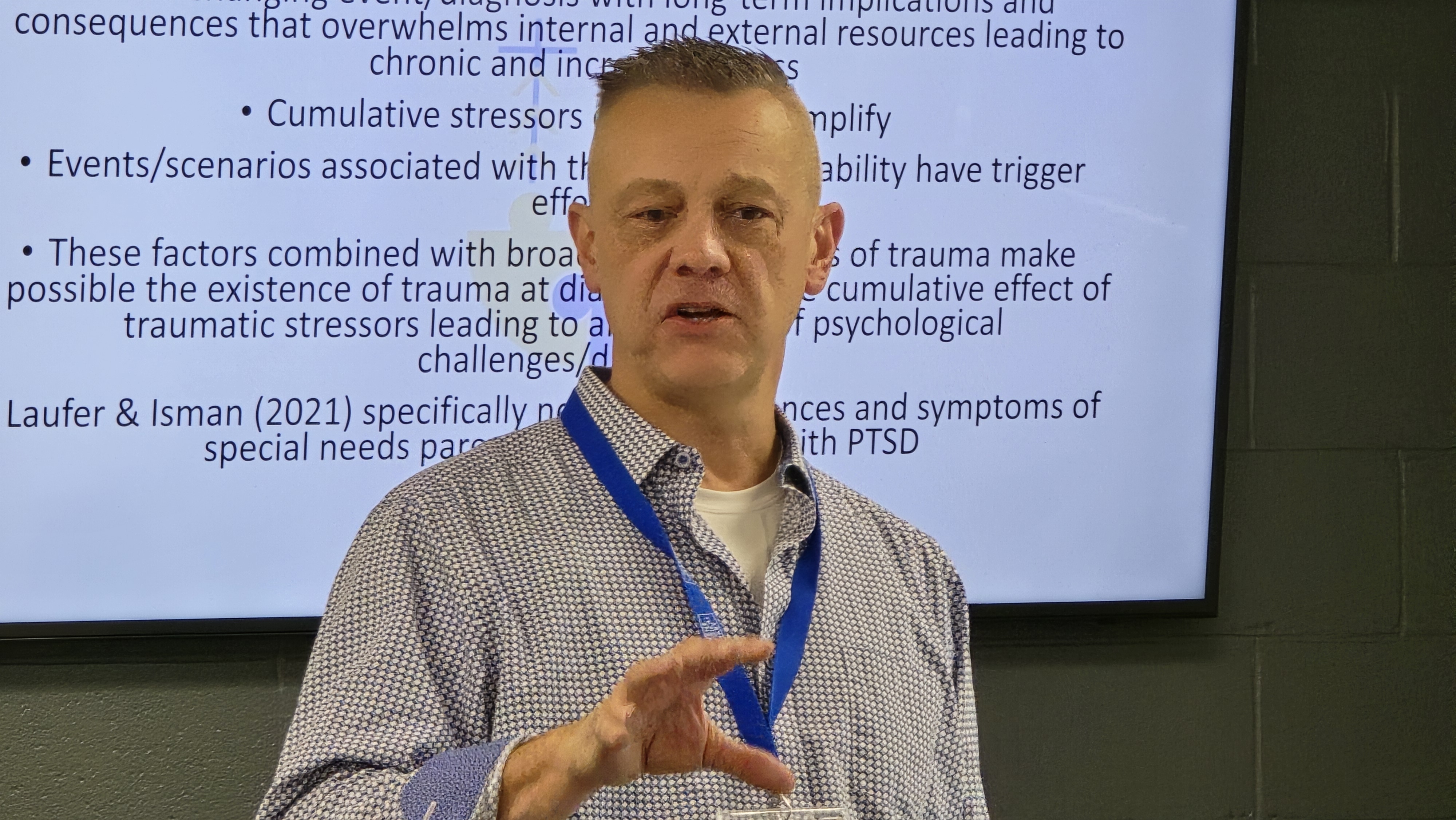
Rev. Brad Lee, a marriage and family therapist and father to a son with Down syndrome and autism, invited participants to consider how a medical diagnosis itself can be experienced as trauma. In his workshop, “A Call and Vision for Special Needs Ministry,” Lee challenged the Church to understand that trauma is not only physical but also emotional and spiritual. When parents receive a life-changing diagnosis, he argued, “the delivery of that diagnosis can be traumatic” because it upends expectations of what life will be.

Lee described how cumulative stress over years—medical appointments, social isolation, and family misunderstanding—can mirror symptoms of post-traumatic stress. Yet his message was not despairing. Instead, he called the Church to respond with empathy and structure: to create ministries that attend to marriages, siblings, and parents, not only the child. His insight that “diagnosis as trauma” bridges psychology and theology offered ministers a new lens for compassionate, sustained care.
Threads of a Unified Vision

Across disciplines and stories, three themes emerged:
Belonging Over Inclusion – From Hunsley’s theology to Answer’s worship tablets, participants agreed that being present is not enough. In the spirit of Briles’ message, people must be needed, loved and included in leadership.
Language and Listening – Mitchell and Gaventa emphasized that how we speak about disability shapes whether people feel valued. Asking questions, using respectful terms, and inviting testimony create a theology of mutual learning.
Structures of Support – Lee, Nelson, and Stanley all underscored that compassion requires systems: trauma-informed care, accessible discipleship resources, and clear policies that protect dignity.
Together, these workshops painted a portrait of the Church as a community where every body and every mind reflects the image of God. As one participant summarized, “To preach to all God’s children, we must first make room for all God’s children.”


 Discipleship Commons
Pingback: Nurturing Care 2025 Retrospective | Discipleship Commons