
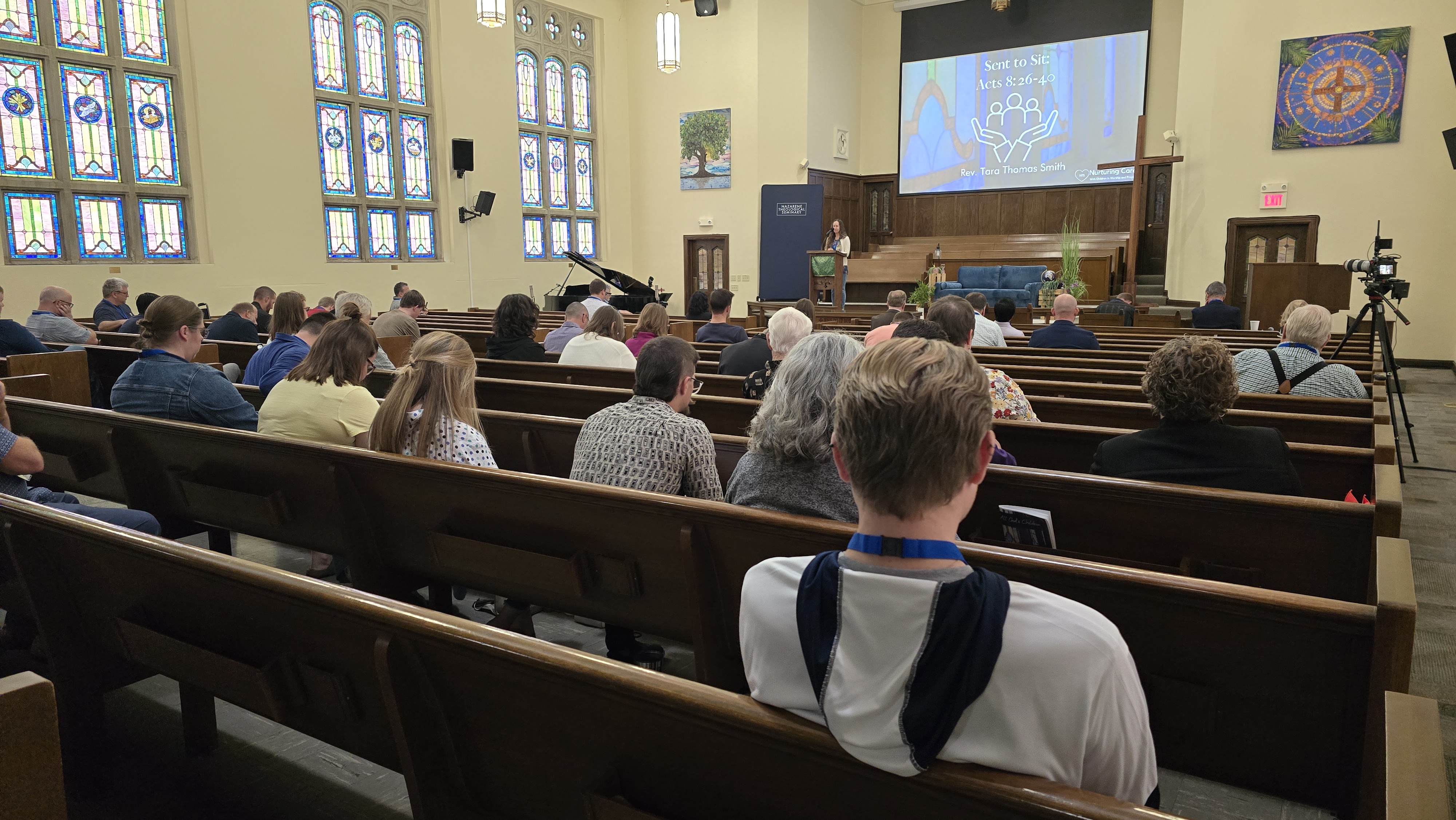

In designing the ministry, part of the Nurturing Care initiative included a commitment by Nazarene Theological Seminary and its professional development team, NTS Praxis, to commit the seminary’s Preacher’s Conference to highlight the need for churches, and particularly lead pastors, to advocate for ministry to neurodiverse children. The emphasis grew alongside the initiative much like other conversations around autism and children. In an early conversation with consultants, Nurturing Care realized that insights developed through the KC/autism emphasis would overlap with 90% of all disability special needs.

The spectrum of care that emerges in ministry engagement from the mildly neurodiverse, to the deeply disabled, appears much like the surface of a lake. You never know how deep you might go until you decide to wade out into the water. Yet the church, in this case, must learn to swim because the range of kids, youth, adults, and families in this community represent a vast gospel mandate. In this case, every person across the spectrum provides a unique opportunity to receive care and also provide fresh gifts to the church.
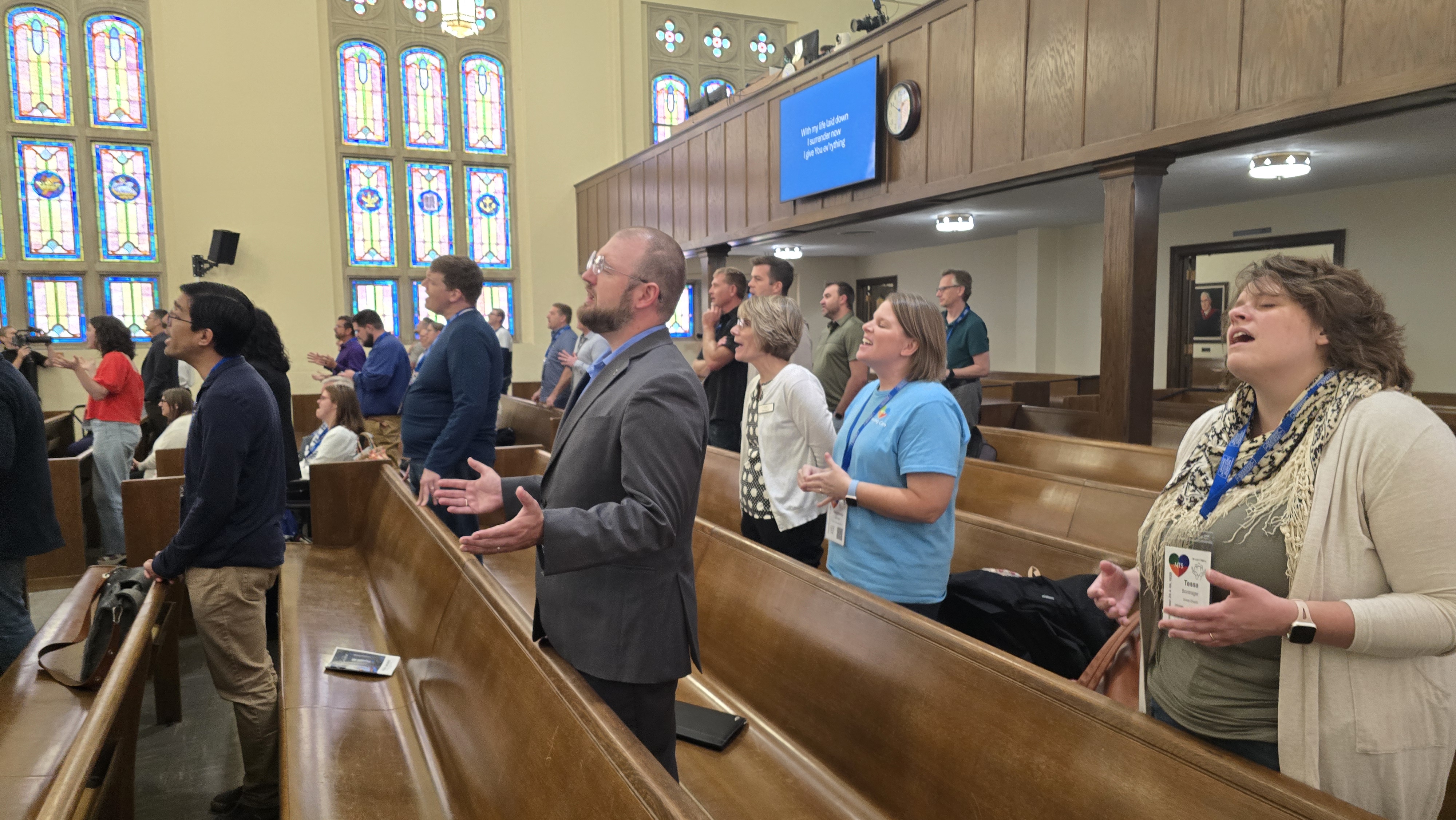

This year’s Preacher’s Conference, preaching to All God’s Children, served as a microcosm of that reality. Gathered in person and online, the conference highlighted five preachers and six sermons anchored in scripture and the myriad experiences of those preaching. Each sermon included Worship was lead by Craig Adams, executive director of the Center for Commercial Music in the School of Music and Worship at Trevecca Nazarene University.
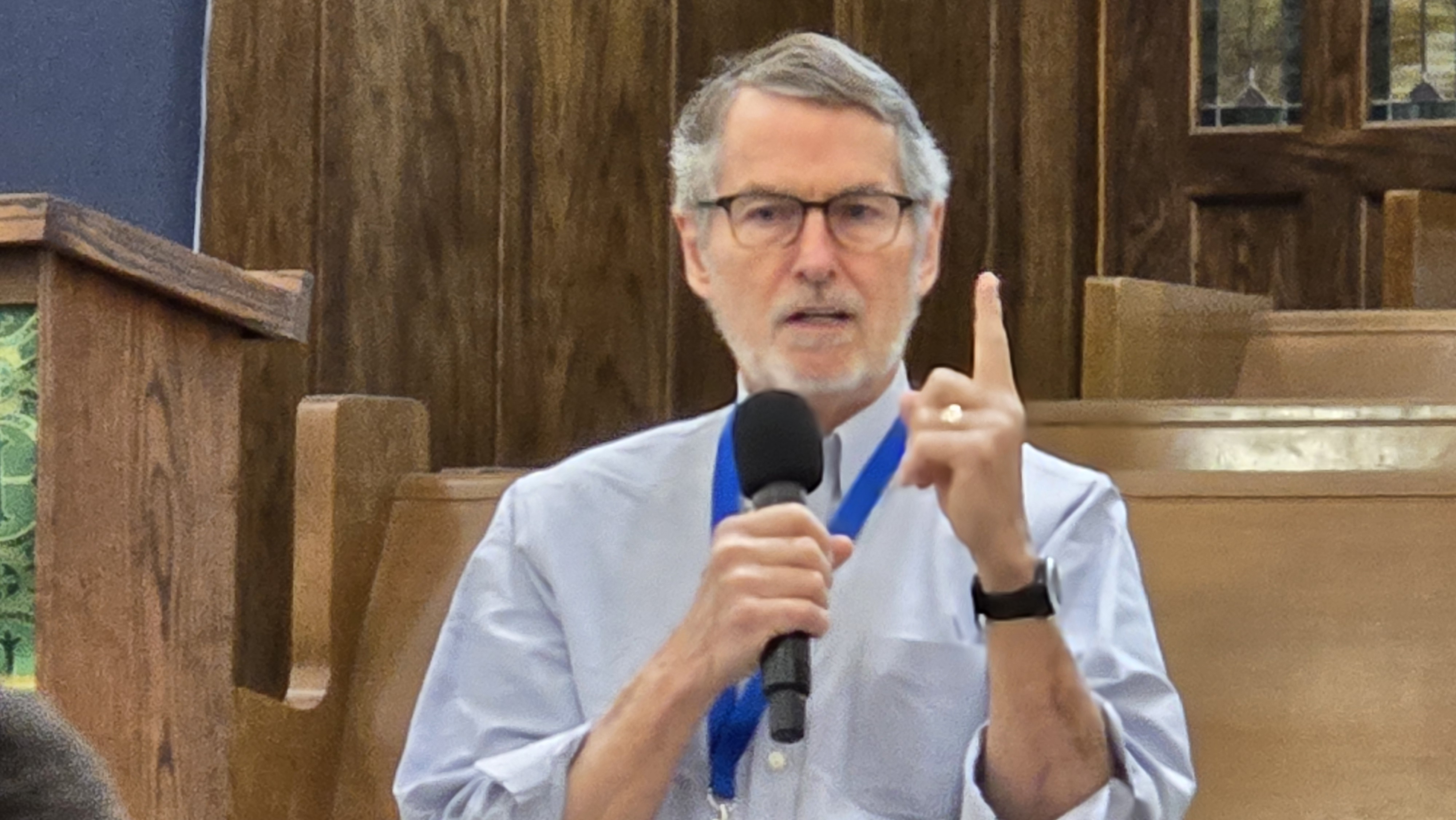

Presenters included national leaders such as Lamar Hardwick, known as the autism pastor; and Bill Gaventa, an international leader in disability ministry who served as a moderator and author of a new book on preaching and disability.

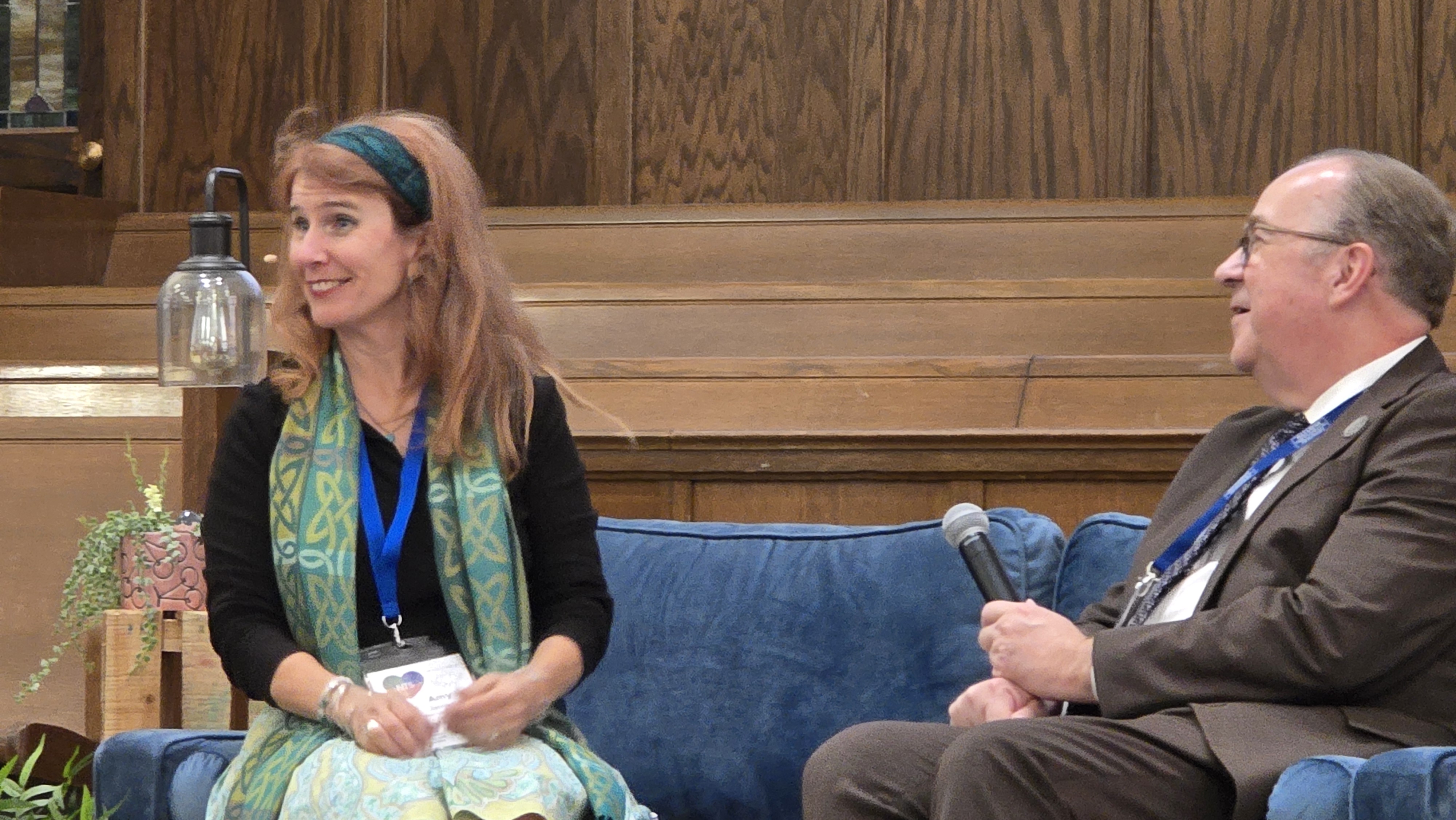
Each sermon included a time for questions both by moderators but also from the audience using text messaging to keep both in-person and online audiences engaged with the preacher and his or her craft.

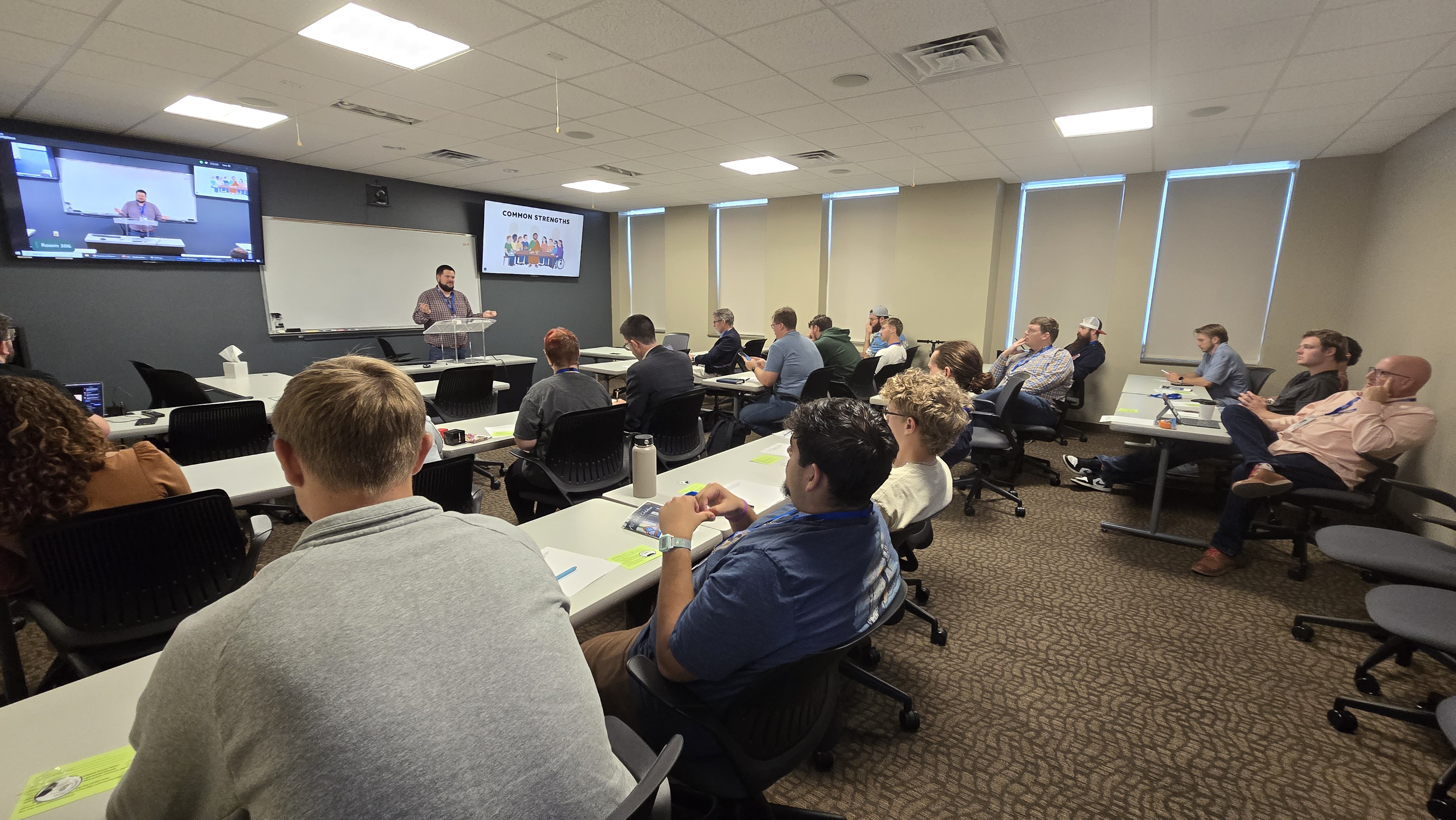
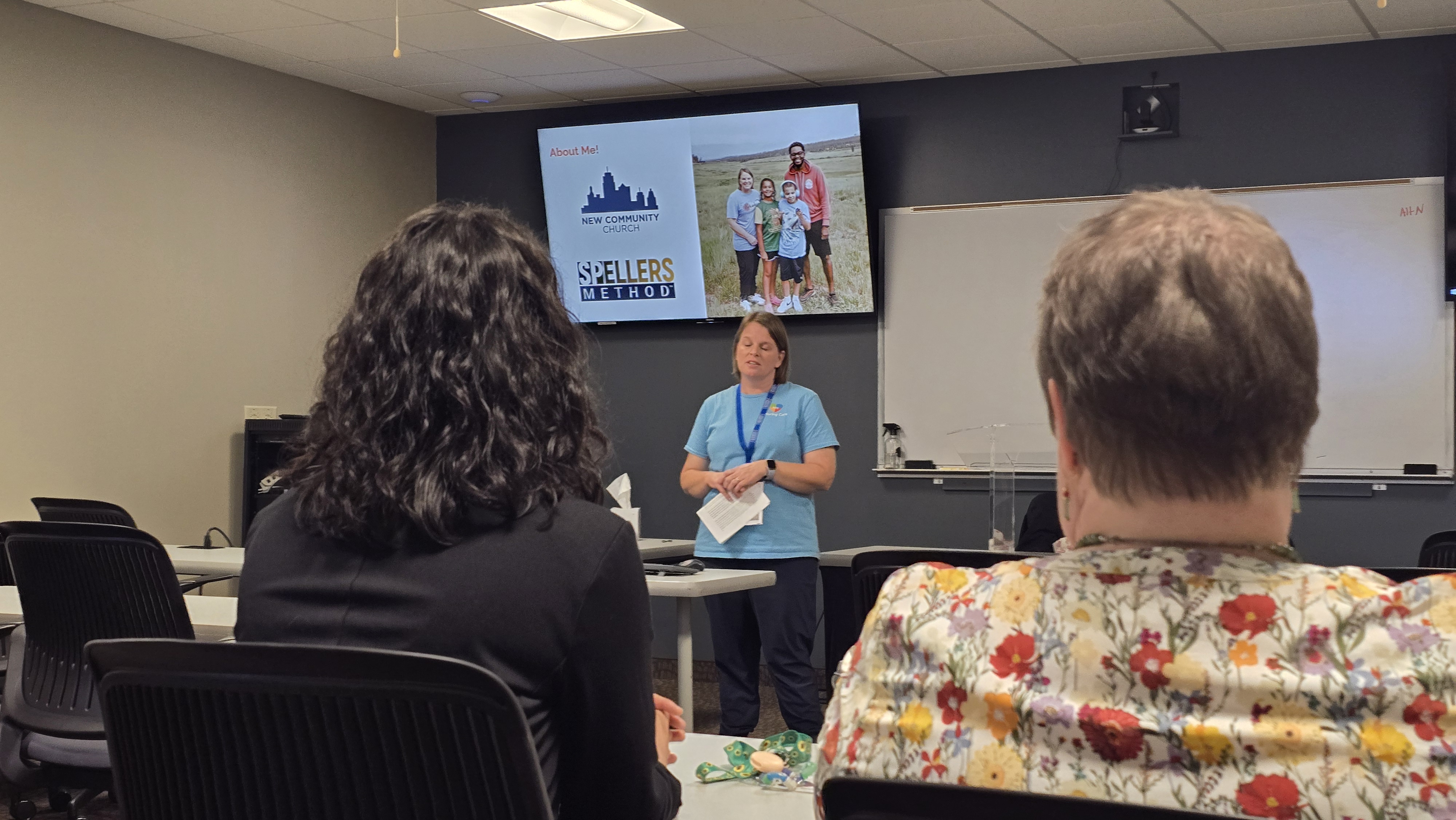
In addition eight workshops lead by disability specialists such as SOAR Special Needs, neurodivergent pastors, and parents of autistic kids reflected the wealth of possible ministry engagement. The following account provides a snapshot of the sermons presented. In a separate story, we will review the workshops that occurred as well.
Each Sermon offered an opportunity to engage different scriptures with a new perspective.

Lamar Hardwick – How to Handle Your Here

Hardwick reflects on John 17 and Jesus’ prayer that his followers remain in the world, even when “here” feels unbearable. He speaks candidly from his own life with autism and stage-four cancer, naming the “trauma of trying” that many face when struggles have no expiration date. His pastoral word is that even in “here,” we are still God’s, still beloved, and called to resist despair with hope and joy .
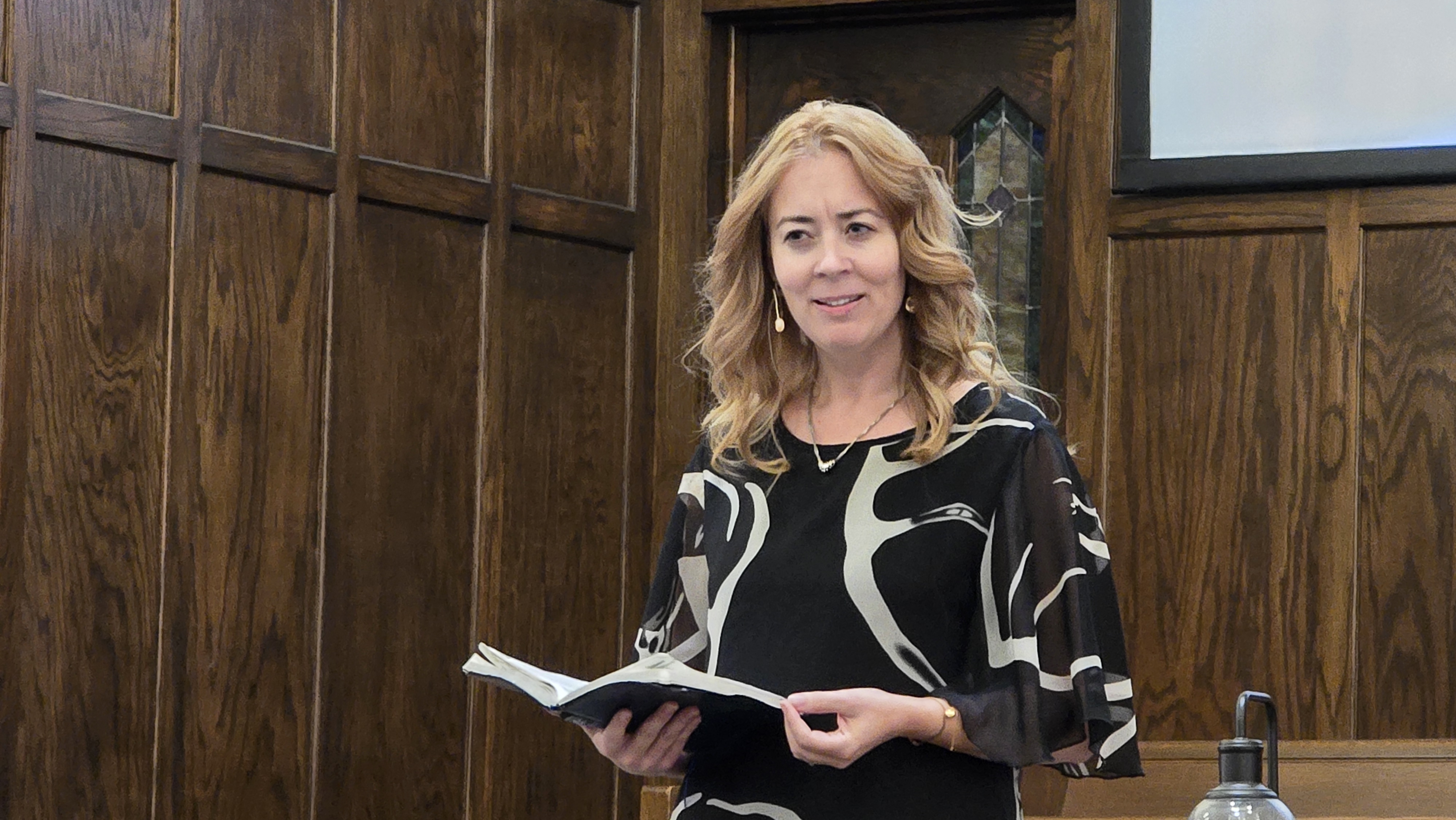
Tara Thomas Smith – Sent to Sit

Smith draws from Acts 8 and the encounter between Philip and the Ethiopian eunuch. She frames ministry as walking wilderness roads—uncertain, disorienting paths where fruitfulness depends entirely on the Spirit. Through her own story of befriending a woman with disabilities, she shows how the most faithful act is sometimes simply to sit with another in awkward, unpolished presence. Her key highlight: God sends us to roads and people we may least expect, and nothing—no condition, no exclusion—separates anyone from the love of Christ .
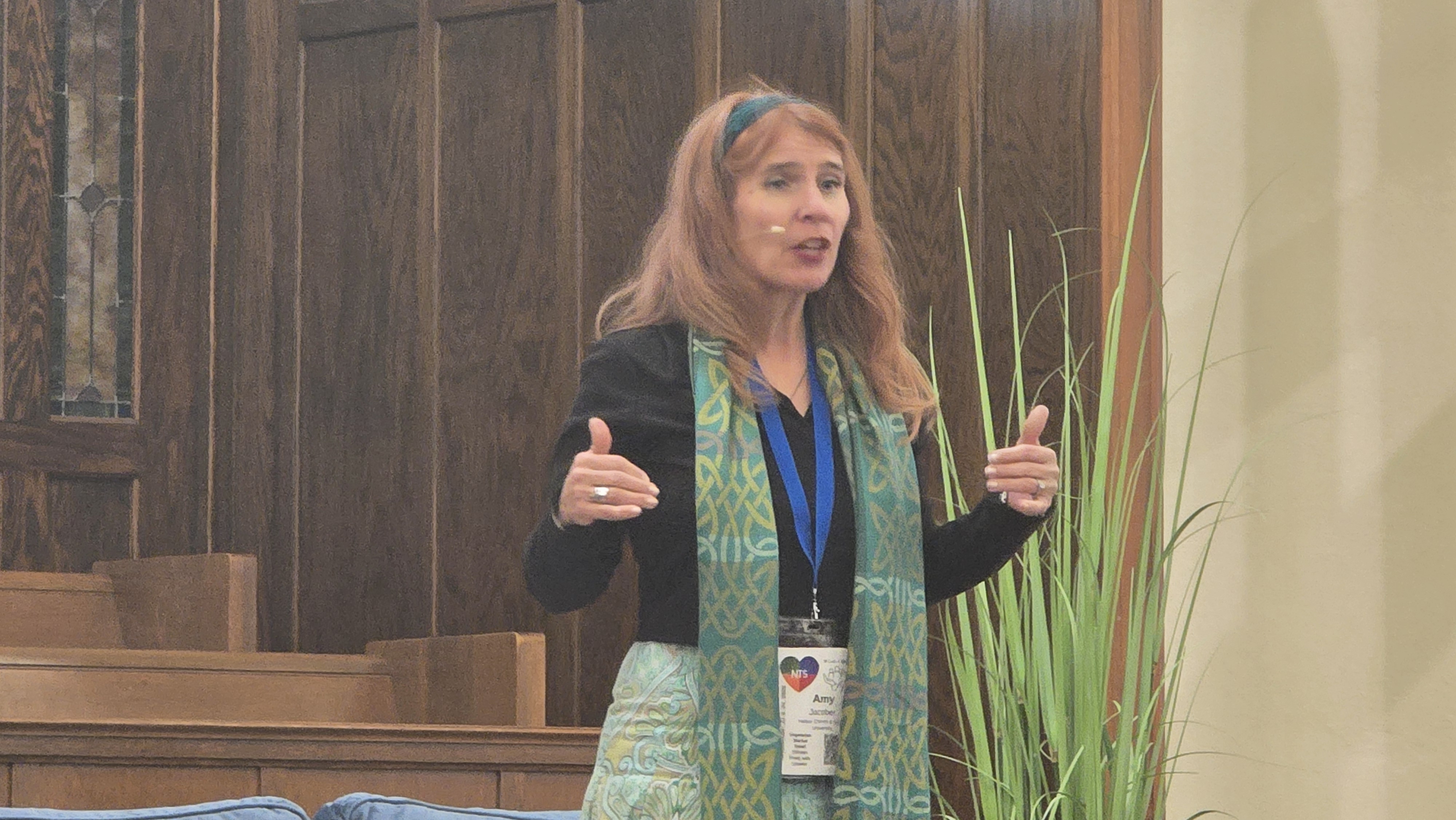
Amy Jacober – Them Bones: Rise Up

Jacober preaches from Ezekiel 37, envisioning God breathing life into dry bones. She weaves personal stories of ministry with people with disabilities and testimonies of resilience. She challenges leaders to embrace awkwardness as the price of true inclusion—“I’ll be awkward so you don’t have to.” With Ezekiel’s vision, she calls preachers to proclaim that hopelessness is never the final word: God’s Spirit raises people and communities to new life .
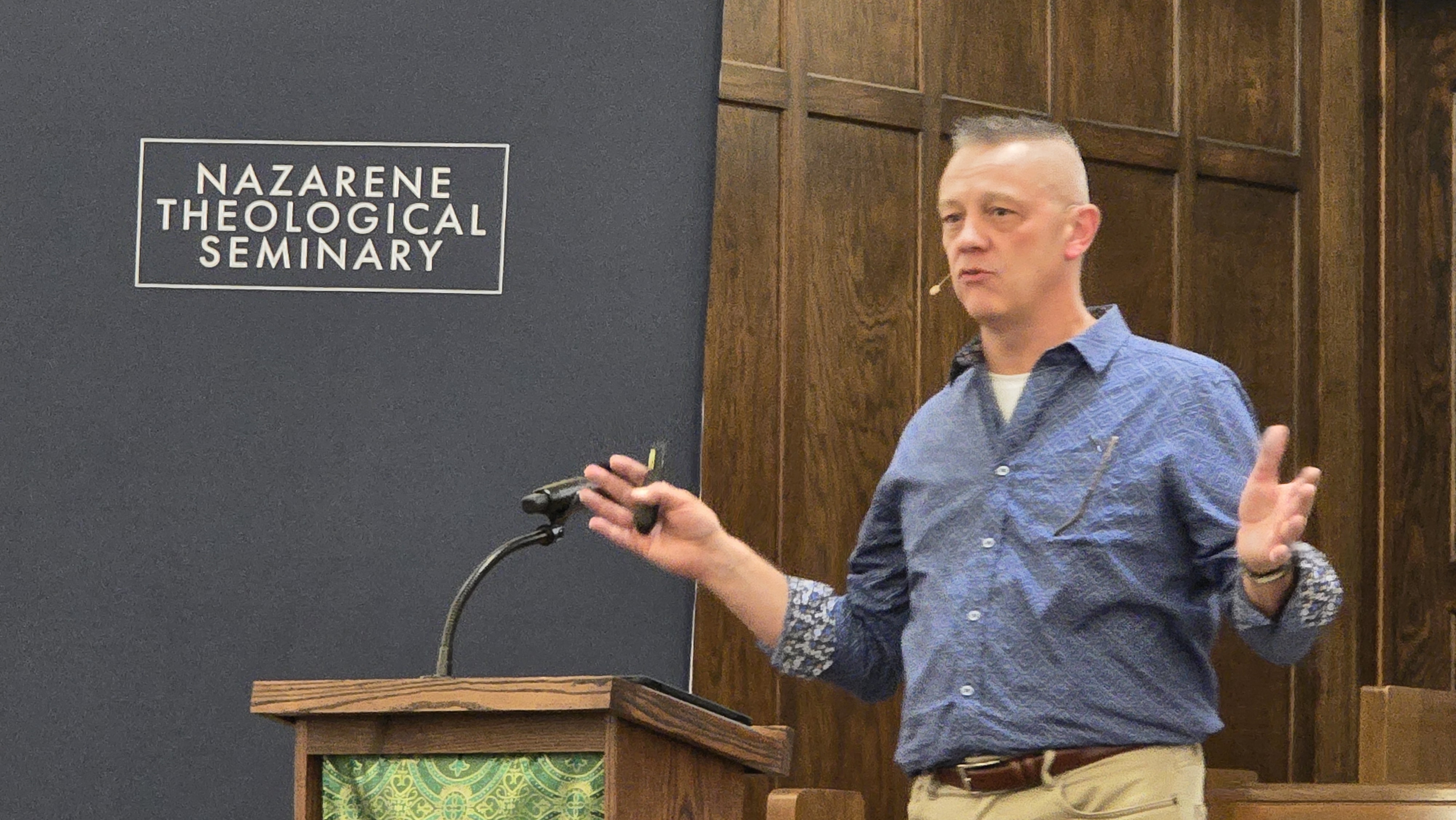
Brad Lee – A Call and Vision to Special Needs Ministry

Lee recounts the dramatic birth of his son, later diagnosed with Down syndrome and autism, and his own wrestling with grief and prayer. From John 9, he emphasizes Jesus’ redefinition of disability—not as punishment but as a stage where God’s glory is revealed. He challenges churches to confront barriers and embrace special needs ministry as a conduit of revival. His central insight: healing may not always be for the disabled person alone but also for the church and its leaders .

Diane Leclerc – conDescending to Jesus

Leclerc reflects on Mark 2, where friends lower a paralyzed man to Jesus. She contrasts the scribes’ contempt with Christ’s empathy and radical condescension—descending into human suffering. She warns of the subtle ways disgust shapes exclusion, urging the church to repent of othering. Communion, she argues, becomes the counter-ritual where Christ embraces all and calls us to embrace one another. Her most poignant contribution: Jesus’ condescension shows holiness as holy love, not separation .

Lamar Hardwick – Let’s Trade Shoes
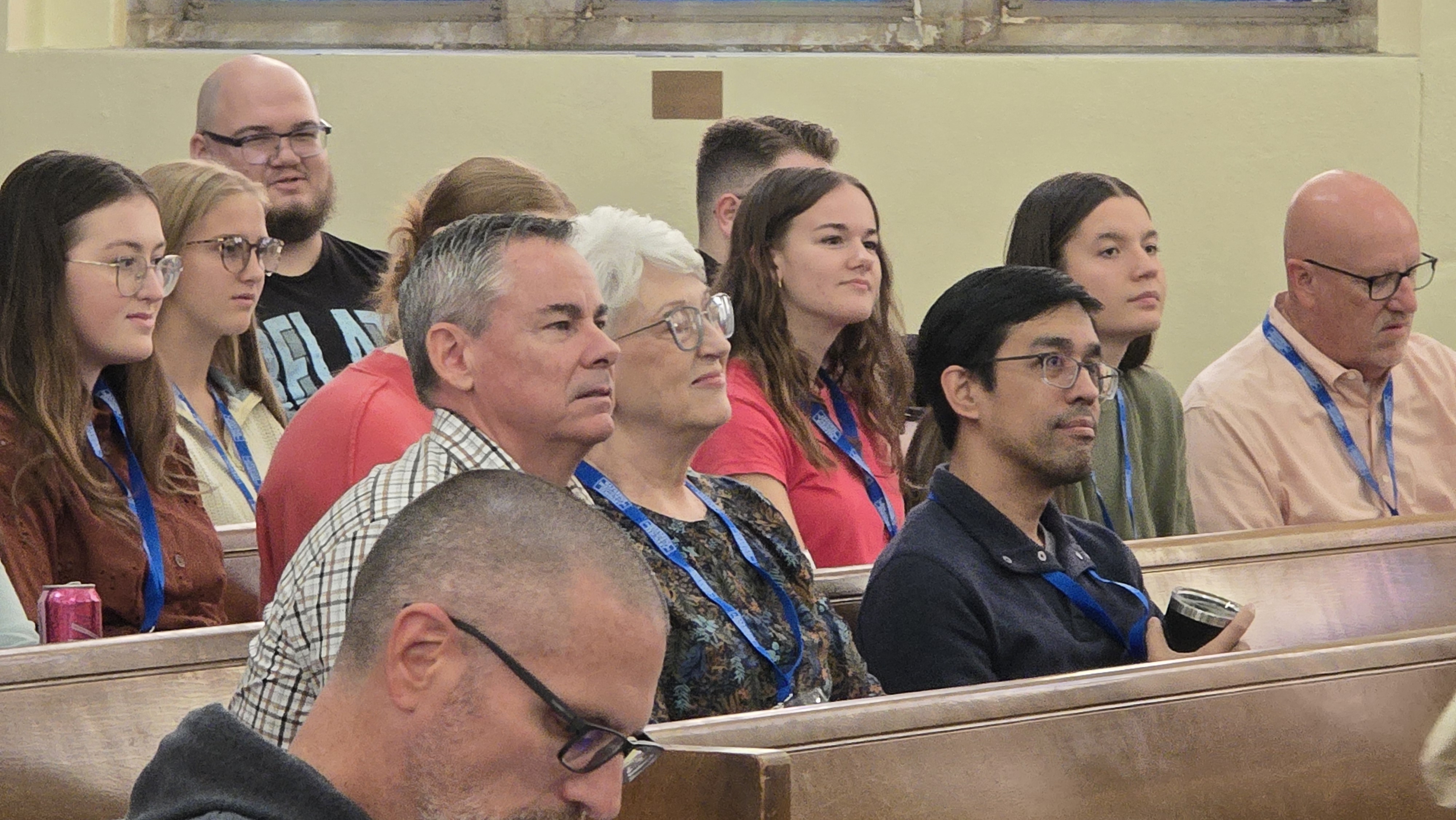
In Galatians 4, Paul asks the church to put themselves in his shoes, a metaphor Hardwick extends from his experience as “the autism pastor.” He calls the church to reciprocity and justice: to recognize the barriers it creates and to learn from the perspectives of people with disabilities. His prophetic plea is that inclusion requires not token presence but shared power and enduring love. He concludes that Christ’s response to human vulnerability is never rejection, but resurrection .
An Invitation to Care

Together, these sermons press the church toward care, toward practicing a deeper empathy and fuller inclusion. Taken as a whole the sermons challenge us acknowledge:

- The presence of God in suffering: Each sermon insists that God does not abandon people in their “here” or wilderness, but instead reveals divine glory in brokenness.
- Reframing disability: Disability is not a curse but a context for encountering God, hearing prophetic truth, and embodying sanctification.
- The call to inclusion: From awkwardness to care, the church is challenged to move beyond welcome toward reciprocal, barrier-breaking belonging.
- The power of love: Holy love manifests in sitting with others, trading shoes, lowering friends to Jesus, and opening the table for all.

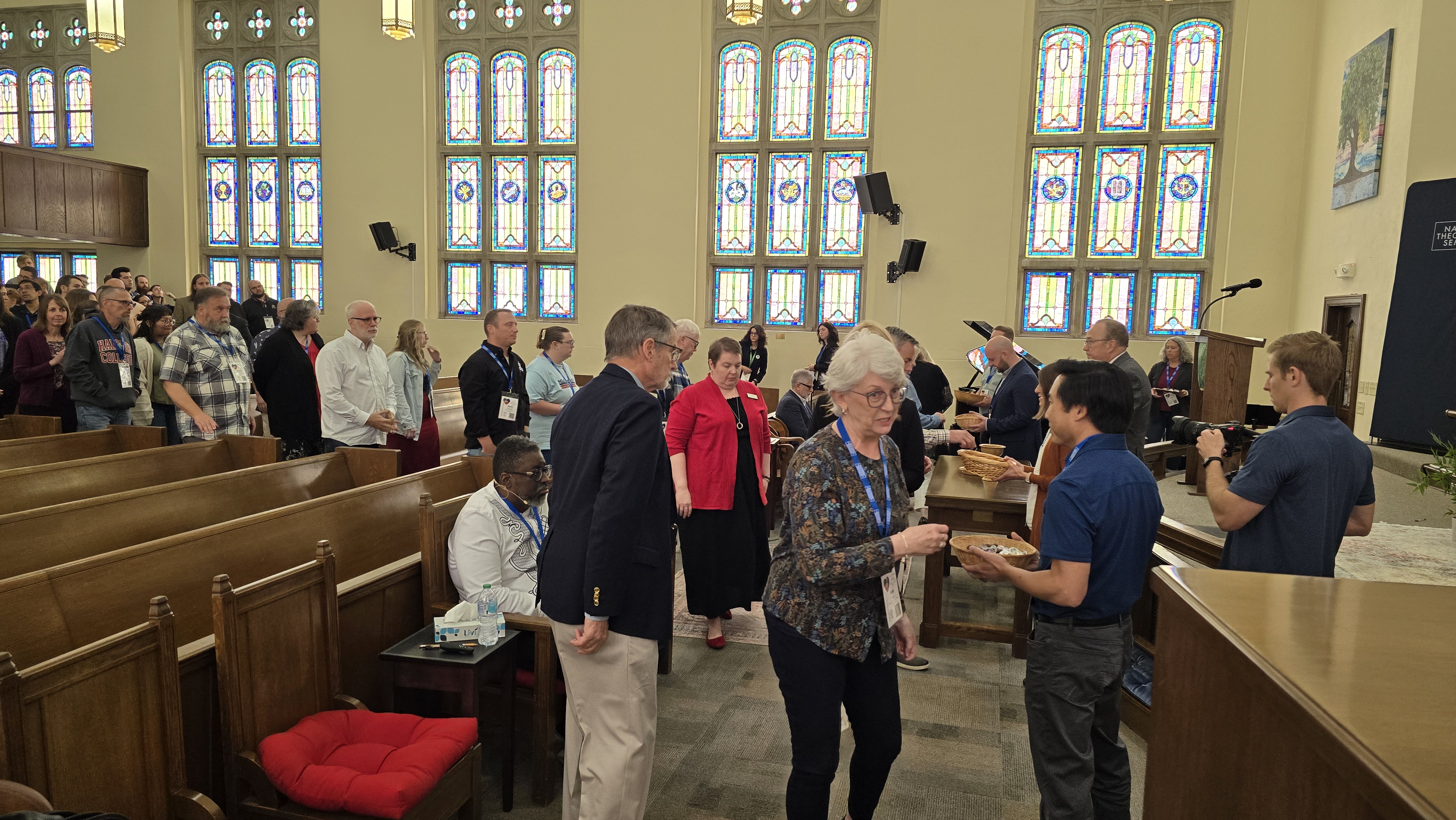
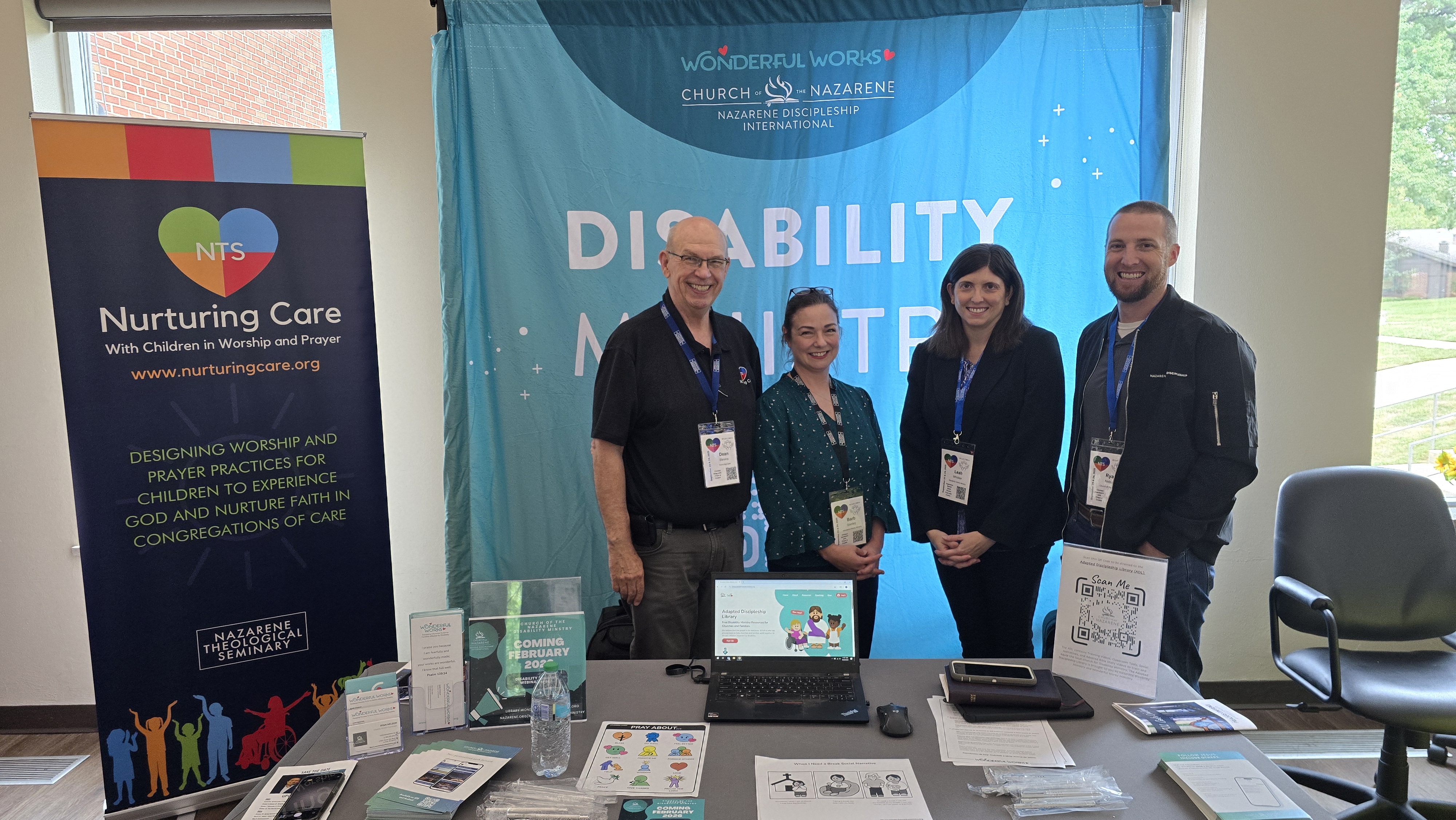
As participants gathered at the Lord’s table at the close of the conference, participants realized just how broad the spectrum of care can become when we are willing to wade into the water. Nurturing Care, alongside Nazarene Disability Ministry, Wonderful Works, and other leaders remain committed to advocate and empower congregations ready to make a difference.


 Discipleship Commons
Pingback: Nurturing Care 2025 Retrospective | Discipleship Commons
Pingback: All God’s Children: Workshops at the 2025 Preachers Conference | Discipleship Commons