
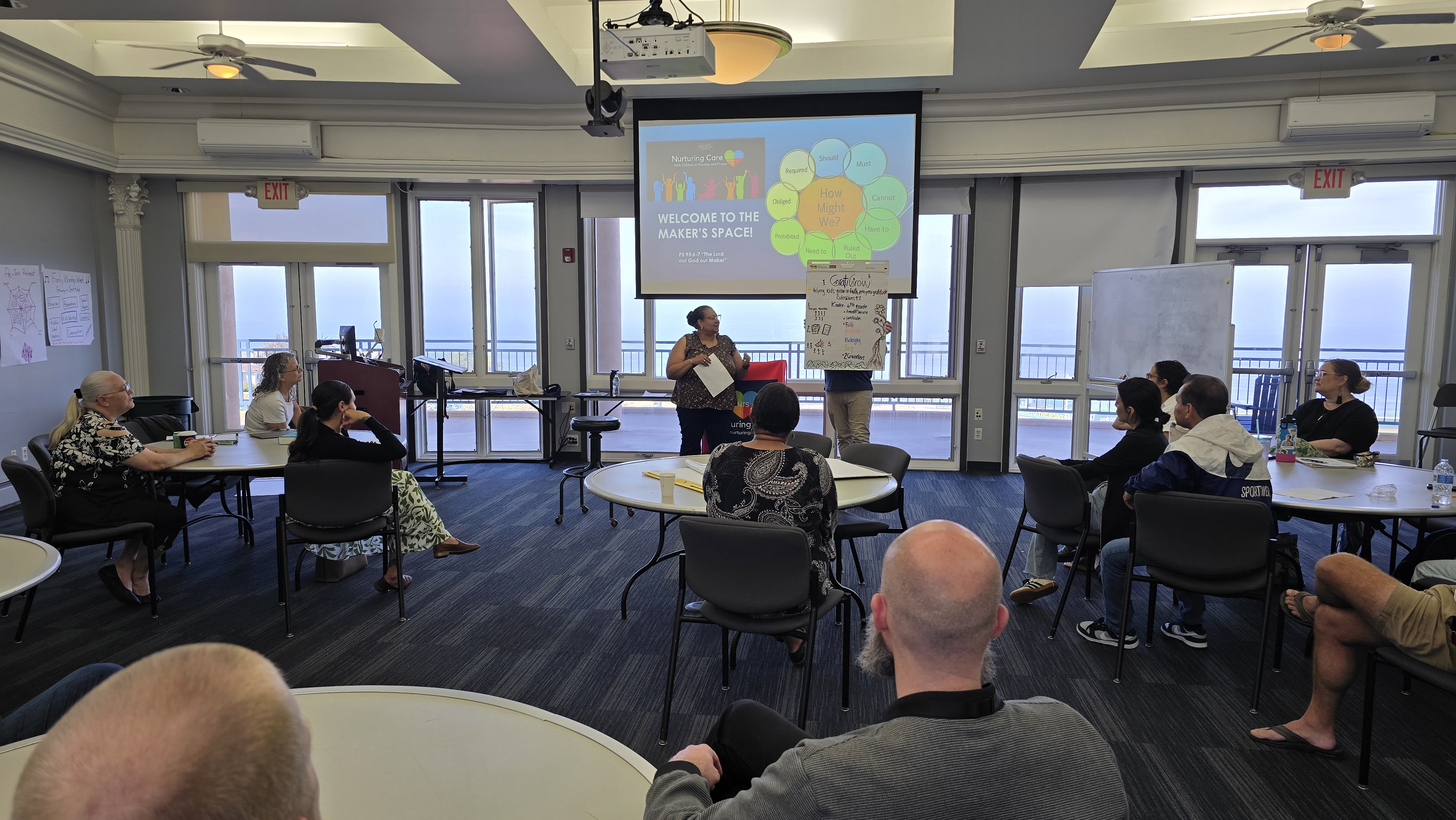
As a result of a larger west coast initiative, innovation appears to be reshaping how churches nurture an experience of God in their youngest congregants through a Nazarene Theological Seminary initiative.

A collection of Nurturing Care grant proposals for 2025–2026 reveals a dynamic tapestry of trust-building, gratitude-centered worship, and prayer-focused discipleship aimed at empowering children as full participants in church life. From Arizona to Alaska, these congregations are not simply teaching children about God—they are inviting them into worship, leadership, and spiritual intimacy through prayer.
Worship as Formation: Trusting Children to Lead

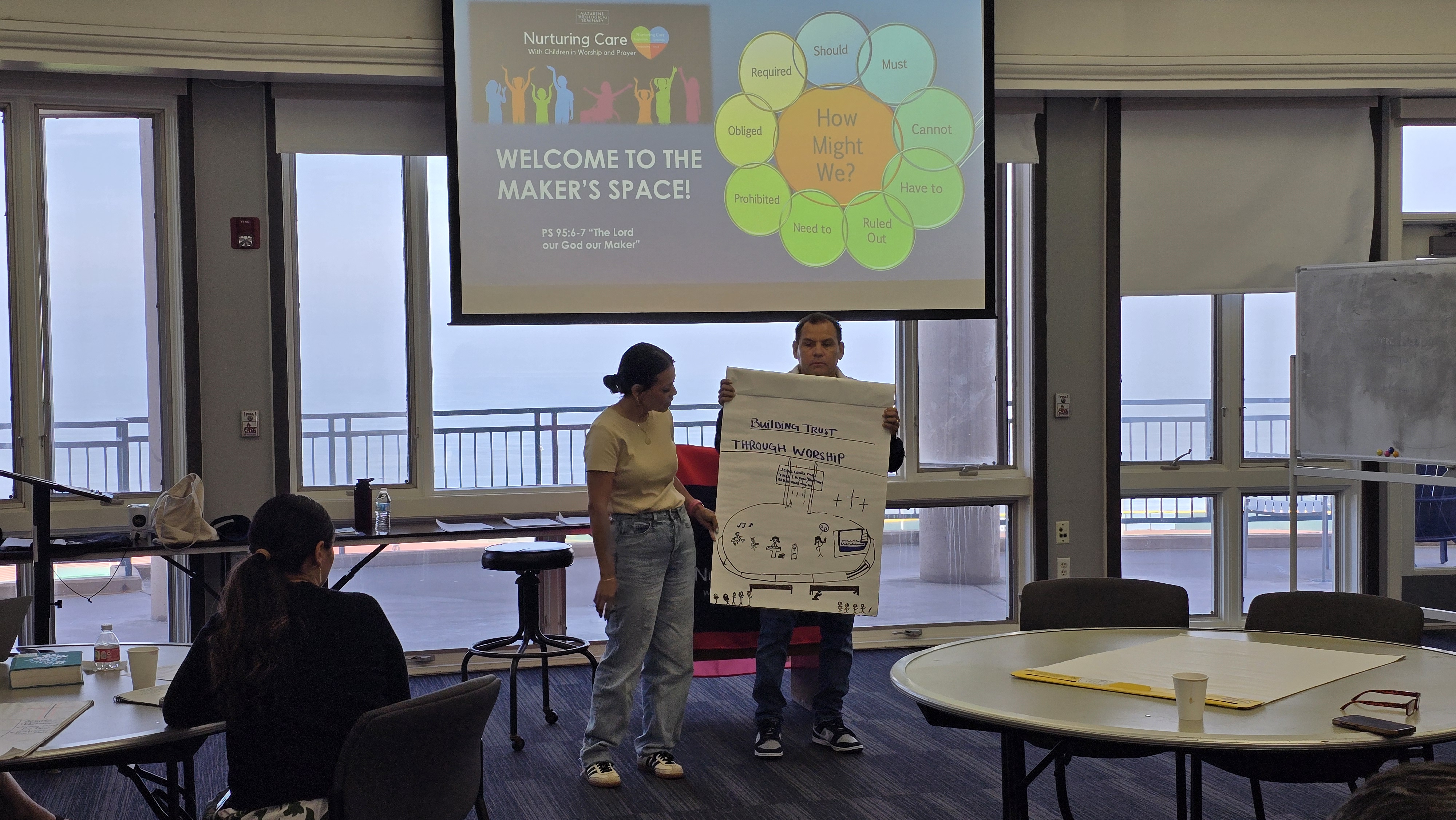
Southwest Latin American Church of the Nazarene (Chandler, AZ) proposes “Trust Through Worship,” forming a children’s worship band called Belong to lead monthly Sunday services. This initiative rests on the belief that children are not the church of tomorrow—they are the church of today. By investing in music lessons and mentorship, the congregation hopes to establish the church as a place of trust and spiritual purpose for children who may otherwise feel overlooked.

Similarly, Salinas New Life Church (CA) introduces Next Generation Worship, where children will gain “hands-on” experience participating in Sunday services. By trusting children to take active roles—playing instruments, helping lead worship, and praying publicly—the church aims to deepen both personal faith and communal bonds.
Gratitude as a Guiding Principle
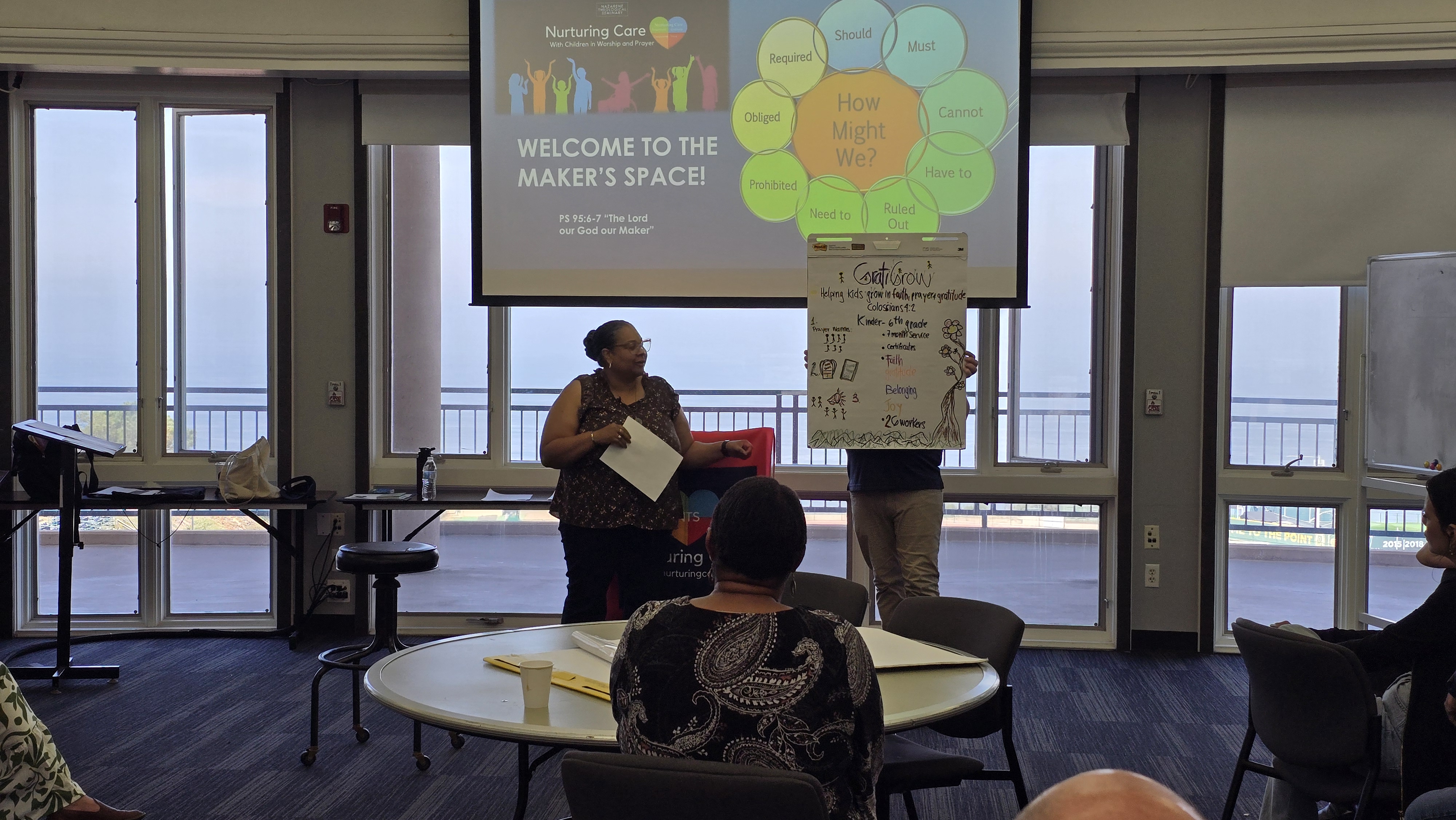
Few proposals showcase gratitude as comprehensively as Hesperia Church of the Nazarene (CA), whose GratiGrow program builds an entire children’s ministry around gratitude, belonging, and joy. Children participate in monthly prayer and service projects like yard work and caregiving, using journals and testimonies to reflect on giving and receiving. Prayer walls and intergenerational mentoring foster deep connections, while spiritual practices make gratitude a formative habit.
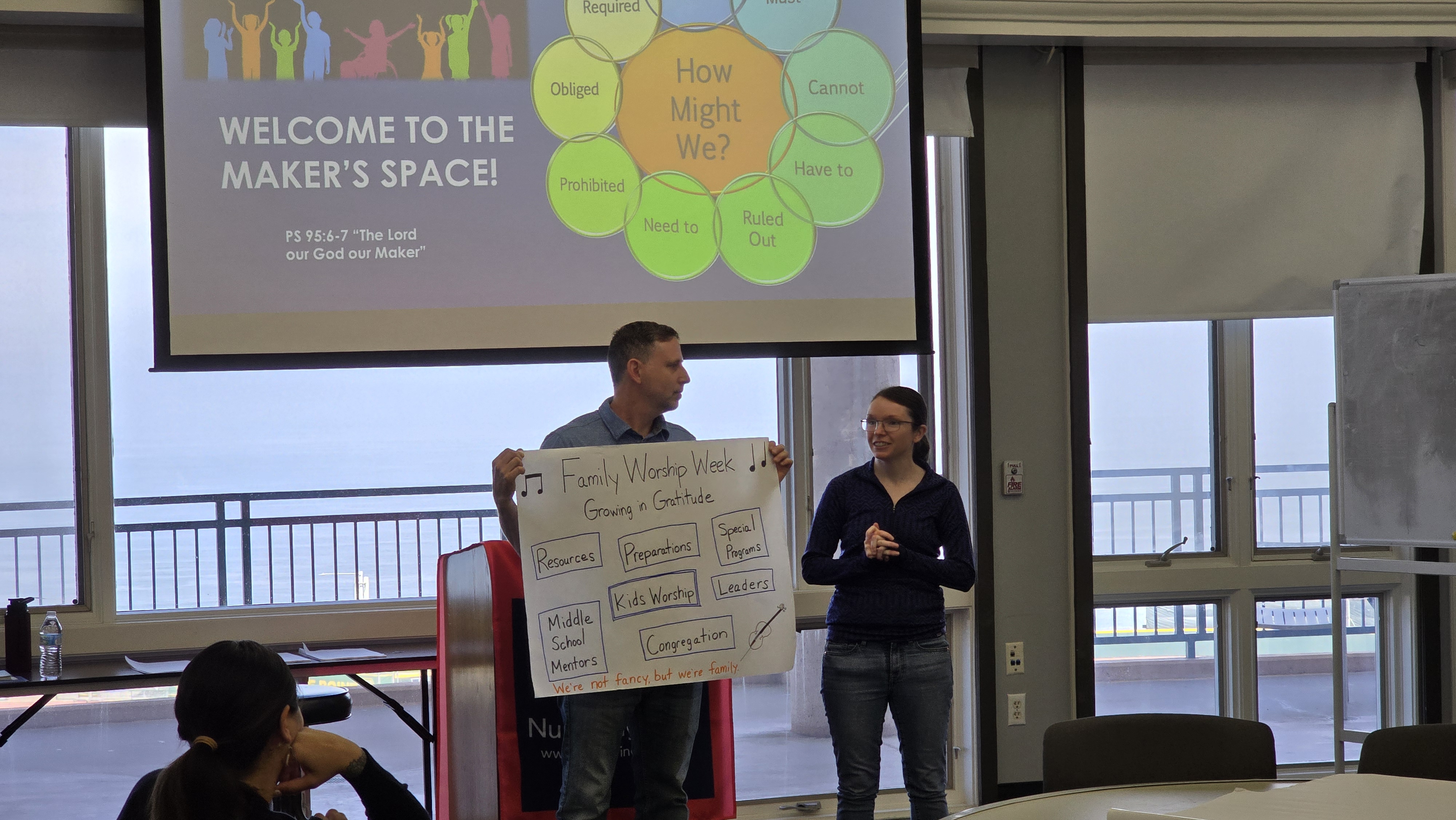
At Palmer Family Church (AK), Family Worship Week will integrate K–5 students and middle school mentors into monthly worship leadership, reinforcing gratitude through music, movement, and intergenerational collaboration. Visits to assisted living homes will extend this spirit of thanksgiving to the broader community.

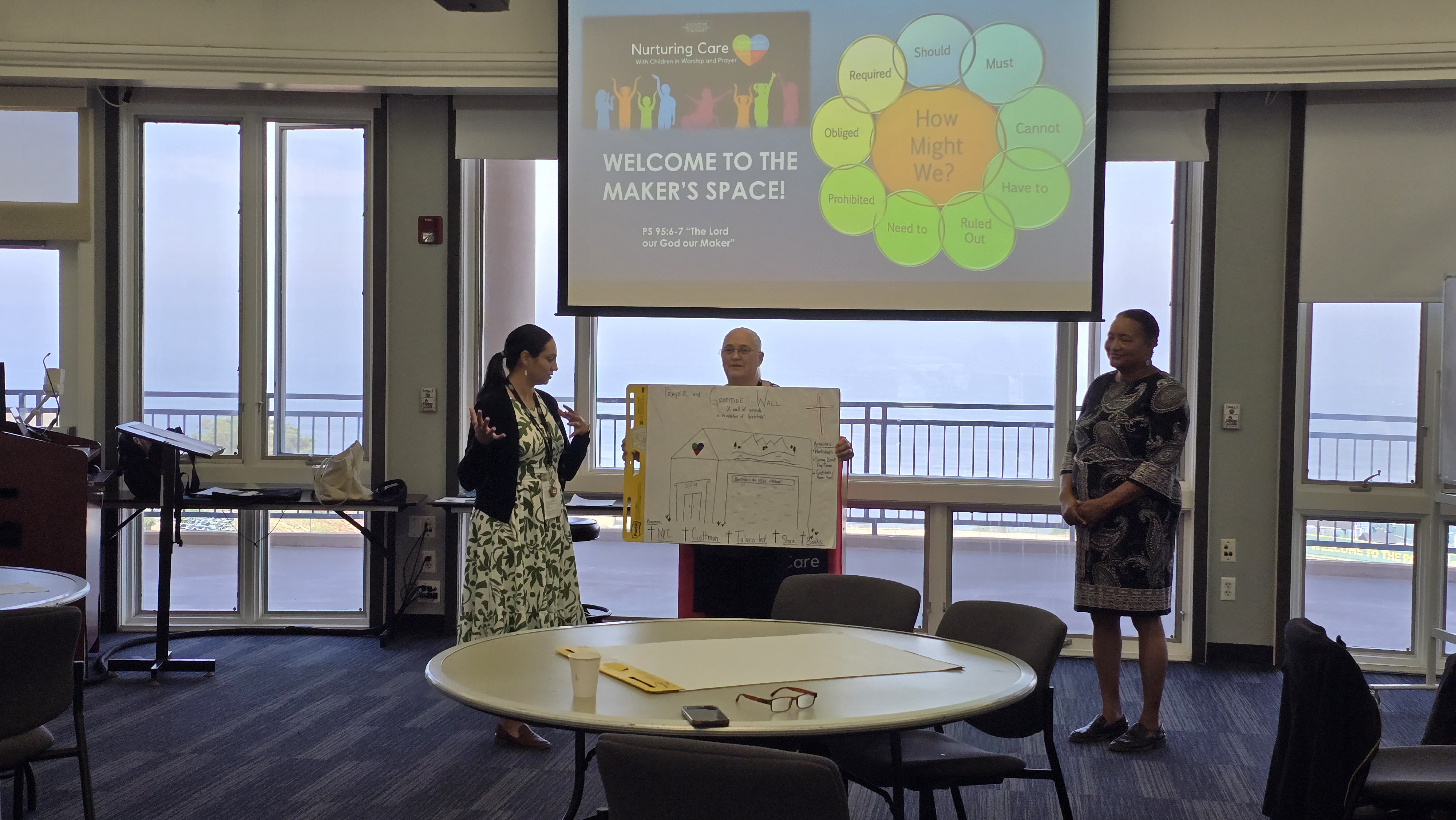
Sandia Valley Nazarene Church (NM) introduces Gratitude is our New Attitude, centering its ministry on a prayer and gratitude wall. This visual, interactive hub connects scripture, thankfulness, and prayer prompts, creating a year-round culture of reflection. Their Spring Break Day Camp (VBS) will use a gratitude-based curriculum, extending this theme beyond Sunday School to new families in the community.
Trust and Care: Healing Through Relationships
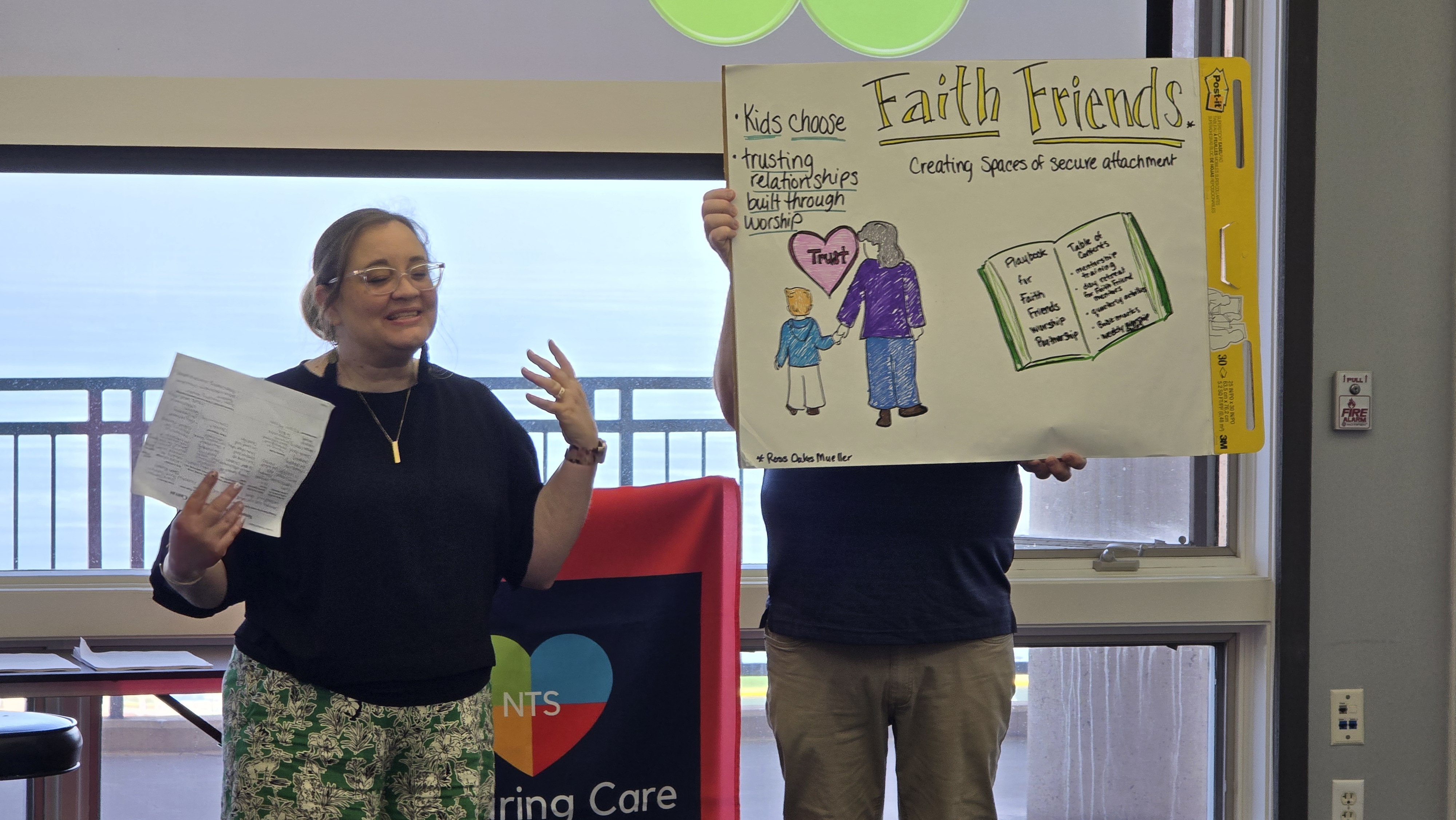
Mt. Pleasant Journey Church (TX) will launch Faith Friends, a mentorship program pairing children with pre-screened adult mentors during worship. The goal: to foster secure attachment, build trust, and teach children how to engage in worship meaningfully. Adult mentors will receive specialized training on attachment theory and discipleship, ensuring safe and nurturing environments.
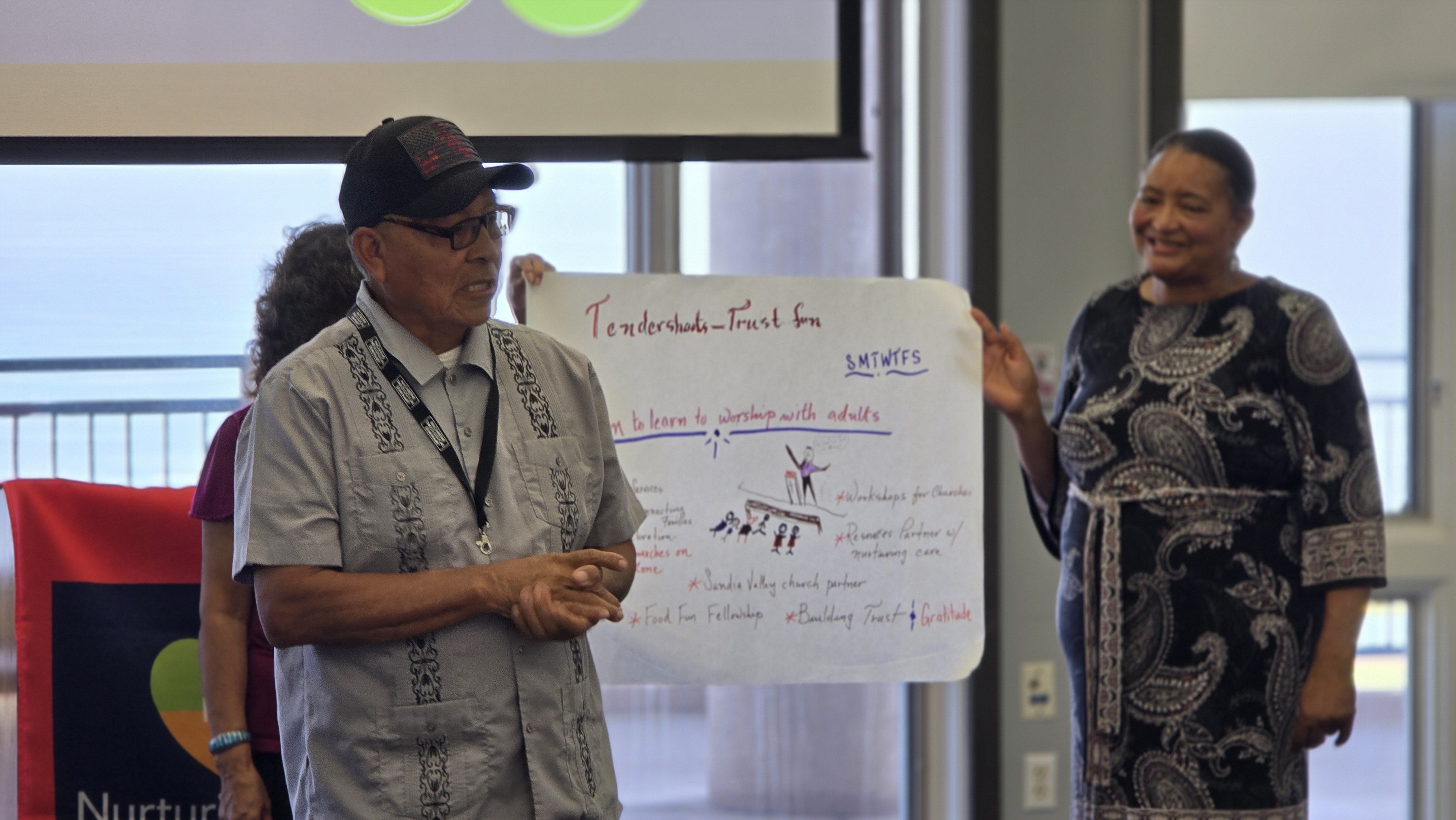
Likewise, SW Native American District’s Tendershoot “Trust Fun” project seeks to rebuild trust in worship among elementary-aged children and families, particularly those recovering from post-COVID trauma and generational church mistrust. Through leader training, creative “Trust Fun” events, and zone rallies, the district hopes to foster emotional safety and joyful worship participation.
Prayer: From Routine to Relationship

Discovery Church (Livermore, CA) stands out with its Every Kid: From Praying For to Praying With prototype. Partnering with local neighborhood groups, the initiative ensures each child is prayed with weekly by a non-parental adult. The pilot involves a letter-writing campaign to build relationships and eventually lead to in-person weekly prayers before or after school. This effort centers on prayer as a form of trust and communal belonging.

At Sonoma Valley Church (CA), the Higher-Powered Kids program offers a trauma-informed, 12-step-inspired spiritual program for children of parents in recovery. Prayer and gratitude are woven into every aspect of the curriculum, offering these often-overlooked children a spiritual anchor alongside emotional healing.
Bilingual and Cultural Inclusion


Bend Church of the Nazarene (OR) addresses a different need through Spanish and Bilingual Kids Worship Videos. By creating original, professionally produced videos in Spanish, English, and bilingual formats, the church promotes cultural inclusion and unity. These worship resources not only foster trust by valuing minority-language families but also build empathy and shared experiences across cultural lines. Nurturing Care Director, Dr. Dean G. Blevins, notes that the initiatives also offer resources for Nazarene Latin and Native American churches, creating a platform for future efforts in these diverse communities.
A Common Vision
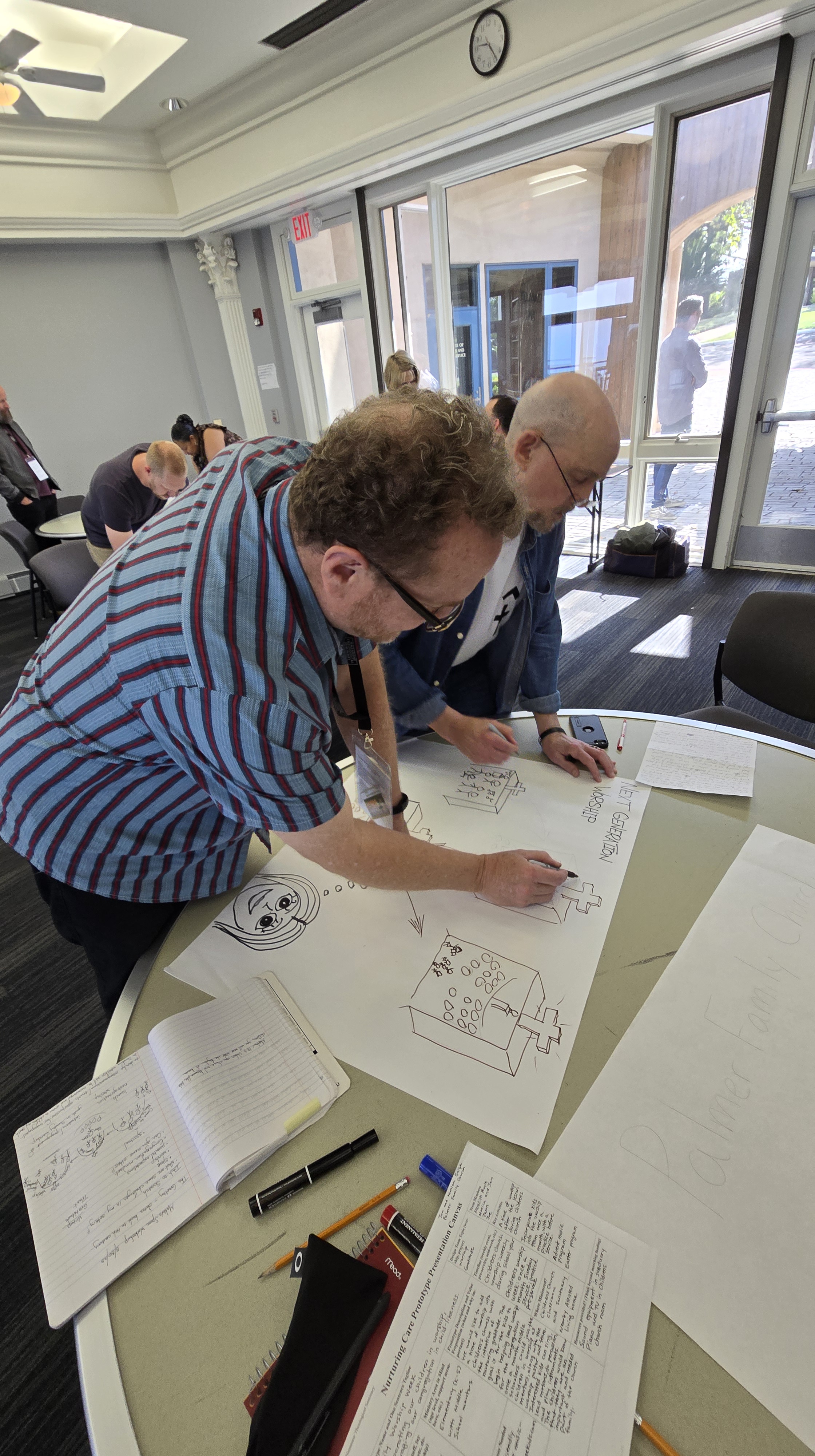
Despite differing local contexts—from Indigenous communities in Arizona to recovery ministries in California—a clear theme emerges: these churches are embracing children not as passive learners, but as active participants in the life of faith. Whether through leading worship, receiving prayer, journaling their thankfulness, or playing percussion for elders, children are being invited to trust God, give thanks, and take their place at the center of congregational life.

This new generation isn’t simply being taught about worship—they are being entrusted with it.
For more information on the Nurturing Care initiative and these congregational prototypes go to www.nurturingcare.org
funded by the Lilly Endowment Inc.


 Discipleship Commons
Pingback: Nurturing Care 2025 Retrospective | Discipleship Commons